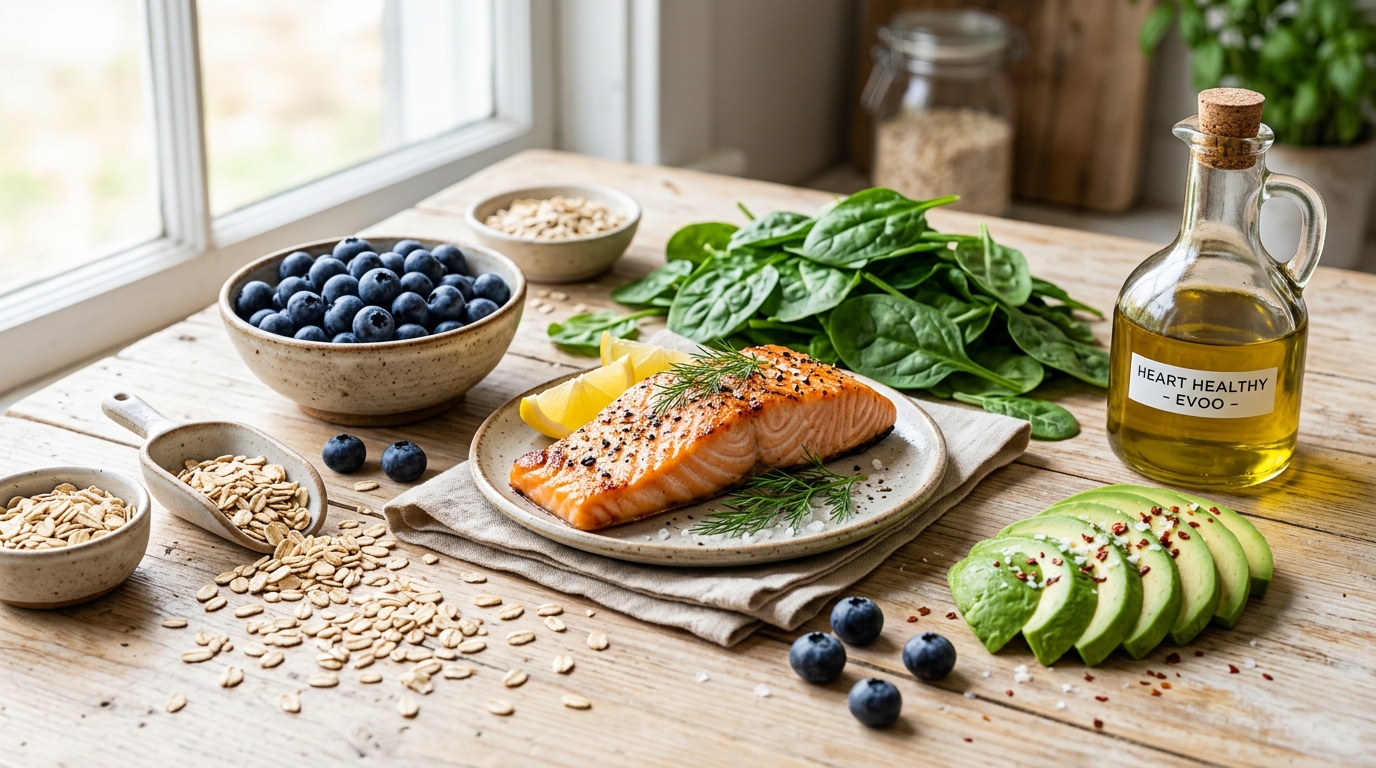
Heart disease remains one of the leading causes of death worldwide, yet a substantial portion of cases are considered preventable through lifestyle choices — and diet sits at the center of that prevention strategy. Decades of research have identified specific foods that consistently lower cardiovascular risk by reducing inflammation, improving cholesterol, supporting healthy blood pressure, and protecting arterial function.
Incorporating foods that reduce the risk of heart disease into your daily routine does not require a dramatic overhaul. Small, consistent shifts in what you eat can compound over time into significant cardiovascular protection.
Why Food Choices Are Central to Heart Disease Prevention
The cardiovascular system is directly influenced by what you eat. Dietary patterns high in refined carbohydrates, saturated fat, sodium, and processed ingredients accelerate the development of atherosclerosis — the buildup of plaque in arteries — and raise blood pressure and cholesterol. Conversely, diets centered around whole plant foods, healthy fats, and lean proteins actively reverse many of the conditions that lead to heart disease. The evidence is strong enough that major health organizations around the world recommend dietary change as a first-line strategy for cardiovascular risk reduction.
Foods That Reduce the Risk of Heart Disease
1. Leafy Green Vegetables
Spinach, kale, Swiss chard, arugula, and other leafy greens are among the most nutrient-dense foods you can eat for cardiovascular health. They are rich in nitrates, which the body converts into nitric oxide — a compound that relaxes blood vessels, reduces blood pressure, and improves circulation. Leafy greens are also packed with vitamins K, C, and folate, along with antioxidants that protect arterial walls from oxidative damage.
2. Berries
Blueberries, strawberries, raspberries, and blackberries are loaded with anthocyanins — plant pigments with potent anti-inflammatory and antioxidant effects. Regular berry consumption is linked to improved arterial function, lower blood pressure, and reduced LDL oxidation. Oxidized LDL cholesterol is particularly harmful because it is more likely to adhere to artery walls and contribute to plaque formation, making berries a valuable line of defense.
3. Whole Grains
Oats, brown rice, quinoa, barley, and whole wheat bread contain soluble fiber that directly lowers LDL cholesterol by binding to it in the digestive tract. The beta-glucan fiber in oats in particular has been extensively studied and shown to reduce total and LDL cholesterol. Whole grains also help stabilize blood sugar and reduce inflammation, both of which contribute to lower cardiovascular risk over time.
4. Fatty Fish
Salmon, mackerel, sardines, and trout are rich in EPA and DHA omega-3 fatty acids that reduce triglycerides, lower inflammation, support healthy heart rhythms, and protect the integrity of blood vessel walls. Eating fatty fish two or more times per week is one of the most evidence-backed dietary strategies for reducing the risk of both fatal and non-fatal cardiac events.
5. Avocados
Avocados are an excellent source of monounsaturated fats, particularly oleic acid — the same fatty acid found in olive oil. These fats lower LDL cholesterol while maintaining or raising HDL cholesterol, creating a more favorable lipid profile. Avocados also provide potassium, which supports healthy blood pressure, and fiber that further supports cholesterol management. They are one of the few fruits that deliver meaningful amounts of heart-protective fat.
If you are looking for a practical guide to building your meals around cardiovascular-supportive foods, our article on the best heart-healthy breakfast ideas offers a great starting point.

6. Olive Oil
Extra virgin olive oil is a cornerstone of the Mediterranean diet, which is one of the most well-researched eating patterns for heart health. Olive oil is rich in oleic acid and contains a range of polyphenols that reduce inflammation and protect LDL particles from oxidation. Regular consumption of olive oil is associated with lower rates of heart disease, stroke, and cardiovascular mortality in large epidemiological studies.
7. Legumes
Beans, lentils, chickpeas, and peas are high in soluble fiber, plant-based protein, potassium, and magnesium — a combination that supports nearly every aspect of cardiovascular health. Replacing red meat with legumes as a protein source reduces saturated fat intake while increasing fiber, and research shows this substitution is linked to meaningfully lower cardiovascular risk. Legumes also help control blood sugar, reducing the metabolic burden on the heart.
8. Nuts
Almonds, walnuts, pistachios, and other nuts are associated with reduced risk of heart disease in numerous large studies. They provide healthy unsaturated fats, fiber, plant sterols, and antioxidants that collectively improve cholesterol levels and reduce inflammation. Despite being calorie-dense, regular nut consumption is not associated with weight gain and is linked to lower rates of heart attack and cardiac death.
9. Tomatoes
Tomatoes are rich in lycopene, a powerful antioxidant carotenoid that has been shown to reduce LDL oxidation and lower blood pressure. Cooked tomatoes and tomato products like paste and sauce deliver particularly high concentrations of lycopene because heat processing breaks down cell walls and increases bioavailability. Including cooked tomatoes regularly in meals is a simple way to add cardiovascular-protective compounds to your diet.
10. Green Tea
Green tea contains catechins, a class of antioxidants that improve blood vessel function, reduce LDL cholesterol, and lower blood pressure. Regular consumption of green tea is associated with lower rates of cardiovascular disease in population studies, particularly in Asian countries where intake is traditionally high. Matcha, a powdered form of green tea, delivers a more concentrated dose of these beneficial catechins.
Conclusion
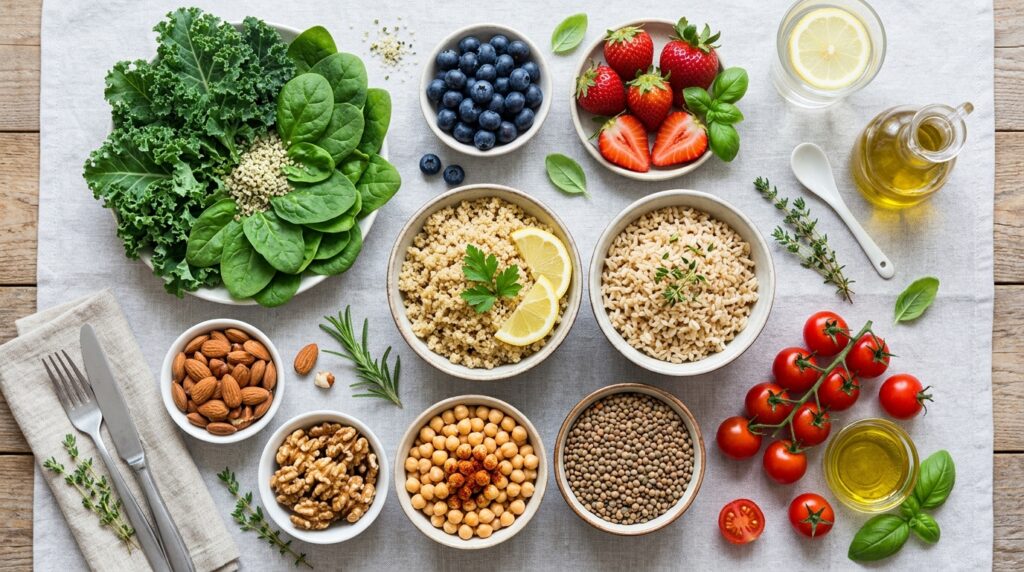
Heart disease develops gradually, but so does protection against it. Every meal built around foods that reduce the risk of heart disease is a step toward stronger arteries, healthier blood pressure, and a lower chance of a cardiac event. Leafy greens, berries, whole grains, fatty fish, avocados, olive oil, legumes, nuts, tomatoes, and green tea all offer well-documented cardiovascular benefits. Together, these foods form the foundation of a diet that actively works to protect your heart for the long term.
Frequently Asked Questions
How many servings of vegetables do I need for heart disease prevention? Research supports consuming at least five servings of fruits and vegetables per day for cardiovascular benefits, with greater intake generally associated with lower risk. Prioritizing leafy greens and colorful vegetables with antioxidant properties is particularly beneficial.
Does dark chocolate have heart health benefits? Dark chocolate with a high cocoa content contains flavonoids that may improve blood vessel function and modestly lower blood pressure. However, portion size matters — a small amount as part of an otherwise balanced diet is where the benefit lies, not large quantities of commercial chocolate products.
Can reducing processed food intake alone lower heart disease risk? Yes, significantly. Processed foods are major contributors to excess sodium, trans fats, added sugar, and refined carbohydrates — all of which raise cardiovascular risk. Reducing processed food intake and replacing those calories with whole foods can produce meaningful improvements in blood pressure, cholesterol, and inflammation relatively quickly.