Introduction
Eating nutritious food is only half the story. What matters just as much is how well your body actually absorbs and uses the nutrients in what you eat. Two people can consume the exact same meal and come away with very different levels of nutrition, depending on their gut health, meal composition, eating habits, and even the cooking methods they use.
Nutrient absorption, also called bioavailability, refers to the proportion of a nutrient that your digestive system successfully absorbs and delivers to where it is needed. Many factors influence this process, some within your control and some not. The good news is that several simple, evidence-informed strategies can meaningfully improve how much you get out of every meal.
This guide walks through ten practical ways to improve nutrient absorption from food without overhauling your entire lifestyle.
Why Nutrient Absorption Matters
You can eat a diet full of vitamins, minerals, and antioxidants and still fall short nutritionally if your body is not absorbing them efficiently. Poor absorption is linked to fatigue, weakened immunity, hormonal imbalances, and a wide range of chronic health issues. Factors such as gut inflammation, stress, aging, medication use, and certain dietary choices can all reduce your body’s ability to absorb key nutrients.
By making strategic adjustments to how you eat and prepare food, you can significantly improve the nutritional value you extract from your meals every day.
10 Ways to Improve Nutrient Absorption from Food
1. Pair Vitamin C with Iron-Rich Foods
Non-heme iron, the type found in plant foods like spinach, lentils, and beans, is not as readily absorbed as iron from animal sources. However, consuming vitamin C at the same meal dramatically improves absorption. Squeezing lemon over a spinach salad, adding tomatoes to a lentil dish, or pairing bell peppers with beans are simple and effective combinations.
2. Eat Healthy Fats with Fat-Soluble Vitamins
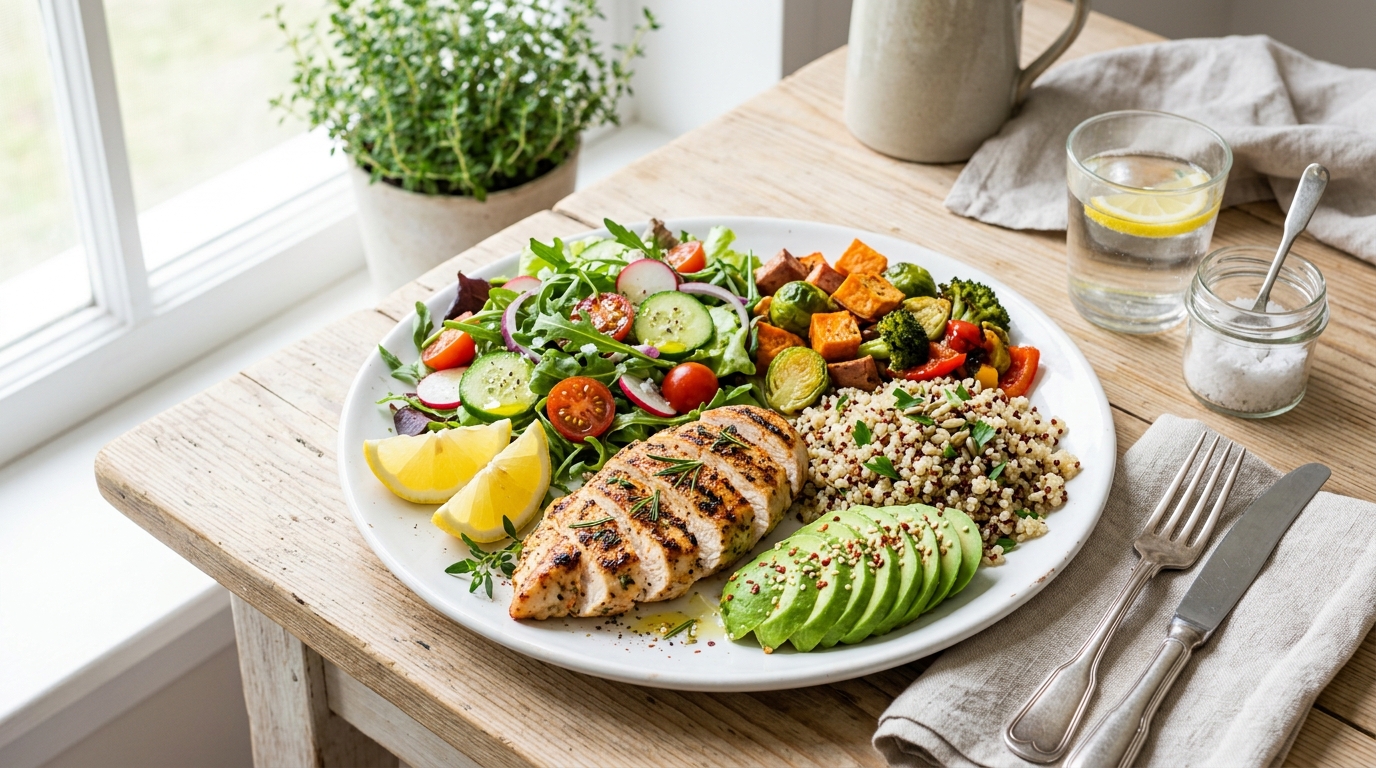
Vitamins A, D, E, and K are fat-soluble, meaning they require dietary fat to be absorbed properly. Eating salads with olive oil, adding avocado to meals, or cooking vegetables in a small amount of healthy fat significantly improves the absorption of these nutrients. Low-fat meals may inadvertently reduce how much of these vitamins your body can use.
3. Cook Certain Vegetables to Unlock Nutrients
While raw vegetables offer their own benefits, cooking actually increases the bioavailability of certain nutrients. Heating tomatoes increases the availability of lycopene. Cooking carrots and spinach makes beta-carotene and iron more accessible. Light steaming tends to preserve nutrients well while still improving their digestibility compared to eating them completely raw.
4. Soak or Ferment Grains and Legumes
Grains and legumes contain compounds called phytates and lectins that can bind to minerals like zinc, iron, and calcium and reduce their absorption. Soaking dried beans overnight, sprouting grains, or choosing fermented options like sourdough bread significantly reduces these compounds and improves how much nutrition your body can extract.
5. Avoid Coffee and Tea Around Mealtimes
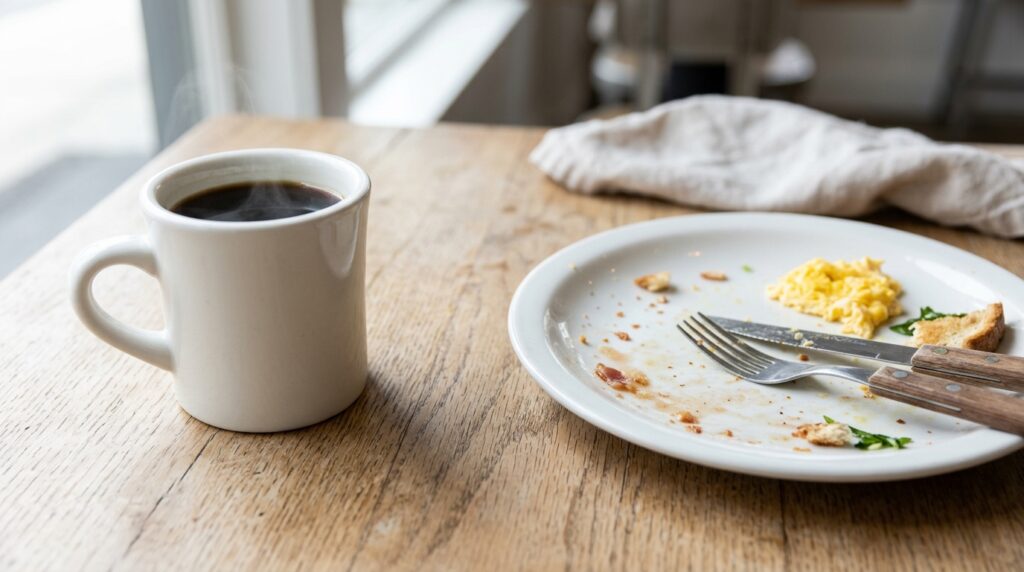
Coffee and black tea contain tannins and polyphenols that can inhibit the absorption of non-heme iron and certain other minerals when consumed with or immediately after meals. Waiting at least one hour after eating before drinking coffee or tea is a simple adjustment that can make a real difference, especially for those at risk of iron deficiency.
For more strategies on getting the most out of plant-based nutrition, you may also find our article on how to get enough protein on a plant-based diet helpful.
6. Support Your Gut Health with Probiotics
A healthy gut lining and a diverse microbiome are essential for efficient nutrient absorption. Gut inflammation, imbalanced gut bacteria, or a damaged intestinal lining can reduce your body’s ability to absorb vitamins and minerals even when your diet is excellent. Including probiotic-rich foods like yogurt, kefir, kimchi, and sauerkraut regularly helps maintain a healthy gut environment.
7. Chew Your Food Thoroughly
Digestion begins in the mouth. Thorough chewing breaks food into smaller particles, increases surface area for digestive enzymes to work, and signals your stomach to produce adequate acid. People who eat quickly and chew minimally often absorb less nutrition from their meals. Taking time to chew each bite properly is one of the simplest habits with real nutritional benefits.
8. Manage Stress at Mealtimes
Chronic stress activates the sympathetic nervous system, which reduces digestive enzyme production, slows gut motility, and impairs nutrient absorption. Eating while stressed, distracted, or on the go means your digestive system is not functioning optimally. Sitting down, taking a few slow breaths before eating, and minimizing distractions during meals can meaningfully support better digestion and absorption.
9. Stay Well Hydrated
Adequate hydration is essential for the proper function of the digestive system. Water helps dissolve water-soluble vitamins and minerals so they can be transported across the intestinal wall and into the bloodstream. Dehydration can slow digestion and impair the overall absorption process. Drinking water throughout the day rather than in large amounts only at meals supports consistent digestive function.
10. Choose Whole Foods Over Highly Processed Options
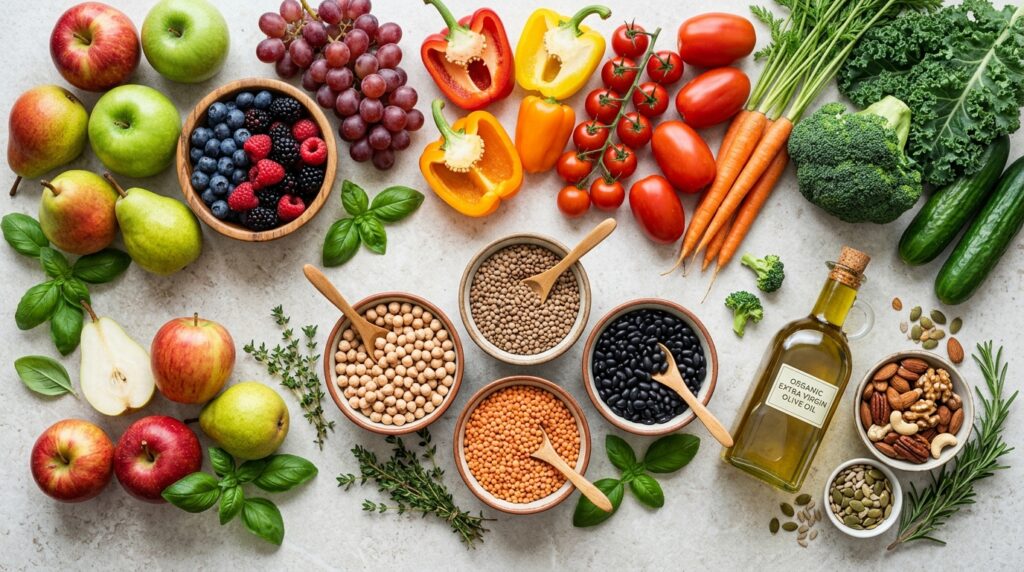
Whole foods contain their nutrients in forms that the body is designed to absorb. Ultra-processed foods often contain compounds that interfere with digestion and may lack the cofactors that help nutrients work synergistically. Building meals around whole grains, vegetables, fruits, legumes, and quality proteins gives your body a more complete nutritional package that is easier to absorb and use effectively.
Conclusion
Improving nutrient absorption is not about eating more but about eating smarter. Thoughtful food pairings, proper cooking methods, a healthy gut, and mindful eating habits all contribute to getting more out of every meal you prepare. Small, consistent changes to how you eat can have a compounding effect on your energy, immunity, and long-term health. The goal is to make your nutritious choices count as fully as possible.
Frequently Asked Questions
Does cooking destroy vitamins in vegetables? Some heat-sensitive vitamins like vitamin C and certain B vitamins can be reduced by cooking. However, cooking also increases the bioavailability of other nutrients like lycopene in tomatoes and beta-carotene in carrots. Gentle steaming tends to preserve the most nutrients overall while still improving digestibility.
How does gut health affect nutrient absorption? The gut lining acts as a selective barrier that allows nutrients to pass into the bloodstream. When the gut lining is inflamed or the microbiome is imbalanced, this process becomes less efficient. Supporting gut health with probiotic and prebiotic foods helps maintain the conditions needed for optimal absorption.
Can taking supplements replace poor absorption from food? Supplements can help fill specific gaps but are generally less bioavailable than nutrients from whole foods. They also lack the synergistic compounds found in natural food sources. Improving dietary habits and gut health provides a more complete and sustainable nutritional foundation than supplementation alone.