Introduction
Stress is a physiological state as much as a psychological one. When the body perceives a threat — whether real or perceived — it triggers a cascade of hormonal responses involving cortisol and adrenaline that affect the brain, gut, immune system, and cardiovascular function. What most people do not realize is that specific nutrients play a direct role in how quickly and effectively the body can return to a calm baseline after a stress response.
Eating the right foods does not eliminate stress, but it meaningfully supports the body’s ability to manage it, recover from it, and prevent it from becoming chronic. This guide explores the best foods for stress relief and relaxation, and the specific nutritional science behind each one.
Why Nutrition Shapes the Stress Response
The stress response is regulated primarily by the hypothalamic-pituitary-adrenal (HPA) axis — a system that depends heavily on micronutrients to function properly. Magnesium, B vitamins, vitamin C, and omega-3 fatty acids are all involved in regulating cortisol production, supporting the parasympathetic nervous system, and synthesizing the neurotransmitters that promote calm. When these nutrients are depleted — which stress itself accelerates — the HPA axis becomes dysregulated, making stress responses more intense, longer-lasting, and harder to recover from. Replenishing these nutrients through food is a foundational part of long-term stress resilience.
1. Dark Leafy Greens
Magnesium is one of the most critical nutrients for stress regulation, and dark leafy greens — spinach, Swiss chard, and kale in particular — are among the richest dietary sources available. Magnesium acts as a natural calcium channel blocker in the nervous system, preventing overstimulation of stress pathways and promoting relaxation of both muscles and the mind. Chronic stress depletes magnesium reserves rapidly, creating a vicious cycle where stress reduces magnesium and low magnesium amplifies stress sensitivity. A daily serving of cooked greens is one of the most practical and effective dietary habits for supporting baseline stress resilience.
2. Fatty Fish
EPA, one of the two primary long-chain omega-3 fatty acids in fatty fish, has been shown in clinical research to reduce cortisol secretion in response to psychological stress. It does this by modulating the inflammatory pathways that amplify the HPA axis response. Studies involving medical students, for example, found that regular omega-3 supplementation significantly reduced both anxiety symptoms and cortisol levels during high-stress exam periods. Incorporating salmon, mackerel, or sardines two to three times per week provides consistent cortisol-modulating support through one of the most evidence-backed nutritional pathways available.
3. Chamomile Tea
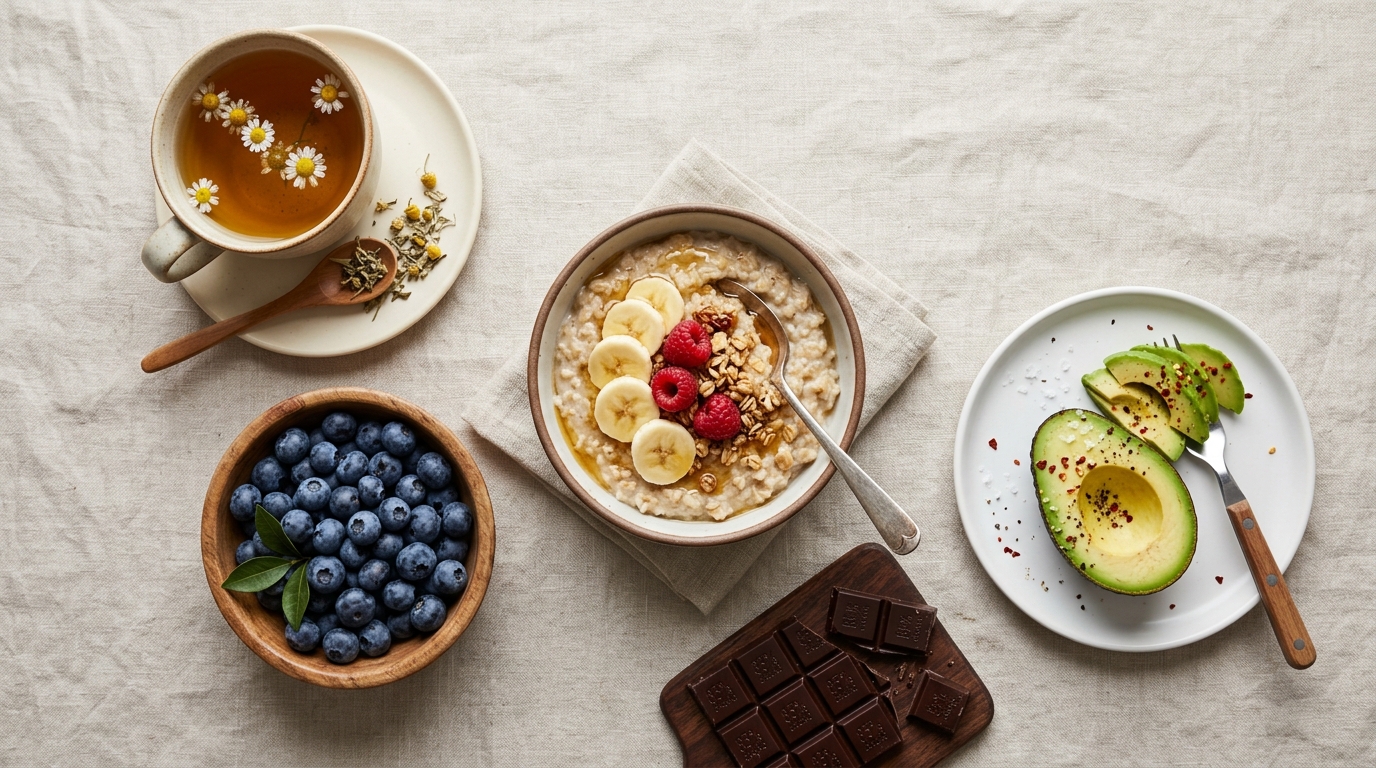
Chamomile contains apigenin, a flavonoid that binds to benzodiazepine receptors in the brain — the same receptors targeted by certain classes of anti-anxiety medication — producing a mild calming effect without sedation. Clinical trials have found chamomile extract to be significantly more effective than placebo in reducing symptoms of generalized anxiety disorder over an extended period. Replacing an afternoon coffee or evening beverage with chamomile tea is a simple, accessible, and pleasantly ritualistic way to activate the body’s relaxation pathways through food rather than pharmaceuticals.
4. Oats
Complex carbohydrates found in oats stimulate the production of serotonin — the neurotransmitter most associated with feelings of calm, contentment, and emotional stability. Unlike simple carbohydrates, which cause rapid blood sugar spikes followed by crashes that worsen mood and stress reactivity, oats release glucose gradually into the bloodstream, maintaining the steady energy supply the brain needs to regulate emotions effectively. Oats are also a good source of magnesium and B vitamins, further supporting their role as a foundational stress-resilience food.
5. Blueberries
The antioxidants in blueberries — particularly anthocyanins — reduce oxidative stress throughout the body, including in the brain regions most involved in emotional regulation such as the amygdala and prefrontal cortex. Chronic psychological stress dramatically increases oxidative load, and a diet consistently low in antioxidants allows this damage to accumulate. Research has shown that regular berry consumption is associated with lower cortisol reactivity and improved mood stability. Blueberries are one of the most enjoyable and accessible ways to provide the antioxidant defense the stress-exposed brain requires.
For more information on how diet shapes the brain’s response to stress and anxiety, our article on the best foods for reducing anxiety naturally offers a detailed companion guide with additional food strategies.

6. Dark Chocolate
Moderate consumption of dark chocolate has been shown in clinical research to reduce urinary cortisol levels and improve mood in individuals experiencing chronic stress. The flavonoids in dark chocolate reduce neuroinflammation, while its magnesium content supports nervous system regulation. Dark chocolate also stimulates the release of endorphins and serotonin, producing a mild but genuine mood-elevating effect. One to two squares of high-quality dark chocolate — at least 70 percent cocoa — consumed as a mindful daily ritual provides meaningful physiological support for stress management without excess caloric intake.
7. Avocado
Avocados are rich in potassium — with more per serving than bananas — as well as B vitamins and monounsaturated fats that support adrenal function and cardiovascular resilience under stress. Potassium helps regulate blood pressure, which tends to rise during acute stress responses. B vitamins, particularly B5 (pantothenic acid), are directly involved in adrenal hormone synthesis and are depleted significantly during periods of chronic stress. The healthy fats in avocado also support the absorption of fat-soluble nutrients involved in cortisol regulation, making it a particularly well-rounded food for stress management.
8. Fermented Foods
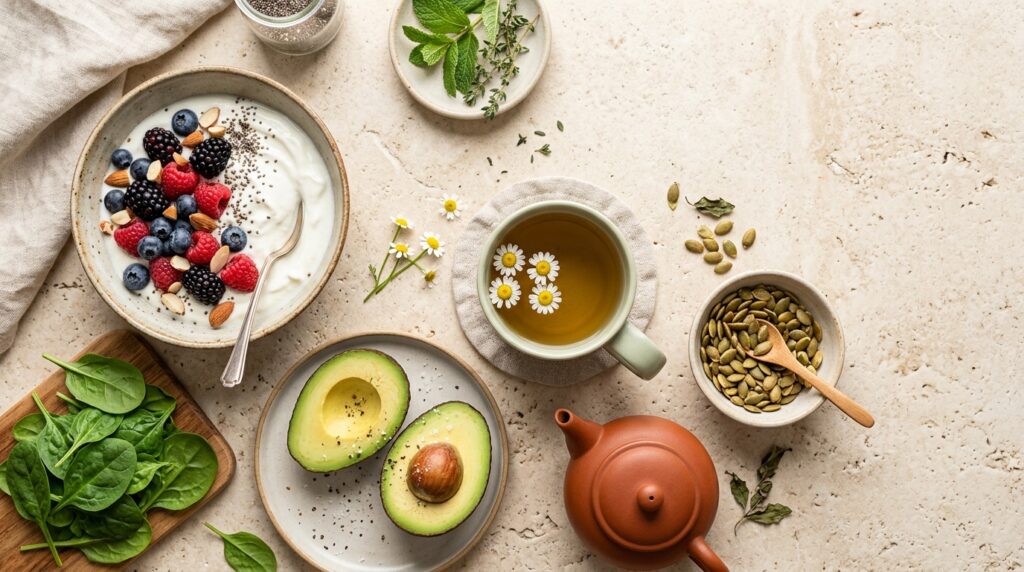
The gut-brain axis plays a central role in emotional regulation, and fermented foods — yogurt, kefir, kimchi, miso, and sauerkraut — directly support the microbiome that drives this communication. A diverse and balanced microbiome produces GABA and serotonin, reduces systemic inflammation, and modulates the HPA axis stress response. Research has shown that individuals with higher microbiome diversity consistently report lower perceived stress and better emotional regulation. Adding one serving of fermented food daily is a foundational practice for anyone seeking to build long-term resilience against chronic stress.
9. Pumpkin Seeds
Beyond their value for brain fog and cognitive clarity, pumpkin seeds are one of the best dietary sources of zinc — a mineral that plays a critical and underappreciated role in stress regulation. Zinc modulates the HPA axis directly and has been shown to reduce anxiety-like behaviors in animal studies and improve mood outcomes in clinical research with humans. It also supports immune function, which tends to be suppressed during periods of chronic stress. A daily handful of pumpkin seeds addresses zinc, magnesium, and tryptophan needs simultaneously, making it one of the most efficient stress-support snacks available.
10. Green Tea
Green tea contains L-theanine, an amino acid that promotes the production of alpha brain waves — the neural oscillations associated with a state of calm alertness that is fundamentally incompatible with acute anxiety and stress. L-theanine has been shown in multiple studies to reduce perceived stress and improve focus without causing drowsiness. Combined with the modest caffeine content of green tea, L-theanine produces a uniquely balanced cognitive state that is sharper and more sustained than caffeine alone without the accompanying anxiety or energy crash. Two to three cups of green tea daily is one of the most evidence-supported dietary habits for managing daily stress.
Conclusion
The foods you eat every day either build your capacity to handle stress or quietly undermine it. Magnesium-rich greens, omega-3 fatty acids, fermented foods, and calming herbal teas all work through distinct but complementary mechanisms to regulate cortisol, support the nervous system, and strengthen the gut-brain pathways that determine emotional resilience. Building a daily dietary pattern around these foods does not remove stress from life, but it meaningfully raises the threshold at which stress begins to overwhelm the system — and that makes all the difference.
Frequently Asked Questions
Can eating certain foods reduce cortisol levels? Yes, certain foods and nutrients have been shown in clinical research to directly influence cortisol production. Omega-3 fatty acids — particularly EPA from fatty fish — have demonstrated the ability to reduce cortisol secretion during psychological stress. Dark chocolate has been shown to lower urinary cortisol in chronically stressed individuals. Magnesium, found in leafy greens and pumpkin seeds, helps regulate the HPA axis that controls cortisol release. While food alone cannot eliminate stress, consistent intake of these nutrients can meaningfully lower the body’s baseline stress hormone levels.
How does sugar worsen stress? High sugar intake disrupts blood sugar regulation, causing the rapid energy spikes and crashes that directly increase irritability, anxiety, and stress reactivity. Sugar also depletes magnesium and B vitamins — the same nutrients essential for stress regulation — through its metabolic processing. Additionally, excess sugar promotes gut dysbiosis by feeding harmful bacterial strains, which in turn disrupts the gut-brain axis and impairs the serotonin and GABA production needed for calm. Reducing added sugar is one of the most impactful single dietary changes for improving stress resilience.
Does caffeine make stress worse? Caffeine stimulates cortisol and adrenaline release, which can amplify stress responses and increase anxiety, particularly when consumed in excess or on an empty stomach. For individuals already experiencing high stress, reducing caffeine intake — especially after midday — can meaningfully reduce baseline tension and improve sleep quality. Green tea offers a practical alternative, providing modest caffeine alongside L-theanine, which counteracts many of caffeine’s more anxiogenic effects.
Related Articles
- Best Foods for Reducing Anxiety Naturally
- The Brain-Gut Connection: How Your Diet Affects Your Mind
- Best Foods for Mental Clarity