Introduction
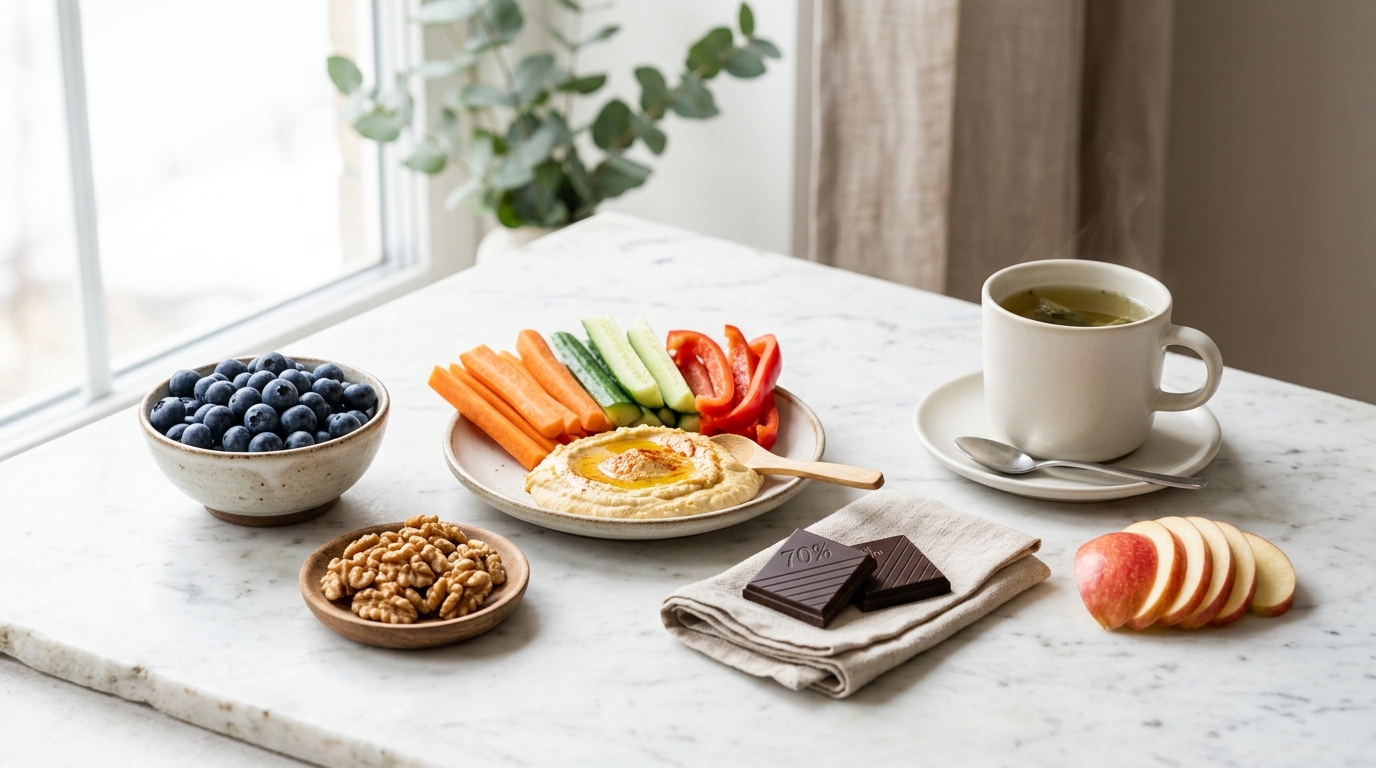
Snacking is one of the most common habits in modern eating culture, and it is also one of the most significant opportunities to either support or undermine the anti-inflammatory goals of your overall diet. Most commonly available snacks — chips, crackers, cookies, candy bars, and commercial granola bars — are loaded with refined carbohydrates, added sugars, refined seed oils, and artificial additives that collectively promote rather than reduce inflammation. Replacing these with genuinely anti-inflammatory snacks changes the biochemical environment between meals, maintaining lower inflammatory signaling throughout the entire day rather than only during main meals.
Why Snack Choices Have a Bigger Impact Than Many Realize
Many people who eat generally healthy main meals undermine their anti-inflammatory efforts through poor snack choices. The body’s inflammatory state is a composite of its entire dietary intake, not just a few meals per day. Research on dietary patterns and inflammation consistently shows that the frequency and consistency of anti-inflammatory food consumption matters — more frequent anti-inflammatory exposure through both meals and snacks produces greater cumulative benefits than the same anti-inflammatory foods consumed only at mealtimes.
10 Best Anti-Inflammatory Snacks
1. Walnuts
A small handful of walnuts is one of the most nutritionally dense and anti-inflammatory snacks available. Walnuts provide ALA omega-3 fatty acids, polyphenols, vitamin E, and magnesium — a combination that reduces systemic inflammation, lowers oxidative stress, and supports cardiovascular health. Research specifically examining walnut snacking has found reductions in inflammatory biomarkers in individuals who substitute walnuts for conventional snack foods.
Walnuts are also satisfying because of their protein and fat content, which helps prevent the blood sugar fluctuations associated with inflammatory snacking. A one-ounce portion — roughly 12 to 14 walnut halves — is the ideal daily snack serving.
2. Fresh Blueberries
A cup of fresh or thawed frozen blueberries makes an exceptionally simple and powerful anti-inflammatory snack. Their anthocyanins begin exerting measurable effects on inflammatory markers relatively quickly after consumption, making blueberries effective as a between-meal anti-inflammatory dose. Their modest natural sugar content, combined with their fiber, produces minimal blood sugar disruption.
Blueberries can be eaten on their own, paired with a small amount of unsweetened Greek yogurt, or combined with a handful of walnuts for a snack that simultaneously addresses inflammation through multiple nutritional pathways.
3. Dark Chocolate with Walnuts
Two squares of dark chocolate (70 percent cocoa or higher) paired with a small handful of walnuts creates a satisfying, genuinely enjoyable anti-inflammatory snack. The flavanols in dark chocolate improve blood flow, reduce inflammatory cytokine production, and support a positive mood. Combined with the omega-3s and polyphenols in walnuts, this pairing provides a comprehensive anti-inflammatory snack that feels indulgent without derailing an anti-inflammatory diet.
Choosing chocolate with 85 percent cocoa provides even higher flavanol content, though the flavor is more intensely bitter. Gradually increasing cocoa content over time allows the palate to adapt.
4. Hummus with Raw Vegetables
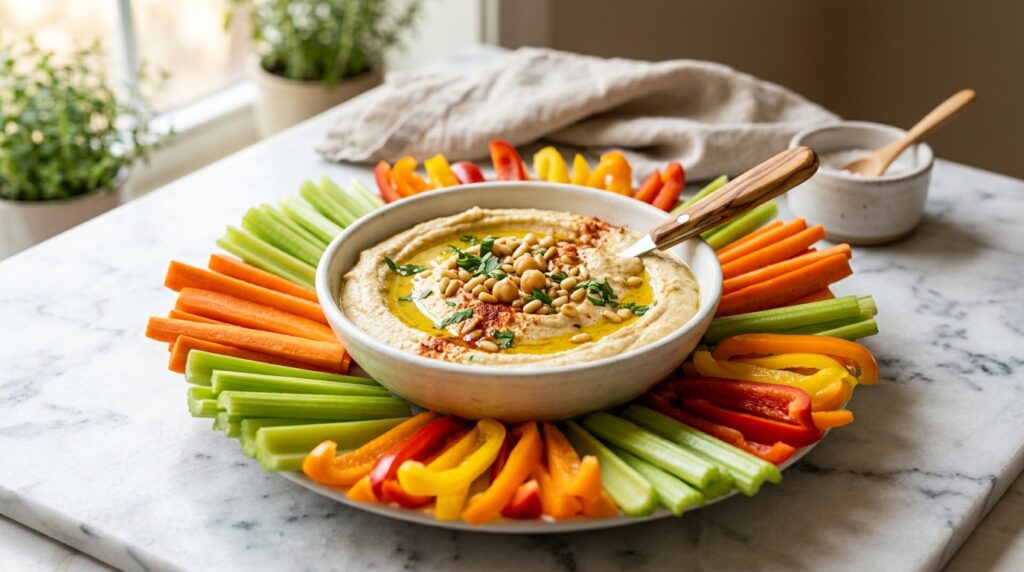
Hummus is made from chickpeas, tahini, olive oil, lemon juice, and garlic — each of which contributes anti-inflammatory compounds. Chickpeas provide fiber and plant protein that support gut health and stable blood sugar. Tahini provides sesame lignans with anti-inflammatory properties. Olive oil provides oleocanthal and monounsaturated fats. Garlic provides allicin.
Pairing hummus with raw vegetables like carrots, celery, bell peppers, cucumber, and broccoli florets adds further anti-inflammatory benefit through carotenoids, vitamin C, and sulforaphane. This snack provides satisfying crunch and volume that makes it genuinely filling between meals.
5. Apple Slices with Almond Butter
Apple slices paired with almond butter combine the quercetin and fiber of apples with the vitamin E, monounsaturated fats, and magnesium of almonds. Quercetin is a potent flavonoid antioxidant that inhibits NF-kB signaling and reduces the production of pro-inflammatory cytokines. The fiber in apples feeds beneficial gut bacteria and slows glucose absorption.
Choosing natural almond butter without added sugar or hydrogenated oils maximizes the anti-inflammatory benefit. This snack is also highly portable and requires no refrigeration, making it practical for busy schedules.
For more ideas on building an anti-inflammatory diet throughout the day, you may also want to read our guide on Best Anti-Inflammatory Breakfast Foods.
6. Green Tea with a Small Piece of Dark Chocolate
A cup of green tea paired with one or two squares of dark chocolate provides a synergistic anti-inflammatory snack. The EGCG in green tea and the flavanols in dark chocolate both inhibit NF-kB signaling through complementary pathways. This combination also provides a gentle energy and focus boost through the moderate caffeine in green tea and the small amount in chocolate, without the inflammatory cortisol response that can accompany high-caffeine beverages.
7. Tart Cherry Juice
A small glass of tart cherry juice provides a concentrated dose of the anthocyanins specifically studied for their anti-inflammatory and analgesic effects on joint pain, exercise-induced muscle inflammation, and gout. Drinking tart cherry juice as a mid-afternoon snack is a practical way to get a therapeutic dose of these anti-inflammatory compounds between meals.
Choosing unsweetened tart cherry juice or concentrate — diluted with water if needed — avoids added sugars that would offset the anti-inflammatory benefits.
8. Mixed Berries with Greek Yogurt
A small bowl of unsweetened Greek yogurt topped with mixed fresh or frozen berries provides probiotic cultures for gut health, protein for satiety, and anthocyanins from the berries for systemic anti-inflammatory activity. The protein in Greek yogurt slows glucose absorption from the berries’ natural sugars, producing a more stable blood sugar response than berries alone.
Adding a tablespoon of ground flaxseed provides additional ALA omega-3s and lignans that further enhance its anti-inflammatory profile.
9. Avocado on Rice Cakes
Half a ripe avocado spread on two rice cakes with a pinch of sea salt and a squeeze of lemon is a quick, satisfying anti-inflammatory snack. Avocado’s monounsaturated fats and carotenoids are absorbed readily, and the combination of fat and fiber supports stable energy without blood sugar spikes. Adding a pinch of red pepper flakes provides capsaicin, and a drizzle of olive oil amplifies the oleocanthal content.
10. Edamame
Steamed edamame provides complete plant protein, fiber, folate, and isoflavones with demonstrated anti-inflammatory effects. A cup of edamame provides approximately 17 grams of protein and 8 grams of fiber, making it genuinely filling while also delivering anti-inflammatory phytoestrogens. Frozen edamame can be quickly steamed and lightly salted for a snack that is ready in minutes.
Conclusion
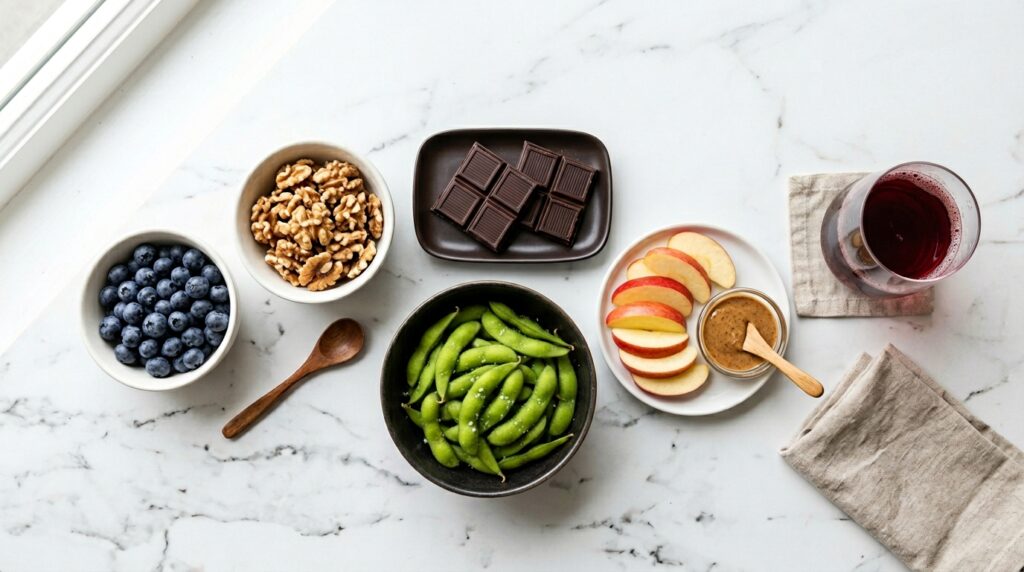
The options discussed here — from walnuts and blueberries to hummus with vegetables and tart cherry juice — are not just healthier alternatives to conventional snacks. They are actively anti-inflammatory foods that contribute to the overall reduction of systemic inflammation throughout the day. Building better snacking habits is as important as choosing better main meals, and the investment pays off in more consistent energy, better weight management, lower inflammatory markers, and reduced risk of chronic disease over the long term.
Frequently Asked Questions
Are store-bought granola bars anti-inflammatory? Most commercial granola bars are not genuinely anti-inflammatory because they typically contain significant amounts of added sugar, refined oats, and seed oils. Reading labels carefully and choosing bars with minimal added sugar, whole nuts, and seeds as primary ingredients provides better choices.
Can nuts be eaten daily as an anti-inflammatory snack? Yes. Multiple large studies have found that daily nut consumption is associated with lower inflammatory markers and reduced risk of chronic inflammatory diseases. One ounce daily is a well-studied and safe amount.
What should be avoided when snacking on an anti-inflammatory diet? The main snacks to avoid are those containing refined vegetable oils, added sugars, refined white flour, artificial flavors, and preservatives — all of which promote inflammatory signaling.
Related Articles
- 10 Best Anti-Inflammatory Foods to Eat Daily
- Best Anti-Inflammatory Breakfast Foods
- Anti-Inflammatory Diet for Beginners