Introduction
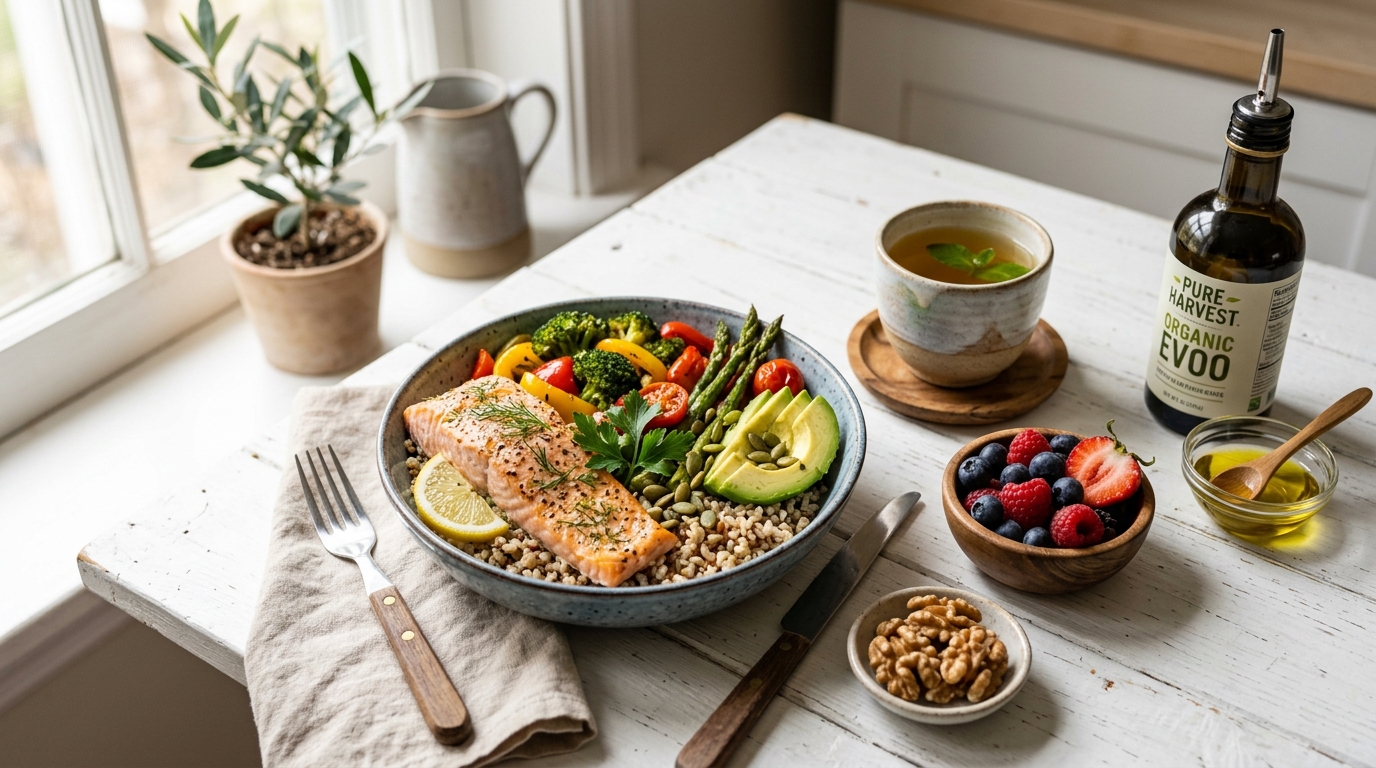
If you are new to the concept of an anti-inflammatory diet, the good news is that it is far simpler and more enjoyable than most specialized dietary approaches. It does not require strict calorie counting, the elimination of entire food groups, or expensive specialty products. At its core, an anti-inflammatory diet means consistently choosing foods that reduce chronic inflammation in the body while limiting foods that promote it. This approach draws from traditional dietary patterns — particularly the Mediterranean and MIND diets — that have been consistently associated with lower rates of chronic disease, better cognitive function, and longer, healthier lives. Small, consistent changes made over time produce far more benefit than dramatic short-term interventions.
What Is Chronic Inflammation and Why Does It Matter?
Chronic inflammation is a state of low-grade, persistent immune activation that occurs in the absence of an acute threat. Unlike the visible, temporary inflammation associated with a cut or a cold, chronic inflammation is largely silent — it causes ongoing cellular damage that accumulates over years and decades. Research has firmly established chronic inflammation as a fundamental driver of major diseases including heart disease, type 2 diabetes, certain cancers, Alzheimer’s disease, and autoimmune conditions. Diet is one of the most powerful modifiable factors influencing systemic inflammation, which is why the anti-inflammatory diet has become one of the most evidence-based dietary approaches recommended by nutrition researchers and clinicians alike.
10 Key Principles of the Anti-Inflammatory Diet for Beginners
1. Build Every Meal Around Vegetables
The foundation of the anti-inflammatory diet is vegetables — particularly dark, colorful varieties that are rich in antioxidants and anti-inflammatory phytochemicals. Spinach, kale, broccoli, sweet potatoes, bell peppers, beets, and tomatoes each contain unique compounds that reduce inflammatory signaling through different mechanisms. Aiming for at least five to seven servings of vegetables per day provides a broad spectrum of anti-inflammatory nutrients.
For beginners, the most practical approach is to make vegetables the largest component of every plate rather than a side thought. Build meals around a base of leafy greens or roasted vegetables, then add protein and healthy fats around them.
2. Eat Fatty Fish at Least Twice a Week
Incorporating fatty fish — salmon, sardines, mackerel, or herring — at least twice per week is one of the highest-priority specific food goals of the anti-inflammatory diet. The EPA and DHA omega-3 fatty acids in these fish actively resolve inflammatory processes in ways that no other food achieves as directly or effectively.
For beginners who are unfamiliar with cooking fish, canned salmon, sardines, and mackerel are inexpensive, shelf-stable options that require no preparation beyond opening a can. They can be added to salads, spread on crackers, or mixed into grain bowls for an easy weekly omega-3 habit.
3. Use Olive Oil as Your Primary Fat
Replacing butter, margarine, and refined vegetable oils with extra virgin olive oil is one of the most impactful single dietary changes available for beginners. Olive oil is the fat most consistently associated with lower inflammatory markers across dietary research, and its unique oleocanthal compound inhibits the same enzymes as ibuprofen.
Extra virgin olive oil is appropriate for cooking at moderate temperatures, salad dressings, and drizzling over finished dishes.
4. Prioritize Whole Grains Over Refined Grains
Refined grains — white bread, white rice, white pasta, most commercial baked goods — spike blood sugar rapidly and promote post-meal inflammatory responses. Whole grains — oats, quinoa, brown rice, farro, whole wheat bread — provide fiber, B vitamins, and phytochemicals that support gut health and stable blood sugar.
Starting with one substitution at a time — switching from white rice to brown rice, or from white bread to genuine whole grain bread — builds new habits gradually without overwhelming resistance.
5. Include Legumes Several Times Per Week
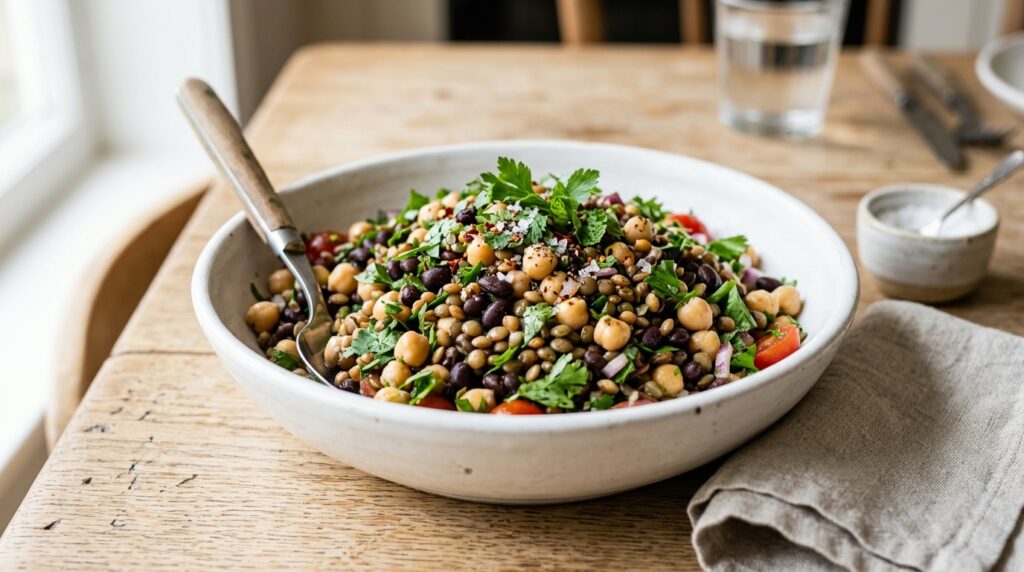
Beans, lentils, chickpeas, and other legumes provide fiber that feeds anti-inflammatory gut bacteria, plant protein that reduces dependence on inflammatory red meat, folate that supports methylation, and polyphenols that reduce systemic inflammation. Canned legumes are an extremely convenient option — rinsed to reduce sodium content and ready to add to salads, soups, and grain bowls within seconds.
For more specific food choices to get started, you may also want to read our guide on 10 Best Anti-Inflammatory Foods to Eat Daily.
6. Eat Berries Daily
Incorporating some form of berries — blueberries, strawberries, raspberries, blackberries — into daily eating is one of the most enjoyable and evidence-supported anti-inflammatory habits. Berries provide the most concentrated source of dietary anthocyanins, the flavonoid antioxidants most consistently shown to reduce inflammatory biomarkers in clinical studies.
Frozen berries are nutritionally comparable to fresh berries and often more affordable and convenient. Keeping frozen berries in the freezer and adding a handful to oatmeal or yogurt each morning is an easy entry point.
7. Add Anti-Inflammatory Spices to Every Meal
Developing the habit of using turmeric, ginger, garlic, rosemary, cinnamon, and black pepper regularly in cooking dramatically increases the anti-inflammatory density of every meal without adding calories or requiring significant effort. Keeping these spices accessible on the countertop rather than stored in a cabinet creates a visual reminder to use them.
8. Reduce Sugar and Refined Carbohydrates
Added sugars promote the formation of advanced glycation end products, increase inflammatory cytokine production, and worsen insulin resistance — all of which amplify systemic inflammation. Practical reduction strategies include eliminating sugar-sweetened beverages, choosing plain dairy products rather than flavored versions, and reading ingredient labels to identify and avoid products where sugar appears among the first three ingredients.
9. Stay Hydrated with Anti-Inflammatory Beverages
Beyond plain water, green tea, herbal teas, and tart cherry juice all provide additional anti-inflammatory compounds. Replacing sugar-sweetened soft drinks, energy drinks, and fruit juices with these anti-inflammatory alternatives removes a major pro-inflammatory input while simultaneously adding beneficial compounds.
10. Limit Red Meat and Ultra-Processed Foods
Reducing consumption of processed meats and red meat decreases intake of saturated fat and heme iron, both of which promote inflammatory processes when consumed in excess. Ultra-processed foods are consistently associated with higher inflammatory markers in population research. Replacing deli meat sandwiches with legume or salmon-based alternatives and swapping processed snacks for walnuts or vegetables with hummus creates meaningful change without demanding perfection.
Conclusion
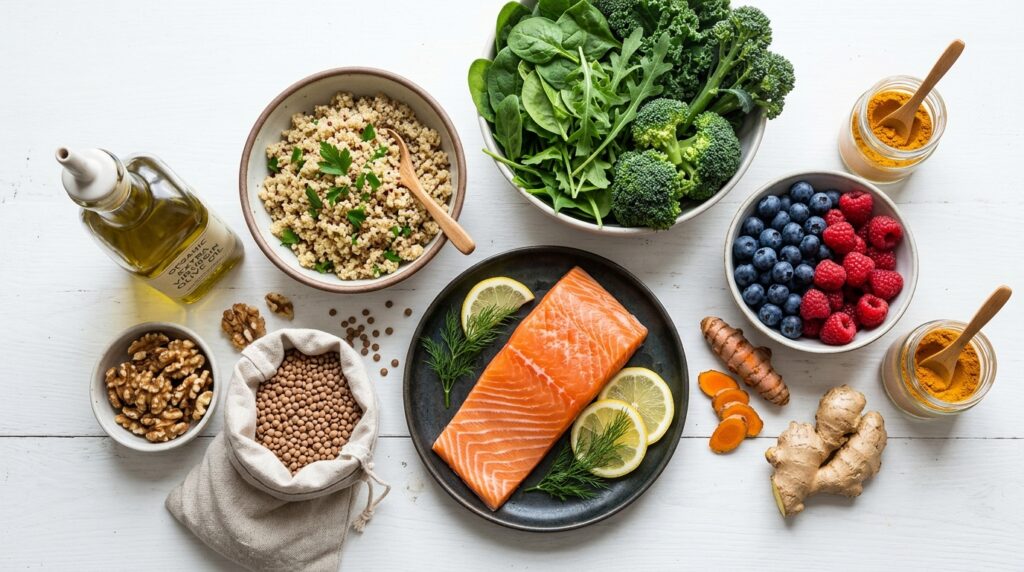
Starting an anti-inflammatory diet is not about achieving a perfect score on any nutritional checklist — it is about consistently shifting the balance of your daily food choices toward those that calm inflammation rather than fuel it. Start with two or three changes that feel most achievable, build those into consistent habits, and then add more. Within a few weeks, most people notice improvements in energy, digestive comfort, and sometimes pain levels. The anti-inflammatory diet is not a temporary intervention — it is a sustainable way of eating that supports long-term health for the rest of your life.
Frequently Asked Questions
How quickly will I notice results from an anti-inflammatory diet? Many people notice improvements in energy levels, digestive comfort, and sometimes sleep quality within one to two weeks. More significant changes in inflammatory markers and condition-specific symptoms typically require four to twelve weeks of consistent adherence.
Do I need to give up all meat on an anti-inflammatory diet? No. The anti-inflammatory diet does recommend reducing red and processed meat while increasing fatty fish and plant protein sources, but modest amounts of lean poultry and occasional red meat are compatible with an overall anti-inflammatory pattern.
Is alcohol allowed on an anti-inflammatory diet? Regular or heavy alcohol consumption clearly increases inflammation, so reduction is generally advisable. Moderate red wine consumption may have some anti-inflammatory effects due to its resveratrol content, but this is not a reason to start drinking if you currently do not.
Related Articles
- 10 Best Anti-Inflammatory Foods to Eat Daily
- Best Anti-Inflammatory Snacks
- Best Anti-Inflammatory Drinks