Introduction
Superfoods have a reputation for being expensive. Images of premium açaí bowls, rare adaptogen powders, and exotic berries priced by the ounce can make healthy eating feel financially out of reach. But the truth is that many of the most nutritionally powerful foods on the planet are inexpensive, widely available, and sitting on the shelves of your local grocery store right now.
Real nutritional power is not a luxury. Many everyday staples, foods most people already buy, qualify as genuine superfoods based on their density of vitamins, minerals, fiber, antioxidants, and other health-supporting compounds. You do not need a specialty health food store or a premium price tag to eat well.
This guide covers the best affordable superfoods at the grocery store and explains exactly why each one earns its place on this list.
Why Affordability Matters for Healthy Eating
One of the most persistent barriers to healthy eating is cost. When people perceive nutritious food as expensive, they are more likely to default to processed convenience foods that are cheaper per calorie but lower in nutritional value. The result is a diet high in refined carbohydrates and added sugars but low in the micronutrients the body needs to function well.
The good news is that whole, unprocessed staple foods are generally far more affordable per serving than packaged health foods. A pound of dried lentils, a bag of frozen spinach, or a dozen eggs provides more nutritional value per dollar than almost any supplement or specialty superfood product. Understanding which budget foods are genuinely nutrient-dense makes it easy to eat powerfully without overspending.
For more ideas on structuring a nutrient-rich daily diet, you may also find our guide on healthy eating on a budget helpful.
1. Eggs
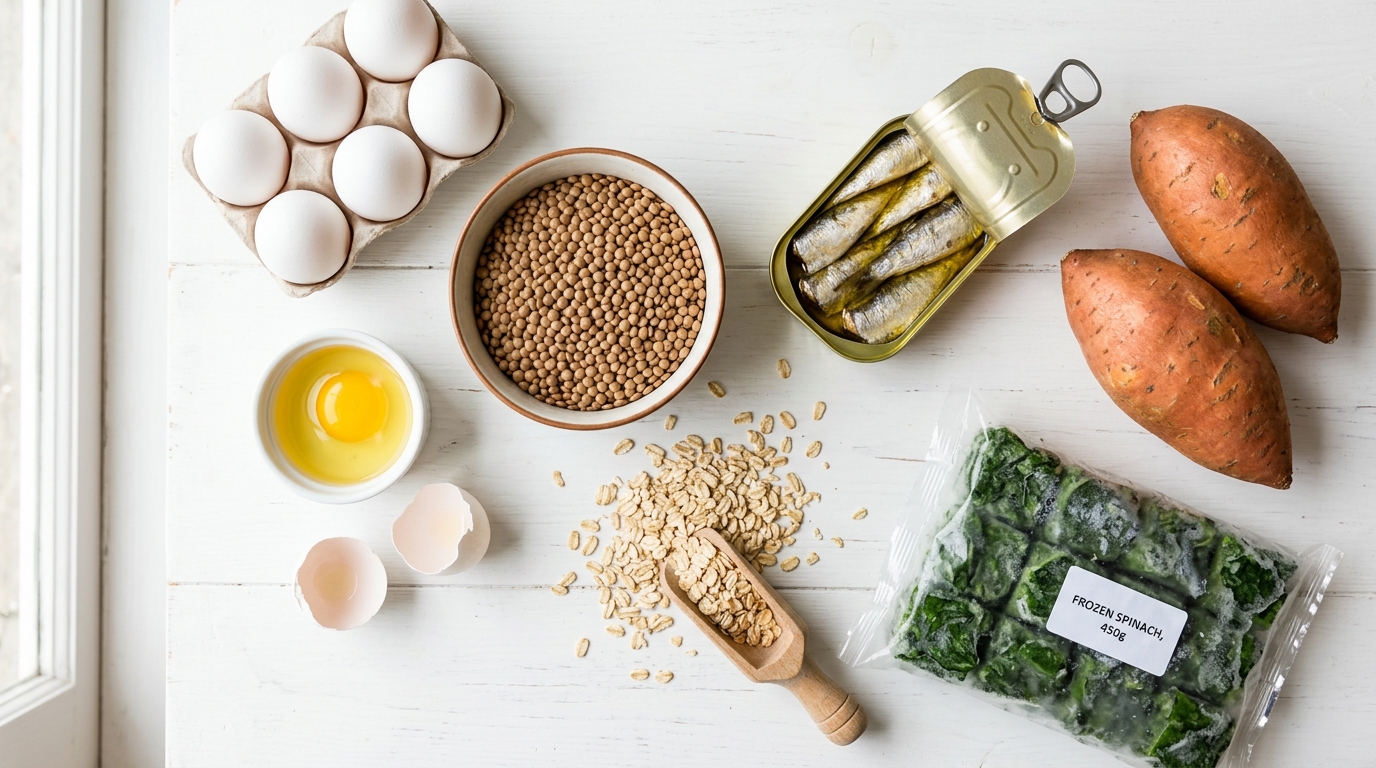
Eggs are among the most nutritionally complete and affordable foods available. A single egg contains high-quality complete protein, choline for brain health, vitamin D, vitamin B12, selenium, and lutein and zeaxanthin for eye protection, all for a fraction of the cost of most animal proteins.
Despite past concerns about dietary cholesterol, current research strongly supports eggs as a healthful food for most people. Hard-boiled eggs make convenient snacks, and eggs can serve as the protein centerpiece of any meal from breakfast through dinner at minimal cost.
2. Canned Sardines
Sardines are one of the best nutritional values in any grocery store. They are loaded with omega-3 fatty acids, complete protein, calcium from edible bones, vitamin D, vitamin B12, and selenium. Calorie for calorie, sardines rival salmon for omega-3 content at a fraction of the price.
They are also low in mercury compared to larger fish, making them safe to eat multiple times per week. Enjoy sardines on whole grain crackers, in pasta, mixed into grain bowls, or simply with lemon juice and fresh herbs. Opt for water-packed or olive oil-packed varieties.
3. Frozen Spinach
Fresh leafy greens can be expensive and go bad quickly, but frozen spinach is a year-round, budget-friendly alternative that retains virtually all of its nutritional value. Spinach is rich in iron, magnesium, folate, vitamin K, vitamin A, and a range of antioxidants including lutein and beta-carotene.
A bag of frozen spinach costs very little and can be added to soups, stews, omelets, pasta, and smoothies throughout the week with minimal preparation. It is one of the easiest and cheapest ways to significantly increase your daily micronutrient intake.
4. Oats
Rolled and steel-cut oats are among the most nutrient-dense grains available. They are rich in beta-glucan, a soluble fiber that lowers LDL cholesterol, stabilizes blood sugar, and feeds beneficial gut bacteria. Oats also provide magnesium, manganese, B vitamins, and a moderate amount of plant-based protein.
The health benefits of oats are well-supported by decades of research, and they remain one of the cheapest foods per serving in any grocery store. A large container of rolled oats provides weeks of breakfasts for a very low cost. Avoid instant oat packets with added sugar and flavorings.
5. Lentils
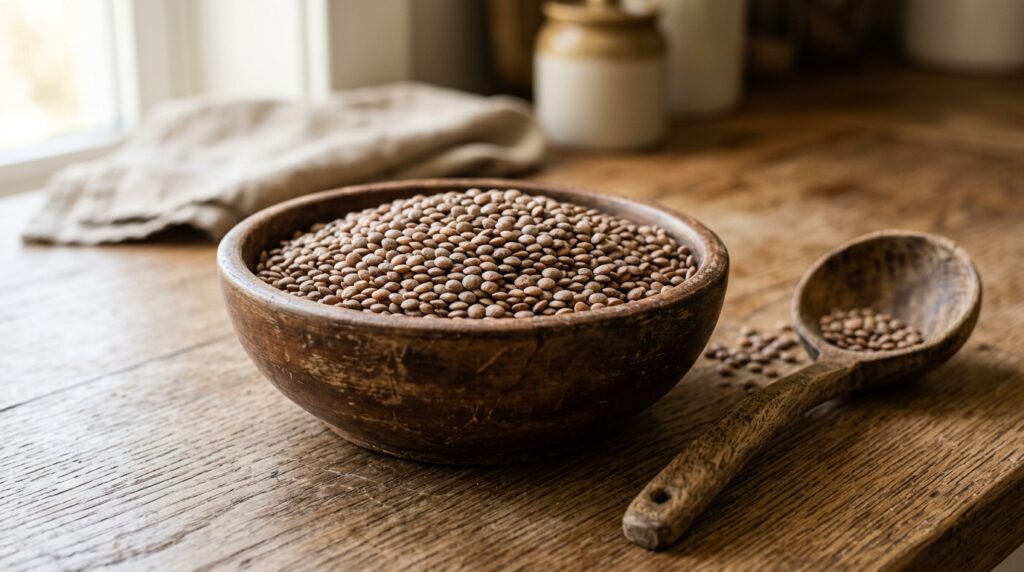
Lentils deliver a remarkable nutritional profile at one of the lowest price points of any food. They are an excellent source of plant-based protein, complex carbohydrates, iron, folate, potassium, and prebiotic fiber that supports gut health and satiety.
Unlike most other legumes, lentils do not require soaking before cooking and become tender in under 30 minutes. They can serve as the protein base for soups, stews, salads, grain bowls, or plant-based meat substitutes. A one-pound bag of dried lentils provides multiple meals for a very low cost.
6. Bananas
Bananas are a universally affordable and highly nutritious fruit. They provide potassium for muscle and heart function, vitamin B6 for energy metabolism, vitamin C, and natural sugars alongside fiber that moderates their glycemic impact.
Ripe bananas are ideal for immediate energy, while slightly underripe bananas contain more resistant starch, which acts as a prebiotic and feeds beneficial gut bacteria. Bananas can be eaten fresh, frozen for smoothies, or used in baking as a natural sweetener in place of sugar.
7. Canned Tomatoes
Canned tomatoes are a processed food that is genuinely better than fresh in one key respect: cooking and processing increases the bioavailability of lycopene, a powerful carotenoid antioxidant associated with reduced risk of prostate cancer, heart disease, and skin damage.
Canned tomatoes are also rich in vitamin C, potassium, folate, and vitamin K. They form the foundation of countless soups, sauces, stews, and curries. A can of whole or crushed tomatoes is one of the most versatile and affordable superfoods you can keep stocked in your pantry at all times.
8. Cabbage
Cabbage, particularly red and purple varieties, is extraordinarily affordable and nutritionally impressive. It provides vitamin C, vitamin K, folate, and a broad range of antioxidants including anthocyanins in red cabbage. It is also high in fiber and contains glucosinolates, compounds studied for their potential anti-cancer properties.
Raw cabbage in slaws and salads preserves the most vitamin C, while fermented cabbage as sauerkraut adds probiotic benefits. Both preparations are easy to prepare at home and cost very little per serving.
9. Sunflower Seeds
Sunflower seeds are a concentrated source of vitamin E, one of the most important fat-soluble antioxidants for protecting cell membranes from oxidative damage. They also provide magnesium, selenium, B vitamins, plant-based protein, and healthy polyunsaturated fats.
A bag of unsalted, roasted sunflower seeds is one of the best value-per-nutrient buys in the snack aisle. Sprinkle them over salads, stir them into oatmeal or yogurt, or eat them as a standalone snack between meals for a steady source of nutrients throughout the day.
10. Sweet Potatoes
Sweet potatoes are a nutritional standout among root vegetables. They are rich in beta-carotene, the precursor to vitamin A, which supports immune function, skin health, and vision. They also provide vitamin C, potassium, manganese, and B6 along with fiber that supports gut health and blood sugar stability.
Sweet potatoes are naturally sweet and satisfying, making them a versatile ingredient in both savory and sweet dishes. They can be roasted, mashed, baked whole, or cubed into soups. They are widely available year-round at low cost and store well for several weeks.
Conclusion
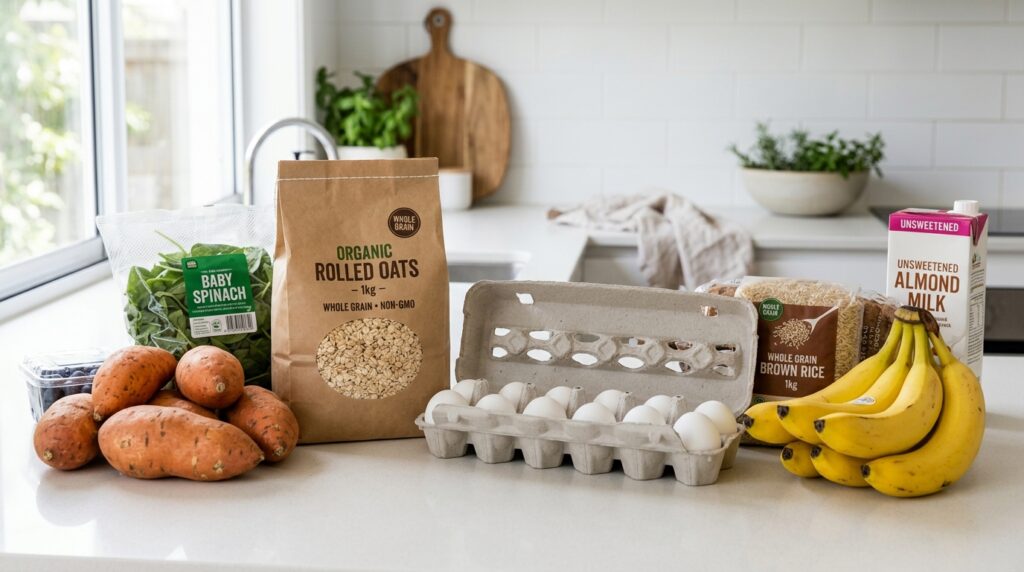
Eating like your health depends on it does not require spending like it does. The best affordable superfoods at the grocery store are the everyday staples that have powered healthy diets for centuries, long before the premium superfood trend existed. Eggs, lentils, oats, sardines, spinach, and sweet potatoes offer nutritional profiles that rival any expensive health product. Stock your pantry with these foods consistently and you will be building one of the most powerful diets available, regardless of your budget.
Frequently Asked Questions
What is the most nutritious cheap food? Eggs and lentils are among the most nutritious foods available relative to their cost. Both provide complete or near-complete protein, essential vitamins, and minerals at a very low price per serving. Frozen spinach and canned sardines are also exceptional values.
Are frozen vegetables as nutritious as fresh? In most cases, yes. Frozen vegetables are typically blanched and flash-frozen shortly after harvest, which preserves the majority of their vitamins and minerals. For most practical purposes, frozen vegetables are nutritionally equivalent to fresh and are often more economical.
Can I meet all my nutritional needs on a tight budget? A diet built around eggs, legumes, whole grains, frozen vegetables, canned fish, and seasonal produce can meet virtually all essential nutrient requirements. The key is prioritizing whole, minimally processed staples over packaged convenience foods, which are more expensive per serving and lower in nutritional density.
Related Articles
Best Superfoods for Energy and Vitality Most Powerful Antioxidant-Rich Superfoods 10 Best Superfoods You Should Eat Daily