Introduction
Breakfast sets the biochemical tone for your entire day. What you eat within the first hour or two of waking influences your blood sugar stability, inflammatory signaling, gut microbiome activity, and energy levels for hours afterward. For individuals who deal with chronic inflammation — whether from arthritis, autoimmune conditions, metabolic syndrome, or simply the wear of modern life — choosing anti-inflammatory foods at breakfast is one of the highest-leverage dietary decisions you can make. Rather than starting the day with foods that spike blood sugar and promote inflammatory cytokine production, an anti-inflammatory breakfast builds a biochemical foundation of protection that carries forward through the day.
Why Breakfast Specifically Matters for Inflammation
Research has shown that high-glycemic breakfasts — those containing refined carbohydrates, added sugars, or highly processed foods — produce measurable spikes in inflammatory markers like IL-6 and CRP within hours. Conversely, breakfasts rich in fiber, healthy fats, antioxidants, and protein produce a significantly smaller inflammatory response while providing more sustained energy and greater satiety. For those tracking inflammatory symptoms, many report that their mornings feel dramatically different when they make consistent anti-inflammatory breakfast choices.
10 Best Anti-Inflammatory Breakfast Foods
1. Oats
Whole oats are one of the most beneficial anti-inflammatory breakfast staples available. They contain beta-glucan, a type of soluble fiber that feeds beneficial gut bacteria, which in turn produce short-chain fatty acids like butyrate — compounds that actively reduce intestinal inflammation and improve immune regulation. Oats also contain a unique antioxidant called avenanthramide that has been shown to reduce the production of inflammatory cytokines in the body.
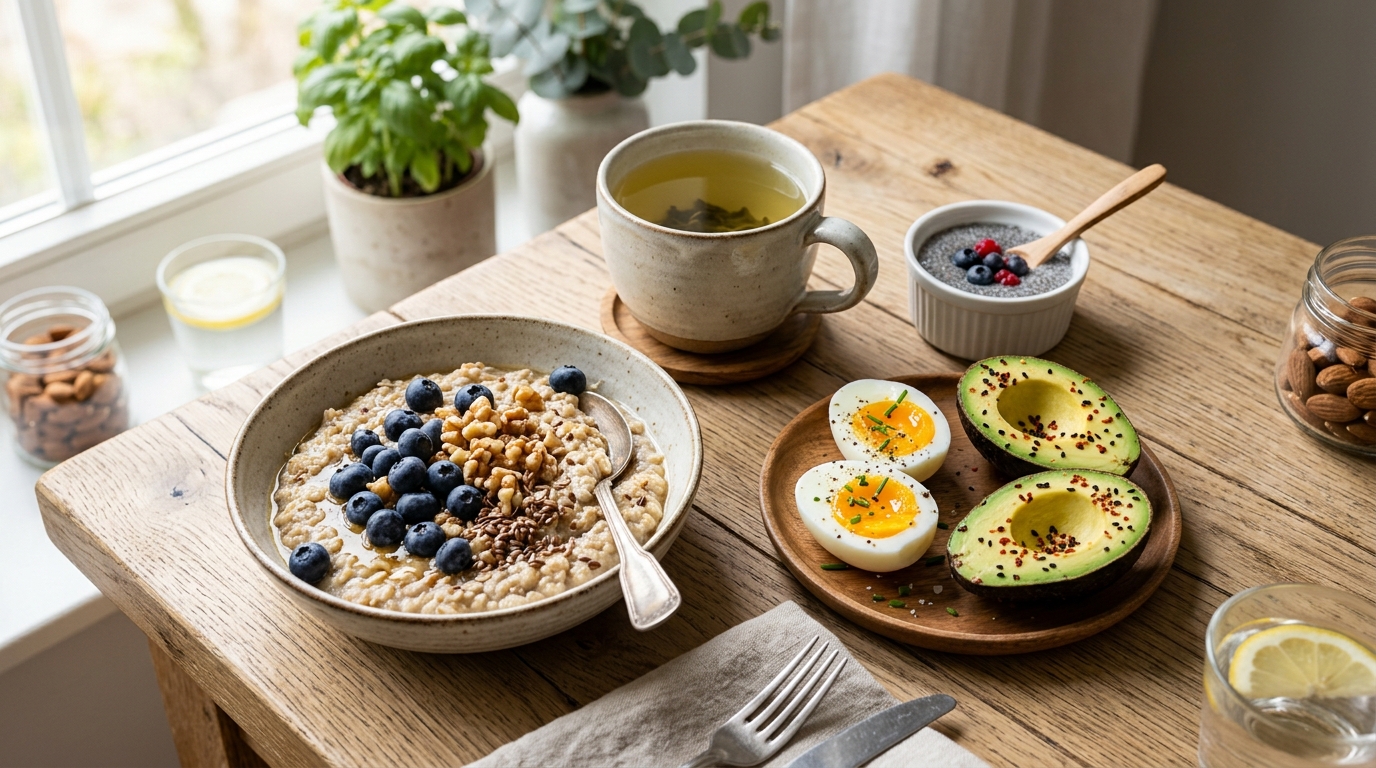
Unlike refined grain products, oats release glucose slowly, preventing the blood sugar spikes and subsequent inflammatory response associated with high-glycemic breakfasts. A bowl of steel-cut or rolled oats topped with berries, walnuts, and a drizzle of flaxseed oil creates a complete anti-inflammatory morning meal.
2. Blueberries
Adding blueberries to breakfast — whether to oatmeal, yogurt, smoothies, or on their own — is one of the simplest ways to immediately increase the anti-inflammatory value of the first meal of the day. Their anthocyanins are rapidly absorbed and begin exerting their anti-inflammatory effects relatively quickly, making blueberries particularly effective at breakfast.
Research has shown that consuming blueberries in the morning reduces post-meal oxidative stress and inflammatory markers in a way that is measurable in blood samples taken hours after eating. Both fresh and frozen blueberries are equally effective.
3. Eggs
Eggs are an excellent anti-inflammatory breakfast protein because they provide choline, selenium, and high-quality complete protein with a very favorable amino acid profile that supports the repair and protection of tissues throughout the day. Preparing eggs with anti-inflammatory accompaniments — sauteed spinach in olive oil, sliced avocado, or steamed broccoli — maximizes the anti-inflammatory potential of the meal.
Poached or soft-boiled preparations are preferable to frying in refined oils, which can generate inflammatory oxidized lipids at high temperatures.
4. Avocado
Avocado at breakfast provides a powerful combination of anti-inflammatory monounsaturated fats, carotenoids, and plant sterols. Research has shown that adding avocado to a meal significantly reduces post-meal inflammatory responses compared to meals without it, even when total calorie intake is similar.
Avocado also improves the absorption of fat-soluble carotenoid antioxidants from other foods eaten at the same meal — meaning that adding avocado to a vegetable-rich breakfast amplifies the anti-inflammatory effect of those vegetables beyond what they would provide alone.
5. Walnuts
Adding a small handful of walnuts to morning oatmeal, yogurt, or a smoothie bowl dramatically increases the anti-inflammatory value of breakfast. Walnuts are the only tree nut with a significant source of ALA omega-3 fatty acids, which are converted in the body to longer-chain omega-3s that reduce inflammatory signaling. Studies specifically examining walnut consumption at breakfast have found reductions in post-meal inflammatory markers compared to control breakfasts of similar caloric content.
For more ideas on building anti-inflammatory meals throughout the day, you may also want to explore our guide on Best Anti-Inflammatory Lunch Ideas.
6. Flaxseeds and Chia Seeds
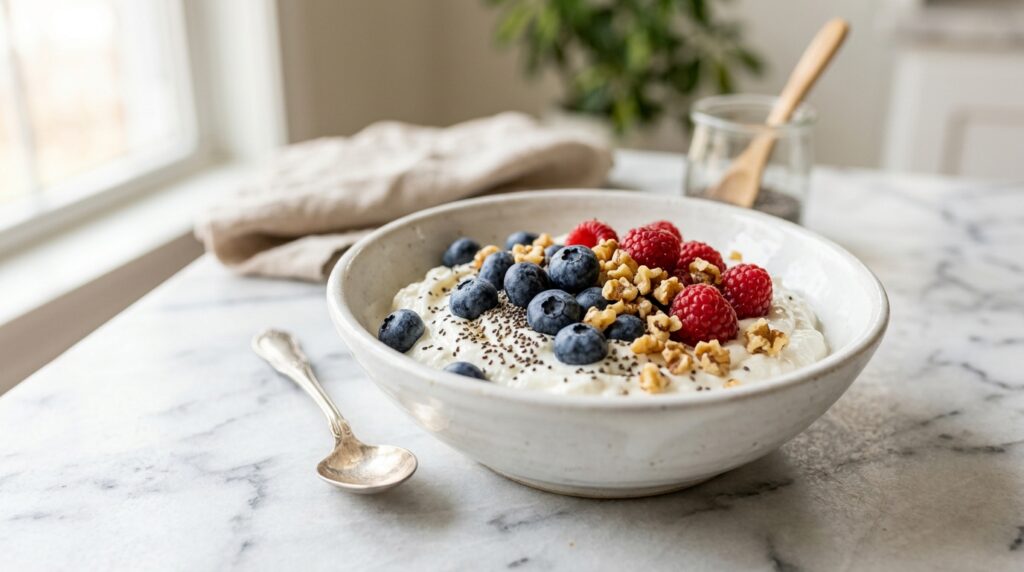
Ground flaxseeds and chia seeds are excellent anti-inflammatory breakfast additions. They are rich in ALA omega-3 fatty acids and in lignans — plant compounds with significant anti-inflammatory and antioxidant properties. Both seeds can be stirred into oatmeal, blended into smoothies, or mixed into yogurt. A tablespoon or two of ground flaxseed each day provides meaningful anti-inflammatory nutrition and also supports cardiovascular health and hormone balance.
7. Greek Yogurt
Unsweetened Greek yogurt is an excellent anti-inflammatory breakfast base because it provides both high-quality protein and live probiotic cultures. Probiotics support gut microbiome health, which is increasingly recognized as a central regulator of systemic inflammation. Choosing plain, unsweetened varieties avoids the added sugars found in flavored yogurts, which would counteract the anti-inflammatory benefits.
Topping Greek yogurt with blueberries, walnuts, and a sprinkle of ground flaxseed creates a complete, balanced anti-inflammatory breakfast in minutes.
8. Turmeric in Morning Drinks
Incorporating turmeric into morning beverages is an effective way to get a daily dose of curcumin. Golden milk — a warm drink made with plant-based or regular milk, turmeric, black pepper, and a small amount of natural sweetener — delivers meaningful anti-inflammatory benefit in an easy and enjoyable format. The fat in milk improves curcumin absorption, while piperine from black pepper enhances it by up to 2,000 percent.
9. Berries on Whole Grain Toast
Whole grain toast topped with nut butter and fresh berries combines anti-inflammatory fiber from whole grains, anti-inflammatory fats and polyphenols from nut butter, and a concentrated dose of anthocyanins from berries. Using almond butter or walnut butter rather than regular peanut butter provides more anti-inflammatory monounsaturated and polyunsaturated fats.
Choosing 100 percent whole grain bread with visible grain texture rather than commercial breads made with refined flour labeled as whole grain ensures maximum fiber and phytonutrient content.
10. Green Tea
Replacing or supplementing morning coffee with green tea at breakfast provides a gentle source of anti-inflammatory EGCG along with the calm, focused energy produced by the caffeine and L-theanine combination. Starting the day with one to two cups of green tea sets a positive anti-inflammatory tone from the first hour of waking, particularly when combined with the other foods discussed in this guide.
Conclusion
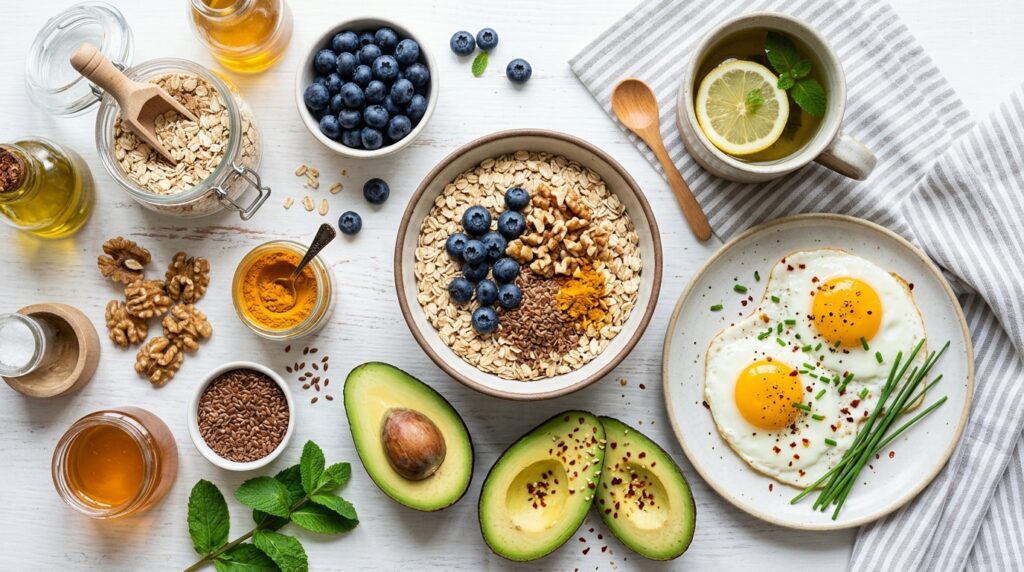
The anti-inflammatory breakfast does not need to be complex or time-consuming to be effective. The consistent combination of a few key foods — oats with berries and walnuts, eggs with sauteed greens and avocado, Greek yogurt with chia seeds and blueberries, or whole grain toast with nut butter and fruit — provides a powerful daily foundation for reducing chronic inflammation. Starting each morning with these foods creates a compounding effect over weeks and months that translates into real improvements in energy, pain levels, digestive health, and long-term disease risk.
Frequently Asked Questions
What is the best anti-inflammatory breakfast combination? A breakfast combining oats with blueberries, walnuts, and a drizzle of flaxseed oil is one of the most evidence-supported anti-inflammatory morning meals. This combination provides beta-glucan, anthocyanins, omega-3 fatty acids, and polyphenols in a single easy meal.
Are eggs anti-inflammatory or pro-inflammatory? Eggs, when consumed as part of a whole-food diet without excessive saturated fat or refined carbohydrates, are considered anti-inflammatory or neutral for most people. They provide choline, selenium, and quality protein that support overall health.
Should I avoid coffee if I have inflammation? Not necessarily. Moderate coffee consumption has actually been associated with lower inflammatory markers in many studies, likely due to its polyphenol content. However, adding large amounts of sugar or inflammatory creamers counteracts these benefits.
Related Articles
- 10 Best Anti-Inflammatory Foods to Eat Daily
- Anti-Inflammatory Foods That Fight Chronic Pain
- Best Anti-Inflammatory Lunch Ideas