Introduction
Chronic inflammation is quietly linked to some of the most common health conditions in the modern world, including heart disease, type 2 diabetes, arthritis, and cognitive decline. While medication can play a role in managing inflammation, what you eat every single day has a profound and lasting impact on your body’s inflammatory response.
The good news is that eating to reduce inflammation does not mean sacrificing flavor or spending hours in the kitchen. Anti-inflammatory eating is built around whole foods that are naturally rich in antioxidants, healthy fats, fiber, and phytonutrients. When you cook with these ingredients regularly, you are actively supporting your immune system, protecting your cells from oxidative stress, and building a foundation for long-term health.
This guide covers ten of the best anti-inflammatory recipe ideas that are simple to prepare and genuinely delicious to eat.
Why Anti-Inflammatory Recipes Matter
Inflammation is a natural immune response. When your body encounters an injury or infection, it uses inflammation to begin the healing process. The problem arises when inflammation becomes chronic and low-grade, which can happen due to poor diet, stress, lack of sleep, and environmental factors.
Certain foods like refined sugar, trans fats, processed meats, and refined carbohydrates are known to promote inflammatory pathways in the body. Anti-inflammatory foods work in the opposite direction, helping to calm the immune system and reduce the production of pro-inflammatory compounds. Incorporating these foods into your regular cooking is one of the most effective dietary strategies for protecting your long-term health.
1. Turmeric Golden Milk Oatmeal
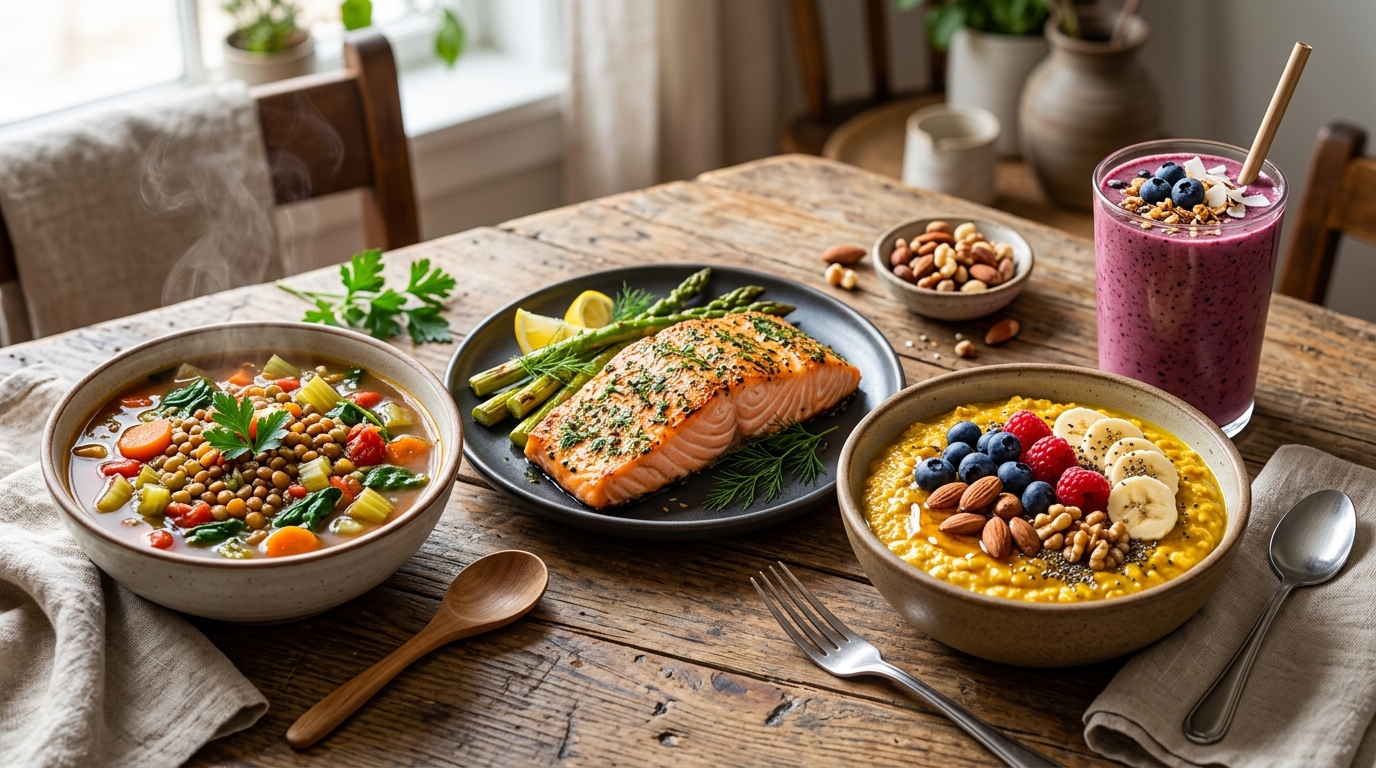
Starting your day with a warm bowl of golden milk oatmeal is a delicious way to front-load your anti-inflammatory intake. Cook rolled oats with unsweetened almond milk, a teaspoon of turmeric, half a teaspoon of cinnamon, a pinch of black pepper, and a drizzle of raw honey. Top with sliced banana and a sprinkle of walnuts. Turmeric contains curcumin, one of the most well-studied anti-inflammatory compounds in nature, and black pepper significantly enhances its absorption.
2. Salmon with Lemon and Herbs
Salmon is one of the richest dietary sources of omega-3 fatty acids, which have been extensively researched for their anti-inflammatory effects. Pan-sear or bake a salmon fillet with olive oil, fresh lemon juice, minced garlic, and a generous handful of fresh herbs like dill, parsley, or thyme. Serve alongside roasted asparagus and a scoop of brown rice for a complete, deeply nourishing meal that comes together in under 30 minutes.
3. Blueberry and Spinach Smoothie
Blueberries contain some of the highest concentrations of antioxidants of any fruit, particularly anthocyanins, which have been shown to reduce markers of inflammation. Blend one cup of frozen blueberries with a large handful of fresh spinach, half a banana, one tablespoon of flaxseed, unsweetened almond milk, and a small piece of fresh ginger. This smoothie delivers a powerful anti-inflammatory punch in a format that takes less than five minutes to prepare.
4. Lentil and Vegetable Soup
Lentils are an excellent plant-based source of protein and fiber, both of which support a healthy gut microbiome and reduce systemic inflammation. Simmer green or red lentils with diced tomatoes, carrots, celery, onion, garlic, cumin, coriander, and a splash of lemon juice in vegetable broth for about 25 minutes. This hearty soup is deeply satisfying, stores well for several days, and improves in flavor as it sits.
5. Avocado and Egg Toast on Whole Grain Bread
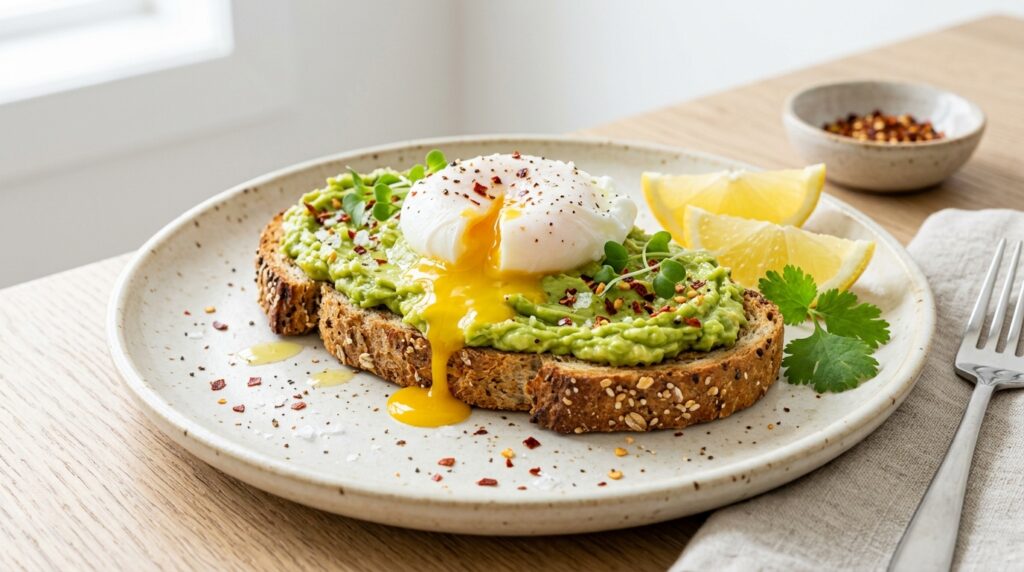
Avocados are loaded with monounsaturated fats, vitamin E, and potassium, all of which contribute to anti-inflammatory activity in the body. Mash ripe avocado onto thick-cut whole grain toast, top with a poached or soft-boiled egg, and finish with red pepper flakes, a squeeze of lemon, and a drizzle of extra virgin olive oil. This combination of healthy fats and protein makes for a breakfast or lunch that is both filling and functionally beneficial.
If you’re also looking to reduce inflammation with what you drink, you may want to read our guide on the best anti-inflammatory drinks.
6. Turmeric Roasted Cauliflower
Cauliflower is a cruciferous vegetable that contains sulforaphane, a compound linked to reduced inflammation and protection against certain chronic diseases. Toss florets in olive oil, turmeric, cumin, garlic powder, and a pinch of cayenne pepper, then roast at 425°F for 25 to 30 minutes until golden and slightly caramelized. Serve as a side dish or over quinoa with a tahini drizzle for a complete vegetarian meal.
7. Sardine and White Bean Salad
Sardines are an often-overlooked superfood that are incredibly rich in omega-3s, calcium, and vitamin D. Combine drained canned sardines with rinsed white beans, cherry tomatoes, sliced red onion, kalamata olives, fresh parsley, and a lemon-olive oil dressing. This Mediterranean-inspired salad comes together in minutes with no cooking required and provides a remarkable density of anti-inflammatory nutrients in a single bowl.
8. Ginger Carrot Soup
Ginger is a potent anti-inflammatory spice that has been used in traditional medicine for centuries. Modern research supports its ability to inhibit inflammatory markers in the body. Blend roasted carrots, sautéed onion, garlic, fresh ginger, and vegetable broth until smooth, then stir in coconut milk for a creamy, warming soup. Season with salt, pepper, and a squeeze of lime. This soup is vibrant, flavorful, and loaded with beta-carotene.
9. Cherry and Walnut Overnight Oats
Tart cherries are rich in anthocyanins and have been shown in research to reduce inflammatory markers. Combine rolled oats with unsweetened almond milk, chia seeds, a tablespoon of almond butter, frozen tart cherries, and a handful of roughly chopped walnuts in a jar. Stir well and refrigerate overnight. By morning, you have a creamy, ready-to-eat breakfast that requires zero preparation and delivers powerful anti-inflammatory nutrition.
10. Olive Oil and Herb Baked Chicken Breast
Extra virgin olive oil is a cornerstone of the Mediterranean diet, which is widely considered the most research-supported anti-inflammatory eating pattern in the world. Marinate chicken breasts in a mixture of extra virgin olive oil, fresh rosemary, thyme, minced garlic, lemon zest, and cracked pepper for at least 30 minutes. Bake at 375°F for 22 to 25 minutes. The result is a juicy, flavorful protein that pairs beautifully with roasted vegetables or a simple green salad.

Conclusion
Anti-inflammatory cooking is not about restriction. It is about choosing ingredients that work with your body instead of against it. Each recipe in this guide is built around whole, minimally processed foods that nourish your cells, support your immune system, and reduce the chronic inflammation that underlies so many modern health conditions.
Start by incorporating two or three of these recipes into your weekly routine and notice how your energy, digestion, and overall sense of wellbeing respond. The more consistently you cook with anti-inflammatory ingredients, the more lasting and meaningful your health outcomes will be.
Frequently Asked Questions
What are the most anti-inflammatory ingredients to cook with regularly? Extra virgin olive oil, turmeric, ginger, fatty fish, berries, leafy greens, garlic, and walnuts are among the most powerful anti-inflammatory ingredients you can consistently include in your cooking. Using them across multiple meals throughout the day compounds their benefits.
How quickly can an anti-inflammatory diet reduce inflammation? Some research suggests that measurable reductions in inflammatory markers can occur within just a few weeks of consistently following an anti-inflammatory diet. However, long-term results come from sustained dietary habits rather than short-term changes.
Can anti-inflammatory recipes be part of a weight loss plan? Yes. Many anti-inflammatory foods are naturally nutrient-dense and filling, which supports healthy weight management. Reducing processed foods and sugar, which are both pro-inflammatory, also tends to support gradual and sustainable weight loss.
Related Articles
Easy High-Protein Meal Prep Recipes
10 Best Anti-Inflammatory Foods
Best Spices for Reducing Inflammation