
Introduction
Sleep is not simply a period of rest — it is the brain’s primary opportunity for maintenance, repair, and consolidation of everything learned and experienced during the day. During deep sleep, the brain’s glymphatic system flushes out metabolic waste, including proteins associated with neurodegeneration. Memory traces are stabilized, emotional experiences are processed, and neurochemical balance is restored. Without adequate, high-quality sleep, cognitive performance declines rapidly — and poor diet is one of the most common and correctable reasons that sleep quality suffers.
The foods you eat in the hours before bed, and throughout the day, directly influence the hormonal and neurochemical environment that determines how easily you fall asleep, how deeply you sleep, and how effectively the brain recovers overnight.
Why Food Influences Sleep Quality
Sleep is regulated by two primary mechanisms: the circadian rhythm — the body’s internal 24-hour clock — and sleep pressure, driven by the accumulation of adenosine in the brain throughout the day. Both systems are sensitive to nutritional inputs. Melatonin, the hormone that signals the onset of sleep, is synthesized from serotonin, which is in turn derived from tryptophan — an amino acid found in food. Magnesium activates the parasympathetic nervous system and regulates GABA receptors that promote relaxation and sleep onset. Blood sugar stability, gut microbiome health, and inflammation levels all influence sleep architecture. Getting the right nutrients through food creates the biochemical conditions in which deep, restorative sleep can occur.
1. Tart Cherry Juice
Tart cherries are one of the only natural dietary sources of melatonin, the hormone that regulates the sleep-wake cycle. Multiple clinical trials have found that consuming tart cherry juice or tart cherry concentrate before bed significantly increases melatonin levels, reduces time to fall asleep, and improves total sleep duration and efficiency. Tart cherries also contain anti-inflammatory compounds that reduce the physical tension and soreness that can interfere with sleep. A small glass of tart cherry juice one to two hours before bed is one of the most evidence-supported natural sleep interventions available through diet.
2. Kiwi
Kiwi is a surprising but well-studied food for sleep improvement. A clinical study published in the Asia Pacific Journal of Clinical Nutrition found that consuming two kiwis one hour before bedtime for four weeks significantly improved sleep onset, duration, and efficiency in adults with self-reported sleep problems. Kiwi is rich in vitamin C, folate, and serotonin precursors, and its high antioxidant content may reduce the oxidative stress that disrupts sleep architecture. It is one of the most accessible and low-calorie evening food choices with direct clinical support for sleep enhancement.
3. Fatty Fish
A study conducted in Norway found that men who ate Atlantic salmon three times per week experienced significantly better sleep quality and daytime functioning than those who ate other proteins. The effect was attributed to vitamin D and omega-3 fatty acids — both of which support serotonin synthesis and regulate the inflammation that can interfere with sleep depth. DHA, the primary omega-3 in fatty fish, is also directly involved in the production of melatonin precursors within the pineal gland. Regular fatty fish consumption supports not only cognitive performance during waking hours but also the quality of recovery the brain achieves overnight.
4. Almonds
Almonds are one of the richest nut sources of magnesium — a mineral that research consistently links to improved sleep quality and longer sleep duration. Magnesium activates the parasympathetic nervous system, reduces cortisol, and enhances the activity of GABA receptors — the primary inhibitory neurotransmitter system that quiets neural activity in preparation for sleep. Low magnesium levels are associated with restless, lighter sleep and increased nighttime waking. A small handful of almonds in the evening provides a meaningful dose of sleep-supporting magnesium alongside healthy fats that sustain overnight metabolic stability.
5. Oats
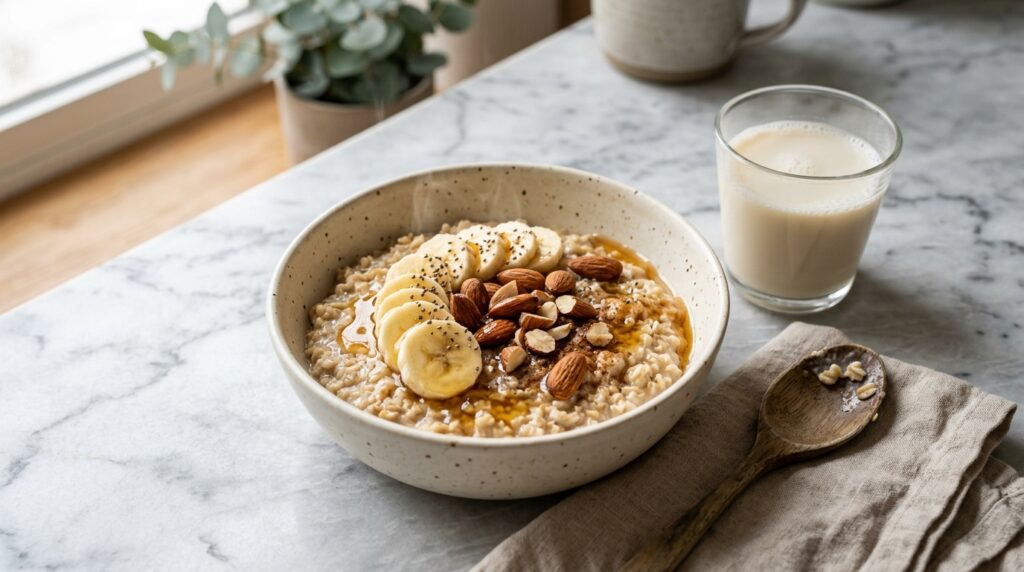
Oats are a complex carbohydrate that supports tryptophan availability in the brain by stimulating insulin release, which in turn reduces competing amino acids in the bloodstream and allows more tryptophan to cross the blood-brain barrier. This mechanism makes a small serving of oats — particularly when combined with a tryptophan-rich food like milk or nuts — a practical evening snack for supporting serotonin and melatonin synthesis before bed. Oats also provide magnesium and B6, both of which are essential cofactors in the conversion of tryptophan to serotonin.
For a broader look at how diet supports the brain during waking and resting hours, our guide on the best foods for brain health provides a comprehensive overview of the top foods for long-term cognitive wellness.
6. Warm Milk and Dairy
The traditional association between warm milk and sleep has a genuine scientific basis. Dairy products are rich in tryptophan, and the warmth of the drink promotes relaxation through a mild vasodilatory effect that mimics the body’s natural temperature drop at sleep onset. Dairy also contains small amounts of melatonin, particularly when sourced from cows milked at night. For individuals who tolerate dairy, a small warm glass of milk or a serving of plain yogurt in the evening is a simple and time-honored way to support the neurochemical conditions for restful sleep.
7. Bananas
Bananas are a convenient and accessible source of both tryptophan and magnesium, as well as potassium — which supports muscle relaxation and reduces nighttime cramping that can interrupt sleep. They also contain vitamin B6, which is the critical cofactor that converts tryptophan into serotonin and ultimately melatonin. The moderate natural sugar content of a ripe banana provides a gentle carbohydrate load that enhances tryptophan transport across the blood-brain barrier without causing a blood sugar spike significant enough to disrupt sleep. A banana consumed about an hour before bed is one of the most practical and nutritionally complete evening snacks for sleep support.
8. Herbal Teas
Chamomile, passionflower, valerian root, and lemon balm teas all contain compounds that bind to GABA receptors or otherwise support nervous system calming in preparation for sleep. Chamomile’s apigenin is the most studied, with clinical evidence supporting its role in reducing sleep latency and improving subjective sleep quality. Passionflower has been shown in clinical trials to improve sleep quality scores comparably to low-dose sedative medications without side effects. Replacing caffeinated beverages after 2 PM with herbal teas — particularly in the hour before bed — is one of the most accessible and side-effect-free nutritional strategies for improving sleep onset and depth.
9. Pumpkin Seeds
Pumpkin seeds are one of the best plant-based sources of tryptophan, providing more per serving than many protein-rich animal foods. They are also rich in zinc, which works synergistically with tryptophan and B6 to facilitate the conversion of tryptophan to serotonin and then to melatonin. Zinc deficiency is associated with disrupted sleep architecture and reduced melatonin production. A small serving of pumpkin seeds in the evening — perhaps alongside a piece of fruit to provide the carbohydrate that enhances tryptophan transport — creates an effective nutritional combination for supporting melatonin synthesis before bed.
10. Whole Grain Crackers or Toast
A small serving of complex carbohydrates in the evening — whole grain crackers, a slice of whole wheat toast, or a small bowl of brown rice — promotes serotonin synthesis through the same tryptophan transport mechanism as oats and bananas. Unlike refined carbohydrates, whole grains release glucose slowly, avoiding the blood sugar spikes that trigger alertness hormones and disrupt the transition to sleep. When combined with a tryptophan-rich topping such as nut butter, cottage cheese, or a slice of turkey, whole grain carbohydrates at dinner or as a light evening snack create an optimal neurochemical environment for deep and restorative sleep.

Conclusion
The brain’s ability to recover overnight depends on the same nutritional foundation that supports its performance during the day — and several specific nutrients play especially direct roles in sleep onset, depth, and duration. Tryptophan-rich foods, magnesium sources, melatonin-containing fruits, and calming herbal teas all contribute to the biochemical conditions that allow deep, restorative brain recovery to occur. Building evening meals and snacks around these foods is not just good sleep hygiene — it is one of the most evidence-based investments you can make in the long-term health and resilience of your brain.
Frequently Asked Questions
What is the best food to eat before bed for better sleep? Foods that combine tryptophan with a moderate carbohydrate source are particularly effective for supporting sleep onset. Examples include a banana with almond butter, whole grain toast with cottage cheese, a small bowl of oatmeal with warm milk, or a handful of pumpkin seeds with a piece of fruit. Tart cherry juice consumed one to two hours before bed is one of the most clinically validated single foods for improving melatonin levels and sleep quality. Chamomile tea is an effective calming complement to any of these options.
Does eating late at night disrupt sleep? Eating large, high-fat, or high-sugar meals close to bedtime can disrupt sleep by prolonging digestion, raising body temperature, and causing blood sugar fluctuations that interfere with sleep architecture. However, a small, sleep-supportive snack one to two hours before bed — such as those described above — can actually improve sleep quality for some individuals by preventing overnight hunger and supporting melatonin synthesis. The type and size of the late evening food matter more than the mere fact of eating before bed.
How does magnesium help with sleep? Magnesium supports sleep through several mechanisms. It activates the parasympathetic nervous system, which is responsible for the body’s rest response. It enhances the activity of GABA — the brain’s primary inhibitory neurotransmitter — which quiets neural activity and promotes relaxation. Magnesium also regulates melatonin production and reduces levels of cortisol, the stress hormone that can prevent sleep onset when elevated. Studies have found that magnesium supplementation improves sleep efficiency, sleep time, and subjective sleep quality, particularly in individuals who are deficient.
Related Articles
- Best Foods for Brain Health
- Best Foods for Reducing Anxiety Naturally
- Best Foods for Stress Relief and Relaxation