Introduction
Hormones are the body’s chemical messengers, orchestrating nearly every major function from metabolism and mood to sleep, reproduction, and immune response. When hormones are in balance, you feel energized, emotionally steady, and physically well. When they are disrupted, the effects can be wide-ranging and significantly impact your quality of life.
Diet plays a more influential role in hormonal health than many people realize. The foods you eat every day provide the raw materials your body uses to produce hormones, regulate their release, and support the organs responsible for hormonal balance. Conversely, a diet high in processed foods, refined sugars, and unhealthy fats can contribute to hormonal imbalances that show up as fatigue, mood swings, weight gain, irregular cycles, poor sleep, and more.
This guide highlights the best foods for healthy hormones and explains why each one deserves a regular place on your plate.
Why Food Choices Matter for Hormonal Health
Hormones are primarily made from fats, amino acids, and cholesterol. They are regulated by the endocrine system, which includes the thyroid, adrenal glands, pancreas, ovaries, and testes. Nutritional deficiencies, gut dysfunction, chronic inflammation, and blood sugar dysregulation can all disrupt hormonal signaling at multiple levels.
Supporting hormonal health through food means prioritizing nutrients that feed hormone production, reduce systemic inflammation, support the liver’s ability to process and eliminate excess hormones, and maintain stable blood sugar throughout the day.
10 Best Foods for Healthy Hormones
1. Avocado
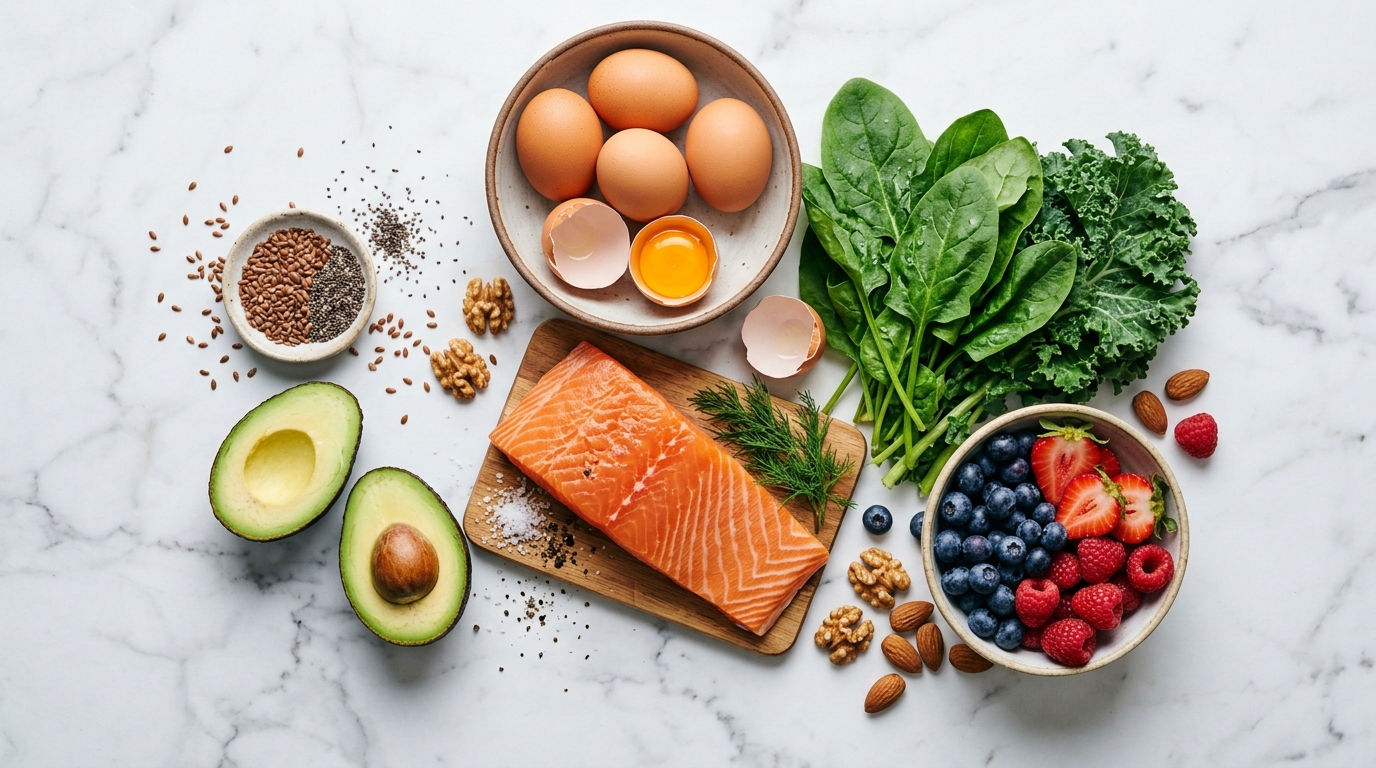
Avocado is rich in monounsaturated fats and plant-based sterols that serve as building blocks for hormone production. Hormones like estrogen, progesterone, and testosterone are all derived from cholesterol, and healthy fats are essential to that process. Avocados also provide fiber and potassium, which support adrenal and metabolic health.
2. Fatty Fish
Salmon, mackerel, sardines, and other fatty fish are among the best foods for hormonal balance because of their high omega-3 fatty acid content. Omega-3s reduce inflammatory signaling that can disrupt endocrine function, and they have been linked to improved insulin sensitivity and lower cortisol levels. Regular fatty fish consumption is associated with better hormonal outcomes across multiple systems.
3. Flaxseeds
Flaxseeds are rich in lignans, plant compounds that interact with estrogen receptors in the body and may help modulate estrogen levels. They also provide alpha-linolenic acid, a plant-based omega-3, along with fiber that supports gut health and helps the body eliminate excess hormones efficiently. Ground flaxseeds are easy to add to smoothies, oatmeal, or yogurt.
4. Cruciferous Vegetables
Broccoli, cauliflower, Brussels sprouts, and cabbage contain a compound called indole-3-carbinol, which supports the liver in metabolizing and eliminating excess estrogen. This is particularly important for conditions related to estrogen dominance. Cruciferous vegetables are also rich in fiber, vitamin C, and sulfur-containing compounds that support broader detoxification pathways.
5. Eggs
Eggs are a uniquely complete food for hormonal health. They contain high-quality protein, healthy fats, vitamin D, selenium, and choline, all of which support endocrine function. Choline in particular plays a role in liver health and hormone metabolism. The fear of eggs due to their cholesterol content has been largely revised by modern nutritional science, and their contribution to hormonal nutrition is significant.
For more information on building a nutrient-rich diet that supports hormonal health, you may also enjoy our guide on the best vitamins and minerals for overall health.

6. Nuts and Seeds
Walnuts, Brazil nuts, sunflower seeds, and pumpkin seeds provide essential fatty acids, selenium, zinc, and vitamin E that collectively support hormonal production and balance. Brazil nuts are one of the richest sources of selenium, which is essential for thyroid hormone synthesis. Including a small variety of nuts and seeds daily can meaningfully support thyroid, adrenal, and reproductive hormone health.
7. Extra Virgin Olive Oil
Extra virgin olive oil provides monounsaturated fats and potent anti-inflammatory compounds like oleocanthal that help reduce chronic low-grade inflammation, one of the key drivers of hormonal disruption. It also supports liver health, which is central to proper hormone metabolism and elimination. Using olive oil as a primary cooking fat and salad dressing is one of the most consistent dietary habits associated with hormonal wellbeing.
8. Dark Leafy Greens
Spinach, kale, arugula, and Swiss chard provide magnesium, folate, vitamin K, and iron, all of which are important for adrenal health, stress resilience, and the detoxification of excess hormones. Magnesium in particular has a well-documented calming effect on the HPA axis, the system that governs the stress hormone cortisol, making leafy greens a valuable part of any hormone-supporting diet.
9. Fermented Foods
A healthy gut microbiome is increasingly recognized as essential to hormonal health. The gut bacteria play a role in metabolizing and recirculating estrogen, producing neurotransmitters that affect mood hormones, and regulating insulin sensitivity. Probiotic-rich fermented foods like kefir, yogurt, kimchi, and sauerkraut help maintain the microbiome diversity needed for these hormonal processes to function optimally.
10. Berries
Blueberries, raspberries, strawberries, and blackberries are loaded with antioxidant compounds that protect endocrine tissues from oxidative damage and reduce the chronic inflammation that can disrupt hormonal signaling. They are also relatively low in sugar, which supports stable blood glucose, one of the most fundamental requirements for balanced hormonal function. Regular berry consumption is associated with improved insulin sensitivity and reduced cortisol reactivity.

Conclusion
Hormonal health is not determined by a single factor, but the foods you eat daily have a profound and cumulative influence on how well your endocrine system functions. Prioritizing healthy fats, quality proteins, fiber-rich plants, and fermented foods gives your body the raw materials and biological support it needs to produce, regulate, and process hormones effectively. Small, consistent dietary choices made each day are among the most powerful tools you have for achieving and maintaining hormonal balance naturally.
Frequently Asked Questions
What foods disrupt hormone balance? Foods that can negatively affect hormone balance include refined sugars, processed vegetable oils, alcohol, and ultra-processed snack foods. These can contribute to insulin resistance, increased cortisol, and liver burden, all of which interfere with healthy hormonal function.
Can diet help balance estrogen levels? Yes. Foods like cruciferous vegetables, flaxseeds, and fiber-rich whole foods support the liver and gut in processing and eliminating excess estrogen. Reducing alcohol and refined carbohydrates also reduces the demand on the liver and helps keep estrogen levels in a healthy range.
How long does it take for dietary changes to affect hormone levels? Hormonal changes in response to diet can begin within a few weeks, but meaningful shifts often take one to three months of consistent dietary changes. Gut health improvements, which are closely linked to hormonal balance, also follow a gradual trajectory that rewards sustained dietary habits over time.
Related Articles
- Best Foods High in Magnesium
- Top Signs You May Have a Nutritional Deficiency
- Best Vitamins and Minerals for Overall Health