Introduction
Irritable bowel syndrome, commonly known as IBS, is one of the most widespread digestive disorders in the world, affecting an estimated 10 to 15 percent of the global population. It is characterized by a cluster of uncomfortable symptoms including abdominal cramping, bloating, gas, diarrhea, constipation, or a combination of both — often triggered or worsened by food choices.
While IBS is a complex condition with no single cure, diet plays a central role in managing symptoms and improving daily quality of life. The right foods can soothe the digestive tract, support a healthier microbiome, and reduce the frequency and severity of flare-ups. The wrong foods, on the other hand, can make symptoms significantly worse.
This guide covers the best foods for irritable bowel syndrome based on current nutritional research, along with practical tips for eating in a way that supports your gut.
Why Diet Matters So Much for IBS
IBS is classified as a functional gastrointestinal disorder, meaning the digestive system does not function normally even though it does not show signs of structural damage. The gut in IBS is hypersensitive — it reacts more strongly to certain foods, stress, and gut bacteria than a typical digestive system would.
Research has consistently shown that dietary modifications — particularly reducing fermentable carbohydrates and increasing gut-soothing foods — can reduce IBS symptoms in a majority of patients. Understanding which foods work with your gut rather than against it is one of the most powerful tools available for managing this condition.
1. Low-FODMAP Foods
The low-FODMAP diet is currently the most evidence-backed dietary approach for IBS. FODMAPs are a group of short-chain carbohydrates that are poorly absorbed in the small intestine and rapidly fermented by gut bacteria, producing gas and drawing water into the bowel — both of which trigger IBS symptoms.
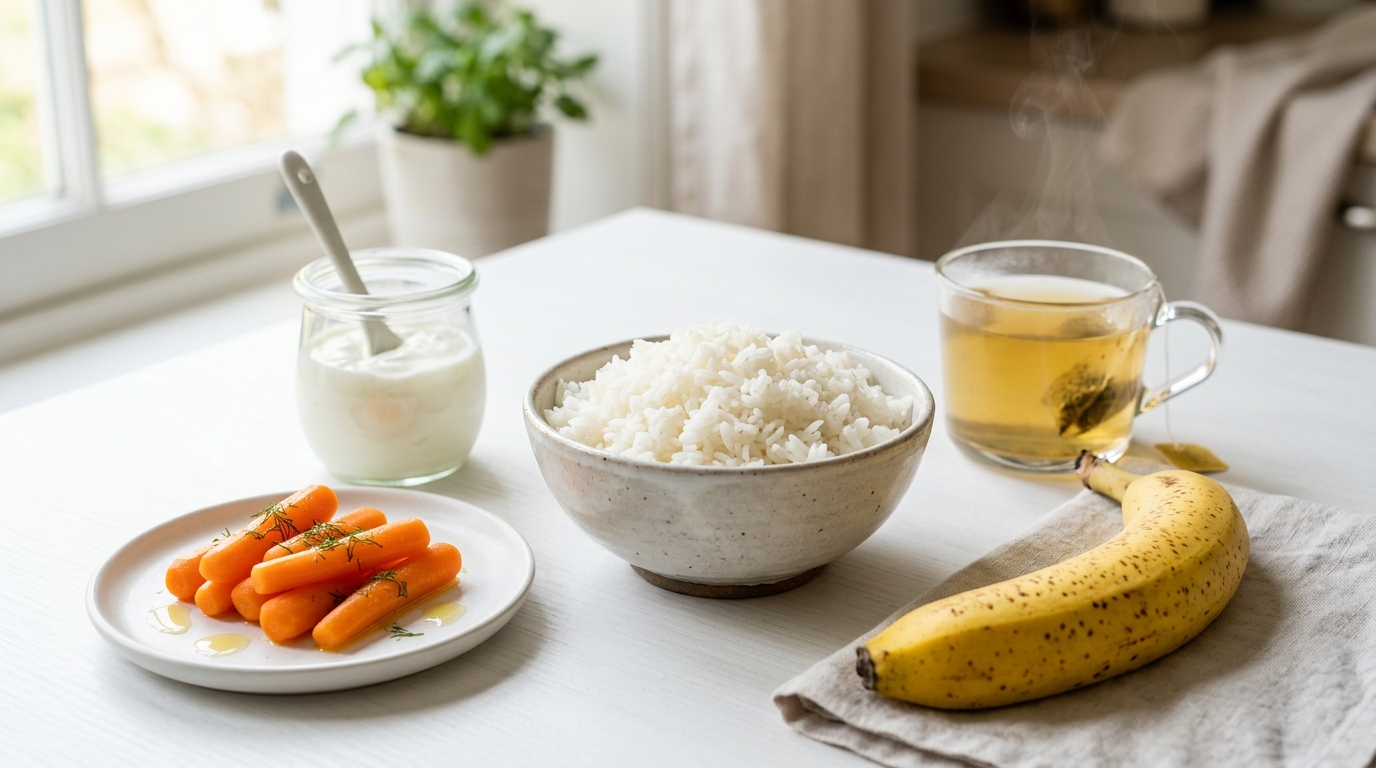
Low-FODMAP food choices include firm tofu, eggs, lactose-free dairy, rice, oats, potatoes, carrots, cucumbers, bell peppers, strawberries, grapes, bananas (unripe), and certain herbs. Starting with these foods gives the gut a chance to settle before reintroducing higher-FODMAP options.
2. Soluble Fiber Foods
Not all fiber is the same. For people with IBS, soluble fiber — which dissolves in water and forms a gel-like substance — is generally better tolerated than insoluble fiber. Soluble fiber helps regulate bowel movements, soothes the gut lining, and feeds beneficial bacteria without the excess gas that insoluble fiber can cause.
Good sources of soluble fiber include oats, psyllium husk, carrots, sweet potatoes, turnips, and the flesh of fruits like bananas and melons. Adding these gradually to the diet can help normalize bowel habits for both IBS-C (constipation-dominant) and IBS-D (diarrhea-dominant) subtypes.
3. Plain Rice and Easily Digestible Grains
Plain white rice is one of the most gentle foods for the digestive tract and is well-tolerated by most people with IBS. It is low in fiber, easy to digest, and unlikely to trigger gas or bloating. Cooked plain oatmeal, quinoa, and polenta are also generally safe choices.
These bland, starchy grains can form the base of meals during flare-ups and are particularly helpful for people whose IBS symptoms include diarrhea, as they help bulk and firm stools without irritating the gut.
4. Cooked Vegetables
Raw vegetables can be difficult to digest for people with IBS due to their high fiber and resistant starch content. Cooking vegetables — by steaming, roasting, or boiling — breaks down these compounds, making vegetables significantly easier on the digestive system.
Cooked carrots, zucchini, green beans, spinach, and pumpkin are among the best choices. These vegetables provide vitamins, minerals, and gut-supportive nutrients without the fermentation and gas that raw cruciferous vegetables like broccoli and cabbage can cause.
5. Lean Proteins
High-fat meats and fried proteins are known IBS triggers for many people. Lean proteins, on the other hand, are easy to digest and provide the amino acids needed for gut repair and overall health. Grilled chicken, turkey, fish, eggs, and firm tofu are excellent low-fat protein sources that are unlikely to provoke symptoms.
For more information on dietary strategies that promote digestive health overall, you may also want to read our guide on the best foods for gut health.

6. Probiotic-Rich Foods
Emerging research supports the use of probiotics in managing IBS symptoms. Probiotics are live beneficial bacteria that can help rebalance the gut microbiome, reduce gas production, and improve stool consistency.
Yogurt with live active cultures, kefir, and other fermented dairy products that are low in lactose may be well-tolerated by many IBS patients. Non-dairy options like low-FODMAP kombucha or lactobacillus-rich supplements may also provide benefit. It is worth noting that responses to specific probiotic strains vary by individual, so some trial and error may be needed.
7. Herbal Teas
Certain herbal teas have traditionally been used to support digestive comfort and may be especially useful for people with IBS. Peppermint tea is one of the most studied options — peppermint contains menthol, which has an antispasmodic effect on the smooth muscle of the intestinal wall, helping to reduce cramping and bloating.
Ginger tea is another well-supported option, with research showing it can reduce nausea and improve overall digestive motility. Fennel tea has also been used to relieve gas and intestinal spasms. These teas are caffeine-free and gentle on the gut, making them excellent between-meal choices.
8. Bananas (Unripe or Ripe in Moderation)
Bananas — particularly when slightly underripe — are one of the most IBS-friendly fruits. They are low in FODMAPs at moderate serving sizes, rich in soluble fiber in the form of pectin, and contain resistant starch when underripe, which acts as a prebiotic.
Bananas are also easy to carry, require no preparation, and are gentle enough to eat even during active IBS flare-ups. They work well as a snack, blended into smoothies, or added to oatmeal.
9. Olive Oil
Healthy fats like olive oil are generally well-tolerated by people with IBS and may actually benefit gut health. Extra virgin olive oil has anti-inflammatory properties and contains polyphenols that support a healthy microbiome. It is a much better cooking fat than butter, cream, or high-fat animal fats, all of which can trigger symptoms in IBS.
Using olive oil as a dressing for cooked vegetables or as a base for simple sauces adds flavor and satiety without stressing the digestive system.
10. Lactose-Free Dairy and Dairy Alternatives
Many people with IBS also have lactose sensitivity, which can significantly worsen symptoms. Switching to lactose-free milk, lactose-free yogurt, or plant-based alternatives such as almond milk, oat milk (in small amounts), or rice milk can reduce gas, bloating, and diarrhea significantly.
If you tolerate some dairy, small amounts of hard aged cheeses — which are naturally low in lactose — are generally safe. The key is to identify your personal threshold and adjust accordingly.
Conclusion
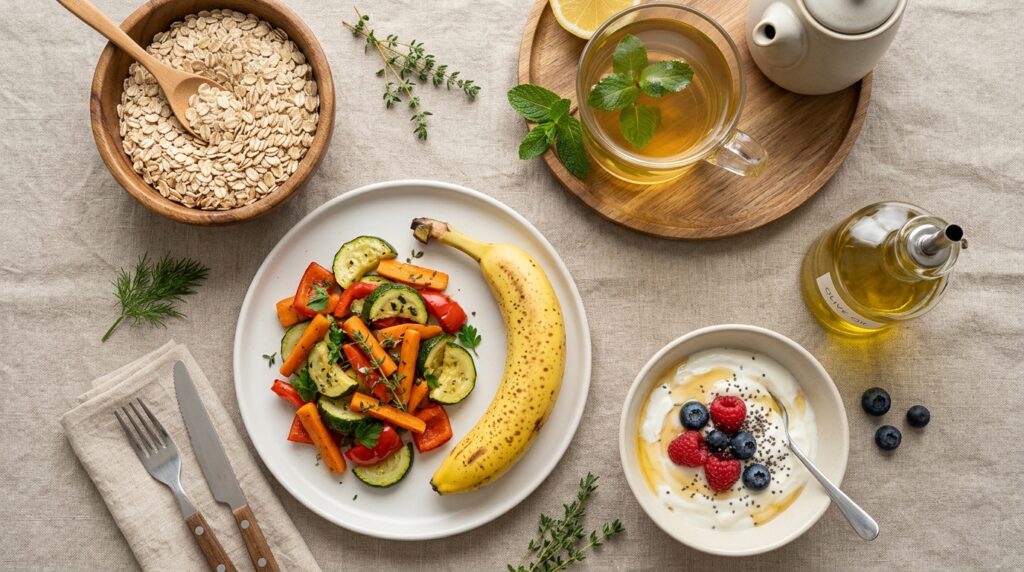
Managing irritable bowel syndrome through diet is not about following a single rigid plan — it is about identifying the foods that soothe your individual gut and reducing those that provoke symptoms. Starting with low-FODMAP foods, prioritizing soluble fiber, choosing lean proteins and cooked vegetables, and incorporating gut-supporting herbal teas can make a meaningful difference in daily comfort and quality of life.
Always consider working with a registered dietitian who specializes in gut health if you are navigating IBS, especially when following a restrictive elimination diet like low-FODMAP, which is ideally used as a short-term diagnostic tool rather than a permanent eating pattern.
Frequently Asked Questions
What is the best diet for irritable bowel syndrome? The low-FODMAP diet has the strongest research evidence for reducing IBS symptoms. It involves temporarily eliminating high-FODMAP foods and then reintroducing them one at a time to identify personal triggers. Working with a dietitian during this process is highly recommended.
Can probiotics help with IBS? Some studies have shown that certain probiotic strains can reduce bloating, gas, and abdominal pain in people with IBS. Yogurt with live cultures and probiotic supplements may offer benefit, though results vary by individual and strain. Consulting a healthcare provider before starting a probiotic regimen is advisable.
Are eggs safe to eat with IBS? Eggs are generally well-tolerated by people with IBS. They are low in FODMAPs, easy to digest, and a good source of lean protein. Fried or heavily seasoned eggs may cause issues for some individuals, so plain preparation is usually best.
Related Articles
10 Best Foods for Gut Health
Best Probiotic Foods for a Healthy Gut
How to Heal Your Gut Naturally