Introduction
Your liver is one of the hardest-working organs in your body. It filters toxins from the blood, produces bile to support digestion, regulates blood sugar, and metabolizes fats and proteins. Despite doing so much, the liver is often overlooked when it comes to nutrition and daily health habits.
The good news is that what you eat has a direct impact on how well your liver functions. Certain foods contain compounds that protect liver cells, reduce inflammation, and support the liver’s natural detoxification processes. Making small, consistent dietary changes can go a long way toward keeping this vital organ healthy for the long term.
In this article, we cover the 10 best foods for liver health backed by nutrition research and explain why each one deserves a regular place on your plate.
Why Liver Health Matters
The liver performs over 500 functions in the human body. When it becomes damaged or overloaded, toxins can build up in the bloodstream, digestion suffers, and energy levels decline. Conditions like non-alcoholic fatty liver disease (NAFLD) are increasingly common and are strongly linked to diet and lifestyle.
Supporting liver health through food does not require extreme cleanses or special supplements. A diet rich in specific nutrients — antioxidants, healthy fats, fiber, and anti-inflammatory compounds — can meaningfully reduce the burden on the liver and help it regenerate and function optimally.
10 Best Foods for Liver Health
1. Coffee
Coffee is one of the most well-researched foods for liver health. Studies have found that regular coffee consumption is associated with a lower risk of liver disease, including cirrhosis and liver cancer. Coffee contains antioxidants and compounds that reduce liver enzyme levels and limit the buildup of fat in liver cells. Two to three cups per day appears to offer the most benefit.
2. Leafy Greens
Spinach, kale, arugula, and other leafy greens are rich in chlorophyll, which may help the liver neutralize heavy metals and chemicals absorbed from food and the environment. These vegetables also provide folate, vitamin C, and fiber that support overall liver function and reduce oxidative stress on liver cells.
3. Fatty Fish
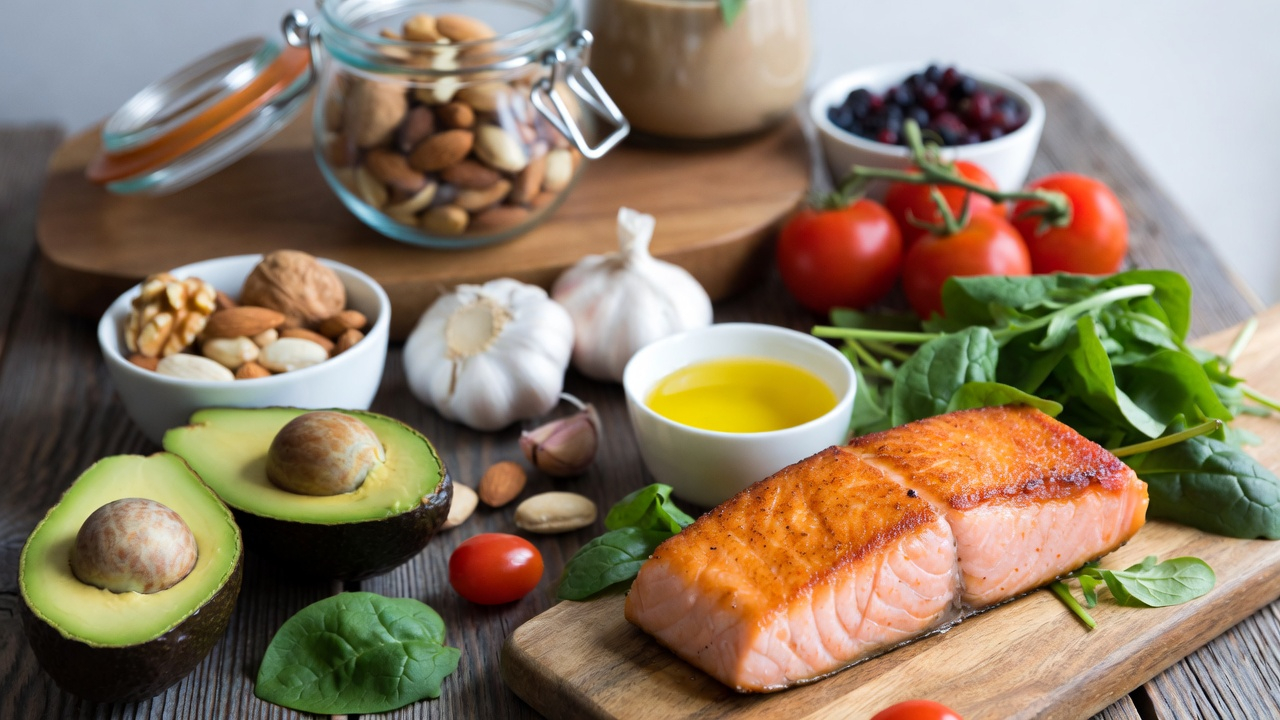
Salmon, sardines, mackerel, and trout are excellent sources of omega-3 fatty acids. These healthy fats reduce liver inflammation and help prevent the accumulation of fat in the liver. Research suggests that omega-3s can lower liver enzyme levels and reduce the risk of NAFLD progression. Aim for two servings of fatty fish per week.
4. Garlic
Garlic contains allicin and selenium, two compounds known to support liver detoxification. Allicin activates liver enzymes that help flush out toxins, while selenium is a powerful antioxidant that protects liver cells from oxidative damage. Adding garlic to cooked meals regularly is a simple and effective strategy for liver support.
5. Beets
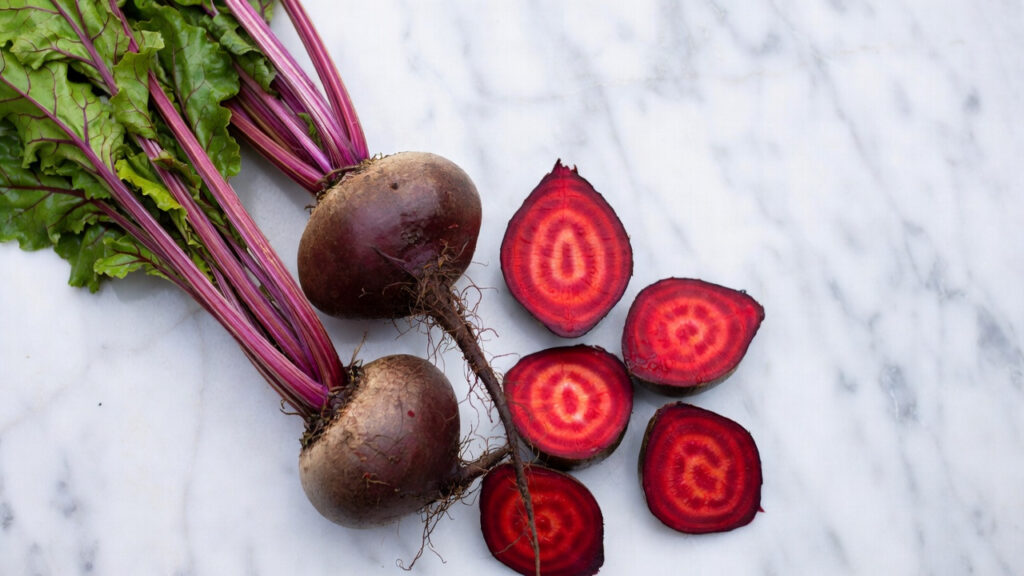
Beets contain betalains, which are potent antioxidants that reduce inflammation and support bile production. Bile is essential for fat digestion and the removal of waste products from the liver. Beets are also high in nitrates and fiber, both of which benefit liver health. They can be eaten raw, roasted, or juiced.
6. Walnuts
Walnuts are a rich source of glutathione, omega-3 fatty acids, and the amino acid arginine. Glutathione is one of the body’s primary antioxidants and is produced in large amounts by a healthy liver. Walnuts support this process and help the liver detoxify ammonia, a waste product that can be harmful in high concentrations.
7. Olive Oil
Extra virgin olive oil is associated with improved liver enzyme levels and reduced fat accumulation in the liver. Its anti-inflammatory polyphenols support liver cell health and help regulate the liver’s fat metabolism. Using olive oil as your primary cooking fat and salad dressing is an easy way to make a meaningful dietary upgrade.
8. Green Tea
Green tea is rich in catechins, a type of antioxidant that has been shown to reduce liver fat and improve liver enzyme levels in people with NAFLD. It also contains compounds that support bile secretion and protect liver cells from damage caused by toxins and inflammation. Drinking two to three cups per day may offer noticeable benefits.
If you’re looking to build a more complete anti-inflammatory routine, our guide on the best anti-inflammatory foods covers more strategies that also benefit liver health.
9. Citrus Fruits
Lemons, oranges, and grapefruits contain vitamin C and compounds called flavonoids that stimulate the production of liver detox enzymes. Vitamin C also helps the liver produce glutathione, its primary internal antioxidant. Starting your morning with warm lemon water is a simple habit that can support daily liver cleansing.
10. Avocado
Avocados are rich in healthy monounsaturated fats, glutathione precursors, and anti-inflammatory nutrients. Research has found that avocados contain compounds that may actively slow liver damage. Their high content of fiber and potassium also supports bile flow and reduces the accumulation of fat in liver tissue.
Conclusion
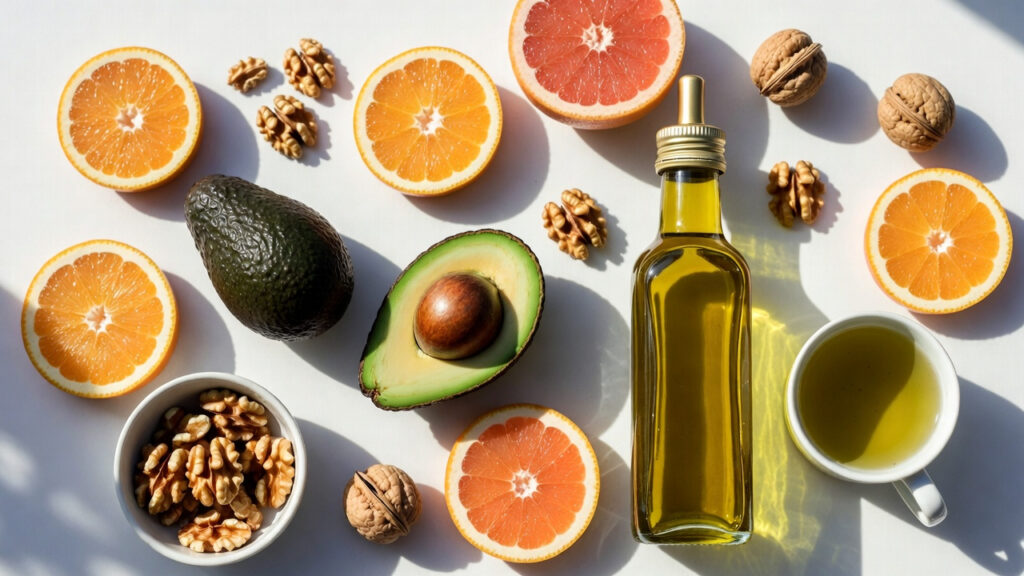
Your liver works constantly to keep your body clean, balanced, and energized. Supporting it with the right foods is one of the most effective preventive health strategies available. By regularly including coffee, leafy greens, fatty fish, garlic, beets, walnuts, olive oil, green tea, citrus fruits, and avocado in your diet, you give your liver the tools it needs to perform at its best.
You do not need to overhaul your entire diet overnight. Start by adding two or three of these foods this week and build from there. Consistent, gradual dietary changes produce the most lasting improvements in liver health.
Frequently Asked Questions
What is the single best food for liver health? Coffee is consistently highlighted in research as one of the most beneficial foods for liver health. Regular consumption has been linked to a significantly reduced risk of liver disease and improved liver enzyme levels in multiple studies.
How quickly can diet improve liver health? The liver has a remarkable ability to regenerate. With consistent dietary improvements, some people notice lower liver enzyme levels within a few weeks. More significant changes, such as a reduction in liver fat, may take several months of sustained healthy eating.
Are there foods that damage the liver? Yes. Alcohol, fried foods, added sugars, and highly processed foods are among the main dietary contributors to liver stress and damage. Reducing these while increasing liver-supportive foods is the most effective dietary approach.
Related Articles
- Foods That Detox and Cleanse the Liver
- Best Drinks for Liver Health
- 10 Best Anti-Inflammatory Foods