Introduction
Anxiety is one of the most common mental health challenges in the world, affecting hundreds of millions of people across all age groups. While therapy and medical support are essential for many individuals, nutrition plays a surprisingly powerful role in how the nervous system manages stress and emotional regulation. Certain foods contain compounds that directly support the brain chemicals and physiological systems involved in anxiety, offering a practical, accessible tool for daily mental health management.
This guide explores the best foods for reducing anxiety naturally — not as a replacement for professional care, but as a meaningful complement to it.
Why Diet Influences Anxiety
The nervous system requires a consistent supply of specific nutrients to maintain balance. Magnesium, B vitamins, omega-3 fatty acids, and amino acids like tryptophan and L-theanine all play direct roles in producing and regulating neurotransmitters such as serotonin, GABA, and dopamine. When these nutrients are depleted — which is easy to do on a modern diet heavy in processed food — the nervous system becomes more reactive, stress responses intensify, and the baseline level of anxiety tends to rise. Restoring these nutrients through food can gradually shift the body’s stress response toward a calmer and more regulated baseline.
1. Dark Leafy Greens
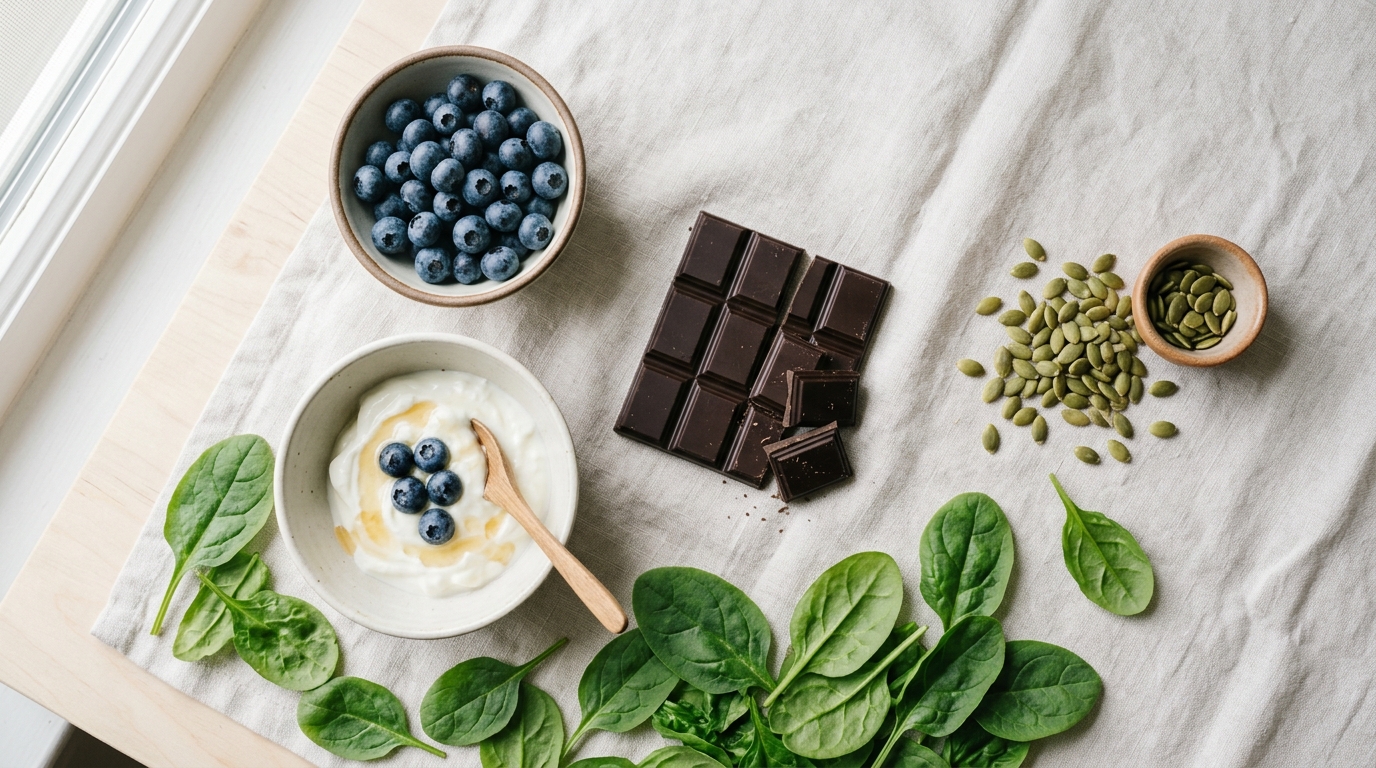
Spinach, kale, Swiss chard, and other dark leafy greens are among the richest dietary sources of magnesium, a mineral that plays a central role in regulating the nervous system. Magnesium helps activate the parasympathetic nervous system — the “rest and digest” mode that counters the fight-or-flight stress response. Studies have found that low magnesium intake is consistently associated with higher levels of anxiety and perceived stress. A daily serving of cooked greens provides a meaningful contribution to magnesium needs and supports overall neurological calm.
2. Fatty Fish
Salmon, mackerel, sardines, and herring are rich in long-chain omega-3 fatty acids, particularly EPA and DHA. These fats are essential components of brain cell membranes and play a critical role in regulating the brain’s inflammatory responses. Clinical trials have found that omega-3 supplementation and regular consumption of fatty fish are associated with measurable reductions in anxiety symptoms. The anti-inflammatory effects of omega-3s help dampen the overactive neural signaling that characterizes anxious states.
3. Fermented Foods
Yogurt, kefir, kimchi, and miso contain live beneficial bacteria that support gut microbiome diversity. As described in the gut-brain connection, a healthy microbiome produces significant amounts of serotonin and GABA — both of which are directly involved in reducing anxiety. Fermented foods also reduce systemic inflammation, which has been linked to elevated anxiety and mood instability. Incorporating at least one fermented food daily is one of the most evidence-supported dietary steps for supporting mental calm.
4. Chamomile and Herbal Teas
Chamomile contains apigenin, a compound that binds to GABA receptors in the brain — the same receptors targeted by many anti-anxiety medications. Multiple clinical trials have found chamomile extract significantly reduces symptoms of generalized anxiety disorder. Beyond chamomile, other herbal teas such as lemon balm, passionflower, and ashwagandha-infused blends have demonstrated anxiolytic properties in research settings. Replacing a daily cup of coffee — particularly in the afternoon — with an herbal tea is a simple and calming dietary adjustment.
5. Eggs
Eggs are one of the most nutrient-dense foods available for brain and nervous system health. They are a complete protein source rich in tryptophan — an amino acid the body uses to synthesize serotonin. They also contain choline, a nutrient essential for acetylcholine production, which supports focus and emotional regulation. B vitamins found in eggs, including B12, folate, and B6, are critical cofactors in neurotransmitter synthesis. A regular breakfast containing eggs provides a stable amino acid foundation for a calm and balanced day.
For more strategies on supporting brain health through food, our article on foods that help with focus and concentration offers additional practical dietary guidance.

6. Blueberries and Berries
Blueberries, strawberries, and other berries are exceptionally rich in antioxidants and polyphenols, particularly anthocyanins. These compounds reduce oxidative stress in the brain, which is closely linked to anxiety and mood dysregulation. Research has shown that berry consumption is associated with improved emotional regulation and reduced cortisol response to stress. A daily handful of berries — fresh or frozen — provides consistent neuroprotective support.
7. Pumpkin Seeds
Pumpkin seeds are among the most concentrated plant-based sources of both magnesium and zinc. Zinc plays an important and underappreciated role in anxiety regulation — deficiency has been associated with increased anxiety in multiple studies. Pumpkin seeds also contain tryptophan and glutamate, precursors to serotonin and GABA. A small handful as a daily snack delivers significant neurological benefit and is one of the most calorie-efficient ways to address common micronutrient gaps linked to anxiety.
8. Dark Chocolate
High-quality dark chocolate with a minimum of 70 percent cocoa contains several anxiety-modulating compounds. Flavonoids in dark chocolate improve cerebral blood flow and reduce cortisol, the primary stress hormone. It also contains small amounts of magnesium and tryptophan. Research has shown that regular moderate consumption of dark chocolate is associated with lower levels of perceived stress. One to two squares per day provides meaningful benefit without excessive caloric intake.
9. Turmeric
Curcumin, the active compound in turmeric, has been studied extensively for its anti-inflammatory and neuroprotective effects. Inflammation in the brain is increasingly recognized as a contributing factor to anxiety disorders, and curcumin has been shown to reduce key inflammatory markers while also increasing BDNF — brain-derived neurotrophic factor — which supports the growth and maintenance of healthy neurons. Adding turmeric to daily cooking, particularly with black pepper to enhance bioavailability, provides accessible neuroprotective benefits.
10. Oats and Whole Grains
Complex carbohydrates found in oats, brown rice, and whole grain bread provide a slow and steady release of glucose that maintains consistent blood sugar levels throughout the day. Blood sugar instability — characterized by rapid spikes and drops — is a frequently overlooked trigger for anxiety, irritability, and difficulty concentrating. Oats are also a meaningful source of magnesium and B vitamins. Beginning the day with a bowl of oatmeal supports hormonal and neurological stability from morning through afternoon.

Conclusion
Food is not a cure for anxiety, but it is one of the most powerful and accessible tools available for supporting the nervous system’s ability to stay balanced. Magnesium-rich greens, omega-3 fatty acids, fermented foods, and antioxidant-dense fruits all contribute to the neurochemical foundation that determines how the brain responds to stress. Building meals around these foods is a daily investment in a calmer, steadier mind — one that compounds over time with consistent practice.
Frequently Asked Questions
Can diet alone reduce anxiety symptoms? Diet plays a meaningful role in supporting the brain chemicals and systems involved in anxiety regulation, but it works best as part of a broader approach that may include therapy, exercise, sleep, and in some cases medical treatment. Certain nutrients — particularly magnesium, omega-3s, and B vitamins — are directly involved in neurotransmitter production, and deficiencies in these can worsen anxiety symptoms. Improving dietary quality consistently over time can lead to noticeable improvements in emotional regulation for many people.
What foods should be avoided to reduce anxiety? Foods that frequently worsen anxiety include those high in added sugar, caffeine, alcohol, and refined carbohydrates. These substances can cause blood sugar instability, increase cortisol levels, disrupt sleep, and alter gut microbiome balance — all of which can intensify anxious symptoms. Ultra-processed foods in general tend to be low in the nutrients the nervous system needs and high in ingredients that promote inflammation.
How long does it take for dietary changes to affect anxiety levels? The timeline varies by individual and the specific changes being made. Some effects — such as stabilizing blood sugar by reducing refined carbohydrate intake — can be noticeable within days. More systemic changes, such as improvements in gut microbiome diversity or correction of magnesium deficiency, typically require several weeks of consistent dietary change to produce noticeable effects on mood and anxiety.
Related Articles
- 10 Best Foods for Brain Health
- Foods That Help with Focus and Concentration
- Best Foods for Mental Clarity