Introduction
Magnesium is one of the most important and most underappreciated minerals in the human body. It is involved in over three hundred enzymatic reactions, playing a critical role in energy production, muscle and nerve function, blood sugar regulation, protein synthesis, and bone development. Despite its wide-ranging importance, studies suggest that a significant portion of adults in Western countries do not get enough magnesium from their diets.
Low magnesium intake is associated with muscle cramps, poor sleep, anxiety, fatigue, high blood pressure, and an increased risk of type 2 diabetes and cardiovascular disease. The encouraging news is that many delicious, widely available foods are naturally rich in magnesium and easy to work into daily meals.
This guide covers the best foods high in magnesium and why making them a regular part of your diet can have a meaningful impact on your health.
Why Magnesium Is Essential for Your Body
Magnesium acts as a cofactor for hundreds of enzymes involved in the body’s most fundamental processes. It helps convert food into energy, supports the synthesis of DNA and proteins, regulates calcium and potassium levels, and plays a key role in nervous system function. Magnesium is also well known for its calming effect on the nervous system, which is why it is often associated with improved sleep quality and reduced stress.
The recommended daily intake for adult men is around four hundred to four hundred twenty milligrams, while adult women need approximately three hundred ten to three hundred twenty milligrams per day.
10 Best Foods High in Magnesium
1. Pumpkin Seeds
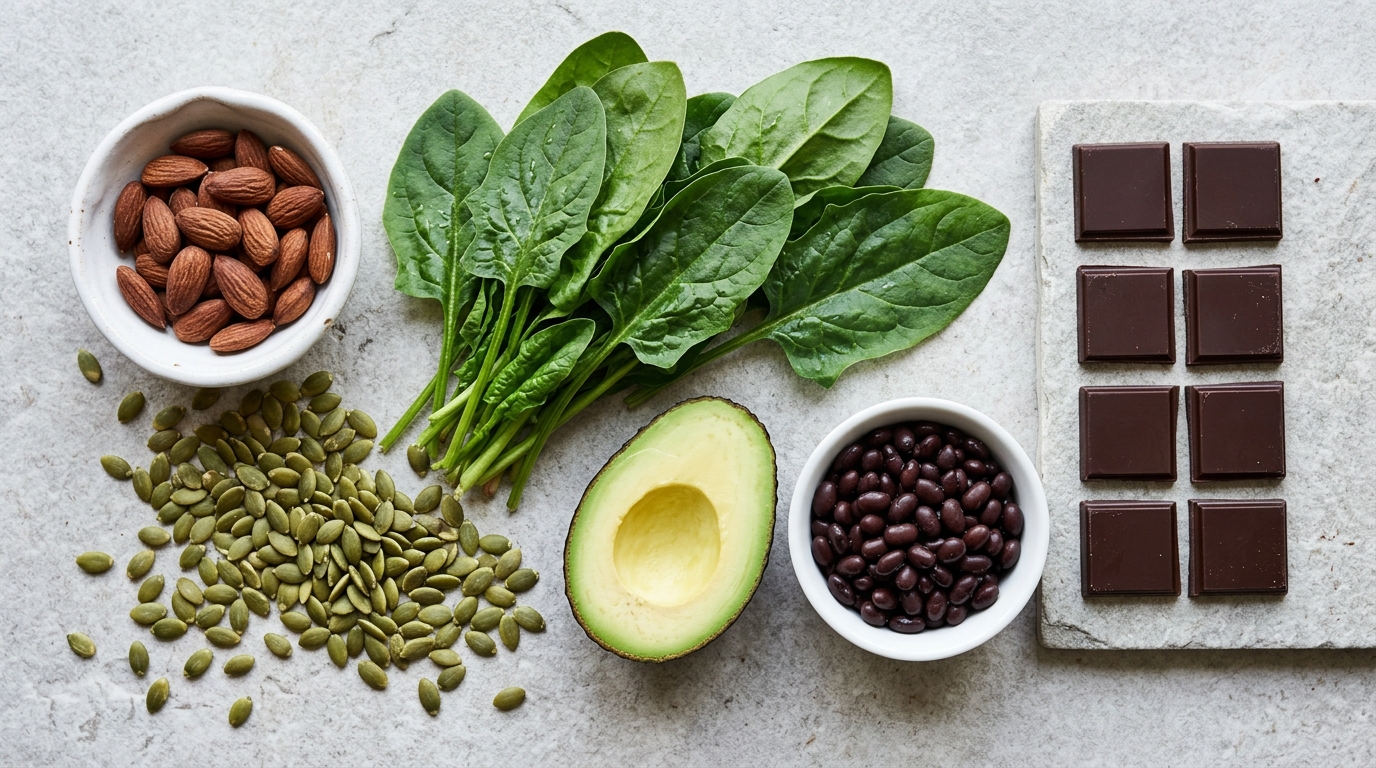
Pumpkin seeds are one of the most concentrated sources of magnesium available. A one-ounce serving provides around one hundred fifty milligrams of magnesium, which is roughly thirty-seven percent of the daily value. They are also rich in zinc, iron, and healthy fats, making them a nutritionally dense snack that can easily be added to salads, smoothies, or granola.
2. Dark Leafy Greens
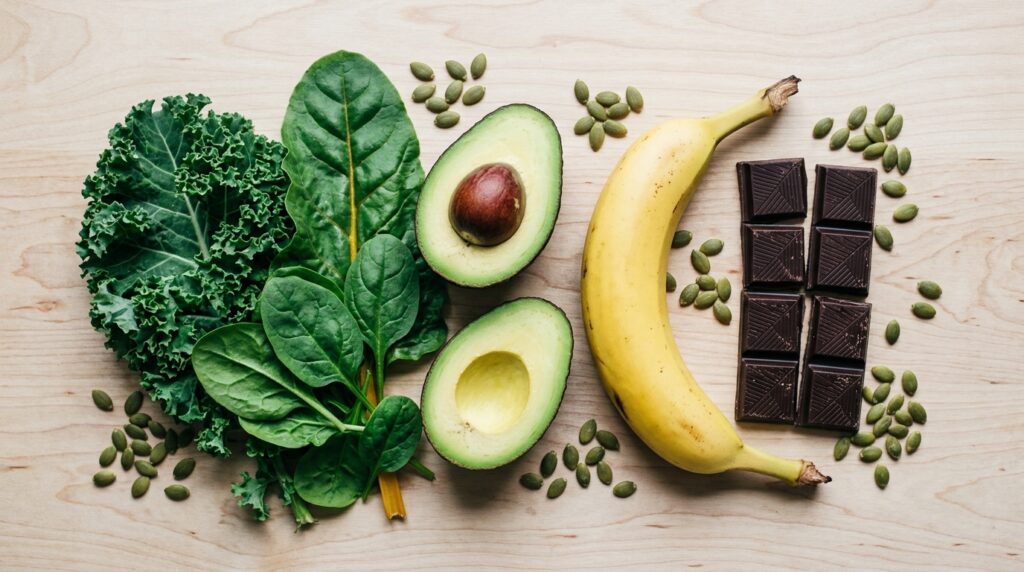
Spinach, Swiss chard, and kale are all excellent sources of magnesium. One cup of cooked spinach provides approximately one hundred fifty milligrams. Dark leafy greens are also rich in vitamin K, iron, and folate, offering a powerful combination of nutrients in a single food. Including greens in your meals consistently is one of the most effective ways to boost your magnesium intake.
3. Black Beans
Legumes are broadly good sources of magnesium, and black beans are particularly noteworthy. One cup of cooked black beans contains around one hundred twenty milligrams of magnesium along with fiber, plant protein, and folate. Adding black beans to soups, tacos, or grain bowls is an easy way to increase both magnesium and overall nutritional quality.
4. Dark Chocolate
Dark chocolate with a high cocoa content is a genuinely nutritious food when enjoyed in moderation. A one-ounce serving of seventy percent or higher dark chocolate can deliver around sixty-four milligrams of magnesium along with iron and antioxidant compounds. It offers a satisfying way to contribute to your daily magnesium needs.
5. Almonds
Almonds are a convenient and widely available source of magnesium. A one-ounce serving provides about seventy-six milligrams, along with healthy monounsaturated fats, vitamin E, and fiber. A small handful of almonds as a daily snack can meaningfully contribute to your magnesium intake while supporting heart and metabolic health.
For more information on how magnesium-rich foods fit into a balanced nutritional approach, you may also enjoy our guide on the best vitamins and minerals for overall health.

6. Avocado
Avocado is best known for its healthy fat content, but it is also a solid source of magnesium. One medium avocado provides around fifty-eight milligrams. It is also rich in potassium, B vitamins, and fiber. Including avocado in salads, toast, or smoothies adds magnesium along with a range of other beneficial nutrients.
7. Whole Grains
Whole grains such as brown rice, oats, and quinoa contain meaningful amounts of magnesium that are largely lost during the refining process. One cup of cooked brown rice provides around eighty-four milligrams. Choosing whole grain versions of bread, pasta, and rice over refined alternatives consistently increases your magnesium intake over time.
8. Bananas
Bananas are primarily associated with potassium, but they also provide a useful amount of magnesium. One medium banana contains around thirty-two milligrams. They are portable, affordable, and easy to pair with other magnesium-rich foods like almond butter or oatmeal for a synergistic nutritional effect.
9. Salmon
Fatty fish like salmon contribute to magnesium intake while also providing omega-3 fatty acids, vitamin D, and B vitamins. A three-ounce serving of cooked salmon provides around twenty-six milligrams of magnesium. Regular consumption of salmon supports multiple body systems simultaneously, making it a versatile dietary cornerstone.
10. Tofu
Tofu is a magnesium-rich plant protein that is especially valuable for vegetarians and vegans. Half a cup of firm tofu provides around thirty-seven milligrams. When prepared with flavorful sauces and combined with vegetables and whole grains, tofu fits easily into a wide variety of cuisines and meal types.
Conclusion
Magnesium is a mineral your body depends on constantly, and most people would benefit from eating more of it. By regularly including foods like pumpkin seeds, dark leafy greens, legumes, nuts, whole grains, and dark chocolate in your diet, you can steadily build up your magnesium levels and support everything from energy metabolism to sleep quality and stress management. A magnesium-rich diet is one of the most accessible and effective nutritional investments you can make for your long-term wellbeing.
Frequently Asked Questions
What are the symptoms of low magnesium? Common symptoms of magnesium deficiency include muscle cramps or twitches, fatigue, irritability, poor sleep, headaches, and irregular heartbeat. Chronic low magnesium is also associated with higher blood pressure and an increased risk of metabolic conditions.
Is it better to get magnesium from food or supplements? Food sources of magnesium are generally preferred because they come packaged with fiber, cofactors, and other nutrients that support absorption and overall health. Supplements can be helpful if dietary intake is consistently insufficient, but they should complement rather than replace a magnesium-rich diet.
Can too much magnesium from food be harmful? Getting excess magnesium from food alone is uncommon because the kidneys efficiently excrete any surplus. Toxicity is primarily a concern with high-dose supplementation. Eating generous amounts of magnesium-rich whole foods is generally considered safe for healthy individuals.
Related Articles
- Best Foods High in Magnesium
- Top Signs You May Have a Nutritional Deficiency
- Best Vitamins and Minerals for Overall Health