Introduction
Having a clear meal plan is one of the most effective strategies for achieving consistent weight loss. When you know in advance what you are going to eat, you are far less likely to make impulsive food choices driven by hunger or convenience. A well-designed healthy meal plan for weight loss does not have to be restrictive or complicated. It simply needs to be built around nutritious whole foods that satisfy hunger, support your energy levels, and create a modest calorie deficit over time. This guide walks you through ten foundational principles and meal ideas that form the best healthy meal plan for weight loss.
Why a Structured Meal Plan Supports Weight Loss
Meal planning removes decision fatigue, which is one of the biggest reasons people abandon healthy eating habits. When meals are decided and prepared in advance, the barrier to eating well drops significantly. Research shows that people who plan their meals are more likely to achieve and maintain a healthy weight compared to those who make food decisions spontaneously. A structured plan also makes grocery shopping more efficient, reduces food waste, and ensures that nutritious options are always accessible when hunger strikes.
1. Build Each Meal Around a Lean Protein
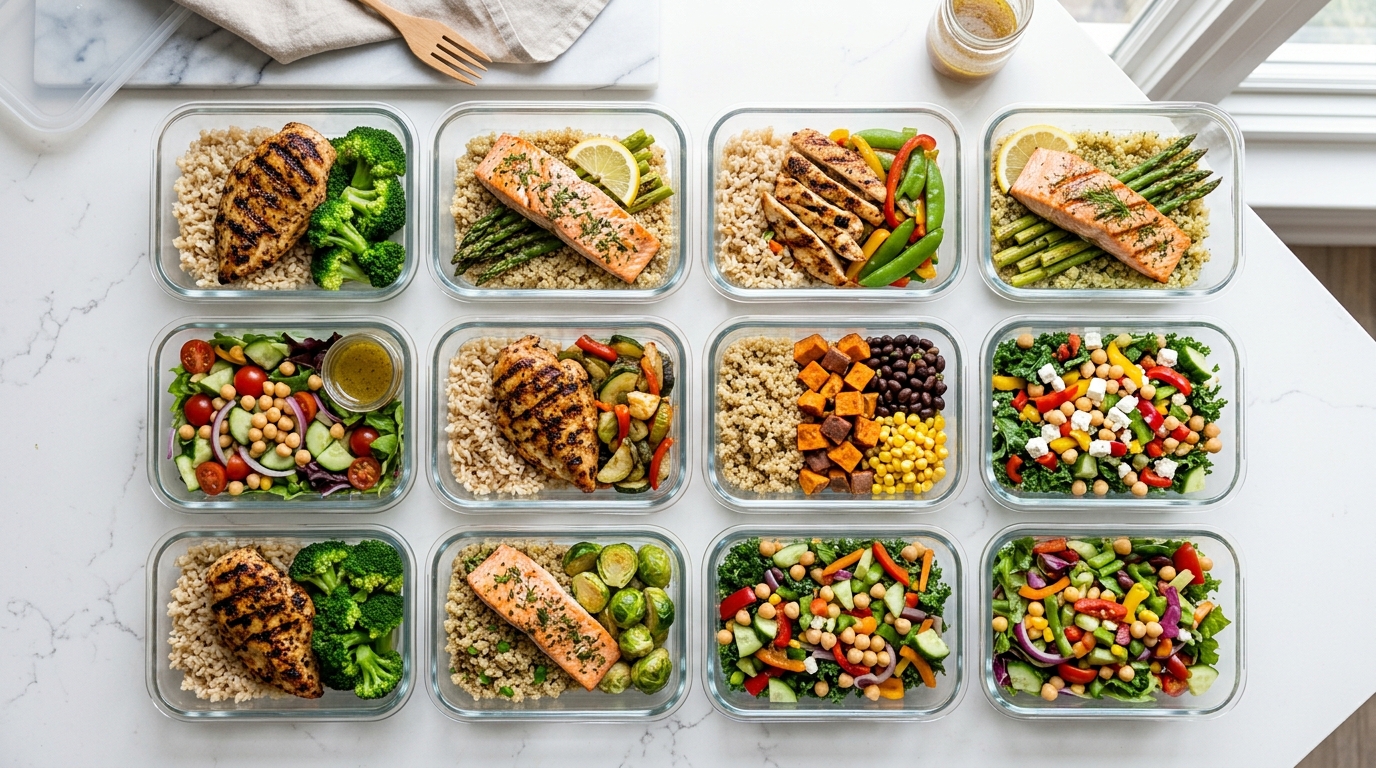
The foundation of a weight loss meal plan is lean protein at every meal. Protein keeps you full, preserves muscle during a calorie deficit, and has a higher thermic effect than carbohydrates or fat. Rotate through sources like grilled chicken breast, baked salmon, hard-boiled eggs, cottage cheese, lentils, and black beans to keep meals varied and satisfying. Aim for approximately 25 to 35 grams of protein per meal to effectively manage appetite throughout the day.
2. Include Non-Starchy Vegetables in Every Meal
Non-starchy vegetables like spinach, broccoli, kale, bell peppers, cucumber, and zucchini are among the most weight-loss-friendly foods available. They are extremely low in calories but high in fiber, water, and micronutrients. Filling at least half your plate with these vegetables at lunch and dinner adds significant volume and nutrition without adding significant calories. This strategy helps you feel physically full while maintaining a calorie deficit.
3. Choose Whole Grains Over Refined Grains
When including carbohydrates in your meal plan, always opt for whole grain versions over refined ones. Whole grain bread, brown rice, quinoa, oats, and barley are digested more slowly than their refined counterparts, resulting in more stable blood sugar and longer-lasting satiety. Swap white rice for brown rice or cauliflower rice, replace white bread with whole grain toast, and choose steel-cut oats over instant varieties to increase fiber and nutrient density across your plan.
4. Plan a Nutrient-Dense Breakfast Every Day
Breakfast sets the tone for the entire day by influencing appetite hormones and establishing your dietary pattern early. A high-protein, fiber-rich breakfast has been shown to reduce total calorie intake throughout the day. Good breakfast options for weight loss include Greek yogurt with berries, scrambled eggs with sautéed vegetables, oatmeal with nut butter and sliced banana, or a smoothie made with protein powder, spinach, and frozen fruit. Avoiding high-sugar cereals and pastries at breakfast prevents energy crashes and cravings mid-morning.
5. Prepare Lunches in Advance
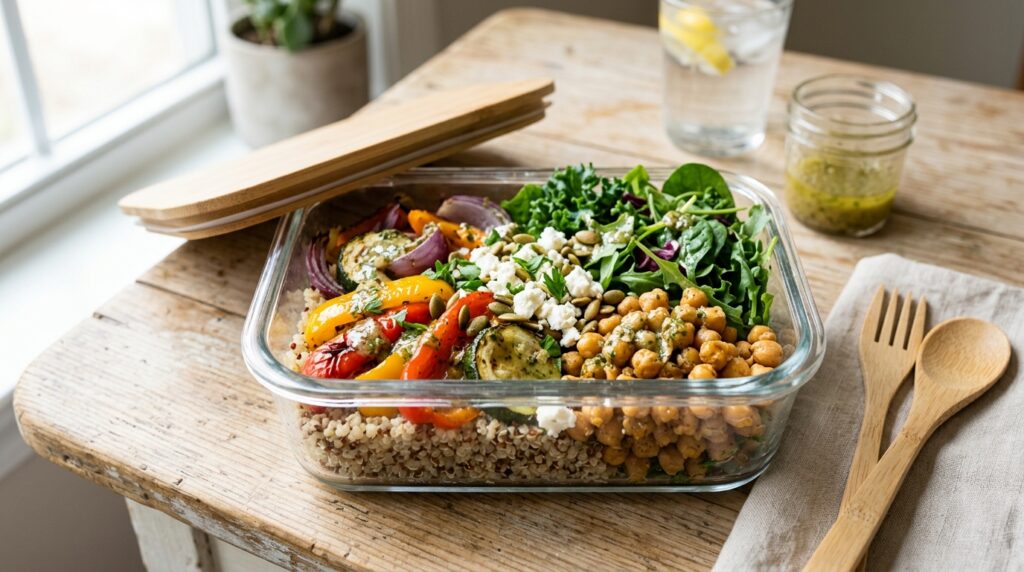
Lunch is often the meal most vulnerable to poor food choices because it typically coincides with a busy workday. Preparing lunches in advance removes the temptation to reach for fast food or processed convenience options. Effective make-ahead lunches include grain bowls with quinoa, roasted vegetables, and a lean protein, large salads with chickpeas and a tahini dressing, or leftover dinner portions stored in portioned containers. Having these ready to go makes healthy eating the easy default choice.
For more meal structure guidance, our guide on how to lose weight with diet alone outlines the core dietary principles that support sustainable weight management.
6. Design Dinners That Are Satisfying but Light
Dinner should be filling enough to prevent late-night snacking but not so heavy that it contributes excess calories at the end of the day. A well-balanced dinner for weight loss includes a serving of lean protein, a generous portion of vegetables, and a modest amount of complex carbohydrates or healthy fat. Examples include baked salmon with roasted broccoli and quinoa, stir-fried chicken with mixed vegetables over brown rice, or a lentil and vegetable soup with a slice of whole grain bread.
7. Plan Healthy Snacks Strategically
Unplanned snacking is one of the most common ways a weight loss meal plan gets derailed. Planning one or two structured snacks each day prevents excessive hunger between meals and reduces the likelihood of overeating at mealtimes. Good snack options include a small handful of almonds, apple slices with almond butter, a boiled egg, plain Greek yogurt, or baby carrots with hummus. Keeping these snacks pre-portioned and readily available is key to staying on track.
8. Stay Well Hydrated Throughout the Day
Dehydration is often mistaken for hunger, leading to unnecessary calorie consumption. Drinking adequate water throughout the day, especially before meals, has been shown to reduce calorie intake at those meals. Aim for at least eight cups of water per day, and consider replacing sugary beverages completely with water, herbal tea, or sparkling water. Starting each morning with a large glass of water is a simple habit that supports overall appetite regulation and metabolism.
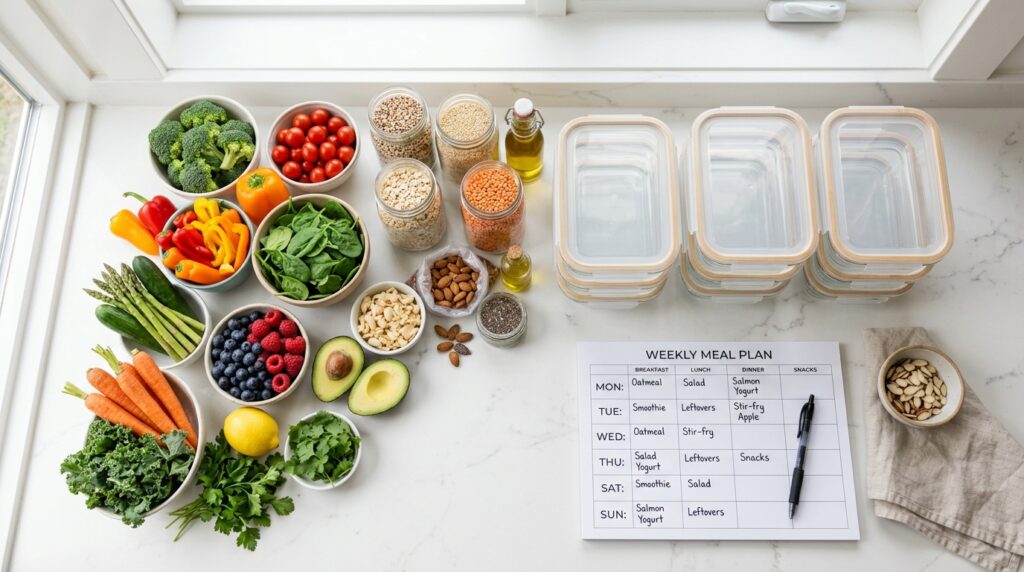
9. Use a Weekly Batch Cooking Session
Dedicating one or two hours per week to batch cooking significantly simplifies the execution of your meal plan. Cook a large batch of grains like brown rice or quinoa, roast a tray of mixed vegetables, prepare a protein like baked chicken or hard-boiled eggs, and store everything in the refrigerator. Having these components ready makes assembling healthy meals throughout the week fast and effortless. This single habit is one of the most effective ways to ensure your meal plan actually gets followed.
10. Allow Flexibility Without Abandoning the Plan
Rigid meal plans that allow no flexibility often lead to an all-or-nothing mindset that causes people to abandon their efforts after a single deviation. Building occasional flexibility into your plan, such as one or two slightly indulgent meals per week, makes the overall pattern more sustainable. The goal is to eat well the majority of the time rather than perfectly all of the time. Consistency over months and years produces far better results than short bursts of perfect eating followed by abandonment.
Conclusion
A healthy meal plan for weight loss does not need to be complicated or restrictive to be effective. Building each meal around lean protein, filling half your plate with vegetables, choosing whole grains, and planning in advance are the core principles that consistently deliver results. The more your environment and habits support healthy eating, the less willpower and decision-making your plan requires. Start with small, manageable changes, commit to batch cooking once a week, and trust the process as your results gradually accumulate over time.
Frequently Asked Questions
How many calories should a weight loss meal plan include? Most adults lose weight on a daily intake between 1,400 and 1,800 calories, depending on age, sex, height, and activity level. A moderate deficit of 300 to 500 calories below your maintenance level produces gradual and sustainable weight loss without triggering excessive hunger.
Should I follow the same meal plan every week? Starting with a consistent weekly rotation is beneficial because it simplifies shopping, preparation, and decision-making. Once you have a comfortable routine, you can introduce variations by rotating proteins and vegetables while keeping the overall structure the same. This balance of consistency and variety prevents boredom while maintaining simplicity.
Can I lose weight following a meal plan without counting calories? Yes. If your meal plan is built around whole foods with adequate protein, plenty of vegetables, and controlled portions of carbohydrates, many people lose weight naturally without tracking every calorie. Mindful eating practices combined with structured meals can achieve results equivalent to calorie counting for many individuals.
Related Articles
- How to Lose Weight with Diet Alone
- Best Low-Calorie Foods That Keep You Full
- Healthy Eating Habits to Start Today