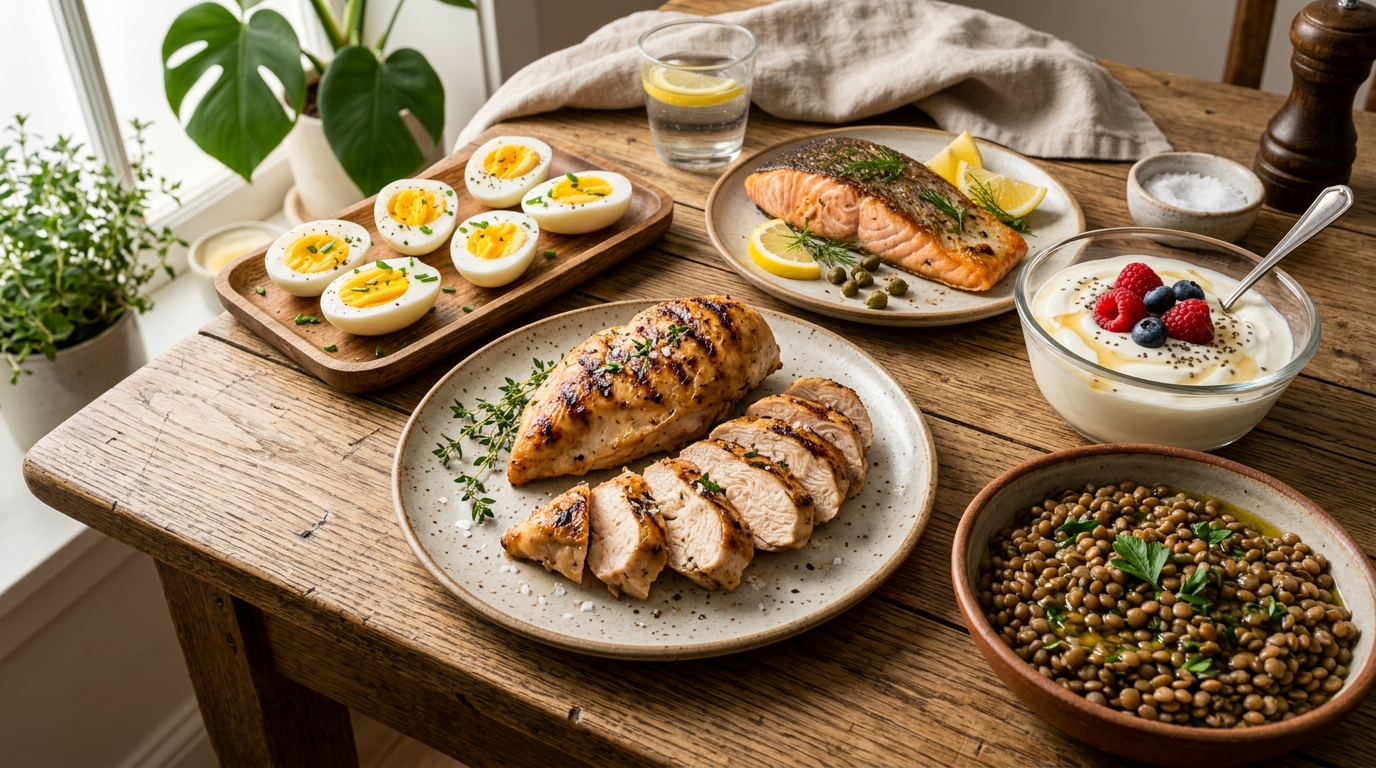
Introduction
Protein is one of the most essential nutrients your body needs every single day. It builds and repairs muscle tissue, supports immune function, regulates hormones, and helps keep you feeling full long after a meal. Yet many people still underestimate how much protein they actually need — or which foods deliver it most effectively.
Whether you are trying to build lean muscle, manage your weight, or simply eat a more balanced diet, choosing the right high-protein foods makes a meaningful difference. The good news is that excellent protein sources are widely available, affordable, and incredibly versatile in the kitchen.
This guide highlights the best high-protein foods for a healthy diet, explaining what makes each one valuable and how to incorporate them into your daily meals.
Why Protein Matters for a Healthy Diet
Protein is made up of amino acids — the building blocks your body uses for nearly every structural and functional process. Unlike carbohydrates and fat, your body cannot store protein for later use, which means you need a consistent daily supply.
Adults generally need between 0.8 and 1.2 grams of protein per kilogram of body weight, though active individuals and older adults often benefit from higher amounts. Beyond muscle support, adequate protein helps stabilize blood sugar, reduce cravings, and protect lean body mass during weight loss. Choosing quality protein sources is one of the most impactful decisions you can make for your long-term health.
1. Chicken Breast
Chicken breast is one of the most popular high-protein foods worldwide, and for good reason. A 3.5-ounce serving provides roughly 31 grams of protein with minimal fat, making it an ideal option for those looking to maximize protein intake without excess calories. It is also rich in B vitamins, particularly niacin and B6, which support energy metabolism and brain function. Grilled, baked, or poached, chicken breast adapts easily to dozens of different meal styles.
2. Eggs
Eggs are a nutritional powerhouse and one of the most bioavailable protein sources available. A single large egg contains about 6 grams of complete protein, meaning it provides all nine essential amino acids your body cannot produce on its own. Eggs also deliver choline, an important nutrient for brain health and liver function. The yolk contains most of the vitamins and minerals, so eating whole eggs rather than whites alone offers the greatest nutritional benefit.
3. Greek Yogurt
Greek yogurt has earned its place as a go-to high-protein food for good reason. A single cup of plain Greek yogurt can contain between 15 and 20 grams of protein, nearly double that of regular yogurt. It also provides calcium, potassium, and beneficial probiotics that support gut health. Choose plain, unsweetened varieties to avoid added sugars, and use it as a base for smoothies, dressings, or a satisfying breakfast topped with berries and nuts.
4. Lentils
For plant-based eaters, lentils are one of the most valuable protein sources available. One cooked cup delivers around 18 grams of protein along with a significant amount of dietary fiber, iron, and folate. Lentils are also remarkably filling because of their fiber content, making them an excellent choice for appetite management. They work well in soups, stews, salads, and curries, and they cook faster than most other legumes.
5. Salmon
Salmon stands out among protein-rich foods because it delivers both high-quality protein and heart-healthy omega-3 fatty acids. A 3.5-ounce serving provides approximately 25 grams of protein, along with EPA and DHA — the omega-3 fats most directly linked to reduced inflammation and improved cardiovascular health. Regular salmon consumption has also been associated with better brain function and mood regulation. Wild-caught salmon is generally considered the most nutrient-dense option.
If you are also focused on reducing inflammation as part of your diet, you may want to explore our guide on the best anti-inflammatory foods to learn how salmon fits into a broader anti-inflammatory approach.

6. Cottage Cheese
Cottage cheese is a surprisingly protein-dense food that often goes overlooked. A cup of low-fat cottage cheese provides around 25 grams of protein, much of which comes from casein — a slow-digesting protein that helps sustain amino acid availability over several hours. This makes it an excellent option before sleep or between meals when steady protein release is beneficial. It pairs well with fruit, vegetables, or whole grain crackers for a balanced snack.
7. Canned Tuna
Canned tuna is one of the most affordable and convenient high-protein foods available. A 3-ounce serving of light tuna in water provides approximately 20 grams of protein with very little fat. It is also a good source of selenium, an antioxidant mineral that supports thyroid function and immune health. Keep portions moderate due to mercury content, but including tuna a few times per week is a practical way to boost protein intake without much preparation.
8. Edamame
Edamame — young soybeans — is a complete plant-based protein, meaning it contains all essential amino acids. One cup of cooked edamame provides about 17 grams of protein alongside fiber, magnesium, and vitamins K and C. Edamame is easy to prepare and works well as a snack, in grain bowls, or added to salads and stir-fries. It is also one of the few plant foods that offers a protein profile comparable to animal sources.
9. Quinoa
Quinoa is unique among grains because it is also a complete protein. One cooked cup delivers around 8 grams of protein, along with significant amounts of fiber, iron, magnesium, and manganese. While this is lower than meat or legumes, quinoa makes an excellent protein-contributing base for meals. It is naturally gluten-free and works beautifully as a substitute for rice or pasta in almost any dish.
10. Black Beans
Black beans are a fiber-rich, plant-based protein source that deserves a regular spot in any healthy diet. One cooked cup provides about 15 grams of protein, along with folate, iron, and a high amount of soluble fiber that promotes digestive health and blood sugar stability. Black beans are inexpensive, shelf-stable, and incredibly versatile — equally at home in tacos, salads, rice dishes, or soups.

Conclusion
Adding the best high-protein foods for a healthy diet does not require dramatic changes to your eating habits. By building meals around chicken, eggs, fish, legumes, and dairy, you can consistently meet your protein needs while also getting a broad spectrum of vitamins, minerals, and other beneficial compounds. Whether your goal is building muscle, managing weight, or simply feeling more energized throughout the day, protein-rich foods are among the most powerful tools in your nutritional arsenal. Start with one or two additions this week and build from there.
Frequently Asked Questions
How much protein do I need each day? Most adults need between 0.8 and 1.2 grams of protein per kilogram of body weight daily. Active individuals, older adults, and those trying to build muscle may benefit from amounts closer to 1.5 to 2 grams per kilogram. Spreading protein intake across multiple meals throughout the day tends to be more effective than consuming most of it in a single sitting.
Can I get enough protein on a plant-based diet? Yes. While plant proteins are sometimes lower in one or more essential amino acids individually, eating a variety of legumes, whole grains, nuts, seeds, and soy foods throughout the day ensures you meet all your protein needs. Foods like lentils, edamame, quinoa, and black beans are particularly strong plant-based protein options.
Is it better to eat protein in the morning or evening? Research suggests that distributing protein intake evenly across meals — roughly 25 to 40 grams per meal — supports muscle synthesis more effectively than loading protein at one time. That said, including a moderate-protein breakfast helps reduce hunger throughout the day, while a protein-containing meal or snack before sleep may support overnight muscle repair.