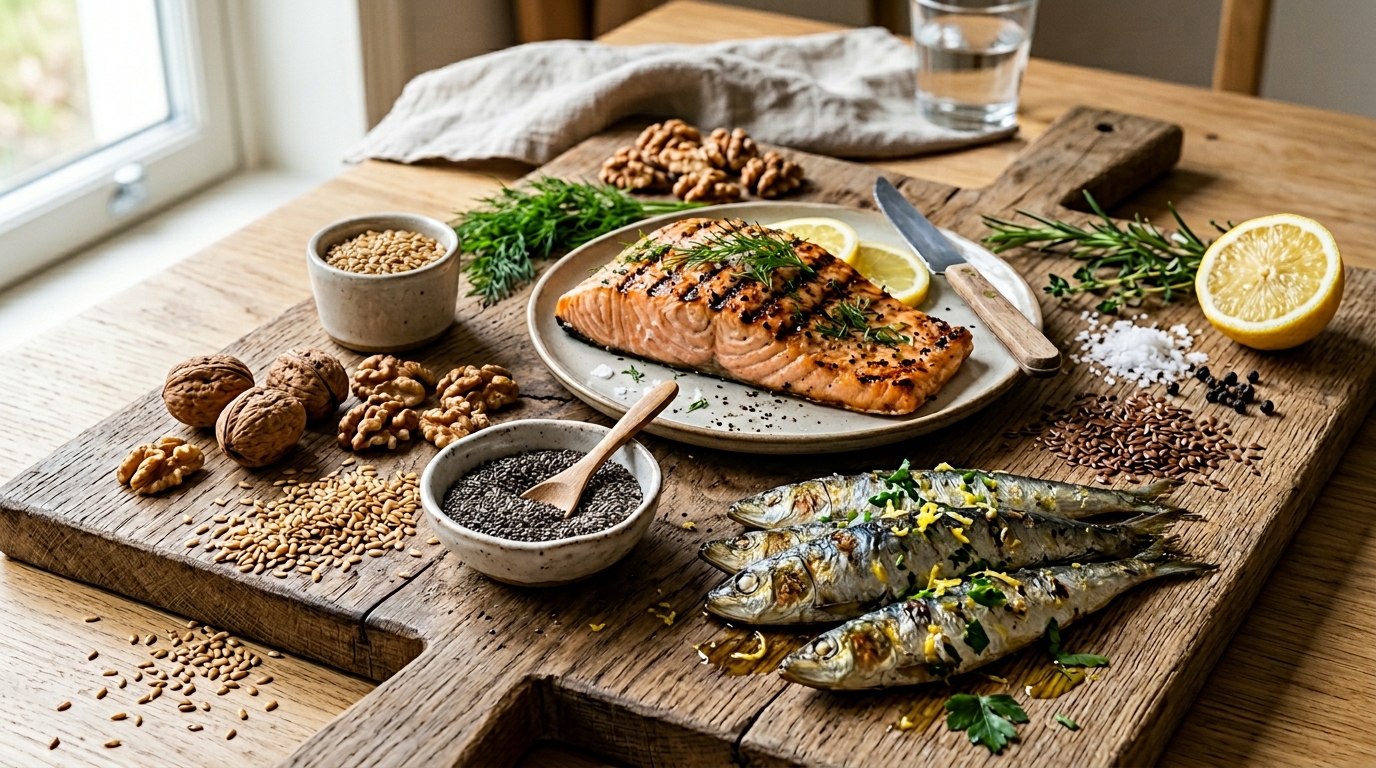
Omega-3 fatty acids are among the most studied nutrients in cardiovascular research, and for good reason. These essential fats play a central role in reducing inflammation, lowering triglycerides, supporting healthy blood pressure, and protecting the lining of blood vessels. Because the body cannot produce omega-3s on its own, they must come entirely from your diet — making food choices critical for anyone looking to support long-term heart health.
Understanding the best omega-3 foods for heart health can help you make smarter daily decisions and build a diet that actively works to protect your cardiovascular system.
Why Omega-3 Fatty Acids Are Essential for the Heart
There are three main types of omega-3 fatty acids relevant to human health: EPA (eicosapentaenoic acid), DHA (docosahexaenoic acid), and ALA (alpha-linolenic acid). EPA and DHA are found primarily in fatty fish and seafood, while ALA is found in plant foods. The body can convert ALA to EPA and DHA, but the conversion rate is limited, making direct sources of EPA and DHA particularly valuable for cardiovascular protection.
Research has shown that omega-3 fatty acids reduce triglyceride levels, lower the risk of abnormal heart rhythms, decrease platelet aggregation, and reduce arterial inflammation — all of which contribute to a lower risk of heart attack and stroke.
Best Omega-3 Foods for Heart Health
1. Salmon
Salmon is one of the richest sources of EPA and DHA available, making it the go-to food for omega-3 intake. A single serving of wild-caught salmon provides several grams of combined EPA and DHA, well above the amount needed to produce measurable cardiovascular benefits. Salmon also delivers high-quality protein, vitamin D, and selenium. Eating salmon two to three times per week is one of the most effective dietary habits for heart health.
2. Mackerel
Mackerel is another oily fish that delivers impressive amounts of omega-3s per serving. It is more affordable than salmon in many markets and has a rich, robust flavor that works well in a range of preparations. Atlantic mackerel in particular is high in EPA and DHA while remaining relatively low in mercury, making it a practical and safe choice for regular consumption.
3. Sardines
Sardines are small but nutritionally dense, providing a significant dose of omega-3 fatty acids along with calcium, vitamin B12, and selenium. They are among the most sustainable seafood choices available and are widely accessible in canned form. Because they are low on the food chain, sardines accumulate very little mercury, making them safe to eat frequently.
4. Herring
Herring is a cold-water oily fish that is especially popular in Scandinavian and Northern European cuisines. It is rich in both EPA and DHA and provides a good source of vitamin D and B12. Smoked or pickled herring can be a convenient way to incorporate more omega-3s into your diet without cooking fish from scratch.
5. Walnuts
Among plant-based foods, walnuts stand out for their high ALA content. They are the only tree nut with a significant amount of omega-3 fatty acids, making them an excellent option for vegetarians and vegans. In addition to ALA, walnuts provide antioxidants and polyphenols that contribute to reduced oxidative stress in arterial tissue. A small handful of walnuts daily is associated with improved cholesterol profiles and reduced cardiovascular inflammation.
If you are looking to build a comprehensive heart-protective diet, our article on the best foods for heart health covers additional options beyond omega-3 sources.

6. Flaxseeds
Flaxseeds are one of the most concentrated plant sources of ALA omega-3s. Ground flaxseeds are more bioavailable than whole seeds and can be easily added to oatmeal, smoothies, yogurt, or baked goods. Flaxseeds also provide lignans, a type of plant compound with antioxidant and anti-estrogenic properties, along with soluble fiber that supports healthy cholesterol levels.
7. Chia Seeds
Chia seeds offer a substantial amount of ALA per serving and are incredibly versatile in the kitchen. They absorb liquid and form a gel-like consistency, making them useful in puddings, overnight oats, and smoothies. Beyond omega-3s, chia seeds are rich in fiber, calcium, and magnesium, all of which contribute to blood pressure regulation and overall cardiovascular support.
8. Hemp Seeds
Hemp seeds contain both ALA and a favorable ratio of omega-6 to omega-3 fatty acids, which is important for managing inflammation. An imbalanced ratio heavily skewed toward omega-6 — common in Western diets — can promote inflammatory pathways, while a more balanced ratio helps keep inflammation in check. Hemp seeds can be sprinkled on salads, stirred into yogurt, or blended into smoothies for a quick nutritional boost.
9. Anchovies
Anchovies are small, intensely flavored fish that provide a concentrated source of EPA and DHA. While they are often used in small quantities as a flavor enhancer in sauces, dressings, and pasta dishes, even these modest amounts contribute meaningfully to omega-3 intake. Like sardines, anchovies are low in mercury and are a highly sustainable seafood choice.
10. Algae and Algae Oil
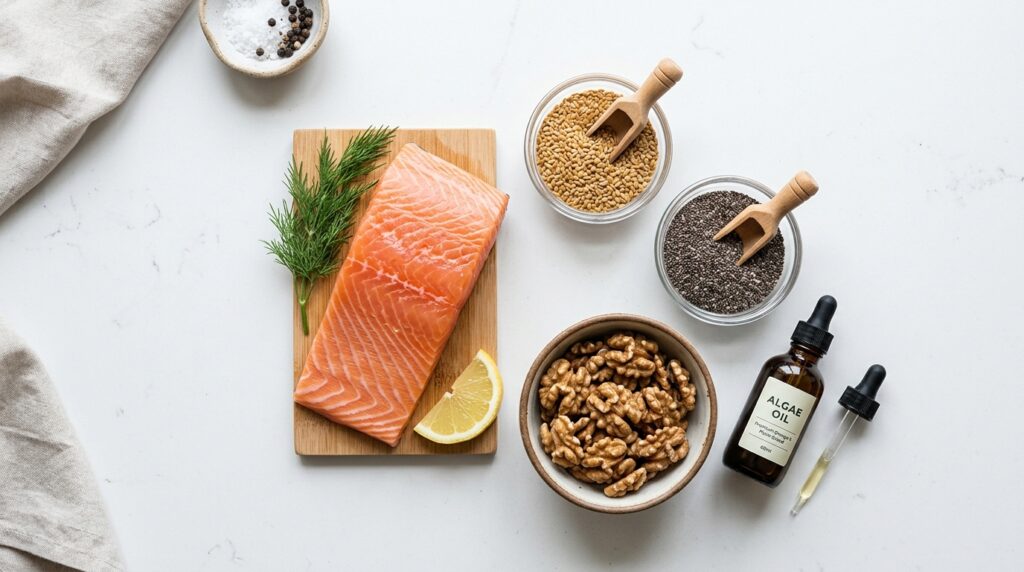
Algae is the original source of the EPA and DHA found in fish — fish accumulate these fatty acids by consuming algae. For vegetarians, vegans, or those who simply do not enjoy seafood, algae-based omega-3 supplements and algae oil are a direct and effective alternative. Algae oil contains preformed EPA and DHA rather than ALA, making it the most bioavailable plant-based option for meeting omega-3 needs that specifically support heart health.
Conclusion
Omega-3 fatty acids are among the most heart-protective nutrients known to nutrition science, and getting them consistently from food is one of the smartest investments you can make in your cardiovascular health. Fatty fish like salmon, mackerel, and sardines provide the most potent forms of EPA and DHA, while plant-based options like walnuts, flaxseeds, and chia seeds offer meaningful ALA. Aim to include omega-3-rich foods in your diet several times per week, and consider algae oil as a supplement if seafood is not part of your regular eating pattern.
Frequently Asked Questions
How much omega-3 do I need per day for heart health? Most health organizations recommend at least 250 to 500 milligrams of combined EPA and DHA per day for general heart health. For people with existing heart disease or high triglycerides, higher amounts under medical supervision may be beneficial.
Is it better to get omega-3s from food or supplements? Whole food sources are generally preferred because they provide additional nutrients and fiber alongside omega-3s. However, fish oil or algae oil supplements can be a useful complement for people who do not eat enough omega-3-rich foods regularly.
Are canned fish as healthy as fresh fish for omega-3 content? Yes. Canned salmon, sardines, and mackerel retain most of their omega-3 content and are a convenient, affordable option. Look for varieties packed in water or olive oil rather than sunflower or soybean oil to preserve the omega-3 to omega-6 balance.
Related Articles
Best Omega-3 Foods for Heart Health Best Foods for Heart Health Foods That Reduce the Risk of Heart Disease