Introduction
If there is one nutrient that consistently stands out in weight loss research, it is protein. Eating enough protein helps you feel full longer, reduces overall calorie intake, and supports your body in preserving lean muscle while burning fat. The challenge for many people is knowing which protein sources are most effective and easiest to include in a daily diet. This guide covers the best protein foods for weight loss and explains why each one belongs on your plate.
Why Protein Is Essential for Weight Loss
Protein plays several important roles when you are trying to lose weight. First, it has a high thermic effect, meaning your body burns more calories digesting protein than it does digesting carbohydrates or fat. Second, protein stimulates the release of satiety hormones that signal fullness to your brain, which naturally reduces how much you eat throughout the day. Third, adequate protein intake helps maintain muscle mass during a calorie deficit, which keeps your metabolism running efficiently. Together, these effects make protein one of the most powerful tools in a weight loss diet.
1. Chicken Breast
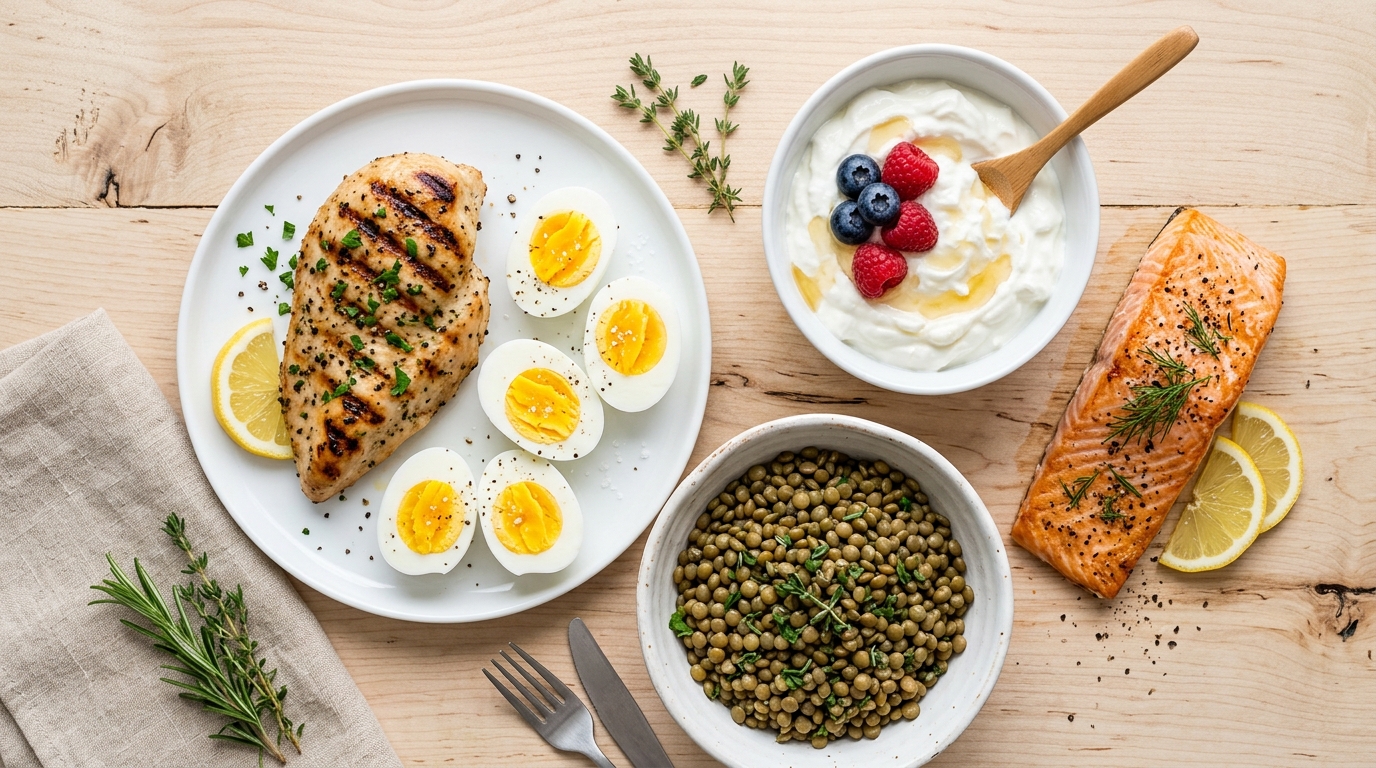
Chicken breast is one of the leanest and most versatile protein sources available. A single cooked serving provides around 26 grams of protein with very little fat. Because it is mild in flavor, chicken breast pairs well with a wide range of herbs, spices, and vegetables. Grilling, baking, or poaching keeps the calorie count low while preserving its nutritional value. For anyone focused on weight loss, chicken breast is a dependable and affordable staple.
2. Eggs
Eggs are one of the most nutrient-dense foods you can eat, and they are particularly effective for weight management. A single large egg contains about 6 grams of protein along with vitamins B12 and D, healthy fats, and choline. Studies have shown that eating eggs at breakfast can significantly reduce calorie intake later in the day. The combination of protein and fat in eggs promotes lasting satiety that helps prevent unnecessary snacking.
3. Greek Yogurt
Greek yogurt is strained to remove excess liquid, resulting in a thicker product with nearly double the protein of regular yogurt. A standard serving contains around 15 to 20 grams of protein, making it one of the best high-protein snacks available. Plain, unsweetened Greek yogurt is low in calories and also contains beneficial probiotics that support gut health. Adding a handful of berries gives you a filling, nutrient-rich snack that supports weight loss goals.
4. Cottage Cheese
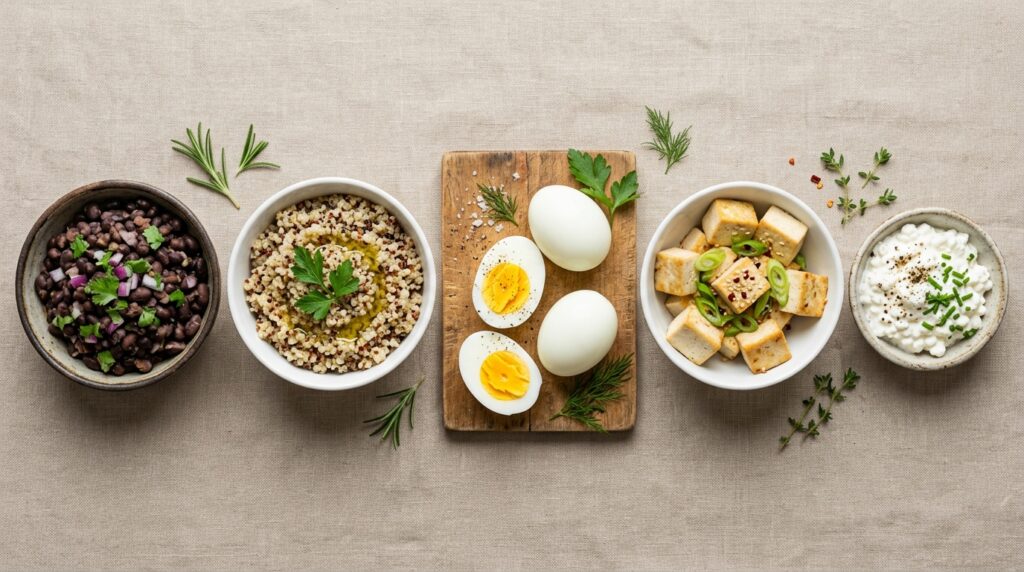
Cottage cheese is underrated when it comes to weight loss. It is high in casein protein, a slow-digesting form of protein that keeps hunger at bay for an extended period. One cup of low-fat cottage cheese delivers roughly 25 grams of protein with moderate calories. It works well as a breakfast option, a post-workout snack, or a base for savory toppings like tomatoes, cucumber, and herbs.
5. Canned Tuna
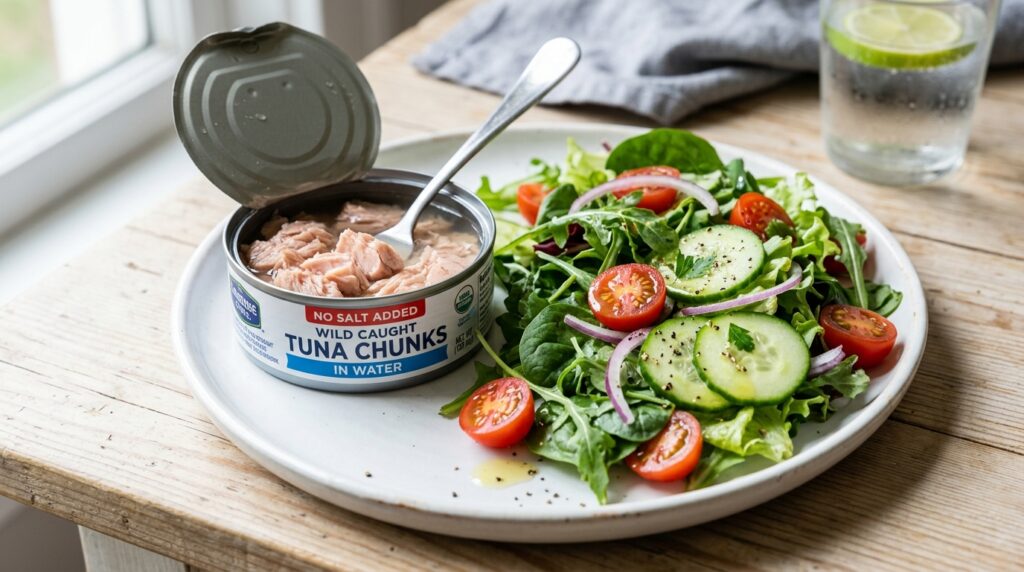
Canned tuna is one of the most convenient and affordable high-protein foods on the market. A single can packed in water contains approximately 25 grams of protein with very few calories and almost no fat. Tuna is also a good source of omega-3 fatty acids, which support fat metabolism and help reduce inflammation. It can be added to salads, whole grain crackers, or wraps for a quick high-protein meal.
If you are looking for more ways to build a complete weight loss approach, check out our guide on the best healthy meal plan for weight loss for a structured weekly framework.
6. Salmon
Salmon stands out among protein foods because it combines high-quality protein with heart-healthy omega-3 fatty acids. A cooked fillet provides around 22 to 25 grams of protein while also delivering nutrients like selenium, B vitamins, and astaxanthin. Omega-3s have been shown to help reduce visceral fat and support a healthier metabolism over time. Eating salmon two to three times per week is a smart strategy for both weight loss and overall health.
7. Lentils
For plant-based eaters, lentils are one of the best protein sources available. One cooked cup contains approximately 18 grams of protein along with a substantial amount of dietary fiber. This combination of protein and fiber makes lentils exceptionally filling. They also have a low glycemic index, which means they cause a gradual rise in blood sugar rather than a sharp spike. Lentils work well in soups, stews, grain bowls, and salads.
8. Black Beans
Black beans are another excellent plant-based protein option. One cup of cooked black beans provides about 15 grams of protein and 15 grams of fiber. The fiber content alone makes black beans a powerful weight loss food, as fiber absorbs water and slows digestion to create prolonged feelings of fullness. Black beans are also rich in antioxidants and minerals like magnesium and iron, making them a nutritionally complete addition to any meal.
9. Tofu
Tofu is a soy-based protein that absorbs the flavors of whatever it is cooked with, making it highly adaptable. A half-cup serving provides around 10 grams of protein with minimal fat. Firm tofu can be baked, stir-fried, or crumbled into dishes, while silken tofu works well in smoothies and sauces. As a plant-based protein, tofu is suitable for vegetarians and vegans and provides a range of essential amino acids that support muscle maintenance during weight loss.
10. Quinoa
Quinoa is technically a seed but is commonly classified as a grain, and it is one of the few plant foods that contains all nine essential amino acids. One cooked cup provides about 8 grams of protein along with complex carbohydrates, fiber, and key minerals like magnesium and zinc. Quinoa is also gluten-free, making it a good choice for those with gluten sensitivities. Using quinoa as a base for meals instead of white rice or pasta is a simple swap that increases both protein and nutrient density.
Conclusion
Choosing the right protein foods is one of the most effective steps you can take toward reaching your weight loss goals. Whether you prefer animal-based options like chicken, eggs, and salmon or plant-based choices like lentils, beans, and tofu, all of the foods on this list deliver high-quality protein along with valuable nutrients. Aim to include a protein source in every meal and most snacks. Over time, this habit will help you feel more satisfied, eat less overall, and support a healthier, leaner body.
Frequently Asked Questions
How much protein do I need for weight loss? Most nutrition guidelines recommend consuming between 0.7 and 1 gram of protein per pound of body weight when trying to lose weight. This range supports muscle preservation and helps control appetite throughout the day.
Is it better to eat animal or plant protein for weight loss? Both animal and plant proteins can support weight loss effectively. Animal proteins are often more complete and higher in bioavailability, while plant proteins typically come with additional fiber and antioxidants. A mix of both tends to provide the best nutritional outcomes.
Can eating too much protein slow down weight loss? Protein itself is unlikely to stall weight loss, but consuming excessive calories from any source, including protein, can prevent a calorie deficit. Focusing on high-protein, lower-calorie foods like chicken breast, eggs, and legumes is the most balanced approach.
Related Articles
- Best Foods for Weight Loss
- Foods That Speed Up Your Metabolism
- Best High-Fiber Foods for Weight Loss