Introduction
Some of the most powerful anti-inflammatory substances on earth are already sitting in your kitchen cabinet. Spices have been used for thousands of years in traditional medicine across Asia, the Middle East, and the Mediterranean — and modern science is now validating what these traditions knew all along. Specific compounds in spices can inhibit inflammatory enzymes, neutralize free radicals, and reduce levels of pro-inflammatory proteins in the blood.
Unlike pharmaceutical anti-inflammatories, which often come with side effects, culinary spices deliver their benefits as part of a balanced, whole-food diet. Used consistently, they can make a genuine difference in how your body manages inflammation over time.
Here are the best spices for reducing inflammation and the research-backed reasons they work.
Why Spices Are Effective Anti-Inflammatory Tools
Spices derive their potency from concentrated phytochemicals — compounds plants produce to protect themselves from pathogens, UV radiation, and environmental stress. When we consume these compounds, many of them interact directly with human inflammatory pathways. They can suppress the activity of NF-kB (a master regulator of inflammation), inhibit COX enzymes that produce inflammatory prostaglandins, and reduce circulating levels of cytokines like TNF-alpha and interleukin-6.
While no spice is a replacement for a healthy overall diet, adding anti-inflammatory spices generously and consistently to your food is a practical and evidence-supported strategy for managing chronic inflammation.
10 Best Spices for Reducing Inflammation
1. Turmeric
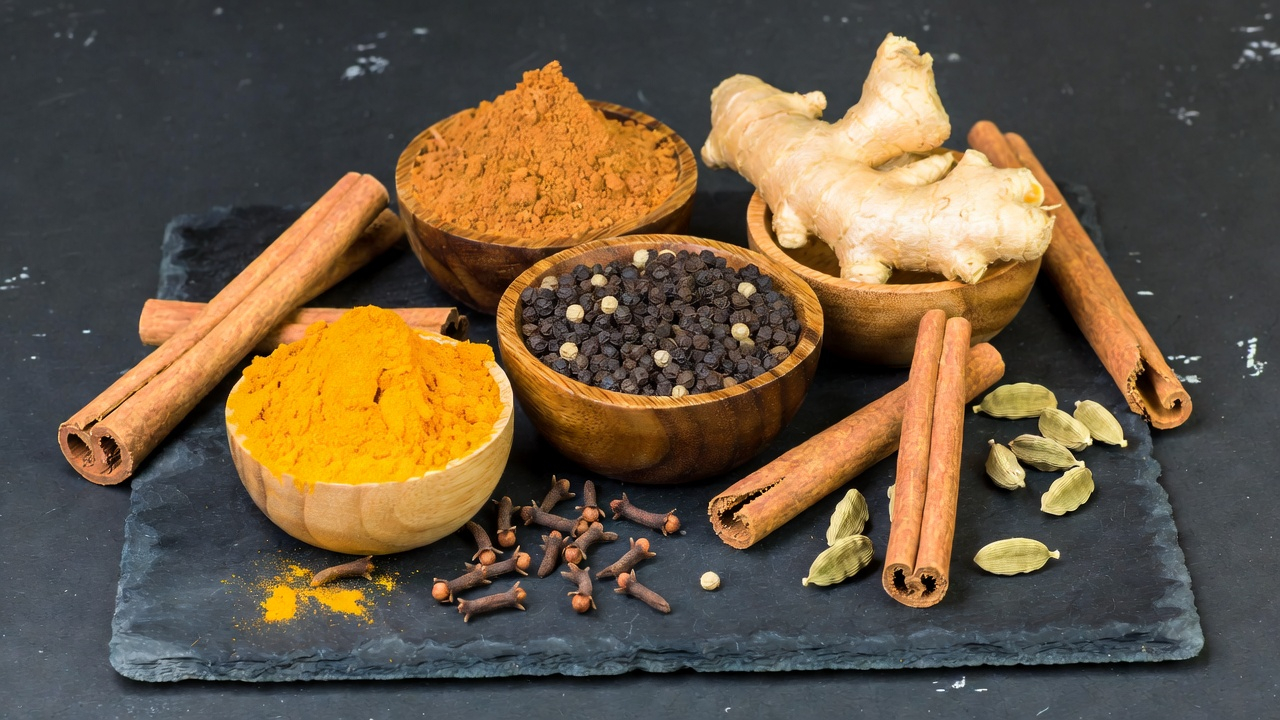
Turmeric is arguably the most well-studied anti-inflammatory spice in the world. Its active compound, curcumin, has been shown in hundreds of studies to inhibit multiple inflammatory pathways simultaneously. Curcumin blocks NF-kB, reduces COX-2 activity, and lowers circulating inflammatory cytokines. For maximum absorption, always consume turmeric with black pepper — piperine in pepper increases curcumin bioavailability by up to 2,000 percent. Add turmeric to curries, soups, roasted vegetables, or golden milk.
2. Ginger
Fresh and dried ginger both contain gingerols and shogaols, bioactive compounds with potent anti-inflammatory and antioxidant effects. Ginger has been shown to reduce CRP levels and may be particularly effective at reducing inflammation associated with exercise, arthritis, and metabolic syndrome. Interestingly, dried ginger contains higher concentrations of shogaols — which are formed from gingerols during the drying process — making dried ginger powder an especially potent option.
3. Cinnamon
Cinnamon contains cinnamaldehyde and cinnamic acid, compounds that have demonstrated significant anti-inflammatory activity in research settings. Ceylon cinnamon (also called true cinnamon) is preferred over Cassia cinnamon for regular use, as it contains far lower levels of coumarin, a compound that can be harmful in large amounts. Cinnamon is particularly valuable for people with elevated blood sugar, as it also improves insulin sensitivity — and high blood sugar is itself a major driver of inflammation.
4. Black Pepper
Beyond its role in enhancing curcumin absorption, black pepper has its own anti-inflammatory credentials. Piperine — the compound responsible for pepper’s pungency — has been shown to inhibit NF-kB and reduce the production of inflammatory cytokines. It also has antioxidant properties. Black pepper is one of the easiest spices to incorporate more generously into your cooking, and the evidence for its benefits at culinary doses is encouraging.
5. Cayenne Pepper and Chili
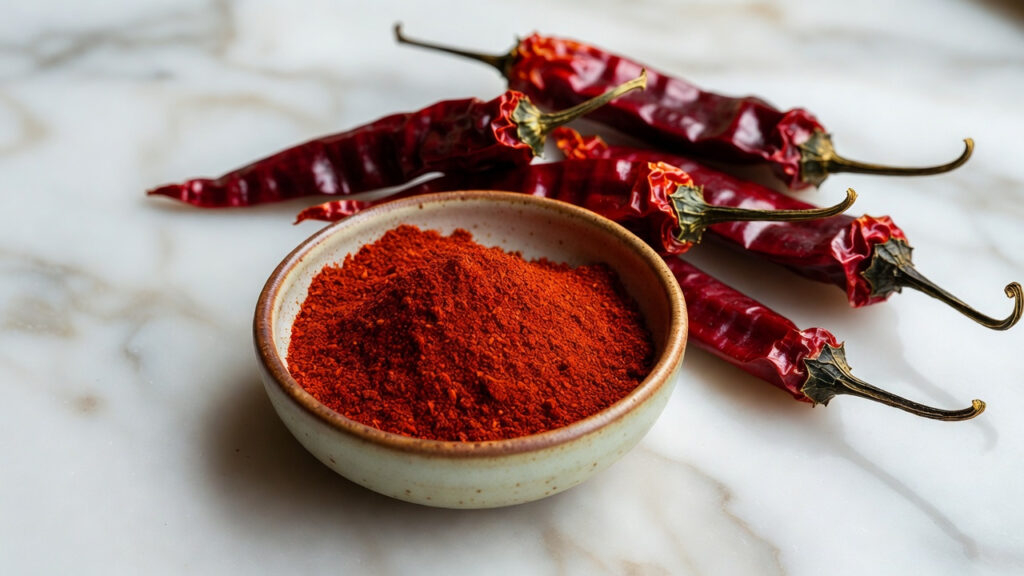
Capsaicin, the compound that makes chili peppers hot, is a well-established anti-inflammatory agent. It works in part by depleting substance P, a neuropeptide involved in pain and inflammation signaling. Capsaicin is used topically in creams for arthritis and nerve pain, but dietary consumption also has systemic anti-inflammatory effects. Regular chili consumption is associated with lower levels of inflammatory markers and reduced cardiovascular disease risk.
6. Cloves
Cloves have one of the highest antioxidant values of any spice, largely due to eugenol, a phenolic compound with powerful anti-inflammatory properties. Eugenol inhibits COX-2 activity — similarly to the mechanism targeted by many anti-inflammatory medications. Cloves also contain beta-caryophyllene, a terpene found in several anti-inflammatory plants that activates cannabinoid receptors involved in pain and inflammation regulation. Use cloves in warm drinks, spice blends, and baked goods.
7. Rosemary
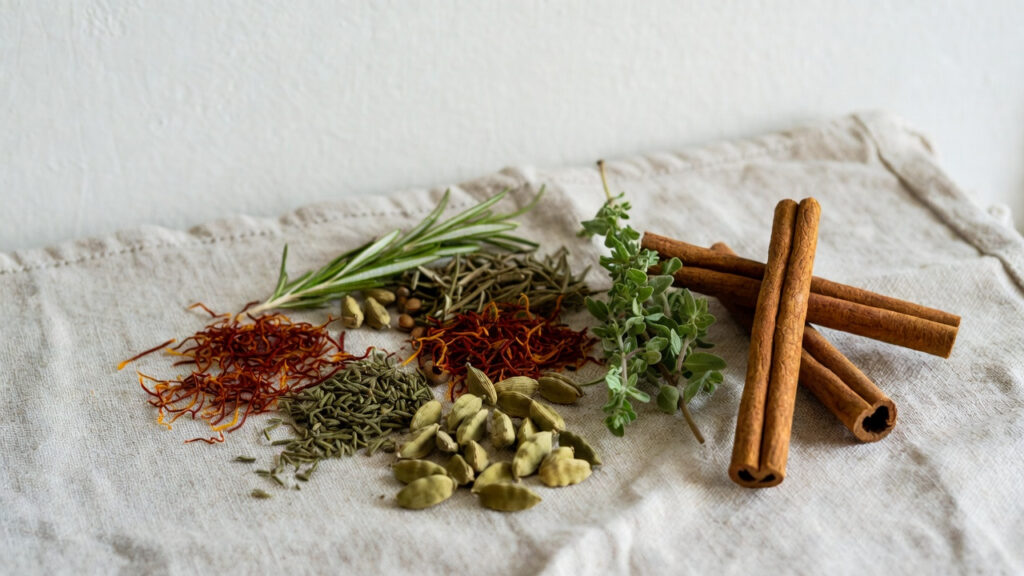
Rosemary contains rosmarinic acid and carnosic acid, polyphenols with significant antioxidant and anti-inflammatory activity. Research has shown that rosemary extract reduces levels of several pro-inflammatory cytokines and may help protect against neuroinflammation in particular. Rosemary pairs exceptionally well with roasted meats, vegetables, and olive oil — a combination that synergistically enhances the anti-inflammatory value of a meal.
8. Cardamom
Cardamom contains compounds including indole-3-carbinol and diindolylmethane (DIM) that have been shown to reduce inflammatory activity. Clinical studies have found that regular cardamom supplementation can significantly lower CRP and other inflammatory markers in people with metabolic syndrome. Its warm, aromatic flavor makes it an excellent addition to coffee, tea, oatmeal, and rice dishes — and a little goes a long way.
9. Oregano
Oregano is exceptionally rich in carvacrol and thymol, two phenolic compounds with strong anti-inflammatory and antimicrobial properties. Carvacrol in particular has been shown to inhibit NF-kB and reduce the production of inflammatory proteins. Oregano oil is even more concentrated, but fresh or dried culinary oregano provides meaningful anti-inflammatory benefit when used generously. It works beautifully in Mediterranean dishes, tomato sauces, and roasted vegetables.
10. Saffron
Saffron — the world’s most expensive spice by weight — contains crocin and safranal, compounds with impressive anti-inflammatory and antioxidant properties. Research has shown that saffron can significantly reduce levels of inflammatory markers and has demonstrated particular promise in studies on depression, which has a strong inflammatory component. A small pinch in rice dishes, soups, or warm milk is all that is needed to access its benefits.
Conclusion
The best anti-inflammatory spice cabinet includes turmeric, ginger, cinnamon, black pepper, cayenne, cloves, rosemary, cardamom, oregano, and saffron. These are not exotic supplements — they are accessible, affordable, and can be incorporated into your everyday cooking with minimal effort.
The key is consistency over intensity. A small amount of these spices used daily across a variety of dishes will have a far greater long-term effect than a single high-dose supplement taken sporadically. Start by adding turmeric and ginger to one meal a day, then build from there. Your body will feel the difference over time.