Introduction
Fatigue is one of the most common complaints in modern life. Between demanding schedules, poor sleep, and diets full of processed foods, it is no wonder so many people feel drained before the day is halfway through. The good news is that what you eat can make a significant difference in how energized you feel from morning to night.
Superfoods are nutrient-dense foods that go beyond basic nutrition. They deliver concentrated amounts of vitamins, minerals, antioxidants, and bioactive compounds that support your body at the cellular level. When it comes to energy and vitality, certain superfoods stand out for their ability to fuel the body more effectively and sustainably than caffeine or sugar ever could.
This guide covers the best superfoods for energy and vitality and explains how each one works and how to incorporate it into your daily routine.
Why Energy Matters More Than You Think
Persistent low energy is not just an inconvenience. Chronic fatigue affects concentration, mood, immune function, and long-term health. Unlike coffee or energy drinks, which often produce a sharp spike followed by a crash, food-based energy comes from nutrients your cells can actually use over time.
B vitamins, iron, magnesium, and complex carbohydrates all play essential roles in ATP production, the biochemical process that powers every cell in your body. A diet rich in the right superfoods helps maintain steady blood sugar, reduce oxidative stress, and support mitochondrial function. The result is not just more energy, but better mental clarity, improved mood, and stronger physical endurance throughout the day.
If you are also dealing with brain fog alongside low energy, you may want to explore our guide on foods that cause brain fog and what to eat instead.
1. Maca Root
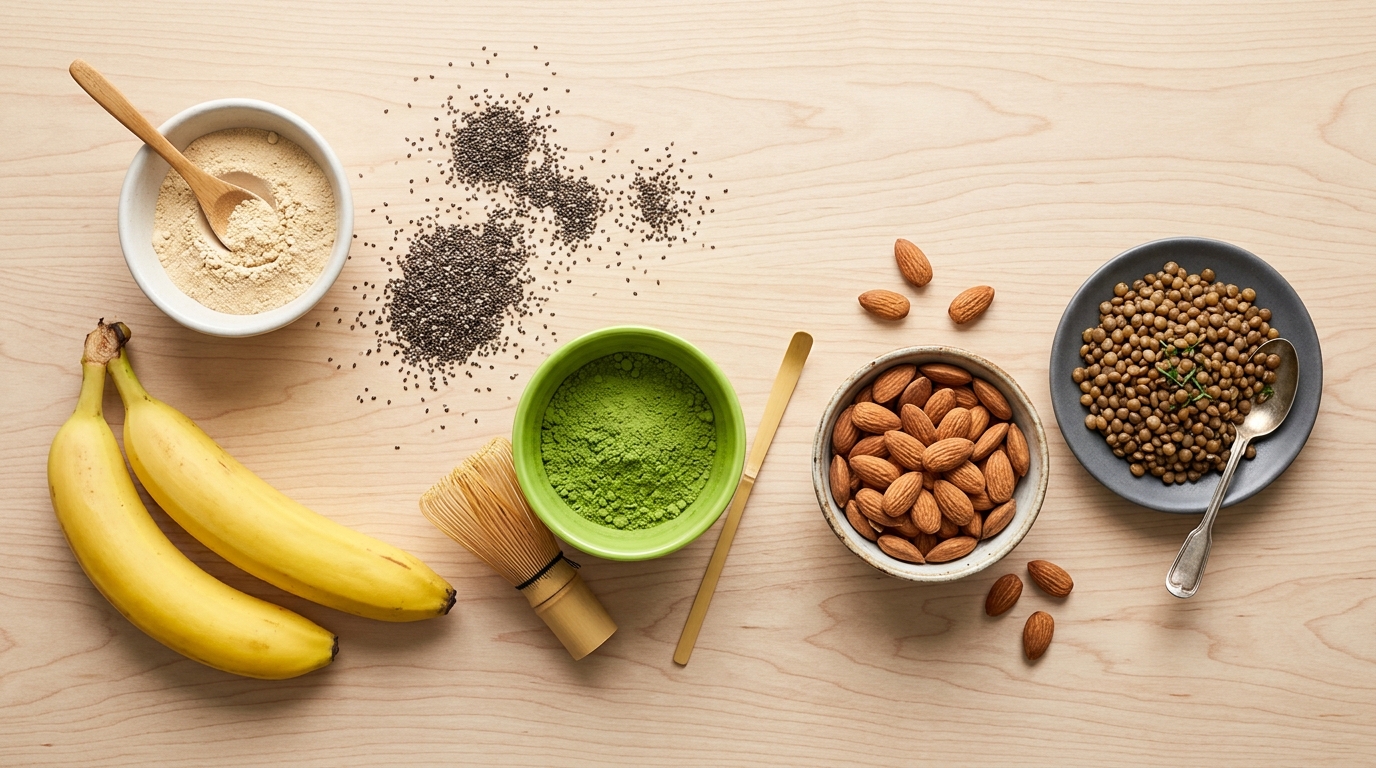
Maca is a root vegetable native to the Andes mountains of Peru, where it has been used for centuries to increase stamina and endurance. It is rich in B vitamins, vitamin C, iron, and adaptogenic compounds that help the body respond more effectively to stress, which is one of the primary drivers of fatigue.
Maca does not contain caffeine, yet research suggests it may support energy levels by improving hormonal balance and moderating cortisol output. It has a subtly earthy, nutty flavor and blends well into smoothies, oatmeal, or baked goods. Start with one teaspoon per day and increase gradually based on your tolerance.
2. Chia Seeds
Chia seeds are among the most concentrated plant-based sources of omega-3 fatty acids, fiber, and protein available. When they absorb liquid, they expand and form a gel-like consistency in the stomach that slows digestion and provides a steady, sustained release of energy throughout the day.
Two tablespoons of chia seeds contain approximately 10 grams of fiber and 4 grams of protein. Their hydrating properties also make them particularly valuable for active individuals. Stir them into yogurt, blend them into smoothies, make a chia pudding, or sprinkle them over salads for a simple nutritional upgrade.
3. Quinoa
Quinoa is one of the few plant foods that qualifies as a complete protein, containing all nine essential amino acids. It is also rich in complex carbohydrates, magnesium, iron, and B vitamins, all of which are directly involved in energy metabolism at the cellular level.
Because quinoa is high in both fiber and protein, it digests slowly and delivers sustained energy without the crash that follows refined grains or white rice. It is also naturally gluten-free, making it accessible to those with grain sensitivities. Use it as a base for grain bowls, salads, or anywhere you would normally use rice.
4. Matcha
Matcha is a powdered form of green tea containing a unique combination of caffeine and L-theanine, an amino acid that promotes calm, focused mental clarity. Unlike coffee, which tends to produce jitteriness and an abrupt energy drop, matcha delivers a smooth, sustained alertness without the anxious edge.
Matcha is also loaded with antioxidants called catechins, particularly EGCG, which support cellular health and metabolic function. One cup provides a gentler caffeine lift than coffee combined with mental focus that can last for several hours, making it an excellent morning or early afternoon energy source.
5. Beets
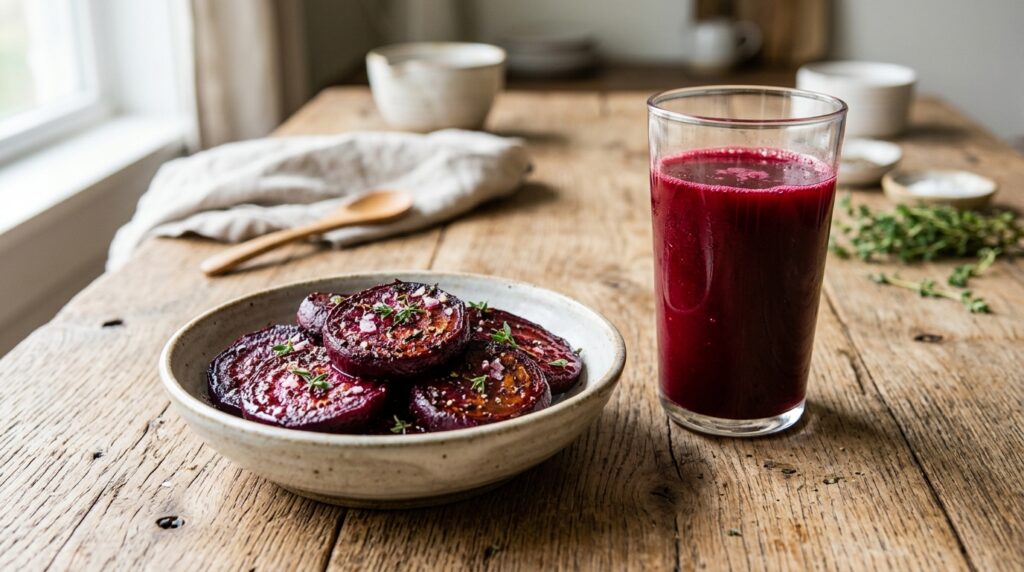
Beets are among the most effective natural performance foods available. They are high in dietary nitrates, which the body converts into nitric oxide, a compound that relaxes blood vessels and improves oxygen delivery to both muscles and the brain. This translates directly into better physical endurance and reduced feelings of fatigue.
Research has shown that beet juice can improve athletic performance and lower the oxygen cost of moderate exercise. Beets are also rich in iron, folate, and natural sugars that offer a quick but manageable energy boost. Enjoy them roasted, diced into salads, or pressed into fresh juice.
6. Spirulina
Spirulina is a blue-green algae and one of the most nutrient-dense foods on the planet. It is packed with complete protein, B vitamins including B12 for plant-based eaters, iron, and chlorophyll, all of which contribute to energy production and help address common nutritional causes of fatigue.
Studies suggest spirulina may help reduce exercise-induced fatigue and improve endurance over time. A single tablespoon delivers more iron than many animal products. Its strong flavor is best blended into a smoothie with tropical fruit or mixed into green juice where it becomes nearly undetectable.
7. Oats
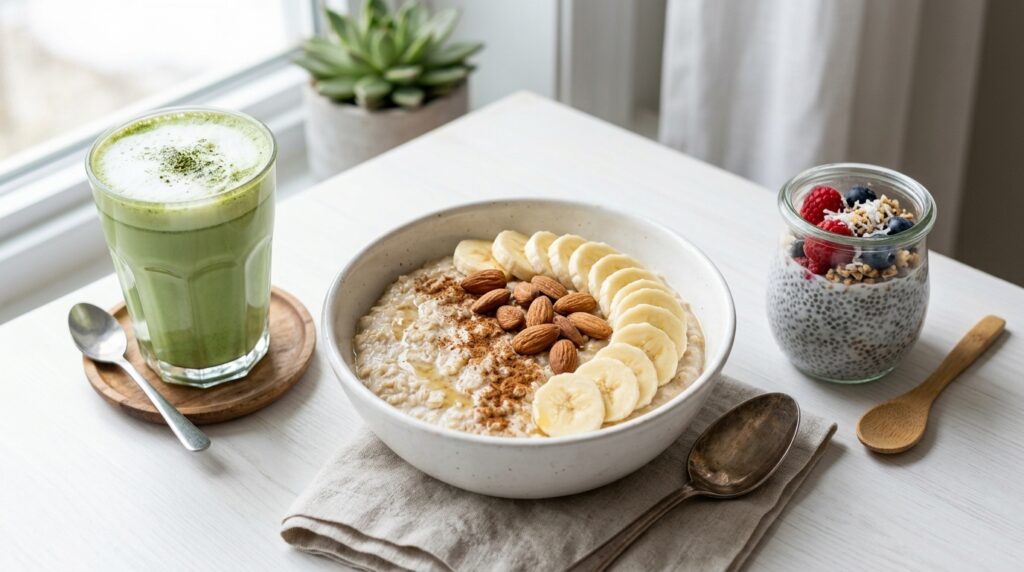
Oats are one of the most reliable everyday superfoods for sustained energy. They are rich in complex carbohydrates, beta-glucan soluble fiber, and B vitamins that work together to ensure a slow, steady release of glucose into the bloodstream. Unlike sugary cereals or pastries, oats keep energy levels stable for hours after eating.
Steel-cut and rolled oats offer the greatest nutritional benefit. Pair them with a protein source such as Greek yogurt, almond butter, or eggs to build a breakfast that delivers both immediate and long-lasting energy throughout the morning.
8. Bananas
Bananas are one of nature’s most practical energy foods. They contain three forms of natural sugar, glucose for quick fuel, fructose for sustained release, and sucrose for moderate speed, along with fiber that moderates how rapidly those sugars enter the bloodstream. This combination makes them ideal before and during physical activity.
Bananas are also rich in potassium, which is critical for proper muscle function, and vitamin B6, which helps the body convert food into usable energy. They require no preparation, travel well, and are among the most affordable superfoods on any grocery shelf.
9. Almonds
Almonds are a nutrient powerhouse for combating energy dips. They contain healthy monounsaturated fats, protein, magnesium, and riboflavin, a B vitamin that directly supports energy production within cells.
Magnesium is particularly important here because deficiency in this mineral is closely linked to chronic fatigue. It plays a direct role in ATP synthesis, the process that generates cellular energy. A small handful of almonds between meals can stabilize blood sugar, reduce afternoon energy crashes, and provide lasting fuel without excess calories.
10. Lentils
Lentils are a highly underrated energy superfood. They are an excellent source of plant-based protein, complex carbohydrates, iron, and folate, all key nutrients for fighting fatigue, especially in those who follow plant-based or lower-meat diets.
Iron from lentils supports oxygen transport in the blood, and insufficient iron intake is one of the most common nutritional contributors to persistent tiredness. Pair lentils with vitamin C-rich foods like tomatoes or bell peppers to significantly improve the absorption of plant-based iron.
Conclusion
Sustained energy does not require expensive supplements or stimulants. The best superfoods for energy and vitality are whole, nutrient-dense foods that work with your body’s natural systems. From the adaptogenic strength of maca to the oxygen-enhancing effects of beets and the steady fuel of oats and lentils, each of these foods offers a distinct, evidence-based path to lasting vitality. Start by adding two or three of these into your daily meals and observe how your energy and endurance improve over time.
Frequently Asked Questions
What is the best superfood for quick energy? Bananas and beets are among the best options for fast energy. Bananas provide natural sugars and potassium for immediate fuel, while beets improve blood flow and oxygen delivery to muscles and the brain, which reduces the effort required during physical activity.
Can superfoods replace coffee for energy? Matcha is the closest natural alternative to coffee, offering a comparable caffeine boost alongside L-theanine, which reduces jitteriness and promotes calm focus. For caffeine-free energy support, maca root and chia seeds are highly effective options.
How long does it take for energy superfoods to show results? Some effects, such as improved blood sugar stability from oats or chia seeds, can be noticed within hours of eating. Adaptogens like maca may require two to four weeks of consistent daily use before meaningful changes in energy and vitality become apparent.
Related Articles
Best Superfoods for Gut Health Most Powerful Antioxidant-Rich Superfoods Best Superfoods for Glowing Skin