Introduction
Healthy, glowing skin is not just a matter of what you apply topically — it is a reflection of what you nourish your body with from the inside. Your skin is the largest organ in the body, and like every other organ, its health is directly influenced by your nutritional status. Vitamins, minerals, antioxidants, healthy fats, and hydration all play distinct and essential roles in maintaining skin elasticity, reducing inflammation, protecting against UV damage, and supporting the production of collagen and other structural proteins.
If you have tried skincare products without achieving the results you are looking for, it may be time to look more closely at your diet. The right foods can transform your skin from the inside out — improving tone, texture, hydration, and resilience in ways that no cream can fully replicate.
Why Diet Is Fundamental to Skin Health
The skin undergoes continuous renewal, and the raw materials for that renewal come from your diet. Collagen, the protein that gives skin its firmness and elasticity, requires vitamin C, zinc, and amino acids for its synthesis. The skin barrier, which keeps moisture in and irritants out, depends on essential fatty acids. Antioxidants from food neutralize free radicals generated by sun exposure, pollution, and stress — free radicals that would otherwise accelerate aging and damage skin cells.
A diet rich in inflammatory foods like refined sugar, processed oils, and alcohol is consistently linked to acne, premature aging, dullness, and skin conditions like eczema and rosacea. Conversely, a diet rich in anti-inflammatory, antioxidant-dense whole foods tends to produce visible improvements in skin quality over time.
Best Superfoods for Glowing Skin
1. Avocados
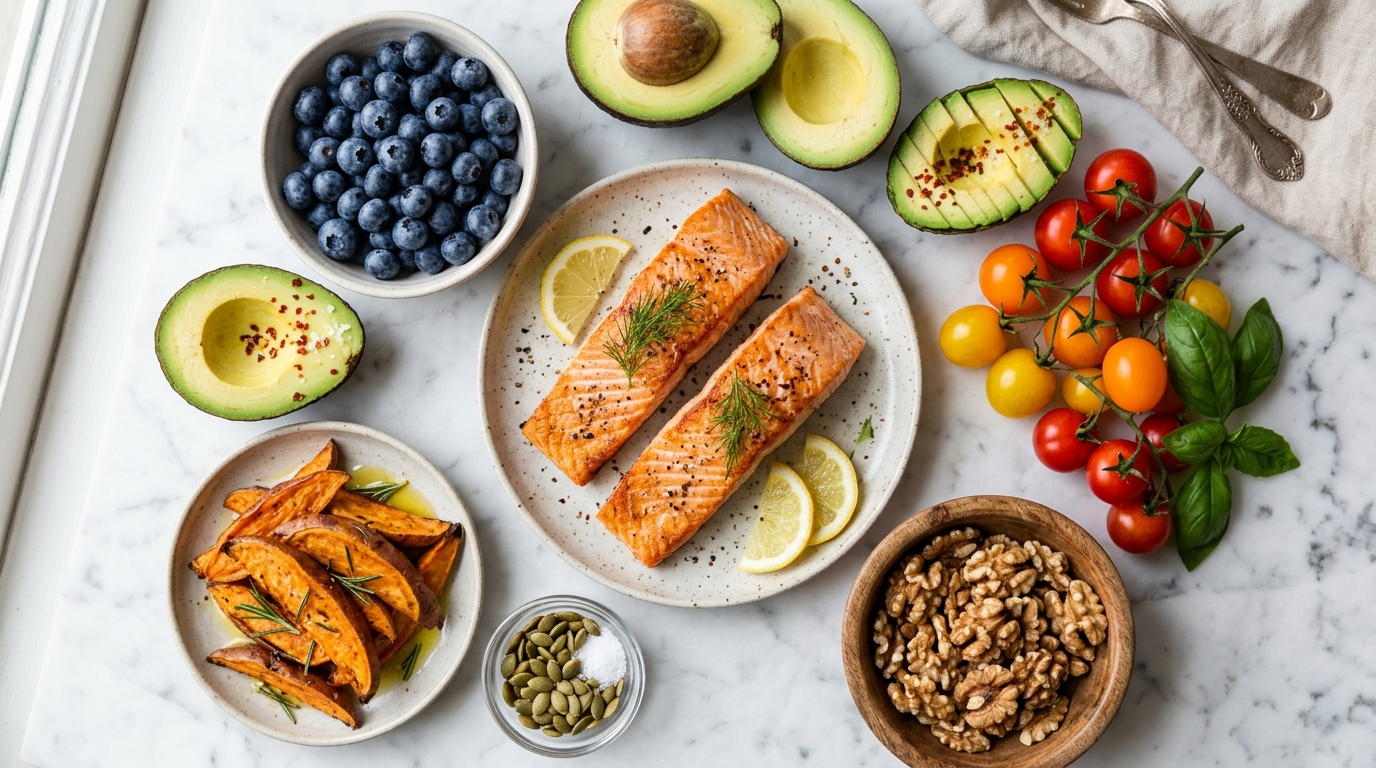
Avocados are one of the best dietary sources of vitamin E, a fat-soluble antioxidant that protects skin cells from oxidative damage and helps maintain the skin’s moisture barrier. They also provide vitamin C, which is required for collagen synthesis, and monounsaturated fats that support skin suppleness and hydration from within. Regular avocado consumption has been associated with better skin elasticity and fewer signs of photoaging in research studies.
2. Berries
Blueberries, strawberries, and raspberries are packed with vitamin C and anthocyanins, antioxidants that protect skin from free radical damage caused by UV exposure and environmental pollutants. Vitamin C is also a direct cofactor in collagen synthesis, making it indispensable for skin firmness and wound healing. Strawberries in particular provide more vitamin C per serving than oranges, making them an especially effective skin health food.
3. Fatty Fish
Salmon, sardines, and mackerel are rich in omega-3 fatty acids that are essential for maintaining the skin’s lipid barrier, which keeps skin hydrated and protects it from environmental damage. Omega-3s also have potent anti-inflammatory effects that can reduce redness, acne, and the severity of inflammatory skin conditions like psoriasis and eczema. Fatty fish also provides astaxanthin, a carotenoid antioxidant with demonstrated UV-protective and anti-aging effects on skin.
4. Sweet Potatoes
Sweet potatoes are one of the richest dietary sources of beta-carotene, a precursor to vitamin A that the body converts on demand. Vitamin A regulates skin cell turnover, reduces excess oil production, and helps prevent clogged pores. Beta-carotene also provides a degree of natural UV protection by accumulating in the skin and neutralizing free radicals generated by sun exposure. The orange color of sweet potatoes reflects their high carotenoid content, and eating them regularly can even impart a subtle, healthy warmth to skin tone.
5. Walnuts
Walnuts stand out as one of the few plant foods providing meaningful amounts of both omega-3 and omega-6 fatty acids in proportions that benefit skin health. They are also a good source of zinc, which is essential for wound healing, regulation of skin oil production, and protection against bacterial infection — all relevant to acne management. Vitamin E and selenium in walnuts add further antioxidant protection. A small handful of walnuts daily contributes meaningfully to skin nourishment.
If you are looking for a broader overview of the most nutritionally powerful foods to anchor your diet around, our guide on the 10 best superfoods you should eat daily covers many of the same ingredients in the context of overall wellness.

6. Green Tea
Green tea contains some of the highest concentrations of EGCG and other polyphenol antioxidants of any beverage. These compounds have been shown to reduce inflammation, protect against UV-induced skin damage, improve skin moisture and elasticity, and potentially reduce the risk of certain skin conditions. Both drinking green tea and applying it topically have demonstrated skin benefits in research, though dietary consumption is a natural and accessible starting point.
7. Tomatoes
Tomatoes are one of the best dietary sources of lycopene, a carotenoid antioxidant that provides significant protection against UV-related skin damage and helps maintain skin texture and collagen integrity. Lycopene in cooked tomatoes — such as in tomato sauce or paste — is significantly more bioavailable than in raw tomatoes, and its absorption is further enhanced by consuming tomatoes with a source of healthy fat. Regular tomato consumption has been linked to reduced skin redness after sun exposure and improved overall skin quality.
8. Dark Chocolate
High-quality dark chocolate with a cocoa content of 70 percent or higher is rich in flavanols — antioxidants that improve blood flow to the skin, increase skin hydration, and reduce sensitivity to UV radiation. Research has found that regular consumption of high-flavanol cocoa can measurably improve skin texture, moisture levels, and tolerance to sun exposure. The key is choosing dark chocolate with minimal added sugar and a high cocoa percentage, as milk chocolate and lower-quality varieties do not provide the same benefits.
9. Leafy Greens
Spinach, kale, and other dark leafy greens provide vitamin C, vitamin K, folate, and a range of antioxidants that support collagen production, reduce inflammation, and promote skin cell renewal. Vitamin K specifically plays a role in reducing dark circles under the eyes by supporting healthy blood clotting and circulation. Chlorophyll, the green pigment in these vegetables, has also been studied for its potential to reduce acne and improve skin clarity.
10. Pumpkin Seeds
Pumpkin seeds are one of the richest plant sources of zinc, a mineral essential for collagen production, wound healing, oil regulation, and protection against acne-causing bacteria. They also provide selenium, vitamin E, and omega-6 fatty acids that collectively support skin barrier integrity and antioxidant defense. A small handful of pumpkin seeds as a daily snack or sprinkled over salads and yogurt contributes meaningfully to skin-supporting nutrition.

Conclusion
Glowing skin starts at the cellular level, long before any topical product reaches the surface. By building your diet around foods that provide collagen-supporting nutrients, antioxidants, anti-inflammatory fats, and essential minerals, you create the internal conditions for skin that genuinely reflects good health. The improvements may be gradual, but they are real and lasting in a way that external treatments alone cannot achieve. Start with one or two of these superfoods and build from there — your skin will thank you.
Frequently Asked Questions
How long does it take for diet changes to improve skin? Skin cells turn over approximately every 28 to 40 days, so most people begin noticing improvements in hydration, clarity, and tone within four to six weeks of making consistent dietary changes. More significant improvements in elasticity and overall skin health tend to become visible over three to six months of sustained dietary improvement.
Is vitamin C the most important nutrient for skin? Vitamin C is critical for collagen synthesis and antioxidant protection, making it one of the most important skin nutrients. However, vitamin A, zinc, omega-3 fatty acids, vitamin E, and selenium all play distinct and essential roles. Optimal skin health depends on a broad spectrum of nutrients working together rather than any single compound.
Can certain foods worsen skin conditions like acne? Yes. High-glycemic foods, dairy products, and foods high in refined sugar and processed oils are associated with increased acne severity in some individuals. These foods can promote inflammation, elevate insulin-like growth factor levels, and stimulate excess sebum production — all of which contribute to acne development.
Related Articles
- 10 Best Superfoods You Should Eat Daily
- Most Powerful Antioxidant-Rich Superfoods
- Superfoods That Boost Your Immune System