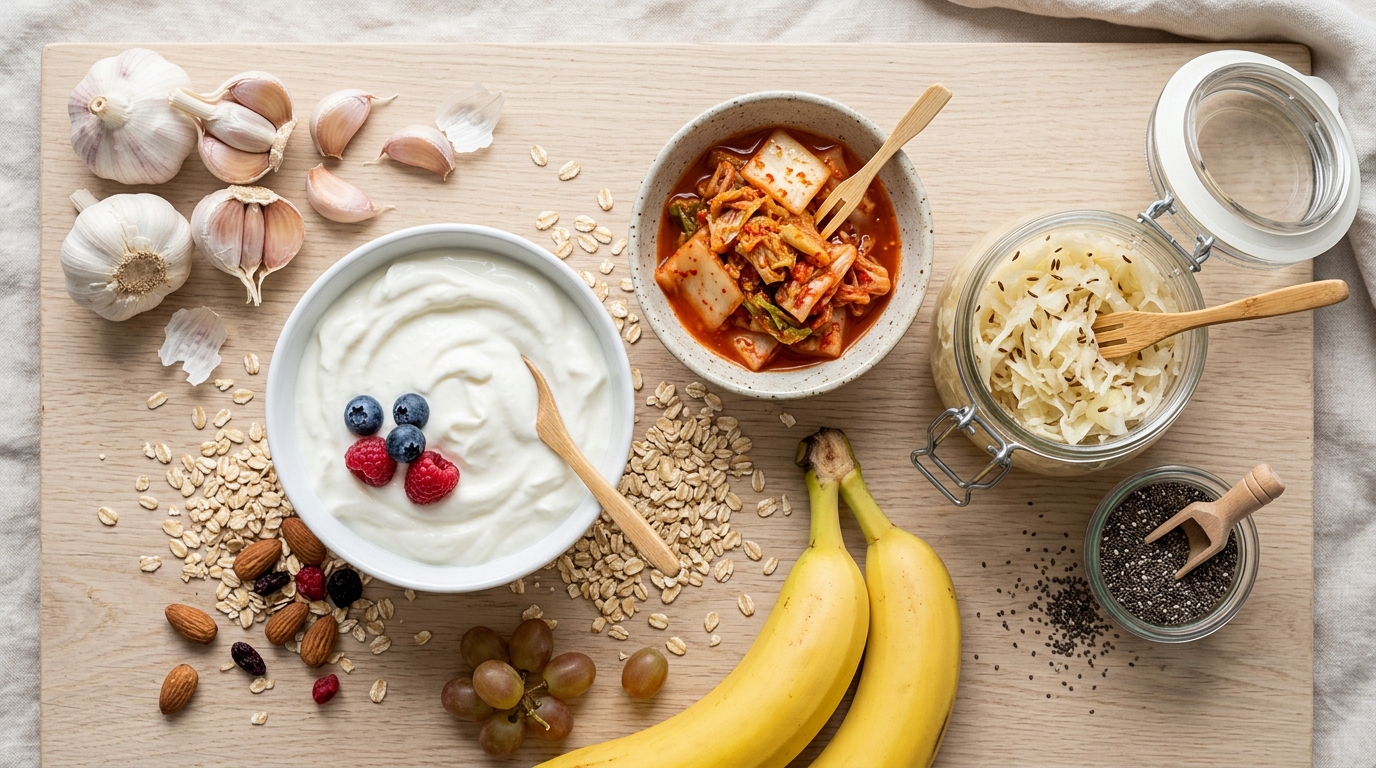
Introduction
Your gut is home to trillions of microorganisms that collectively form the gut microbiome, one of the most complex and influential systems in the human body. This internal ecosystem does far more than digest food. It regulates immune function, produces neurotransmitters that affect mood and cognition, synthesizes certain vitamins, and communicates constantly with the brain through what researchers call the gut-brain axis.
The health of your microbiome is shaped largely by what you eat. A diverse, plant-rich diet feeds beneficial bacteria and promotes microbial diversity, the single most important marker of a healthy gut. Certain superfoods stand out for their ability to actively nourish the gut lining, feed beneficial microbes, and restore microbial balance disrupted by stress, antibiotics, or poor diet.
This guide explores the best superfoods for gut health and explains how to incorporate them into your daily meals.
Why Gut Health Affects Your Whole Body
A healthy gut is foundational to overall health in ways that extend well beyond digestion. Research over the past two decades has established clear connections between gut microbiome composition and immune regulation, mental health, cardiovascular risk, metabolic function, and even body weight.
When the microbiome is disrupted, a condition called dysbiosis, the resulting imbalance is linked to conditions including irritable bowel syndrome, inflammatory bowel disease, anxiety, depression, obesity, and autoimmune disorders. Restoring gut health through diet is one of the most evidence-supported strategies in modern nutritional medicine.
For a broader look at the gut-brain connection, our guide on gut health and mental health connection explores this relationship in greater depth.
1. Yogurt
Plain, unsweetened yogurt with live and active cultures is one of the most accessible and well-studied probiotic foods available. It contains billions of beneficial bacteria per serving, primarily Lactobacillus and Bifidobacterium strains, that help maintain healthy microbial balance in the gut.
Regular yogurt consumption has been linked in research to reduced symptoms of irritable bowel syndrome, improved lactose digestion, lower incidence of antibiotic-associated diarrhea, and reduced gut inflammation. Choose plain, full-fat or low-fat yogurt and add your own fruit or honey to avoid the excess sugar in flavored varieties.
2. Kefir
Kefir is a fermented dairy drink that contains significantly more bacterial strains and higher bacterial counts than most yogurts. It is made by fermenting milk with a complex mixture of bacteria and yeast that produces a wide range of probiotic strains along with organic acids, B vitamins, and enzymes.
Most people with lactose intolerance can tolerate kefir well because the fermentation process breaks down most of the lactose. Studies suggest kefir may help restore gut microbiome diversity after antibiotic use, reduce markers of gut inflammation, and improve bowel regularity. It can be drunk straight, blended into smoothies, or used as a base for overnight oats.
3. Sauerkraut
Sauerkraut is fermented cabbage and one of the oldest and most reliable probiotic foods in the world. Raw, unpasteurized sauerkraut contains live Lactobacillus bacteria and organic acids that directly benefit the gut environment. It is also rich in vitamin C, vitamin K, and fiber.
The key is to choose raw, refrigerated sauerkraut rather than the shelf-stable canned variety, which is pasteurized and therefore free of live bacteria. Add sauerkraut as a side to any meal, on sandwiches, or in grain bowls. Even small daily servings of two to three tablespoons contribute meaningfully to gut microbial diversity.
4. Kimchi
Kimchi is a traditional Korean fermented vegetable dish made from cabbage, radish, and a spiced paste. Like sauerkraut, it contains live Lactobacillus bacteria produced during fermentation, along with a diverse array of prebiotic fibers, vitamins, and bioactive compounds from chili, garlic, and ginger.
Research on kimchi specifically suggests it may help improve microbial diversity, reduce constipation, support immune function, and reduce markers of metabolic syndrome. It is widely available in Asian grocery stores and many mainstream supermarkets. Use it as a condiment, side dish, or ingredient in rice dishes and savory pancakes.
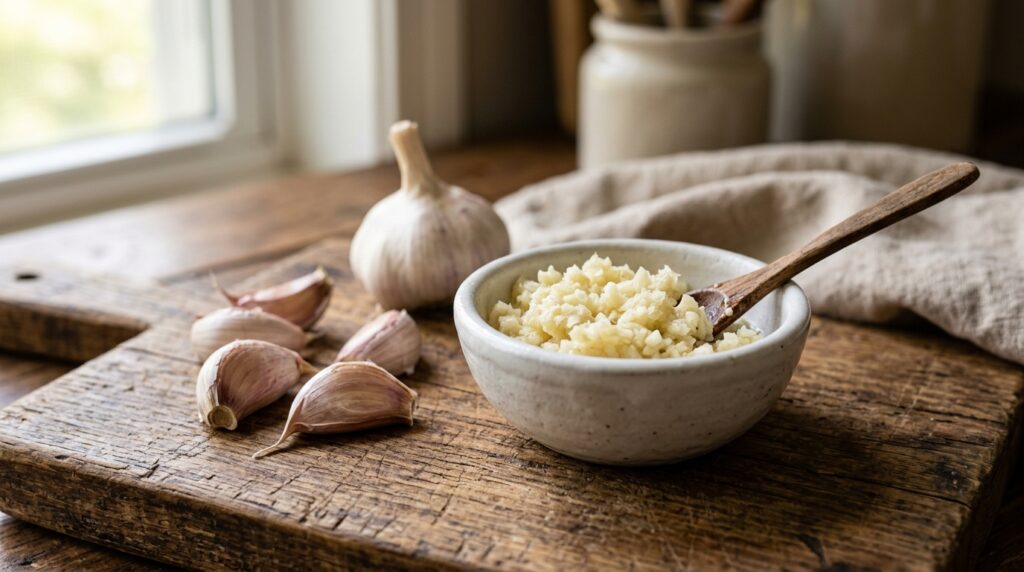
5. Garlic
Garlic is primarily a prebiotic food, meaning it feeds beneficial bacteria already living in the gut rather than introducing new ones. It is rich in inulin and fructooligosaccharides, non-digestible fibers that selectively stimulate the growth of Bifidobacterium and Lactobacillus species.
Garlic also contains allicin, a sulfur compound with antimicrobial properties that may help suppress harmful bacteria in the gut while sparing beneficial strains. Raw garlic offers the greatest prebiotic and antimicrobial benefit, though cooked garlic still provides significant value. Add it generously to nearly any savory dish.
6. Bananas
Slightly underripe bananas are an excellent and affordable prebiotic food. They are rich in resistant starch, a type of starch that resists digestion in the small intestine and reaches the colon intact, where it serves as fuel for beneficial bacteria like Bifidobacterium and Faecalibacterium prausnitzii.
As bananas ripen, their resistant starch converts to regular sugar, so a banana with a slight green tinge offers the most prebiotic benefit. Both ripe and unripe bananas also provide pectin, a soluble fiber that supports gut lining integrity and smooth bowel movement.
7. Chia Seeds
Chia seeds form a gel when they come into contact with water due to their high content of soluble fiber, primarily mucilage. This gel coats the digestive tract, slows digestion, feeds beneficial gut bacteria, and supports the regularity of bowel movements.
The soluble fiber in chia seeds is fermented by gut bacteria into short-chain fatty acids, particularly butyrate, which is the primary fuel source for colonocytes, the cells lining the colon. Butyrate production is strongly associated with reduced gut inflammation and a healthy gut barrier. Add chia seeds to smoothies, yogurt, or water for an easy daily fiber boost.
8. Oats
Oats are one of the richest dietary sources of beta-glucan, a soluble fiber with exceptional prebiotic properties. Beta-glucan is fermented by gut bacteria into short-chain fatty acids and has been shown in numerous studies to increase the abundance and diversity of beneficial gut microbes.
Regular oat consumption also supports cholesterol reduction, blood sugar control, and satiety, making oats one of the most multi-functional gut-supporting superfoods available. Steel-cut or rolled oats provide the most beta-glucan per serving compared to instant oats, which are more highly processed.
9. Asparagus
Asparagus is one of the best food sources of inulin, a prebiotic fiber that specifically nourishes Bifidobacterium species in the lower gut. It is also rich in folate, vitamin K, and antioxidants including glutathione, which supports gut lining integrity.
The inulin in asparagus can sometimes cause temporary bloating in people with sensitive digestive systems, particularly if eaten in large amounts. Start with smaller portions and increase gradually to allow your gut bacteria time to adapt. Steamed or roasted asparagus preserves most of its prebiotic value.
10. Almonds
Almonds support gut health through multiple mechanisms. They provide insoluble fiber that adds bulk to stool and supports bowel regularity, prebiotic compounds that feed beneficial bacteria, and polyphenols that reduce gut inflammation. Research has shown that regular almond consumption increases the abundance of beneficial Bifidobacterium and Lachnospiraceae strains.
Almonds also contain vitamin E and magnesium, two nutrients that support gut lining health and reduce intestinal inflammation. A handful of raw or dry-roasted almonds eaten daily is a simple and effective way to contribute to a healthier gut microbiome.
Conclusion
Your gut microbiome is one of your most valuable health assets, and it responds remarkably quickly to changes in diet. The best superfoods for gut health include both probiotics, foods containing live beneficial bacteria, and prebiotics, foods that feed and sustain those bacteria. Incorporating a variety of fermented foods alongside fiber-rich prebiotic vegetables, seeds, and grains gives your microbiome the diverse nutritional support it needs to thrive. A healthier gut means stronger immunity, better mood, improved digestion, and a lower risk of chronic disease. The investment is real, and so are the results.
Frequently Asked Questions
What is the best food to eat for gut health every day? Plain yogurt with live active cultures and oats are two of the best daily gut health foods. Yogurt provides probiotics that directly support microbial balance, while oats deliver beta-glucan fiber that feeds beneficial bacteria and promotes short-chain fatty acid production in the colon.
How long does it take to improve gut health through diet? Research suggests that meaningful changes in gut microbiome composition can begin within two to four weeks of consistent dietary improvements. However, lasting and significant changes in microbial diversity typically develop over several months of sustained dietary commitment. Some digestive symptoms may improve noticeably within just a few days of increasing fiber and fermented food intake.
Should I eat fermented foods every day? Yes, daily consumption of fermented foods is associated with greater gut microbial diversity and better digestive health outcomes compared to irregular consumption. Even small daily servings of yogurt, kefir, sauerkraut, or kimchi are more effective than large, occasional amounts. Introduce fermented foods gradually if you are not used to them to minimize temporary bloating.
Related Articles
Best Fermented Foods for Gut Health Gut Health and Mental Health Connection Best Prebiotic Foods You Should Eat Daily