Introduction
Belly fat is one of the most common and stubborn types of body fat, and it is also one of the most important to address for long-term health. Unlike subcutaneous fat found just beneath the skin, visceral fat stored deep around the abdominal organs is closely linked to an increased risk of type 2 diabetes, cardiovascular disease, and metabolic disorders. The good news is that diet plays a significant role in both reducing and preventing excess belly fat. This guide explores the best foods that help reduce belly fat and explains the science behind why they work.
Why Belly Fat Responds to Dietary Changes
Visceral belly fat is metabolically active and responds well to dietary interventions, particularly those that reduce inflammation, stabilize blood sugar, and support a calorie deficit. Foods high in refined carbohydrates and added sugar promote insulin spikes that signal the body to store fat around the abdomen. In contrast, foods that are high in fiber, protein, and anti-inflammatory compounds help regulate hormones, reduce fat storage, and gradually shrink visceral fat deposits. Combining these dietary changes with a moderate calorie deficit produces the most meaningful results over time.
1. Avocado
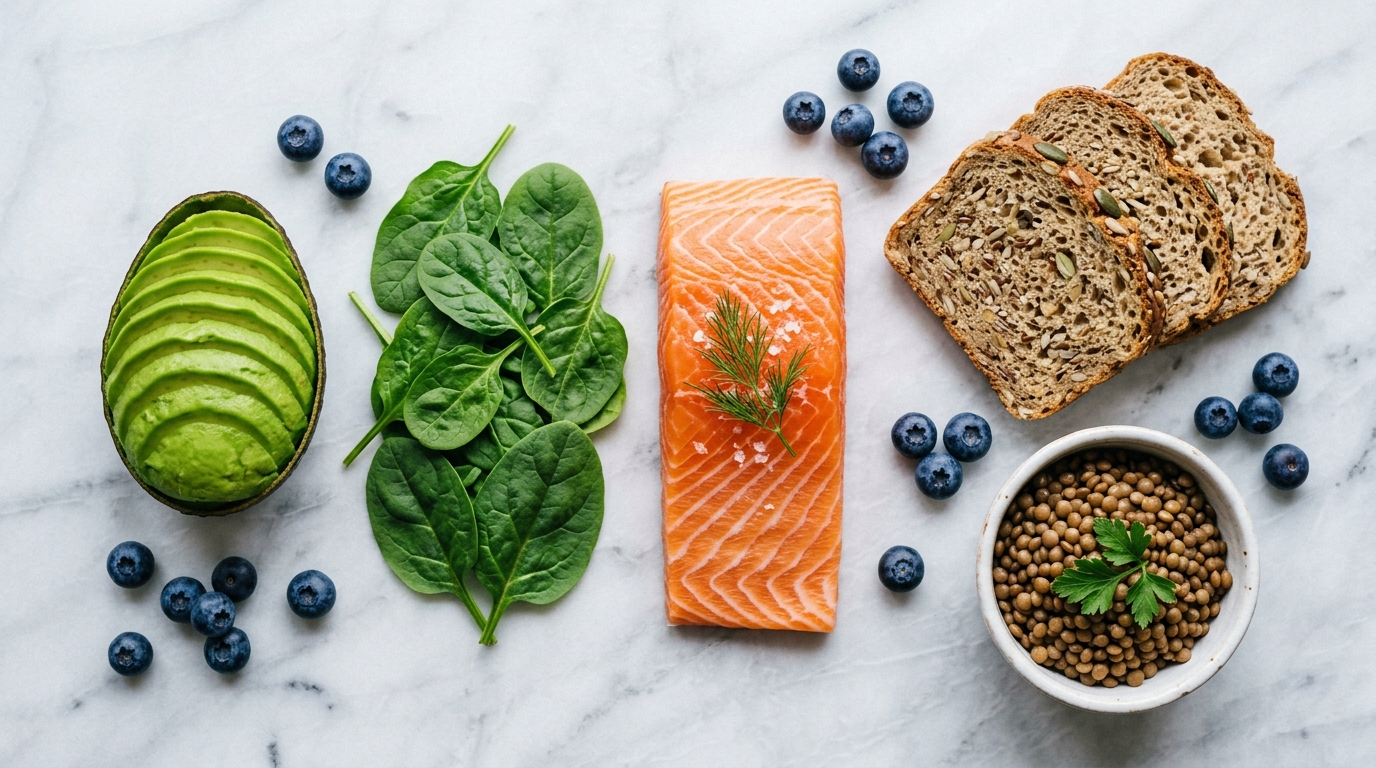
Avocados are rich in monounsaturated fatty acids, particularly oleic acid, which has been specifically associated with reduced abdominal fat storage. Despite being calorie-dense, avocados are highly satiating due to their combination of healthy fat and fiber, which helps prevent overeating. Studies have shown that people who regularly consume avocados have lower body weight and smaller waist circumferences on average compared to those who do not. Adding half an avocado to salads, toast, or grain bowls is an easy way to incorporate this belly-fat-fighting food.
2. Leafy Greens
Leafy greens like spinach, kale, arugula, and Swiss chard are extremely low in calories but loaded with magnesium, a mineral that plays an important role in regulating blood sugar and insulin sensitivity. Better insulin sensitivity means the body is less likely to store excess glucose as fat, particularly in the abdominal region. The high fiber content of leafy greens also promotes feelings of fullness and supports healthy digestion. Eating large portions of leafy greens at meals is one of the simplest and most effective dietary habits for reducing belly fat.
3. Berries
Berries like blueberries, strawberries, raspberries, and blackberries are rich in antioxidants called anthocyanins that have been shown in research to reduce fat cell accumulation, particularly in the abdominal area. They are also relatively low in sugar compared to other fruits and high in dietary fiber, which slows digestion and helps stabilize blood sugar. Adding a serving of mixed berries to breakfast, yogurt, or smoothies is an easy and delicious way to incorporate one of the best belly-fat-reducing foods into your daily diet.
4. Whole Grains
Replacing refined grains like white bread, white rice, and white pasta with whole grain alternatives is one of the most evidence-backed dietary changes for reducing belly fat. Whole grains like oats, brown rice, quinoa, and whole wheat bread contain significantly more fiber and a lower glycemic index than their refined counterparts. This leads to more stable blood sugar and insulin levels, which reduces the hormonal signals that promote abdominal fat storage. A landmark study found that adults who replaced refined grains with whole grains reduced belly fat more effectively than those who did not make this swap.
5. Green Tea
Green tea contains two compounds that specifically support belly fat reduction: caffeine and a catechin called EGCG (epigallocatechin gallate). Together, these compounds have been shown to increase metabolic rate and enhance fat oxidation, with particular effects on visceral abdominal fat. Drinking two to three cups of green tea per day has been associated with reduced belly fat in several clinical studies. Choosing unsweetened green tea and replacing sugary beverages with it provides a meaningful boost to a belly fat reduction diet.
For more information on how to structure an entire diet around weight loss, our guide on the best healthy meal plan for weight loss provides a practical weekly framework designed around these principles.

6. Fatty Fish
Fatty fish like salmon, mackerel, sardines, and herring are among the richest dietary sources of omega-3 fatty acids. Omega-3s have been shown to reduce levels of cortisol, a stress hormone that promotes the storage of visceral fat in the abdominal region. They also reduce systemic inflammation, which is a key driver of metabolic dysfunction and increased belly fat accumulation. Eating fatty fish two to three times per week as part of a balanced diet is one of the most well-supported nutritional strategies for targeting abdominal fat.
7. Legumes
Beans, lentils, and chickpeas are exceptional for belly fat reduction because they combine high protein with high fiber in a low-calorie package. This combination reduces overall calorie intake naturally, supports blood sugar stability, and feeds beneficial gut bacteria that influence fat metabolism. Research has linked regular legume consumption to lower waist circumference and reduced visceral fat over time. Incorporating legumes into soups, salads, grain bowls, or as a side dish several times per week is a cost-effective and nutritionally powerful dietary habit.
8. Apple Cider Vinegar
Apple cider vinegar has gained considerable attention in the health and wellness community, and some research supports its use as a modest belly fat reduction aid. The acetic acid in apple cider vinegar has been shown to reduce insulin levels, improve fat metabolism, and suppress appetite. A study published in a Japanese nutrition journal found that participants who consumed one to two tablespoons of apple cider vinegar daily experienced a significant reduction in belly fat over 12 weeks. Diluting it in water and consuming it before meals is the most common and practical approach.
9. Probiotic-Rich Foods
The composition of gut bacteria plays an important and often underappreciated role in fat distribution. An imbalance of gut microbiota has been linked to increased visceral fat accumulation, while a diverse and healthy gut microbiome is associated with a leaner body composition. Probiotic-rich foods like yogurt, kefir, sauerkraut, kimchi, and miso introduce beneficial bacteria that improve gut health and support better metabolic function. Including at least one probiotic food source in your daily diet is a meaningful long-term strategy for reducing belly fat.
10. Eggs
Eggs are one of the most effective breakfast foods for reducing belly fat accumulation over time. They are high in protein, which suppresses appetite hormones and reduces total calorie intake throughout the day. Studies specifically comparing egg-based breakfasts to carbohydrate-based breakfasts have found that those who eat eggs in the morning consume fewer total calories and lose more abdominal fat over time. The combination of protein, healthy fat, and micronutrients like choline in eggs makes them one of the most nutritionally dense and belly-fat-friendly foods available.
Conclusion
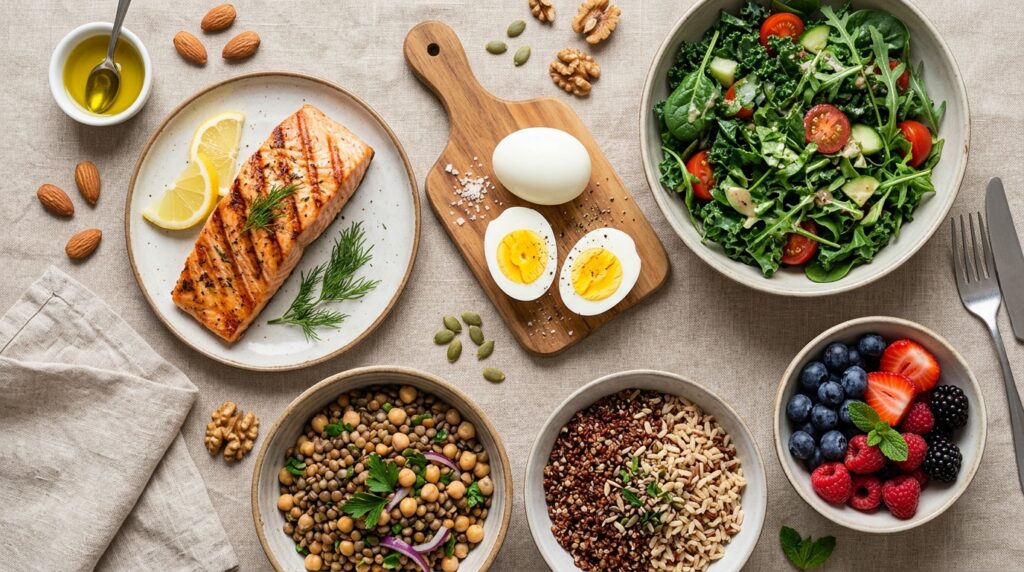
Reducing belly fat is not about targeting the abdomen through specific exercises but rather about making consistent dietary changes that reduce overall body fat and specifically address the hormonal and inflammatory drivers of visceral fat accumulation. Foods like avocados, leafy greens, berries, whole grains, fatty fish, and legumes each contribute to this goal through different but complementary mechanisms. Building your diet around these foods while reducing intake of refined carbohydrates, added sugars, and processed foods creates the conditions your body needs to gradually and sustainably shed excess belly fat and improve long-term metabolic health.
Frequently Asked Questions
Can certain foods really target belly fat specifically? No food can target belly fat in isolation, but certain foods reduce the hormonal and inflammatory drivers of visceral fat accumulation more effectively than others. Foods that stabilize blood sugar, reduce cortisol, fight inflammation, and support gut health collectively contribute to a reduction in abdominal fat over time when combined with an overall calorie deficit.
How long does it take to reduce belly fat through diet? Visible reductions in belly fat typically begin within four to eight weeks of consistent dietary changes. Visceral fat, being metabolically active, often responds faster to dietary intervention than subcutaneous fat. Sustained results require long-term commitment to the dietary habits outlined in this guide.
Is cardio necessary to reduce belly fat, or can diet alone do it? Diet alone can produce significant reductions in visceral belly fat, particularly through calorie restriction, increased fiber and protein intake, and reduced sugar consumption. Adding moderate cardio exercise accelerates results and provides additional cardiovascular benefits, but dietary changes are the primary driver of belly fat reduction.
Related Articles
- 10 Best Foods for Weight Loss
- Foods to Avoid When Trying to Lose Weight
- Best High-Fiber Foods for Weight Loss