Introduction
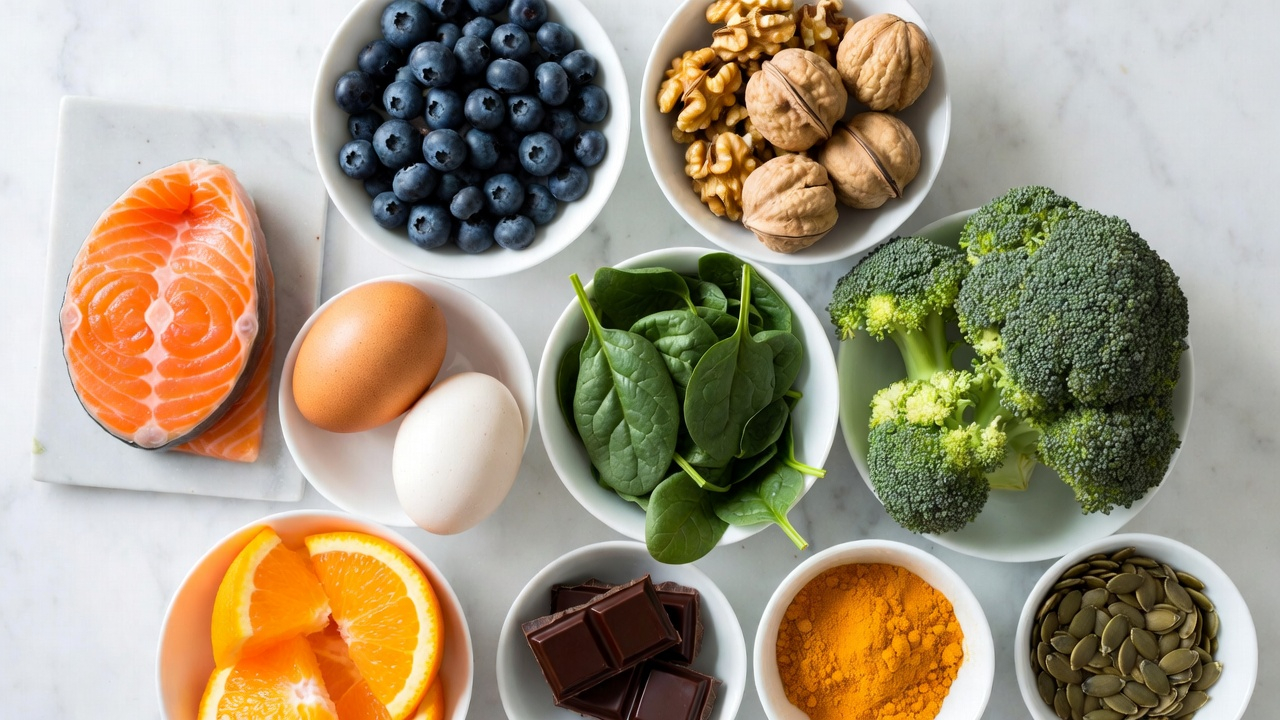
Many people are looking for natural ways to support memory and cognitive function. While there is no single food that can guarantee a perfect memory, research suggests that certain foods that improve memory may help support brain health over time.
The brain relies on a steady supply of nutrients to maintain healthy cells, support communication between neurons, and protect against oxidative stress. What you eat every day can play an important role in how well your brain functions, including your ability to remember and recall information.
In this article, we will explore 10 foods that may help improve memory and explain why including them in your regular diet could make a meaningful difference.
Why Diet Matters for Memory
Memory is a complex function that depends on healthy brain structure and proper communication between brain cells. Nutrients such as omega-3 fatty acids, antioxidants, vitamins, and minerals all play important roles in maintaining these processes.
Poor dietary habits, chronic inflammation, and oxidative stress can negatively affect memory over time. On the other hand, a diet rich in whole, nutrient-dense foods may help protect brain cells and support better cognitive performance.
Building a memory-supportive diet does not require dramatic changes. Adding a few key foods to your daily meals can be a simple and practical step toward better brain health.
10 Foods That Improve Memory
1 – Fatty Fish
Fatty fish such as salmon, sardines, and mackerel are among the best foods for brain and memory health. They are rich in omega-3 fatty acids, particularly DHA, which is a key structural component of brain cells.
DHA supports the integrity of brain cell membranes and helps maintain efficient communication between neurons. Regular consumption of fatty fish has been associated with better memory and a lower risk of cognitive decline.
Eating fatty fish two to three times per week is a practical way to support memory through diet.
2 – Blueberries
Blueberries are packed with antioxidants, particularly flavonoids, which have been widely studied for their potential benefits on brain health and memory.
These antioxidants may help reduce oxidative stress and inflammation in the brain, both of which can negatively affect memory over time. Some research suggests that regular consumption of blueberries may be associated with improved memory performance.
Adding blueberries to smoothies, oatmeal, or yogurt is an easy way to include them in your daily routine.
3 – Walnuts
Walnuts are one of the most well-known nuts for brain health. They contain a significant amount of omega-3 fatty acids, along with antioxidants and vitamin E.
These nutrients work together to help protect brain cells from oxidative damage and may support better memory function over time. The shape of a walnut even resembles the human brain, which has long made it a symbol of cognitive health.
A small handful of walnuts makes a convenient and nutritious snack that may benefit memory.
4 – Eggs
Eggs are an excellent source of several nutrients that support brain health and memory, including choline, vitamin B6, vitamin B12, and folate.
Choline is particularly important because it is used by the body to produce acetylcholine, a neurotransmitter that plays a key role in memory and mood regulation. Many people do not get enough choline from their diet, making eggs a valuable addition to a memory-supportive eating plan.
Including eggs in your breakfast or meals throughout the week is a simple way to boost your intake of these important brain nutrients.
5 – Leafy Green Vegetables
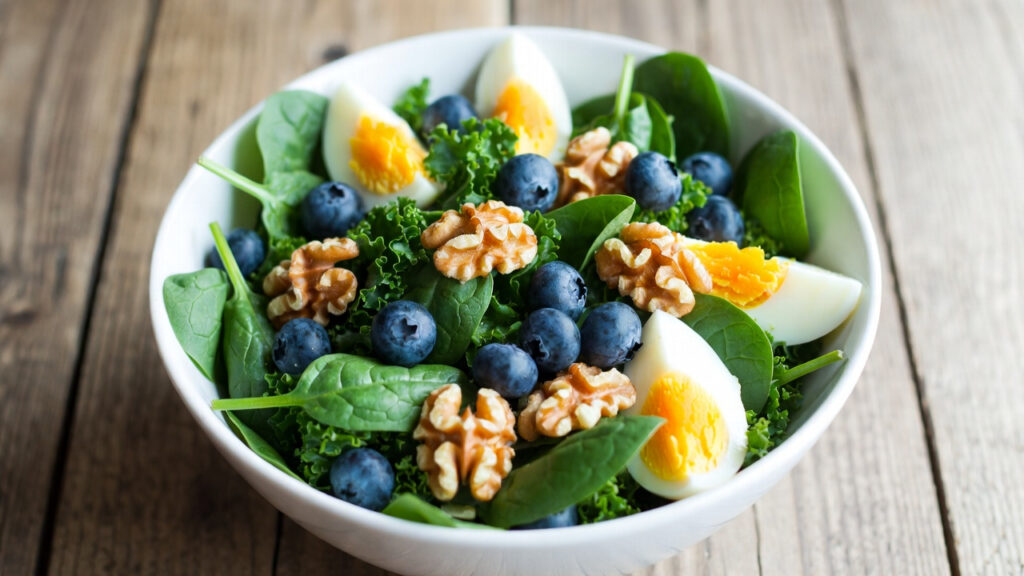
Leafy green vegetables such as spinach, kale, and romaine lettuce contain several nutrients that may help protect memory. These include vitamin K, folate, beta-carotene, and antioxidants.
Research suggests that people who regularly eat leafy greens may experience slower rates of cognitive decline compared to those who eat fewer vegetables. The nutrients in these greens may help protect brain cells and support healthy brain function.
Adding a handful of leafy greens to salads, smoothies, or cooked dishes is an easy way to increase your daily intake.
6 – Pumpkin Seeds
Pumpkin seeds are a surprisingly powerful food for brain health and memory. They are rich in magnesium, iron, zinc, and copper, all of which are important for brain function.
Zinc plays a particularly important role in nerve signaling and memory. Magnesium supports learning and memory, while iron helps maintain proper brain oxygenation.
Sprinkling pumpkin seeds on salads, soups, or yogurt bowls is a convenient way to add these nutrients to your diet.
7 – Turmeric
Turmeric contains curcumin, an active compound that has been widely studied for its antioxidant and anti-inflammatory properties. Curcumin may be able to cross the blood-brain barrier, which means it can directly benefit brain cells.
Some research suggests that curcumin may help support memory by reducing inflammation and promoting the growth of new brain cells. It has also been studied for its potential role in supporting mood and reducing the risk of age-related cognitive decline.
Adding turmeric to soups, rice dishes, or warm beverages is a simple way to include this memory-supporting spice in your diet.
8 – Dark Chocolate
Dark chocolate contains flavonoids, caffeine, and antioxidants that may help support memory and cognitive function. The flavonoids in dark chocolate may help increase blood flow to the brain, which can support better concentration and memory performance.
Choosing dark chocolate with a high cocoa content, ideally 70 percent or more, provides more of these beneficial compounds compared to milk chocolate.
Enjoying a small piece of dark chocolate as a snack can be a simple and enjoyable way to support brain health.
9 – Oranges
Oranges and other citrus fruits are an excellent source of vitamin C, a powerful antioxidant that plays an important role in brain health. Vitamin C helps protect brain cells from oxidative stress, which can damage neurons and impair memory.
Some research suggests that higher levels of vitamin C in the blood may be associated with better memory, attention, and overall cognitive function.
Eating a whole orange or drinking a glass of freshly squeezed orange juice is an easy way to get your daily dose of vitamin C.
10 – Broccoli
Broccoli is a nutrient-dense vegetable that provides several compounds beneficial for memory, including vitamin K, vitamin C, and various antioxidants.
Vitamin K is involved in the production of certain fats that are important for healthy brain cell structure. Regular consumption of cruciferous vegetables like broccoli has been associated with better cognitive health and slower memory decline.
Adding broccoli to stir-fries, soups, or roasted vegetable dishes is an easy way to include it in your weekly meals.

Conclusion
Supporting memory through diet is a practical and achievable goal. Foods that improve memory, such as fatty fish, blueberries, walnuts, eggs, and leafy greens, provide a wide range of nutrients that support healthy brain function.
No single food can guarantee a perfect memory, but building a balanced and nutrient-rich diet over time may help protect brain cells and support better cognitive performance.
By making small and consistent changes to your daily meals, you can take a meaningful step toward supporting long-term memory health.