
Introduction
Most people think of the gut as simply a digestive organ — something that processes food and moves waste out of the body. But scientists now understand that the gut is far more than a digestion machine. It is deeply connected to the brain in ways that influence mood, stress levels, anxiety, and even the risk of depression.
This relationship between the digestive system and the brain is known as the gut-brain axis, and research into it has transformed how nutrition experts and mental health professionals think about emotional well-being. If you have ever felt butterflies in your stomach before a stressful event, or noticed that your digestion suffers when you are anxious, you have already experienced this connection firsthand.
In this article, we break down the science behind the gut health and mental health connection, explain how your microbiome shapes your mood, and offer practical steps to support both your digestive and emotional health through diet.
Why the Gut-Brain Connection Matters
The gut contains over 100 million nerve cells and is often called the second brain. It communicates with the brain through the vagus nerve, a long nerve that runs from the brainstem all the way down to the abdomen. Through this pathway, signals travel in both directions — the brain sends messages to the gut, and the gut sends messages back to the brain.
One of the most remarkable findings in gut-brain research is that approximately 90 percent of the body’s serotonin — a neurotransmitter closely associated with mood and emotional stability — is produced in the gut, not the brain. This means that the health of your gut microbiome directly affects your brain chemistry and, by extension, your mental state.
When the gut microbiome is imbalanced — a condition known as dysbiosis — this communication system can break down, contributing to mood disorders, cognitive difficulties, and chronic stress responses.
1. The Gut Microbiome Influences Mood
The trillions of bacteria, fungi, and other microorganisms living in your gut collectively make up your gut microbiome. These microorganisms produce neurotransmitters, including serotonin, dopamine, and gamma-aminobutyric acid (GABA), all of which play key roles in regulating mood and emotional responses.
Studies have found that people with depression and anxiety often have less diverse gut microbiomes compared to those without these conditions. While the relationship is complex and not fully understood, supporting microbial diversity through diet appears to have measurable effects on emotional health.
2. Inflammation Connects the Gut and Brain
Chronic low-grade inflammation is increasingly recognized as a factor in both gut disorders and mental health conditions. When the gut lining becomes damaged — a condition sometimes referred to as increased intestinal permeability — inflammatory compounds can enter the bloodstream and travel to the brain.
This process, sometimes called neuroinflammation, has been linked to depression, anxiety, and cognitive decline. Eating an anti-inflammatory diet rich in whole foods, fiber, and fermented foods may help reduce this inflammatory burden.
3. Stress Disrupts the Gut
The connection runs in both directions. Psychological stress triggers the release of stress hormones like cortisol, which can disrupt the balance of gut bacteria, slow digestion, increase intestinal permeability, and intensify symptoms of conditions like irritable bowel syndrome.
This creates a feedback loop: gut dysbiosis can worsen stress and anxiety, and stress can worsen gut health. Breaking this cycle often requires addressing both the diet and stress management practices simultaneously.
4. Fermented Foods Support Mental Well-Being
A growing body of research suggests that fermented foods — such as yogurt, kefir, kimchi, and sauerkraut — may have a positive effect on mental health by introducing beneficial bacteria into the gut and supporting microbiome diversity.
A notable study published in the journal Psychiatry Research found that higher consumption of fermented foods was associated with lower rates of social anxiety. While the evidence is still developing, the connection between fermented foods and emotional health is gaining significant scientific attention.
5. Prebiotic Foods Feed Beneficial Bacteria
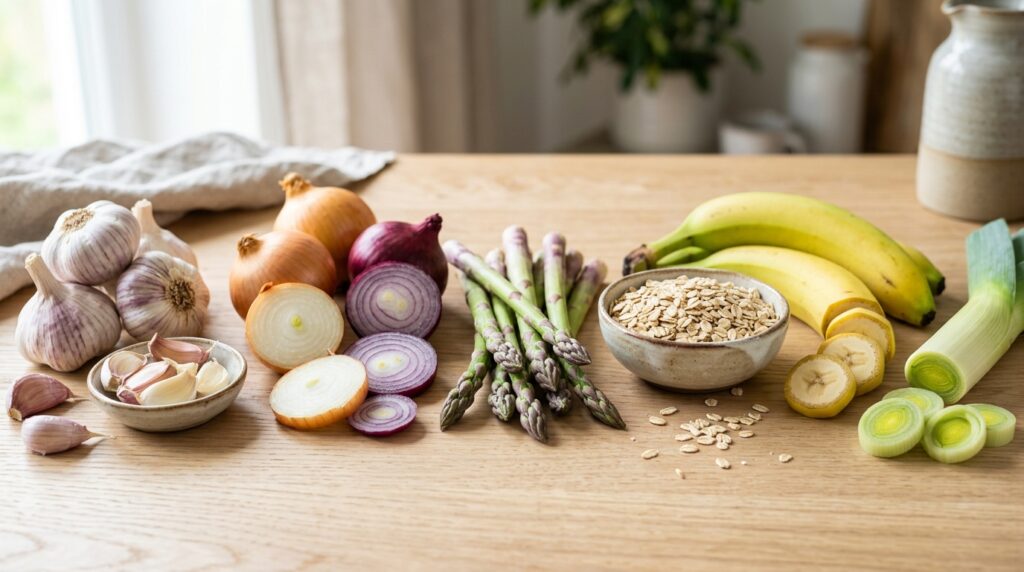
Prebiotics are dietary fibers that serve as food for beneficial gut bacteria. Foods like garlic, onions, leeks, asparagus, bananas, and oats are rich in prebiotic fibers that help probiotics thrive in the gut.
Research suggests that certain prebiotics may also have a direct effect on the stress response. Some studies have found that prebiotic supplementation reduced cortisol levels upon waking — a key marker of daily stress burden — suggesting that feeding your good bacteria may help buffer the body’s reaction to psychological stress.
6. The Role of Short-Chain Fatty Acids
When gut bacteria ferment dietary fiber, they produce compounds called short-chain fatty acids (SCFAs), including butyrate, propionate, and acetate. These compounds have significant effects on brain function, including reducing neuroinflammation, supporting the integrity of the blood-brain barrier, and influencing the production of mood-regulating neurotransmitters.
Eating a fiber-rich diet — with plenty of vegetables, legumes, whole grains, and fruits — is one of the most effective ways to increase SCFA production and support brain health through the gut.
7. Gut Health and Anxiety
Several animal and human studies have demonstrated that altering the gut microbiome can change anxiety-related behavior. In particular, germ-free animals — raised without any gut bacteria — show exaggerated stress responses, and introducing specific bacterial strains appears to reduce these responses.
In humans, probiotic supplementation has been shown in some trials to modestly reduce self-reported anxiety scores. While probiotics are not a replacement for professional mental health care, dietary strategies that support microbiome health may be a valuable complementary approach.
If you are looking for practical dietary strategies that support the gut, you may also want to read our guide on the best probiotic foods for a healthy gut.
8. Depression and the Microbiome
Emerging research has identified distinct differences in the gut microbiome composition of people with major depressive disorder compared to those without it. Some studies have found reduced levels of specific bacteria — including Lactobacillus and Bifidobacterium species — in depressed individuals.
This has led to growing interest in psychobiotics: probiotics and dietary interventions specifically aimed at improving mental health outcomes. While this field is still young, the results so far are promising and highlight how central the gut is to overall psychological health.
9. Sleep, the Gut, and the Brain
The gut-brain connection also extends to sleep quality. Gut bacteria influence the production of melatonin, the hormone that regulates the sleep-wake cycle, partly because tryptophan — the amino acid precursor to serotonin and melatonin — is metabolized in the gut.
A disrupted microbiome can interfere with tryptophan metabolism, contributing to sleep difficulties that in turn worsen mood, cognitive function, and stress resilience. Supporting gut health is therefore one indirect but meaningful way to improve sleep quality.
10. Dietary Patterns That Support Both Systems
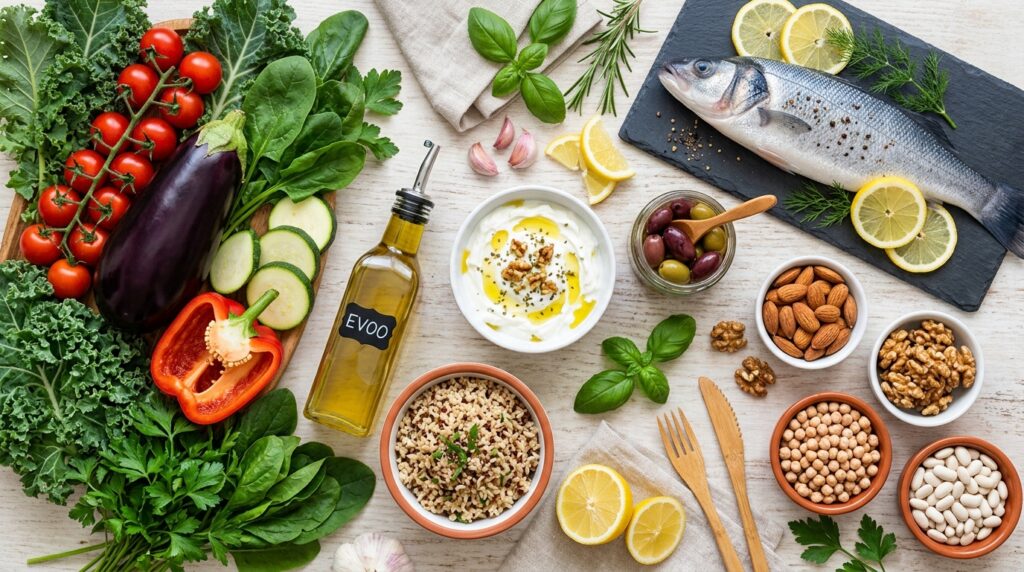
The Mediterranean diet — rich in vegetables, fruits, whole grains, legumes, fish, and olive oil — has the strongest research backing for supporting both gut and mental health simultaneously. Studies have found that people who closely follow Mediterranean-style eating patterns have lower rates of depression and better microbiome diversity.
Ultra-processed foods, refined sugars, and trans fats, by contrast, have been associated with both gut dysbiosis and higher risk of mood disorders. Reducing these foods while increasing whole, fiber-rich, and fermented options is a practical starting point for supporting both the gut and the brain.
Conclusion
The gut health and mental health connection is one of the most exciting and rapidly developing areas of nutrition science. Your gut microbiome influences your mood through neurotransmitter production, inflammatory signaling, and direct communication with the brain via the vagus nerve.
By prioritizing a diet rich in fiber, fermented foods, and whole plant foods — while reducing processed foods and chronic stress — you can support both your digestive system and your emotional well-being at the same time. Small, consistent dietary changes can have a meaningful impact on how you feel from the inside out.
Frequently Asked Questions
Can improving gut health reduce anxiety? Research suggests that a healthier, more diverse gut microbiome may help reduce anxiety symptoms. Probiotic and prebiotic-rich foods have shown modest benefits in some studies, though they work best as part of a broader healthy lifestyle rather than as a standalone treatment.
What foods are best for both gut and mental health? Foods that support both systems include fermented foods like yogurt and kimchi, high-fiber vegetables and legumes, fatty fish rich in omega-3s, and whole grains. These foods promote microbial diversity and reduce inflammation, both of which benefit the brain.
How long does it take to improve gut health and see mental health benefits? Gut microbiome changes can begin within days of dietary changes, but meaningful improvements in mood and anxiety tend to develop over several weeks to months of consistent dietary habits.
Related Articles
10 Best Foods for Gut Health
Best Probiotic Foods for a Healthy Gut
Foods That Reduce Inflammation Naturally