Introduction
If you’ve been hearing more about gut health lately, you’re not alone. Research into the gut microbiome has expanded significantly over the past decade, revealing just how much the health of your digestive system affects the rest of your body — from your immunity and energy levels to your mood and weight.
Starting a gut health diet doesn’t have to be complicated. Whether you’re dealing with chronic bloating, looking to strengthen your immune system, or simply wanting to feel better overall, this beginner’s guide will walk you through exactly what to eat, what to avoid, and how to build sustainable habits for a healthier gut.
Why Gut Health Is the Foundation of Overall Health
Your gut is home to trillions of bacteria, fungi, and microorganisms that make up the gut microbiome. When this ecosystem is balanced and diverse, it supports healthy digestion, a strong immune system, stable mood, better sleep, and efficient metabolism. When it’s imbalanced — a state called dysbiosis — the effects can be wide-reaching and persistent.
The great news is that your gut microbiome responds remarkably quickly to dietary changes. Within just a few days of improving your food choices, you can begin shifting the composition of your gut bacteria in a positive direction.
Gut Health Diet for Beginners
1. Start With More Fiber
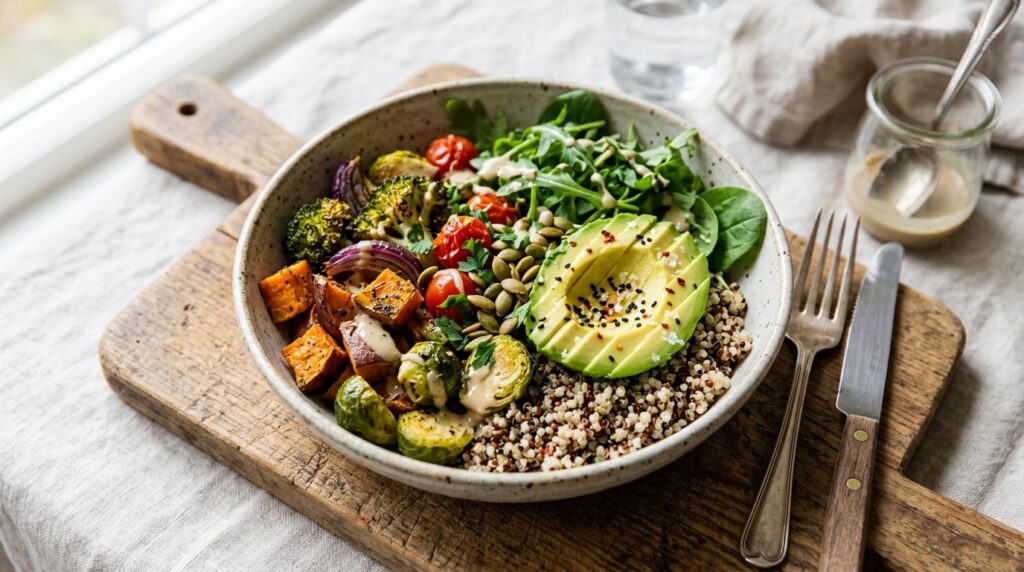
Dietary fiber is the single most important nutrient for gut health. Fiber passes through the digestive system largely undigested, and beneficial gut bacteria ferment it to produce short-chain fatty acids that nourish the gut lining and reduce inflammation. Most people eat far less fiber than recommended. Begin by adding more vegetables, fruits, legumes, and whole grains to your meals, and increase gradually to allow your gut bacteria to adjust comfortably.
2. Add Fermented Foods to Your Daily Routine
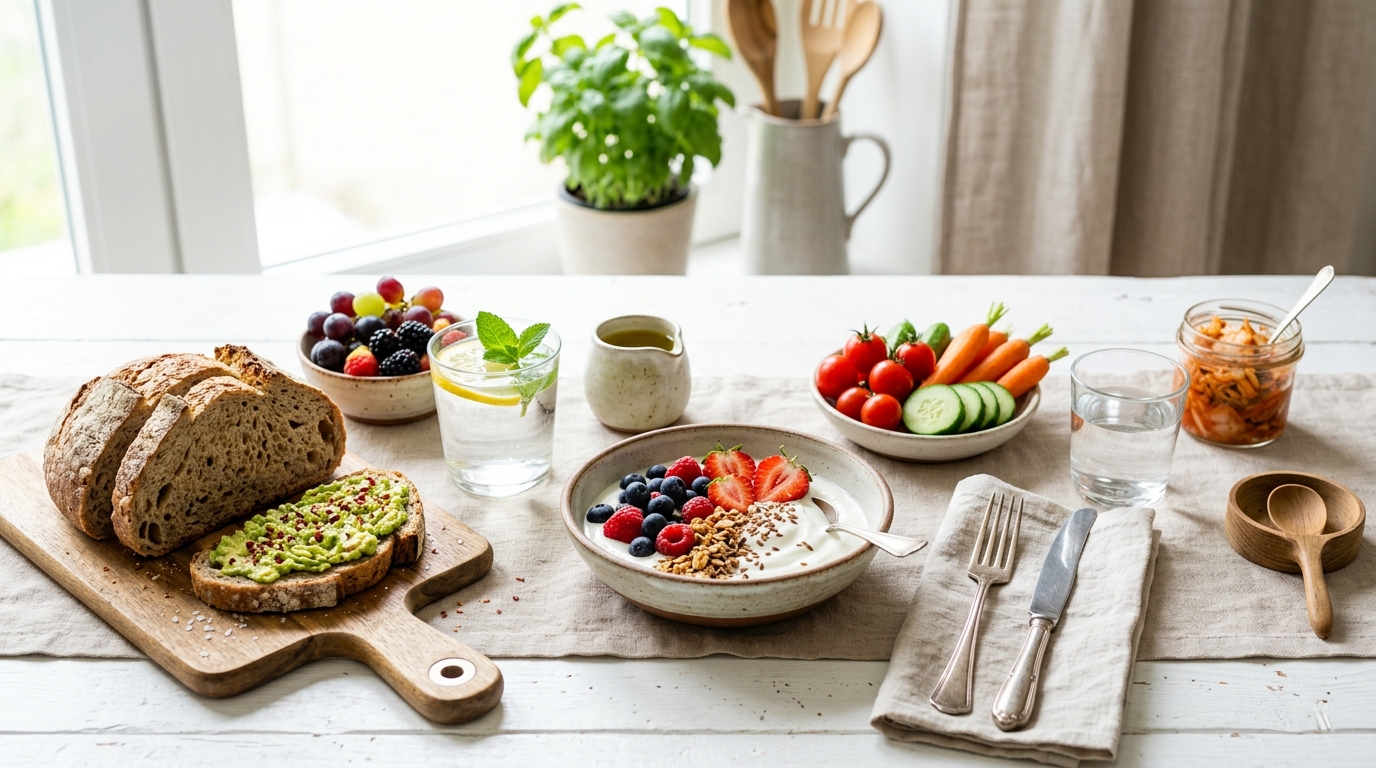
Fermented foods are naturally rich in probiotic bacteria that support gut microbiome diversity. Great options for beginners include plain yogurt, kefir, sauerkraut, kimchi, and miso. You don’t need large amounts — even a small serving of fermented food each day can make a meaningful difference. If you’re new to fermented foods, yogurt or kefir are mild starting points that are easy to incorporate into breakfast or snacks.
3. Include Prebiotic Foods Daily
Prebiotics are types of fiber that selectively feed beneficial gut bacteria, allowing them to thrive. Key prebiotic foods include garlic, onions, leeks, asparagus, bananas, oats, and Jerusalem artichokes. Pairing probiotic and prebiotic foods together creates a powerful synergistic effect for gut health. Adding garlic and onions to a meal alongside a serving of yogurt or fermented vegetables, for example, covers both in a single sitting.
4. Eat a Wide Variety of Plants
Research consistently shows that the single strongest predictor of a diverse gut microbiome is the variety of plant foods in your diet. People who eat 30 or more different types of plants per week have significantly greater gut microbiome diversity than those eating fewer. This doesn’t require radical change — different herbs, spices, nuts, seeds, fruits, and vegetables all count. Rotate your choices regularly and experiment with new ingredients when possible.
5. Reduce Ultra-Processed Foods
Ultra-processed foods — including packaged snacks, fast food, sugary beverages, and refined baked goods — are among the most harmful inputs for gut health. They are typically low in fiber, high in additives and preservatives, and packed with refined sugar and unhealthy fats that promote harmful bacteria and reduce beneficial ones. For a detailed look at which foods damage digestive health, our guide on foods that damage your gut lining covers this topic thoroughly.
6. Cut Back on Added Sugar
High sugar intake is particularly damaging to the gut microbiome. Sugar feeds harmful bacteria and yeast species, creating an imbalanced environment that can increase gut permeability, raise infection risk, and drive systemic inflammation. Replace sugary snacks and drinks with whole fruits, which provide natural sugars alongside fiber that slows absorption and softens the impact on gut bacteria.
7. Stay Hydrated Throughout the Day
Adequate water intake is essential for maintaining the mucosal lining of the intestines, which acts as a protective barrier and habitat for gut bacteria. Dehydration slows digestion, causes constipation, and can negatively affect the gut environment. Aim to drink sufficient water consistently throughout the day, and consider herbal teas such as ginger or peppermint, which offer additional digestive comfort.
8. Incorporate Legumes and Pulses
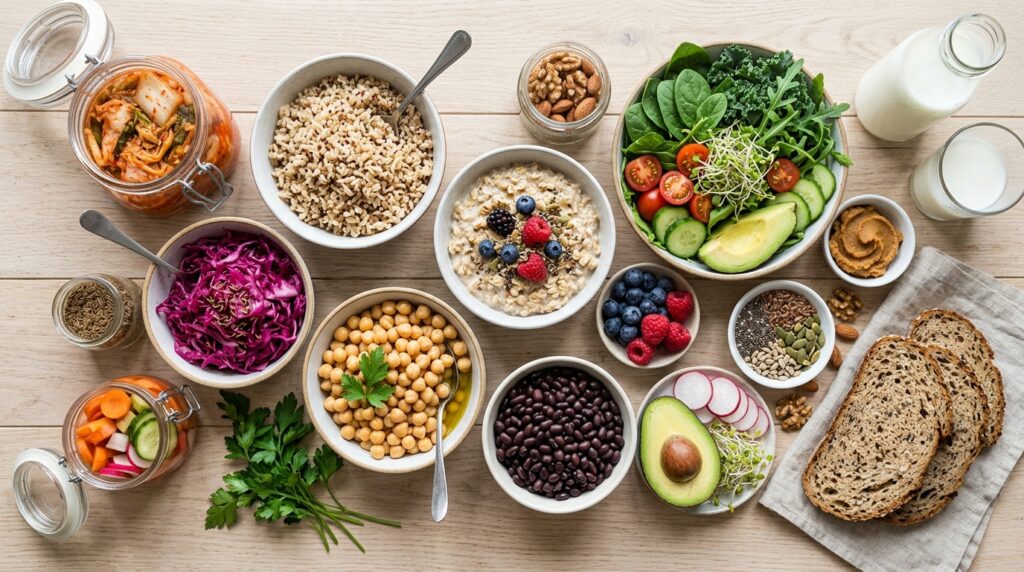
Beans, lentils, chickpeas, and peas are some of the best foods for gut health. They are exceptionally rich in prebiotic fiber and resistant starch, which together provide excellent nourishment for beneficial gut bacteria. Legumes also supply plant-based protein, iron, and magnesium. If you experience gas or bloating initially, start with smaller portions and increase gradually as your gut adapts over one to two weeks.
9. Include Omega-3-Rich Foods
Omega-3 fatty acids found in fatty fish, walnuts, flaxseeds, and chia seeds have well-documented anti-inflammatory properties that help protect the gut lining and support a healthy microbiome environment. Regular intake of omega-3-rich foods has been associated with higher microbiome diversity and lower levels of inflammatory markers in the digestive tract. Including these foods a few times per week is a valuable part of any gut health diet.
10. Be Consistent and Patient
Building a healthier gut is a gradual process. The gut microbiome responds to sustained dietary patterns rather than short-term fixes. Aim to make small, consistent improvements over several weeks rather than overhauling everything at once. Many people notice meaningful improvements in digestion, energy, and mood within two to four weeks of making genuine dietary changes. Consistency is the key driver of lasting microbiome improvement.
Conclusion
Starting a gut health diet as a beginner doesn’t require perfection or radical overnight change. It’s about making informed, consistent choices that favor your gut microbiome over time. Add more fiber, include fermented and prebiotic foods, diversify your plant intake, and reduce reliance on ultra-processed foods.
Your gut is remarkably adaptable, and even modest changes can have significant positive effects relatively quickly. Focus on what you can add to your diet rather than what you must eliminate, and build from there. A healthier gut is one of the most powerful foundations you can create for your overall health and quality of life.
Frequently Asked Questions
What is the best way to start a gut health diet as a beginner? The easiest starting point is to increase fiber intake through more vegetables, fruits, and whole grains, and to add one or two fermented foods to your daily routine. These two changes alone can begin improving gut microbiome diversity within days to weeks of consistent effort.
How long does it take to see results from a gut health diet? Many people notice improvements in digestion and bloating within one to two weeks. More significant changes to energy levels, immunity, and mood may take four to eight weeks of consistent dietary improvement. Microbiome diversity continues improving over months with sustained effort.
What foods should I avoid for better gut health? Foods most harmful to gut health include ultra-processed foods, refined sugar, artificial sweeteners, excessive alcohol, and diets low in fiber and plant variety. Reducing these and replacing them with whole, plant-rich foods makes a substantial positive difference to gut microbiome balance over time.
Related Articles
10 Best Foods for Gut Health How Your Gut Microbiome Affects Your Overall Health Best Foods to Eat After Taking Antibiotics