Your heart beats over 100,000 times a day, and every beat depends on the fuel you give your body. While genetics and lifestyle factors like exercise and stress play important roles in cardiovascular health, the food you eat may be one of the most powerful tools you have to protect your heart. Research consistently shows that dietary patterns have a direct and measurable impact on blood pressure, cholesterol levels, arterial health, and overall cardiovascular risk.
Understanding how diet affects your heart health is not about following a restrictive plan or eliminating all your favorite foods. It is about building consistent habits that support your heart over the long term.
Why What You Eat Matters for Your Heart
The cardiovascular system is highly sensitive to the nutrients — and the harmful compounds — that enter your body through food. Saturated fats, added sugars, sodium, and processed ingredients can contribute to inflammation, arterial plaque buildup, high blood pressure, and elevated LDL cholesterol. On the other hand, fiber, healthy fats, antioxidants, and plant-based compounds actively protect the heart by reducing inflammation and improving blood vessel function.
The American Heart Association estimates that a significant percentage of cardiovascular disease cases are preventable through lifestyle changes, with diet being a central factor. This makes your daily food choices one of the most actionable steps you can take for heart health.
How Diet Affects Your Heart Health
1. Saturated Fat Raises LDL Cholesterol
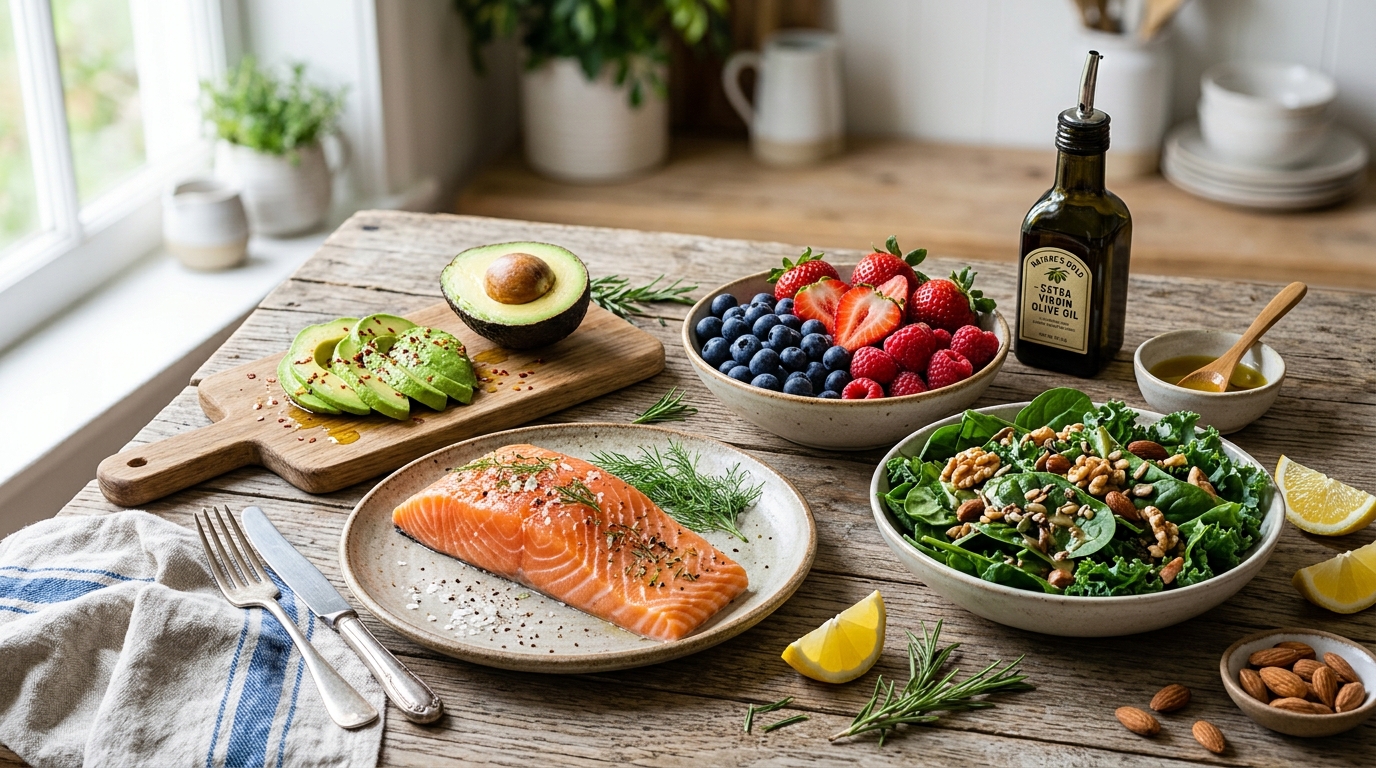
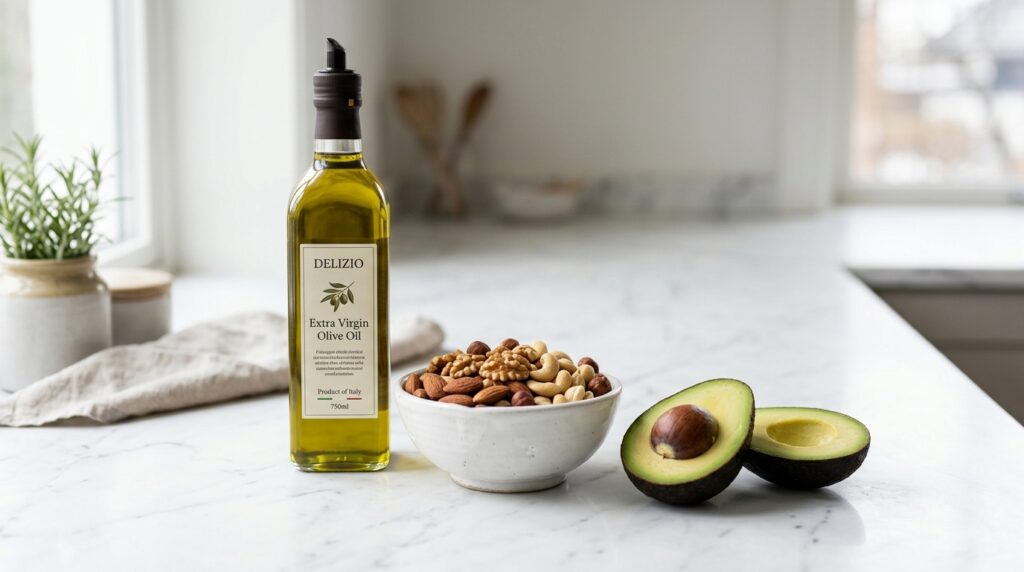
Saturated fat, found primarily in red meat, butter, full-fat dairy, and many processed snacks, raises LDL cholesterol — often called bad cholesterol. When LDL levels are too high, cholesterol can accumulate along artery walls and form plaques that narrow blood flow and increase the risk of heart attack and stroke. Replacing saturated fats with unsaturated fats from sources like olive oil, avocados, and nuts can help lower LDL and improve the overall cholesterol profile.
2. Sodium Elevates Blood Pressure
High sodium intake is one of the leading dietary drivers of hypertension, or high blood pressure. When you consume too much sodium, your body retains extra fluid to dilute it, increasing the volume of blood flowing through your vessels and raising pressure on artery walls. Over time, this strain can damage arteries and increase cardiovascular risk. The average American consumes well above the recommended daily sodium limit, largely due to processed and restaurant foods.
3. Added Sugar Contributes to Inflammation and Triglycerides
Excess sugar — particularly from sugary drinks, sweets, and ultra-processed foods — raises triglyceride levels in the blood and promotes systemic inflammation. Both of these effects are directly linked to a higher risk of heart disease. Fructose, especially in high quantities, is processed by the liver and can contribute to fat buildup in the liver and bloodstream, putting additional stress on the cardiovascular system.
4. Fiber Supports Healthy Cholesterol Levels
Soluble fiber, found in oats, beans, lentils, apples, and citrus fruits, binds to cholesterol in the digestive tract and helps remove it from the body before it enters the bloodstream. Studies show that increasing soluble fiber intake can meaningfully reduce LDL cholesterol. Fiber also supports gut health and helps stabilize blood sugar, both of which have downstream benefits for the heart.
5. Healthy Fats Protect Arterial Walls
Monounsaturated and polyunsaturated fats, found in olive oil, fatty fish, flaxseeds, and walnuts, have a protective effect on the cardiovascular system. Omega-3 fatty acids in particular reduce inflammation, lower triglycerides, and may help maintain a regular heart rhythm. Replacing harmful fats with these healthier alternatives is one of the most well-supported dietary strategies for heart health.
6. Antioxidants Reduce Oxidative Stress
Oxidative stress — caused by free radicals damaging cells — plays a role in the development of atherosclerosis, or hardening of the arteries. Foods rich in antioxidants, such as berries, dark leafy greens, tomatoes, and dark chocolate, help neutralize free radicals and reduce oxidative damage to arterial walls. A diet high in antioxidant-rich plant foods is consistently associated with lower rates of cardiovascular disease.
7. Plant-Based Proteins Lower Cardiovascular Risk
Replacing some animal protein with plant-based sources like legumes, tofu, tempeh, and seeds can reduce saturated fat intake while increasing fiber and beneficial plant compounds. Studies comparing dietary patterns show that people who eat more plant-based protein tend to have lower blood pressure, lower LDL cholesterol, and a reduced risk of heart disease compared to those whose diets are dominated by animal protein.
8. Alcohol and Its Impact on the Heart
Moderate alcohol consumption has been discussed in research as potentially offering some cardiovascular benefit, particularly for red wine due to its resveratrol content. However, the relationship is complex. Heavy or regular drinking raises blood pressure, increases triglycerides, and can weaken the heart muscle over time. Most health organizations recommend caution with alcohol and emphasize that the risks often outweigh any potential benefits.
9. Ultra-Processed Foods Are a Major Risk Factor
Ultra-processed foods — including packaged snacks, fast food, sugary cereals, and ready meals — are typically high in sodium, refined carbohydrates, unhealthy fats, and additives, while being low in fiber and nutrients. Research has linked high consumption of ultra-processed foods to significantly elevated rates of cardiovascular disease, heart attacks, and stroke. Reducing these foods and replacing them with whole, minimally processed options is one of the most impactful dietary shifts you can make.
10. Consistent Dietary Patterns Matter More Than Single Foods
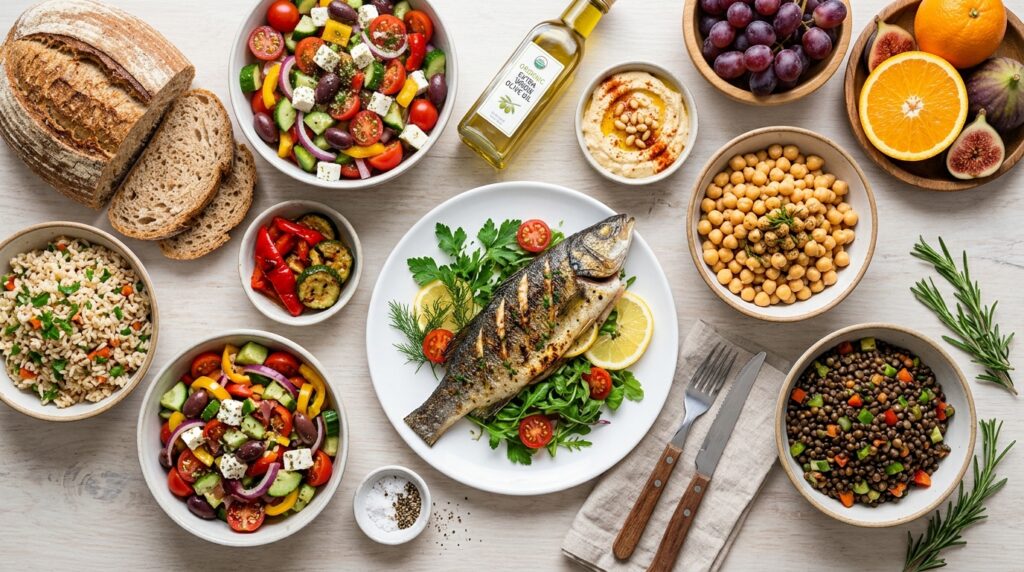
No single food will make or break your heart health. What matters most is your overall dietary pattern over time. Eating plans like the Mediterranean diet, the DASH diet, and whole food plant-based diets have all been shown through large-scale studies to reduce cardiovascular risk significantly. These patterns share common features: high in vegetables, fruits, whole grains, legumes, and healthy fats, and low in processed foods, sugar, and excessive sodium.
If you want to dive deeper into specific foods that support cardiovascular health, check out our guide on the best foods for heart health to see which options to prioritize in your daily meals.
Conclusion
The connection between diet and heart health is one of the most well-established relationships in nutrition science. What you eat every day shapes your cholesterol levels, blood pressure, inflammation, and arterial health in ways that accumulate over time. The encouraging news is that dietary improvements — even gradual ones — can produce measurable cardiovascular benefits at any age. Focus on whole foods, healthy fats, fiber-rich plant foods, and minimal processed ingredients, and your heart will respond accordingly.
Frequently Asked Questions
How quickly can diet changes improve heart health? Some improvements, such as reductions in blood pressure and LDL cholesterol, can occur within a few weeks of making consistent dietary changes. Long-term benefits, including reduced arterial plaque and lower cardiovascular risk, build gradually over months and years.
Is the Mediterranean diet the best diet for heart health? The Mediterranean diet is one of the most extensively studied dietary patterns for cardiovascular health and consistently shows strong benefits. However, other evidence-based diets like the DASH diet are also highly effective, particularly for blood pressure management.
Can eating healthy foods reverse heart disease? In some cases, significant dietary changes combined with other lifestyle improvements have been shown to slow or partially reverse arterial plaque buildup. While diet alone may not fully reverse advanced heart disease, it can meaningfully reduce risk and improve outcomes when adopted alongside medical care.
Related Articles
How Diet Affects Your Heart Health Best Foods for Heart Health Foods That Lower Cholesterol Naturally