Introduction
Knowing what to eat is one thing — actually planning it out and following through is another. Without a basic meal plan, it is easy to default to convenience foods, skip meals, or make impulsive choices that do not align with your health goals. A well-structured meal plan takes the guesswork out of eating well and helps you stay consistent even on your busiest days.
The good news is that building a healthy meal plan does not require hours of preparation or a degree in nutrition. With a few clear strategies and a practical framework, anyone can create a weekly plan that is balanced, realistic, and genuinely enjoyable to follow.
This guide walks you through exactly how to build a healthy meal plan from the ground up, step by step.
Why Meal Planning Supports Better Health
Research consistently shows that people who plan their meals ahead of time tend to eat more varied, nutrient-dense diets and are less likely to rely on fast food or processed options. Meal planning reduces decision fatigue — the mental exhaustion that comes from making repeated food choices throughout the day — and makes healthy eating far more automatic.
Planning also saves money. When you know exactly what you need before heading to the grocery store, you buy less impulsively and waste less food. Over time, these small advantages compound into significantly better eating habits, lower food costs, and more consistent energy levels throughout the week.
1. Start with a Weekly Overview
Before writing down a single meal, take a few minutes to look at your week as a whole. Identify which evenings you have time to cook, which days are busy, and whether any meals will be eaten away from home. A realistic meal plan accounts for your actual schedule, not an idealized version of it. If you know Thursday is always hectic, plan a slow cooker meal or a simple grain-and-protein bowl rather than a recipe that takes an hour.
2. Choose a Balanced Plate Formula
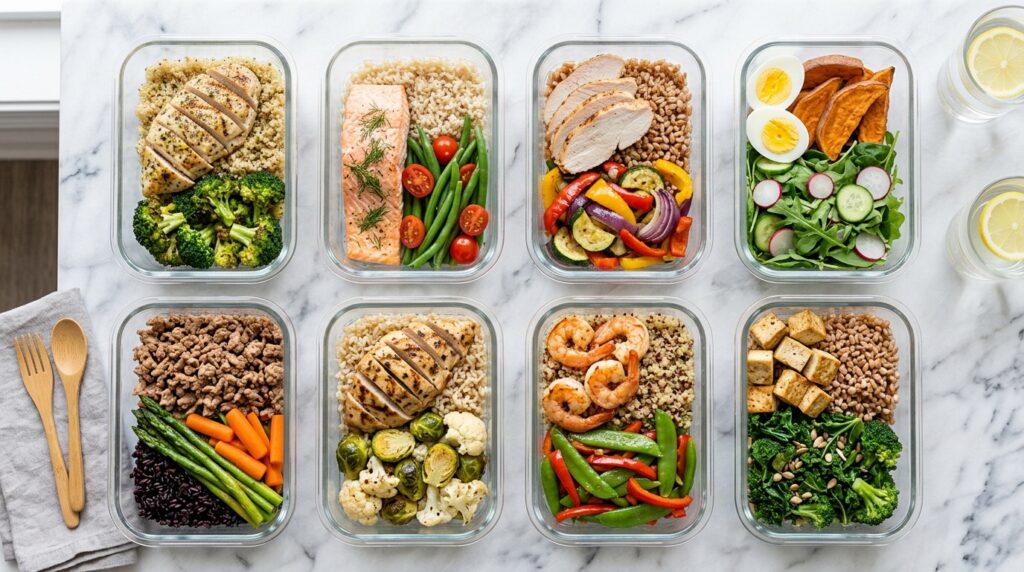
Every main meal should aim for a balance of macronutrients: roughly half the plate filled with vegetables and fruits, one quarter with a quality protein source, and one quarter with a whole grain or complex carbohydrate. This simple formula — often called the balanced plate method — ensures that each meal provides fiber, protein, healthy fats, and micronutrients without requiring calorie counting or complex calculations.
3. Plan Proteins First
Protein tends to be the most structurally important part of a meal and often determines what else goes on the plate. Start by choosing your protein source for each meal — chicken, fish, eggs, tofu, legumes, or dairy — and then build the rest of the meal around it. Planning protein first also makes grocery shopping simpler and reduces the risk of ending up with unbalanced meals that leave you hungry an hour later.
4. Build in Batch Cooking
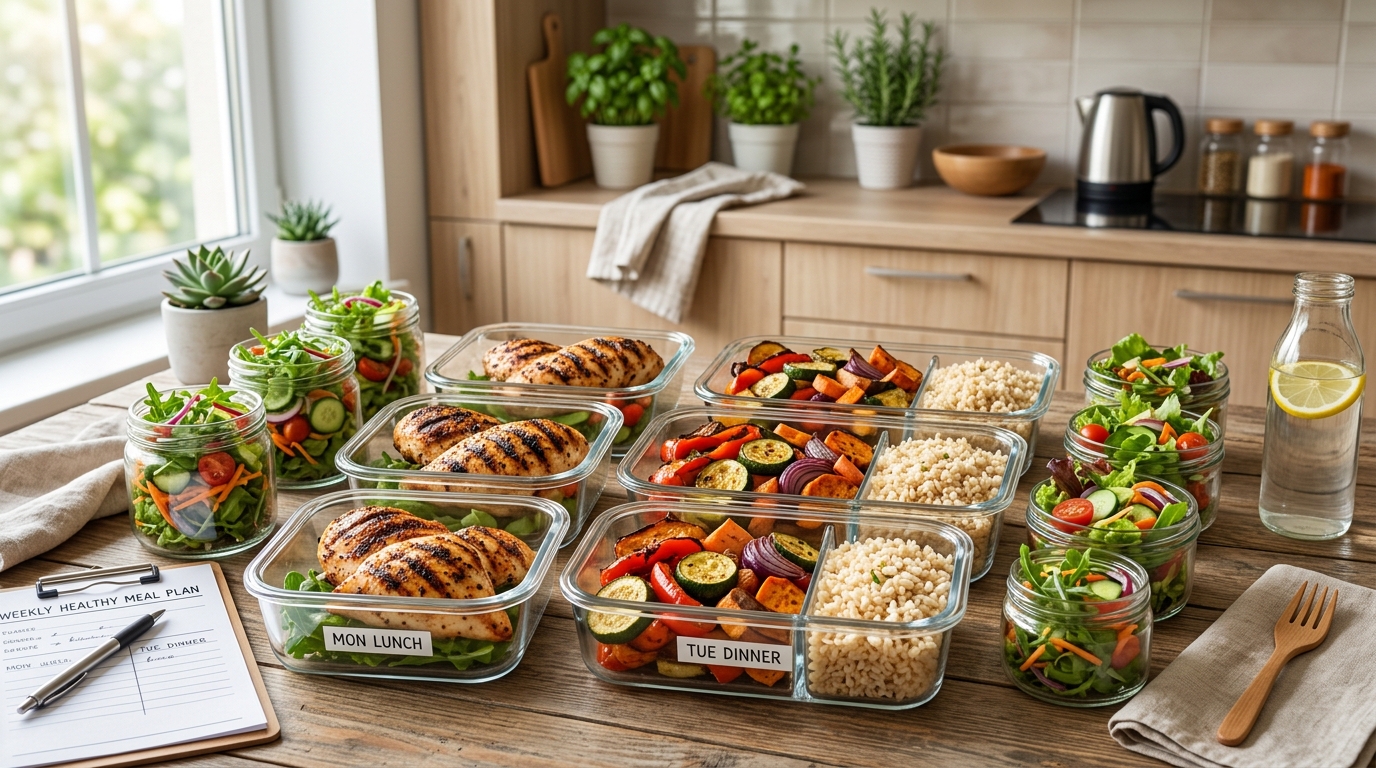
Batch cooking — preparing larger quantities of one or two foods at a time — dramatically reduces the effort required for weeknight meals. Cooking a large pot of grains, roasting a sheet pan of vegetables, or preparing a big batch of protein on the weekend gives you ready-made components to assemble into different meals throughout the week. This approach keeps meals fresh and varied while minimizing the time spent in the kitchen each day.
5. Include a Variety of Vegetables
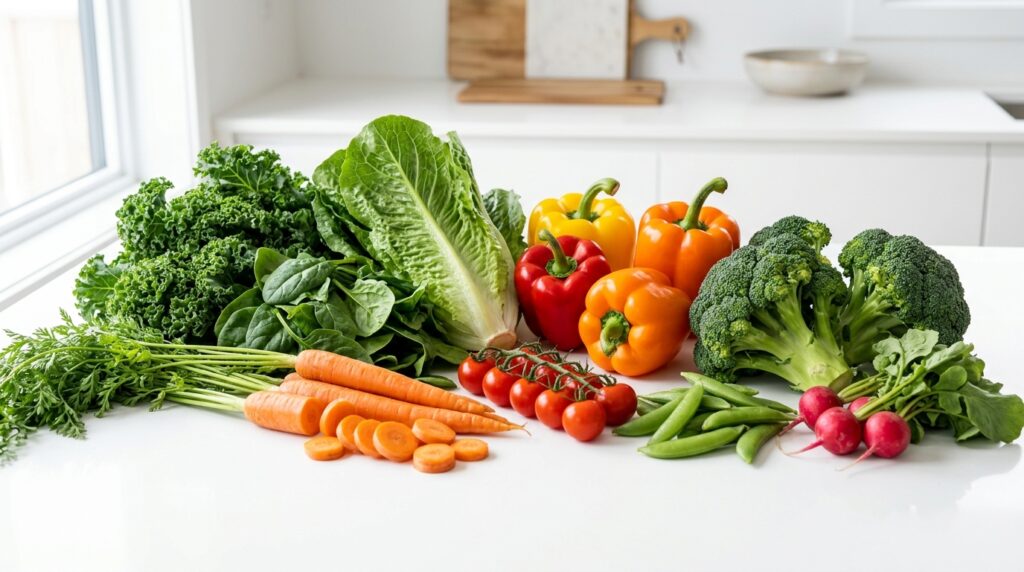
A common mistake in meal planning is relying on the same two or three vegetables week after week. Different vegetables provide different vitamins, minerals, and phytonutrients, so variety is genuinely important — not just for nutrition but for long-term enjoyment. Aim to include at least three to four different vegetables in your weekly plan, rotating by color where possible. Leafy greens, cruciferous vegetables, root vegetables, and brightly colored peppers or squash each bring something distinct to the table.
For more ideas on what vegetables and foods to prioritize, our guide on the best foods to eat for long-term health covers the most research-backed options worth including regularly.
6. Don’t Forget Breakfast
Breakfast is one of the most frequently skipped meals, yet it sets the tone for your energy, focus, and food choices throughout the morning. A healthy breakfast does not need to be elaborate — eggs and vegetables, Greek yogurt with fruit and oats, or a protein-rich smoothie all take under ten minutes and provide a strong nutritional foundation. Including breakfast in your meal plan makes it far more likely you will actually eat it.
7. Plan Snacks Intentionally
Snacks often feel like an afterthought, but unplanned snacking is one of the easiest ways for a healthy eating intention to fall apart. Building two or three snack options into your meal plan — such as nuts and fruit, hummus with vegetables, or cottage cheese — keeps you from reaching for less nutritious options when hunger strikes between meals. Choose snacks that combine protein and fiber for the most sustained satisfaction.
8. Make a Detailed Grocery List
Once your meals are mapped out, write a comprehensive grocery list organized by section of the store: produce, proteins, grains, dairy, and pantry staples. A detailed list keeps you focused while shopping, prevents forgotten ingredients, and dramatically reduces food waste by ensuring you only buy what you actually need. Using a note-taking app or a simple spreadsheet makes this even easier to manage week over week.
9. Keep Meals Simple and Repeatable
A meal plan you can actually follow is always better than an ambitious one that falls apart by Tuesday. Aim for meals that involve five to seven ingredients and straightforward preparation methods. Repeating one or two breakfasts and lunches throughout the week is completely fine — simplicity and consistency are more valuable than variety at every meal. Save more involved recipes for weekends when you have more time to enjoy the process.
10. Review and Adjust Weekly
At the end of each week, take a brief look at what worked and what did not. Did you make all the meals you planned? Were there any that felt too complicated or unappetizing? Use these observations to refine the following week’s plan. Over time, you will build a personal library of reliable go-to meals that make planning progressively easier and more intuitive.
Conclusion
Learning how to build a healthy meal plan is one of the most practical investments you can make in your long-term health. It does not need to be perfect — it just needs to be consistent enough to reduce poor food choices and help you eat more of what genuinely nourishes your body. Start simple, build gradually, and adjust as you learn what works best for your schedule and preferences. A realistic meal plan built around whole foods, balanced macronutrients, and your actual lifestyle is one of the most powerful tools available for lasting dietary change.
Frequently Asked Questions
How far in advance should I plan my meals? Planning one week at a time is ideal for most people. It allows enough structure to shop efficiently and prepare in advance, while remaining flexible enough to account for schedule changes. Some people find that planning Monday through Friday in detail and leaving the weekend more flexible works particularly well.
Do I need to count calories when meal planning? Calorie counting is not necessary for most people who are meal planning for general health. Focusing on food quality — prioritizing whole foods, lean proteins, vegetables, and whole grains — and using the balanced plate method tends to naturally regulate calorie intake without the need for tracking. Counting can be useful for specific goals like weight loss, but it is not a requirement for building a healthy meal plan.
What if I get bored eating the same meals repeatedly? Repetition is actually a strength of effective meal planning because it reduces decision fatigue and simplifies shopping. To prevent boredom, try varying sauces, spices, and cooking methods rather than changing the core ingredients entirely. The same grilled chicken, for example, can feel completely different with a lemon herb preparation one night and a simple stir-fry the next.
Related Articles
Best Foods for a Balanced Diet Best High-Protein Foods for a Healthy Diet Healthy Eating Habits to Start Today