
Introduction
Your gut is more than a digestive organ — it is the foundation of your immune system, a major producer of mood-regulating chemicals, and home to trillions of microorganisms that influence nearly every aspect of your health. When gut health is compromised, the effects ripple throughout the body: energy drops, immunity weakens, mood becomes unstable, and chronic digestive discomfort sets in.
The good news is that the gut has a remarkable capacity for healing. With the right dietary and lifestyle strategies, it is possible to restore the balance of the gut microbiome, repair the intestinal lining, and significantly improve how you feel — without relying solely on medication.
This guide explains how to heal your gut naturally through food, daily habits, and consistent lifestyle choices backed by nutritional science.
Why Gut Healing Matters
The gut lining is only one cell thick in places, making it both incredibly efficient at absorbing nutrients and surprisingly vulnerable to damage. Chronic stress, poor diet, antibiotic use, alcohol, and processed food consumption can all erode the protective mucus layer of the gut and alter the balance of bacteria living there.
When the gut is damaged, it can become more permeable — allowing partially digested food particles and bacterial byproducts to enter the bloodstream and trigger widespread inflammation. Healing the gut means restoring this barrier, replenishing beneficial bacteria, and reducing the inflammatory load on the body.
1. Remove Trigger Foods First
The first step in healing the gut is identifying and removing the foods that are causing the most harm. For many people, this includes ultra-processed foods, refined sugars, artificial additives, alcohol, trans fats, and — for those with sensitivities — gluten and dairy.
These foods feed harmful bacteria, damage the gut lining, and suppress the immune defenses of the intestinal wall. Removing them even temporarily gives the gut a chance to begin repairing itself. An elimination approach — cutting out suspected triggers for two to four weeks and then reintroducing them one at a time — can help identify personal sensitivities.
2. Increase Fermented Foods
Fermented foods are among the most powerful dietary tools for healing the gut. They introduce live beneficial bacteria into the digestive system, helping to restore a healthy microbial balance that may have been disrupted by illness, stress, or antibiotics.
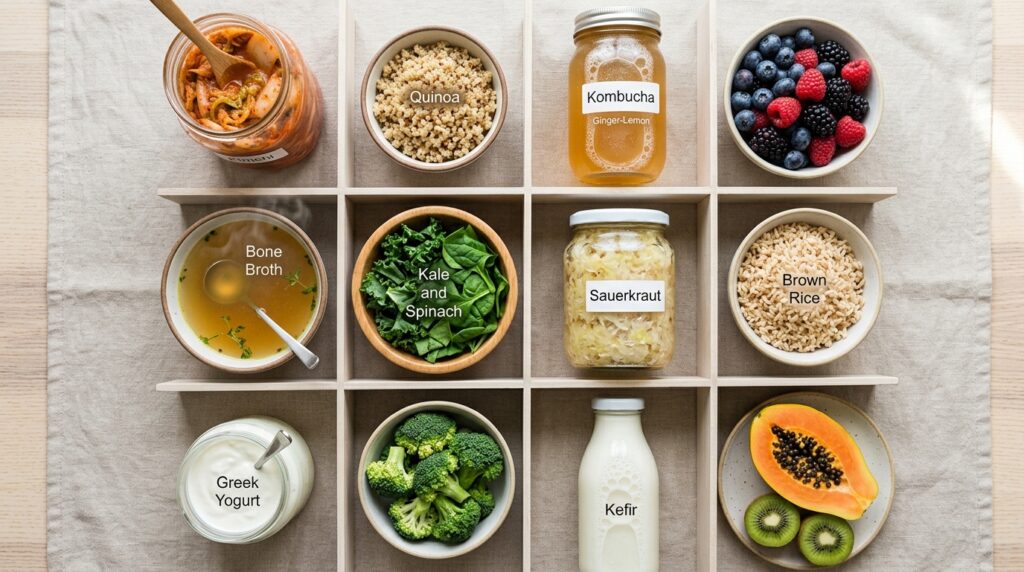
The best fermented foods for gut healing include plain unsweetened yogurt with live cultures, kefir, kimchi, sauerkraut, miso, tempeh, and kombucha. Regular consumption of even small amounts of fermented foods has been shown in clinical research to increase microbiome diversity and reduce markers of gut inflammation.
3. Eat Plenty of Prebiotic Foods
Probiotics need food to survive and thrive — and that food comes from prebiotics. Prebiotic fibers pass through the small intestine undigested and are fermented by beneficial bacteria in the colon, producing short-chain fatty acids that strengthen the gut lining and reduce inflammation.
Excellent prebiotic foods include garlic, onions, leeks, shallots, asparagus, Jerusalem artichokes, bananas, oats, and flaxseeds. Eating a variety of these foods daily ensures that the beneficial bacteria in your gut have the substrate they need to multiply and maintain dominance over harmful species.
4. Prioritize Bone Broth
Bone broth has been used in traditional healing diets for centuries and is increasingly supported by nutritional science as a gut-repair tool. It is rich in collagen and gelatin, which provide the amino acids glycine and proline — key building blocks of the gut lining’s connective tissue.
Glycine in particular has been shown to support the integrity of the intestinal barrier and reduce inflammation in the gut. Consuming one to two cups of slow-simmered bone broth daily — especially during periods of gut distress — is a time-honored strategy for soothing and repairing the digestive system.
5. Add Anti-Inflammatory Foods
Chronic inflammation is both a cause and a consequence of poor gut health. Incorporating anti-inflammatory foods — such as fatty fish, walnuts, berries, turmeric, ginger, and extra virgin olive oil — helps break this cycle by calming gut inflammation and protecting the intestinal lining from further damage.
Omega-3 fatty acids found in salmon, sardines, and mackerel are particularly valuable, as they have been shown to reduce gut inflammation, support the mucus layer of the intestine, and promote a healthier microbiome composition.
For more on how anti-inflammatory eating works across the body, you may also want to read our guide on the best anti-inflammatory foods.

6. Stay Hydrated
Water is essential for every aspect of digestive function. Adequate hydration supports the mucus layer that protects the gut lining, helps move food and waste through the intestines efficiently, and maintains the concentration of electrolytes needed for proper nutrient absorption.
Chronic mild dehydration is a surprisingly common and often overlooked contributor to constipation, slow digestion, and gut dysbiosis. Aim for at least eight cups of water daily, increasing intake on days of physical activity or hot weather. Herbal teas — especially ginger, chamomile, and peppermint — also contribute to hydration while providing additional gut-soothing compounds.
7. Manage Stress Actively
Psychological stress is one of the most significant disruptions to gut health. Stress activates the hypothalamic-pituitary-adrenal axis, triggering the release of cortisol and other stress hormones that alter gut motility, reduce beneficial bacteria populations, and increase intestinal permeability.
Actively managing stress through techniques such as deep breathing, meditation, regular physical activity, and adequate sleep is not just good for mental health — it is a direct therapeutic strategy for gut healing. Even short daily practices, such as ten minutes of mindful breathing, have been shown to measurably reduce markers of gut stress.
8. Get Quality Sleep
Sleep is when much of the body’s repair work takes place — and the gut is no exception. Research has found that sleep deprivation significantly alters the composition and diversity of the gut microbiome within just a few days, while restoring healthy sleep patterns can reverse some of these changes.
During deep sleep, the gut undergoes its own cleansing cycle known as the migrating motor complex, which sweeps bacteria and debris from the small intestine. Disrupting this process through poor sleep contributes to bacterial overgrowth and increased gut permeability.
9. Include Glutamine-Rich Foods
L-glutamine is the most abundant amino acid in the body and a primary fuel source for the cells that line the gut wall. Supplemental glutamine has been studied in clinical settings as a treatment for leaky gut and intestinal damage, with promising results.
Foods naturally rich in glutamine include beef, chicken, fish, eggs, dairy products, tofu, lentils, and cabbage. Including these foods regularly in the diet supports the gut lining’s ability to regenerate and maintain its barrier function.
10. Be Patient and Consistent
Gut healing is not an overnight process. The gut microbiome begins to respond to dietary changes within days, but meaningful restoration of the intestinal lining, bacterial balance, and overall gut function can take several weeks to several months of consistent effort.
The key is consistency rather than perfection. Eating more fermented and prebiotic foods, reducing processed foods, managing stress, and sleeping well — done regularly over time — creates the conditions in which the gut can genuinely heal and rebuild.
Conclusion
Healing your gut naturally is entirely achievable with the right combination of dietary choices and lifestyle habits. By removing damaging foods, adding fermented and prebiotic options, staying hydrated, managing stress, and giving your body adequate rest, you create the ideal environment for gut repair and restoration.
The gut’s capacity to heal itself when properly supported is one of the most powerful aspects of nutritional health. Start with one or two strategies from this list, build consistency over time, and the improvements in your digestion, energy, and overall well-being will follow.
Frequently Asked Questions
How long does it take to heal the gut naturally? Initial improvements — such as reduced bloating and more regular bowel movements — can appear within one to two weeks of dietary changes. However, deeper restoration of gut lining integrity and microbiome diversity typically takes one to three months of consistent effort. Severity of the original gut damage also plays a role in recovery time.
What is the single most important food for gut healing? There is no single magic food, but fermented foods — particularly those like yogurt, kefir, and kimchi that contain diverse live bacterial cultures — are among the most consistently supported by research. Combined with high-fiber prebiotic foods, they create the conditions that allow beneficial bacteria to flourish and the gut to repair itself.
Can stress really damage the gut? Yes. Psychological stress directly alters gut microbiome composition, increases intestinal permeability, and disrupts digestive motility. Chronic stress is a major driver of conditions like IBS, dysbiosis, and leaky gut. Managing stress is therefore an essential component of any gut-healing strategy.
Related Articles
10 Best Foods for Gut Health
Best Probiotic Foods for a Healthy Gut
Gut Health and Mental Health Connection