Introduction
Your liver is a silent powerhouse. Working around the clock, it filters your blood, produces essential proteins, stores nutrients, and breaks down substances that would otherwise be harmful to your body. Despite its vital role, the liver rarely gets the attention it deserves — until something goes wrong.
The encouraging truth is that the liver has a remarkable ability to heal and regenerate when given the right support. Unlike many organs, it responds quickly to positive changes in diet and lifestyle. Understanding how to improve liver health naturally empowers you to take meaningful action without waiting for symptoms to become serious.
This guide outlines the most effective evidence-based strategies for supporting liver function through food, hydration, physical activity, and smart lifestyle habits.
Why Natural Liver Support Works
The liver is equipped with sophisticated detoxification pathways that rely on specific nutrients to function efficiently. Phase I detoxification converts harmful compounds into intermediate substances, while Phase II pathways neutralize and prepare those substances for safe elimination. When the body receives adequate antioxidants, amino acids, and anti-inflammatory compounds through diet, these pathways operate more effectively.
Conversely, when the liver is repeatedly exposed to excess alcohol, refined sugar, trans fats, processed foods, and environmental toxins, its detoxification capacity becomes strained. Natural support strategies aim to reduce the burden on the liver while simultaneously providing the nutrients it needs to repair and function optimally.
1. Eat More Cruciferous Vegetables
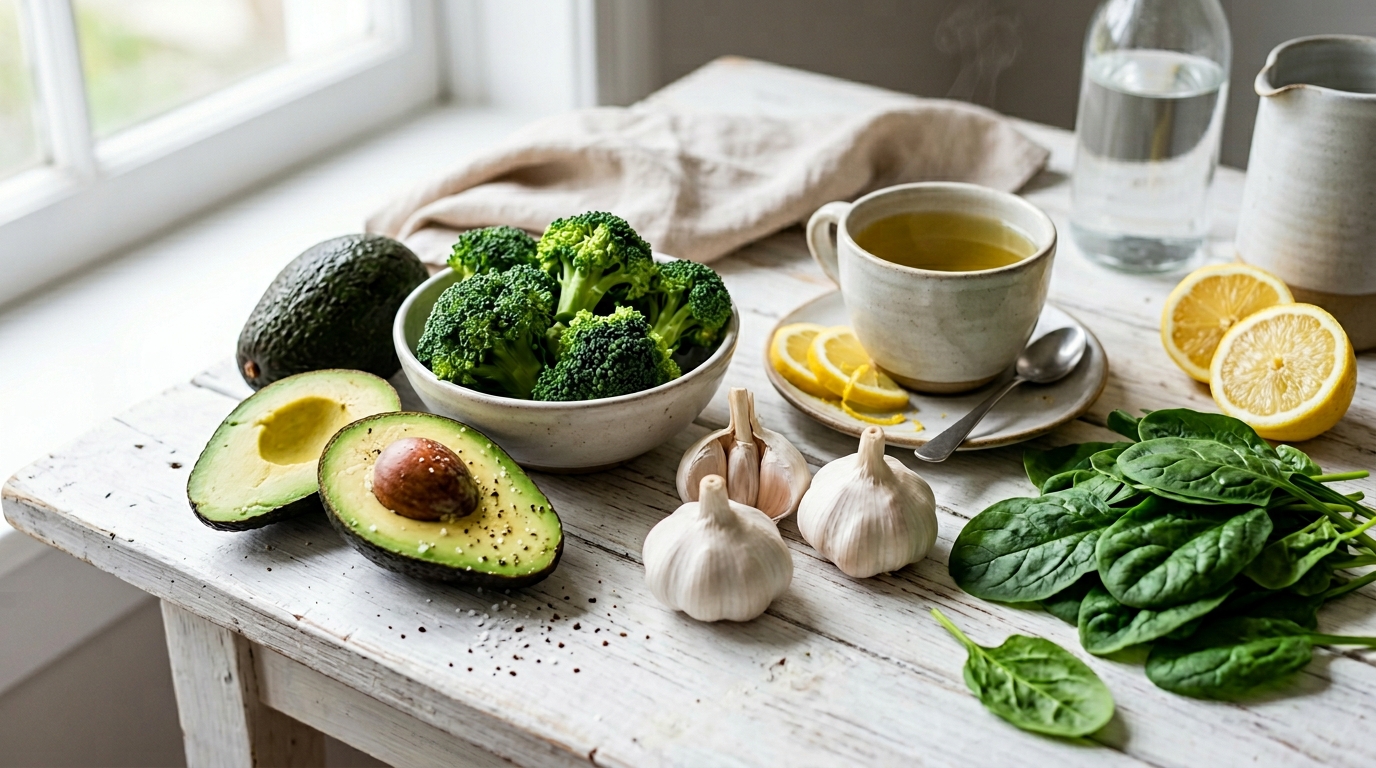
Cruciferous vegetables — including broccoli, cauliflower, Brussels sprouts, cabbage, and kale — are among the most powerful liver-supporting foods available. They are rich in sulfur-containing compounds called glucosinolates, which stimulate the production of detoxification enzymes in the liver.
Research suggests that regular consumption of cruciferous vegetables may help reduce fat accumulation in the liver, lower markers of liver inflammation, and support the clearance of carcinogenic compounds. Aim to include at least one serving daily in your meals.
2. Prioritize Healthy Fats
Not all fats are hard on the liver. In fact, healthy fats from sources such as avocados, olive oil, and fatty fish actively support liver function. Avocados, in particular, contain glutathione precursors and anti-inflammatory compounds that may help protect liver cells from oxidative damage.
Extra virgin olive oil supports liver enzyme levels and helps reduce fat accumulation in liver tissue. Replace refined seed oils and trans fats with olive oil as your primary cooking and dressing fat.
3. Reduce Sugar and Refined Carbohydrates
Excess sugar — particularly fructose from added sugars and high-fructose corn syrup — is processed almost exclusively by the liver. When consumed in large amounts, fructose can be converted into fat and stored in liver tissue, contributing to non-alcoholic fatty liver disease (NAFLD).
Reducing intake of sugary beverages, desserts, white bread, and refined pasta significantly lowers the metabolic load on the liver. Replacing these with complex carbohydrates from whole grains, legumes, and vegetables provides fiber that also supports healthy bile elimination.
4. Stay Well Hydrated
Water is essential for all of the liver’s detoxification functions. It helps dissolve water-soluble toxins, supports kidney function, and facilitates the movement of waste products through the digestive tract.
Adequate hydration — typically eight to ten cups per day for most adults — keeps bile thin and flowing effectively. Adding lemon juice to water provides a small boost of vitamin C and may mildly stimulate bile production.
5. Include Garlic in Your Diet
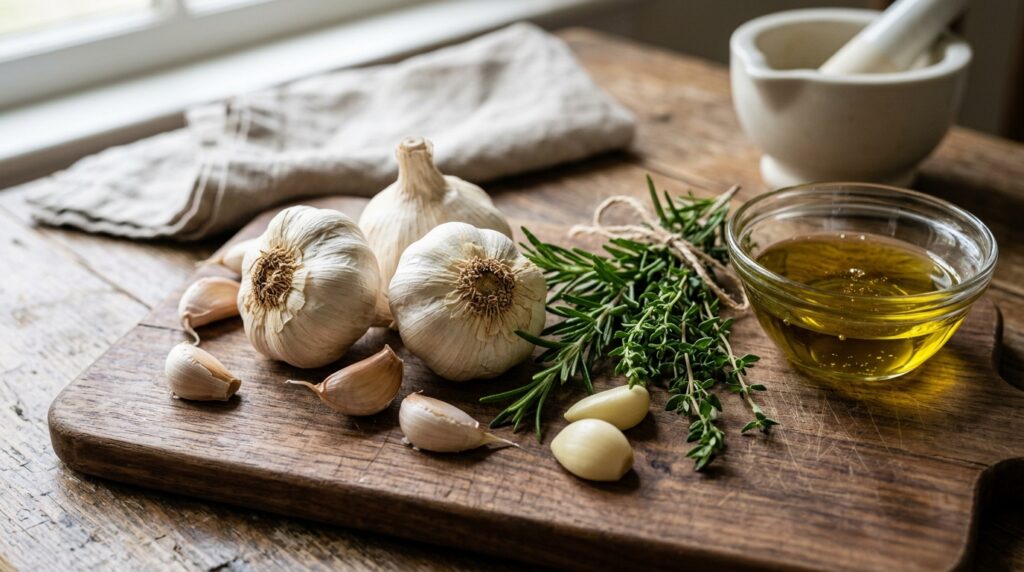
Garlic contains allicin and sulfur compounds that activate liver enzymes responsible for flushing out toxins. It also contains selenium, an antioxidant mineral that plays an important role in protecting liver cells from oxidative stress.
Even small amounts of garlic consumed regularly — whether raw, roasted, or added to cooking — can contribute to cumulative liver health benefits. For a broader look at how diet influences organ health, you may also want to read our guide on best foods to reduce fatty liver.
6. Drink Green Tea Regularly
Green tea is rich in catechins, a group of plant antioxidants that have been studied for their potential to improve liver enzyme levels and reduce fat accumulation in liver tissue. Several studies have found associations between regular green tea consumption and lower incidence of liver disease.
Matcha, the powdered form of green tea, provides an even more concentrated source of catechins and is an easy addition to your morning routine.
7. Limit Alcohol Consumption
Alcohol is one of the most significant contributors to liver damage. The liver metabolizes the majority of alcohol consumed, and this process generates harmful byproducts including acetaldehyde, which damages liver cells and promotes inflammation.
Even moderate alcohol consumption over time contributes to fat accumulation in the liver. Reducing or eliminating alcohol is one of the single most impactful steps you can take to support liver recovery and long-term function.
8. Exercise Consistently
Physical activity directly benefits liver health by reducing fat deposits in liver tissue, lowering systemic inflammation, and improving insulin sensitivity. Both aerobic exercise and resistance training have been shown in research to reduce liver fat and improve liver enzyme markers.
Even modest amounts of regular movement — thirty minutes of brisk walking most days — can produce measurable improvements in liver health within weeks. The key is consistency rather than intensity.
9. Eat Foods Rich in Glutathione
Glutathione is the liver’s master antioxidant. It neutralizes toxins, supports immune function, and is essential for Phase II detoxification. The body produces glutathione internally, but dietary choices can significantly boost its availability.
Foods that support glutathione production include asparagus, spinach, avocado, garlic, walnuts, and eggs. Cooking methods matter — gentle steaming or raw consumption tends to preserve glutathione precursors better than high-heat cooking.
10. Manage Stress and Prioritize Sleep
Chronic stress elevates cortisol and promotes systemic inflammation, both of which place additional burden on the liver. Sleep deprivation has been shown to impair liver metabolism, disrupt glucose regulation, and increase oxidative stress.
Prioritizing seven to nine hours of quality sleep per night and incorporating stress-reduction practices such as deep breathing, meditation, or gentle yoga provides the recovery time the liver needs to carry out its restorative nighttime functions effectively.

Conclusion
Improving liver health naturally is not about dramatic cleanses or expensive supplements. It is about consistently choosing foods and habits that reduce the burden on your liver while providing the nutrients it needs to thrive. Cruciferous vegetables, healthy fats, garlic, green tea, adequate hydration, regular exercise, and sufficient sleep all work together to create an environment where the liver can repair, regulate, and protect your body effectively.
Start with one or two changes and build from there. The liver’s capacity for regeneration means that meaningful improvement is possible for most people who are willing to make consistent, thoughtful choices.
Frequently Asked Questions
What is the fastest way to improve liver health? The most impactful immediate steps are reducing alcohol intake, eliminating added sugars, increasing vegetable consumption, and staying well hydrated. These changes reduce the liver’s toxic burden quickly and begin to support its natural repair processes within weeks.
Are liver detox supplements worth taking? Most research does not strongly support the effectiveness of commercial liver detox supplements. The liver’s detoxification pathways are best supported through whole foods rich in antioxidants, sulfur compounds, and fiber. Milk thistle is among the more studied supplements and may offer modest liver-protective benefits, but should be used under the guidance of a healthcare provider.
How long does it take to see results from liver-supportive dietary changes? Many people notice improvements in energy levels, digestion, and skin clarity within two to four weeks of consistent dietary changes. Measurable improvements in liver enzyme markers can often be observed within one to three months when lifestyle changes are sustained.
Related Articles
- Signs Your Liver Needs a Detox
- Best Foods for Liver Health
- Foods That Detox and Cleanse the Liver