Introduction
Exercise is often promoted as the cornerstone of any weight loss plan, but the truth is that diet plays a far greater role in determining body weight than physical activity does. Research consistently shows that calorie intake is the primary driver of weight gain and weight loss. This means that with the right dietary approach, you can absolutely lose weight without stepping foot in a gym. This guide walks you through ten practical, evidence-based strategies for losing weight through diet alone.
Why Diet Matters More Than Exercise for Weight Loss
The basic principle of weight loss is that you need to consume fewer calories than your body burns. While exercise increases calorie expenditure, it is surprisingly easy to cancel out an hour of moderate exercise with a single high-calorie meal. Dietary changes, on the other hand, can create a meaningful calorie deficit without requiring extra time or physical effort. Nutrition researchers often note that weight loss is approximately 80 percent diet and 20 percent exercise, which makes food choices your single most powerful tool for managing body weight.
1. Create a Moderate Calorie Deficit
The foundation of diet-based weight loss is consuming fewer calories than you use. A deficit of approximately 500 calories per day leads to a gradual and sustainable rate of weight loss over time. Cutting calories too aggressively can backfire by triggering hunger hormones, reducing metabolism, and causing muscle loss. Using a simple food tracking app for even a few weeks can help you understand your current intake and identify easy areas to reduce calories without feeling deprived.
2. Prioritize High-Protein Foods at Every Meal
Protein is the most satiating macronutrient, meaning it keeps you fuller for longer than carbohydrates or fat. Including a good protein source at every meal, such as eggs, chicken, fish, legumes, or Greek yogurt, reduces overall calorie intake naturally by decreasing hunger and cravings. Protein also has a higher thermic effect than other nutrients, so your body actually burns more calories just by digesting it. Replacing processed snack foods with protein-rich options is one of the most effective dietary swaps for weight loss.
3. Fill Half Your Plate with Vegetables
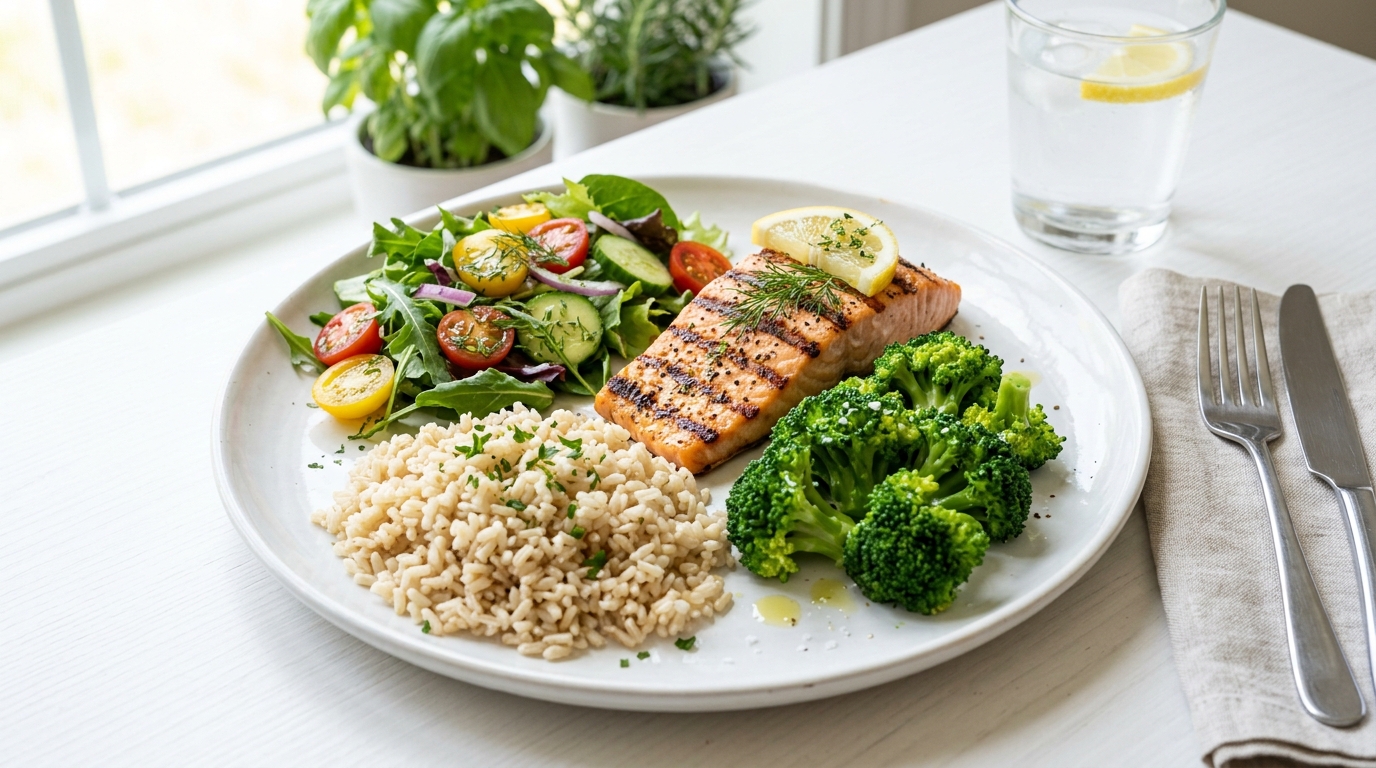
Non-starchy vegetables like leafy greens, broccoli, cucumbers, bell peppers, and zucchini are extremely low in calories but high in volume, fiber, and water content. Filling at least half your plate with these foods dramatically increases meal satisfaction without adding significant calories. This strategy allows you to eat generous portions while still maintaining a calorie deficit. The fiber in vegetables also slows digestion and helps stabilize blood sugar, which reduces energy crashes and cravings throughout the day.
4. Reduce Liquid Calories
Beverages are one of the most overlooked sources of excess calories in the modern diet. Sugary drinks like sodas, fruit juices, flavored coffees, and energy drinks can add hundreds of calories per day without contributing to fullness. Switching to water, sparkling water, black coffee, or unsweetened herbal tea eliminates a major source of empty calories with minimal effort. Studies have also shown that drinking water before meals can reduce the amount eaten during that meal.
5. Limit Ultra-Processed Foods
Ultra-processed foods are engineered to be hyper-palatable, meaning they are designed to override your body’s natural satiety signals. Foods like chips, cookies, fast food, and packaged snacks tend to be high in refined carbohydrates, unhealthy fats, and added sugar while being low in nutrients. Reducing your intake of these foods is one of the most impactful dietary changes you can make for long-term weight loss. Replacing them with whole foods like fruits, vegetables, legumes, and lean proteins naturally reduces calorie intake.
If you want a structured approach to organizing your meals, our guide on the best healthy meal plan for weight loss offers a practical weekly framework you can follow.
6. Eat More Fiber-Rich Foods
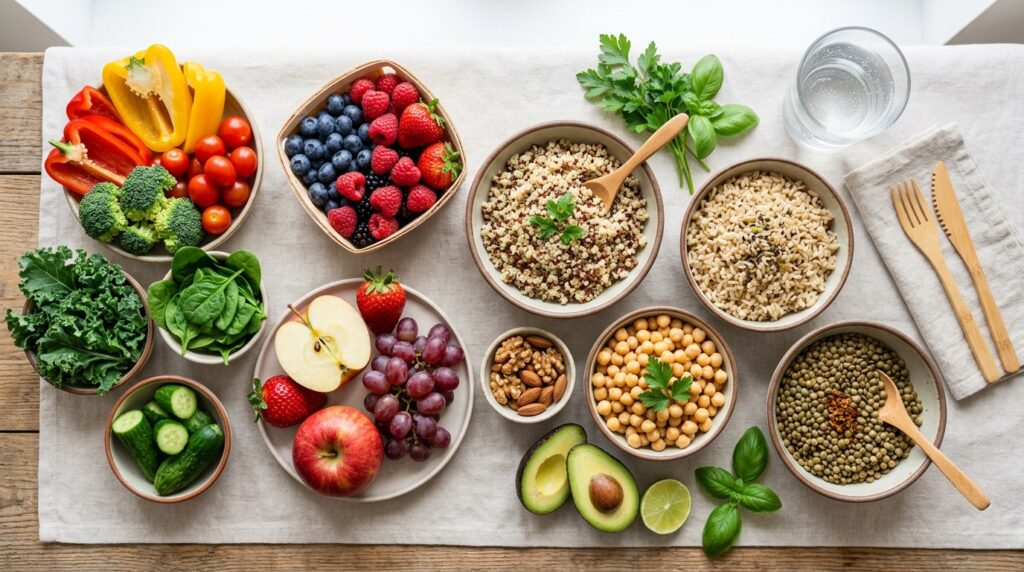
Dietary fiber is found in plant foods like vegetables, fruits, legumes, and whole grains. Soluble fiber, in particular, forms a gel-like substance in the digestive tract that slows the absorption of nutrients and prolongs feelings of fullness. Research consistently links higher fiber intake with lower body weight and a reduced risk of overeating. Aiming for at least 25 to 30 grams of fiber per day through whole food sources is one of the most sustainable ways to manage appetite and reduce calorie intake over time.
7. Practice Mindful Eating
Mindful eating involves paying full attention to your food while eating, without distractions like screens or phones. Eating slowly and chewing thoroughly allows your brain to receive satiety signals from your digestive system before you overeat. Studies have shown that people who eat more slowly consume fewer calories and report higher levels of meal satisfaction. Simple practices like putting your fork down between bites and pausing mid-meal to assess hunger levels can make a meaningful difference in how much you eat.
8. Manage Portion Sizes Without Counting Calories
If calorie counting feels overwhelming, portion control offers a practical alternative. Using smaller plates and bowls can reduce how much you serve yourself without feeling like you are depriving yourself. Eating from a smaller vessel tricks the brain into perceiving larger portions. Additionally, pre-portioning snacks into smaller containers rather than eating directly from a large bag helps prevent mindless overeating that is easy to underestimate.
9. Cut Back on Refined Carbohydrates and Added Sugar
Refined carbohydrates like white bread, white rice, pastries, and sugary cereals are quickly digested and cause rapid spikes in blood sugar followed by crashes that trigger hunger and cravings. Reducing your intake of these foods and replacing them with whole grain alternatives like brown rice, oats, and whole grain bread helps keep blood sugar stable and energy levels consistent. Cutting back on added sugar also directly reduces calorie intake and lowers the risk of fat storage, particularly around the abdominal area.
10. Build Consistent Eating Habits
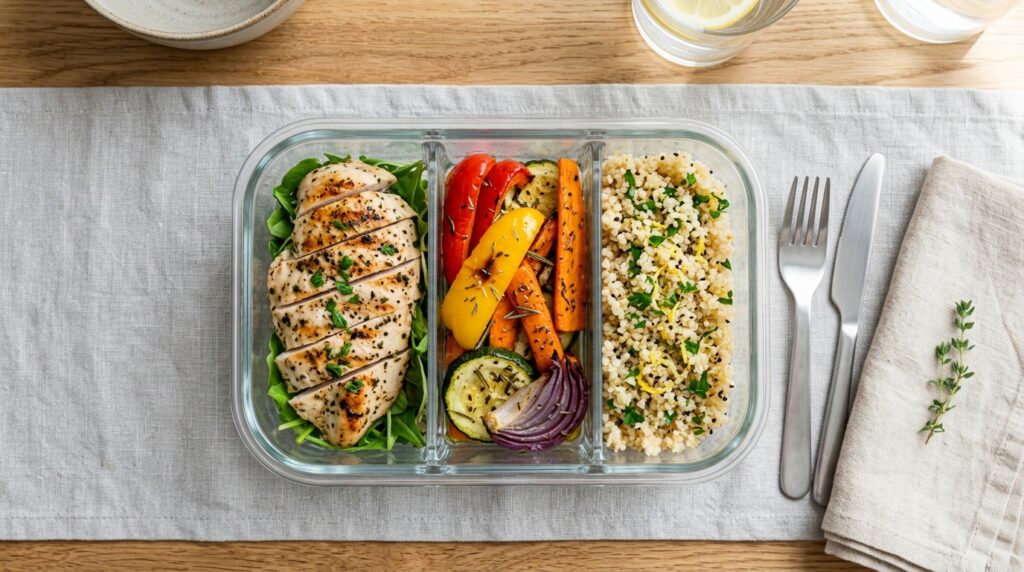
Consistency is more important than perfection when it comes to diet-based weight loss. Establishing regular meal times, preparing food in advance, and keeping healthy options readily accessible reduces the likelihood of making poor food choices out of hunger or convenience. Small, sustainable habits maintained over months and years produce far greater results than short-term restrictive diets. Focus on building a dietary pattern that feels livable rather than one that requires constant willpower to maintain.
Conclusion
Losing weight through diet alone is entirely achievable when you focus on the right strategies. Creating a modest calorie deficit, eating more protein and fiber, limiting processed foods, and practicing mindful eating are habits that collectively produce meaningful and lasting results. You do not need extreme restriction or complicated meal plans to succeed. The key is to make gradual, consistent changes that align with your lifestyle and that you can sustain over the long term.
Frequently Asked Questions
Can you really lose weight without exercising? Yes. Weight loss is primarily determined by calorie intake versus calorie expenditure. Dietary changes can create a significant calorie deficit without exercise, making diet the most powerful tool for weight management.
How long does it take to see results from diet changes alone? Most people begin to notice changes within two to four weeks of consistently following a calorie-controlled, nutrient-dense eating plan. Visible body changes may take longer depending on starting weight, age, and individual metabolism.
Is it safe to lose weight through diet alone long term? Diet-based weight loss is safe and sustainable when calorie intake remains adequate and nutritional needs are met. Including a variety of whole foods ensures you receive sufficient vitamins, minerals, protein, and fiber throughout the process.
Related Articles
- Best High-Fiber Foods for Weight Loss
- Best Low-Calorie Foods That Keep You Full
- Foods to Avoid When Trying to Lose Weight