Introduction
Every day, your body faces a constant assault from free radicals. These unstable molecules are generated by pollution, UV exposure, stress, processed food, and even normal metabolic processes. Left unchecked, free radicals damage cells, accelerate aging, and contribute to chronic diseases ranging from heart disease to cancer.
Antioxidants are the body’s natural defense system. They neutralize free radicals before they can cause lasting cellular damage. While your body produces some antioxidants on its own, dietary sources are essential for maintaining adequate protection. Certain superfoods deliver extraordinarily high concentrations of antioxidants, making them among the most powerful tools for long-term health.
This guide explores the most powerful antioxidant-rich superfoods and how you can use them to protect your cells, reduce inflammation, and support healthy aging.
Why Antioxidants Are Essential for Long-Term Health
Oxidative stress, the imbalance between free radicals and antioxidants in the body, has been linked to the development of cardiovascular disease, neurodegenerative conditions, diabetes, and accelerated aging. Research consistently shows that diets high in antioxidant-rich whole foods are associated with lower rates of these conditions and longer, healthier lives.
The most studied antioxidants include vitamin C, vitamin E, selenium, flavonoids, polyphenols, and carotenoids like beta-carotene and lycopene. Each operates through different mechanisms within the body, which is why dietary variety is critical. Eating a wide range of antioxidant-rich superfoods ensures you get comprehensive cellular protection.
If you are looking for additional ways to reduce oxidative damage, our guide on superfoods that fight inflammation offers complementary strategies.
1. Blueberries
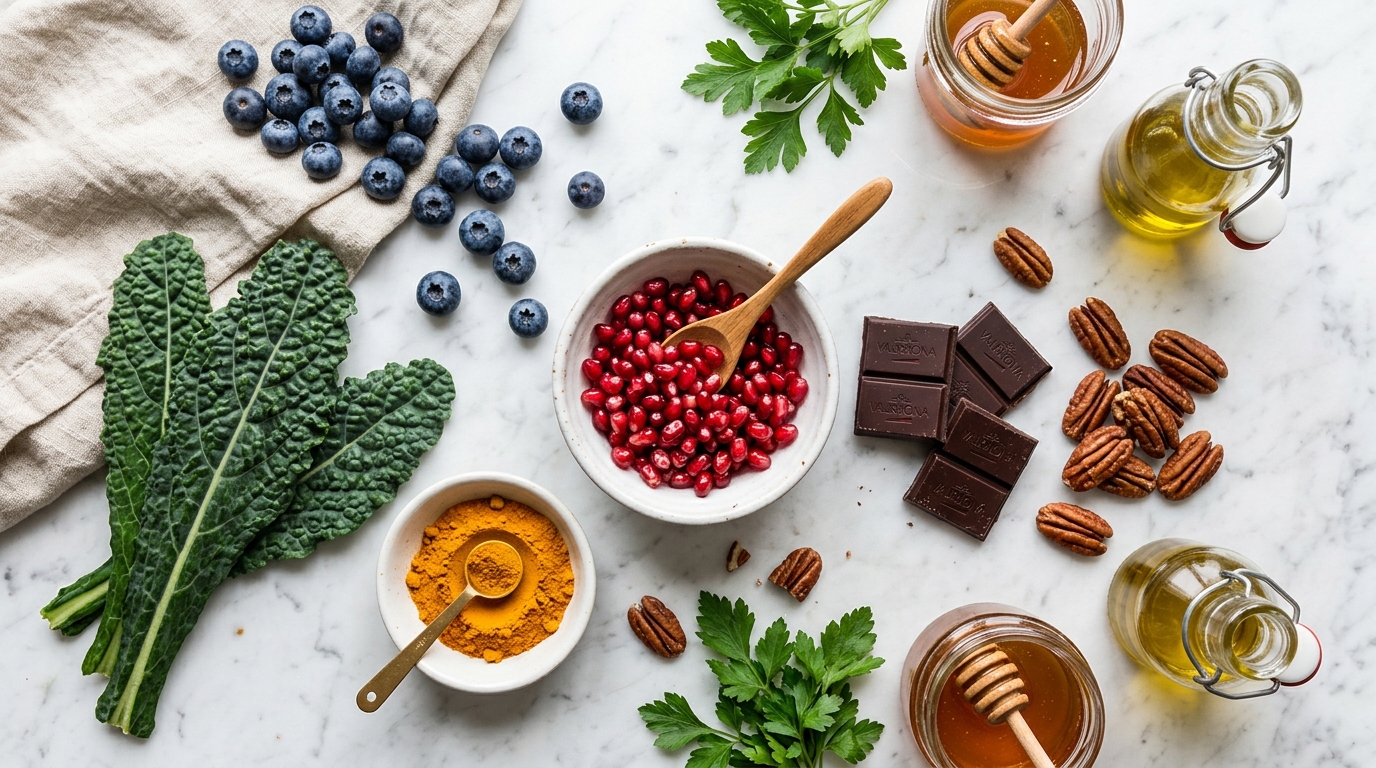
Blueberries consistently rank among the highest antioxidant foods measured in studies. They are particularly rich in anthocyanins, a class of flavonoids responsible for their deep blue-purple color. These compounds have been shown to reduce oxidative stress, improve brain function, lower blood pressure, and support cardiovascular health.
A single cup of fresh blueberries provides an impressive array of vitamins C and K, manganese, and fiber alongside their antioxidant load. Frozen blueberries retain virtually all of their nutritional value and are available year-round at a lower cost. Eat them daily if possible, whether fresh, frozen, blended, or stirred into yogurt.
2. Dark Chocolate
Dark chocolate with at least 70 percent cocoa content is one of the richest known sources of antioxidants, including flavanols, polyphenols, and theobromine. Its antioxidant capacity rivals that of blueberries and red wine in several comparative studies.
The flavanols in dark chocolate support blood flow, reduce inflammation, improve insulin sensitivity, and protect the skin from UV damage. A one-ounce serving daily provides meaningful cardiovascular benefits without excessive sugar intake. Choose minimally processed varieties with minimal added ingredients for the greatest antioxidant benefit.
3. Turmeric
Turmeric owes its powerful antioxidant properties to curcumin, its primary active compound. Curcumin is both an antioxidant and a potent anti-inflammatory agent that has been studied extensively for its role in protecting against cell damage, supporting joint health, and potentially reducing cancer risk.
One important consideration is bioavailability. Curcumin is poorly absorbed on its own but becomes significantly more bioavailable when consumed with black pepper, which contains piperine. Add turmeric with a pinch of black pepper to soups, curries, roasted vegetables, or golden milk for the best results.
4. Pomegranate
Pomegranate is one of the most antioxidant-dense fruits available. It contains punicalagins, unique compounds found almost exclusively in pomegranate, that are extraordinarily potent antioxidants. Pomegranate also provides anthocyanins, ellagic acid, and vitamin C.
Studies suggest pomegranate extract may lower LDL oxidation, reduce blood pressure, improve memory, and inhibit the growth of certain cancer cells. The arils, the juice-filled seeds, can be scattered over salads, mixed into yogurt, or pressed into juice. Look for 100 percent pomegranate juice without added sugar for maximum benefit.
5. Kale
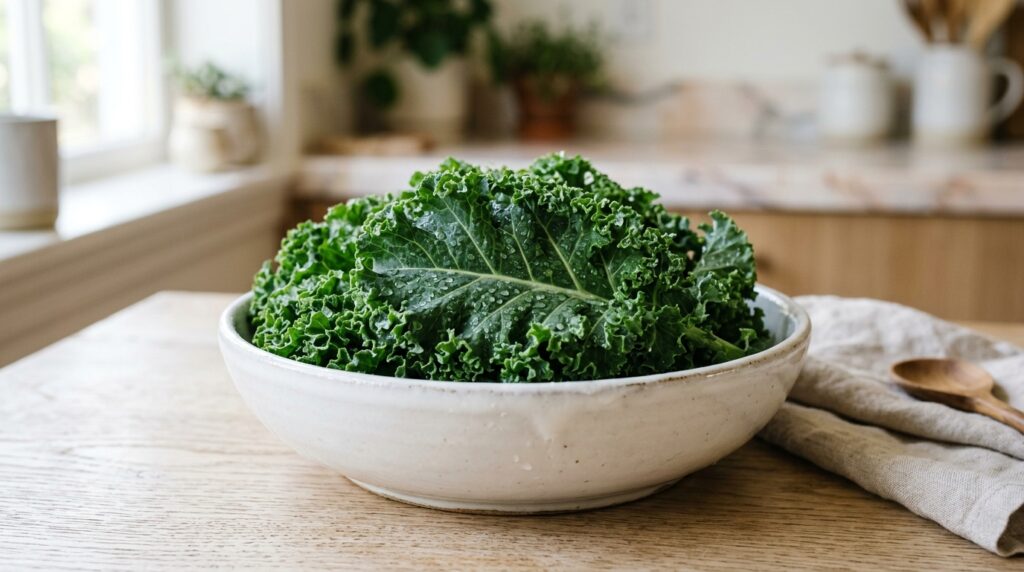
Kale is one of the most nutrient-dense vegetables on earth and a serious source of antioxidants. It contains beta-carotene, vitamin C, quercetin, and kaempferol, two flavonoids with particularly strong antioxidant and anti-inflammatory properties.
Kale also provides vitamins K1 and A, calcium, and manganese, making it a comprehensive nutritional package. Massaging raw kale with a small amount of oil and acid softens its texture and makes it more palatable. It can also be sautéed, blended into smoothies, or baked into chips for a satisfying crunch.
6. Pecans
Among nuts, pecans contain the highest antioxidant content. They are particularly rich in tocopherols, forms of vitamin E, along with polyphenols and gamma-tocopherol, a subtype of vitamin E with especially strong antioxidant activity.
Research has linked regular pecan consumption to reduced LDL oxidation and improved overall antioxidant capacity in the bloodstream. A small handful of pecans as a daily snack provides meaningful protection against oxidative damage while also delivering healthy fats, fiber, and minerals that support heart and brain health.
7. Goji Berries
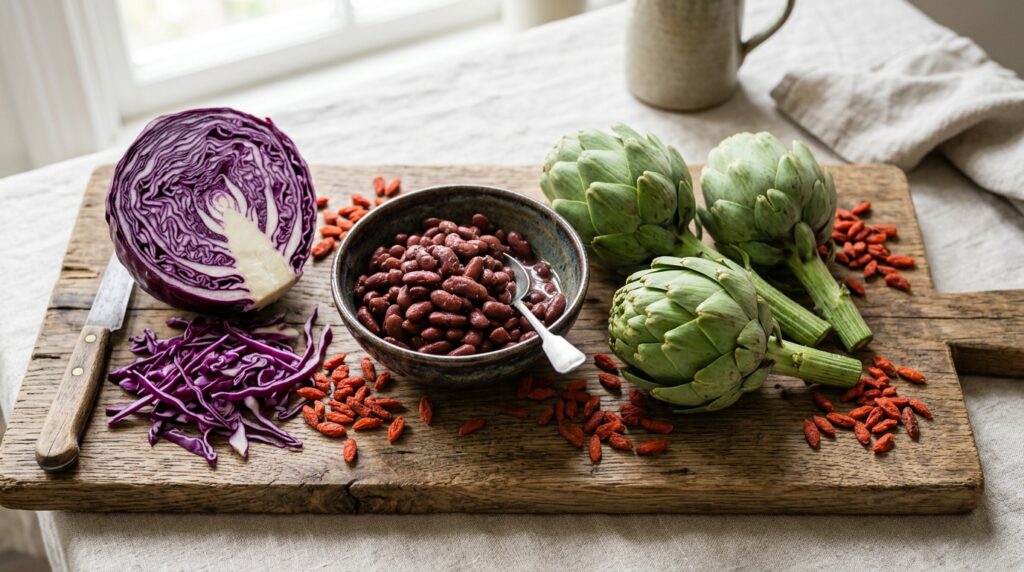
Goji berries have been used in traditional Chinese medicine for thousands of years and are celebrated for their antioxidant content. They are rich in zeaxanthin, a carotenoid that protects the eyes from oxidative damage and reduces the risk of macular degeneration, as well as polysaccharides that support immune function.
Goji berries also provide vitamin A, vitamin C, iron, and zinc. Dried goji berries can be eaten as a snack, stirred into oatmeal, added to trail mix, or brewed into tea. Their mildly sweet, slightly tangy flavor works well in both sweet and savory dishes.
8. Red Cabbage
Red cabbage is a budget-friendly antioxidant powerhouse. Its vibrant color comes from anthocyanins, the same family of compounds found in blueberries, and it also provides substantial amounts of vitamin C and beta-carotene.
Gram for gram, red cabbage contains six to eight times more vitamin C than green cabbage, making it one of the most antioxidant-rich vegetables available at any price point. It can be eaten raw in slaws, fermented into sauerkraut for additional probiotic benefits, or lightly sautéed as a side dish.
9. Artichokes
Artichokes are among the highest antioxidant vegetables by weight, despite being frequently overlooked. They are particularly rich in cynarin and silymarin, compounds that protect liver cells from oxidative damage, along with chlorogenic acid, a polyphenol with broad antioxidant and anti-inflammatory effects.
Cooked artichokes actually have higher antioxidant activity than raw ones, with boiling and steaming being the preferred cooking methods. They are also a good source of fiber and prebiotics that support gut health alongside their antioxidant properties.
10. Kidney Beans
Kidney beans may not be the first food that comes to mind when thinking about antioxidants, but they rank among the highest-antioxidant foods per serving in multiple studies. They contain a range of flavonoids and polyphenols along with minerals like manganese that support the body’s own antioxidant enzyme systems.
Their combination of plant-based protein, fiber, and antioxidants makes kidney beans one of the most complete and affordable superfoods available. Add them to soups, stews, chili, or salads for a nutritional boost that also supports blood sugar stability and digestive health.
Conclusion
Protecting your cells from oxidative damage is one of the most important things you can do for long-term health, and the most powerful antioxidant-rich superfoods make that goal both achievable and delicious. From the anthocyanin-rich depth of blueberries and pomegranate to the polyphenol density of dark chocolate and turmeric, these foods deliver broad-spectrum cellular protection with every serving. Aim for variety across colors and food groups to ensure comprehensive antioxidant coverage.
Frequently Asked Questions
Which fruit has the highest antioxidant content? Blueberries, pomegranates, and goji berries are consistently ranked among the highest antioxidant fruits. Blueberries are particularly notable for their anthocyanin content, while pomegranate contains punicalagins that are exceptionally potent and largely unique to that fruit.
Does cooking destroy antioxidants in vegetables? It depends on the vegetable and the cooking method. Some antioxidants, like lycopene in tomatoes, actually increase with heat. Others, like vitamin C, decrease with high heat and water-based cooking. Light steaming or roasting generally preserves the most antioxidant value across most vegetables.
How many servings of antioxidant foods should I eat per day? Nutrition guidelines recommend at least five servings of fruits and vegetables daily, with emphasis on variety and color. Aiming for two to three servings from the foods on this list each day provides meaningful antioxidant protection without requiring dramatic dietary changes.
Related Articles
Superfoods That Fight Inflammation Best Superfoods for Energy and Vitality Best Superfoods for Gut Health