Introduction
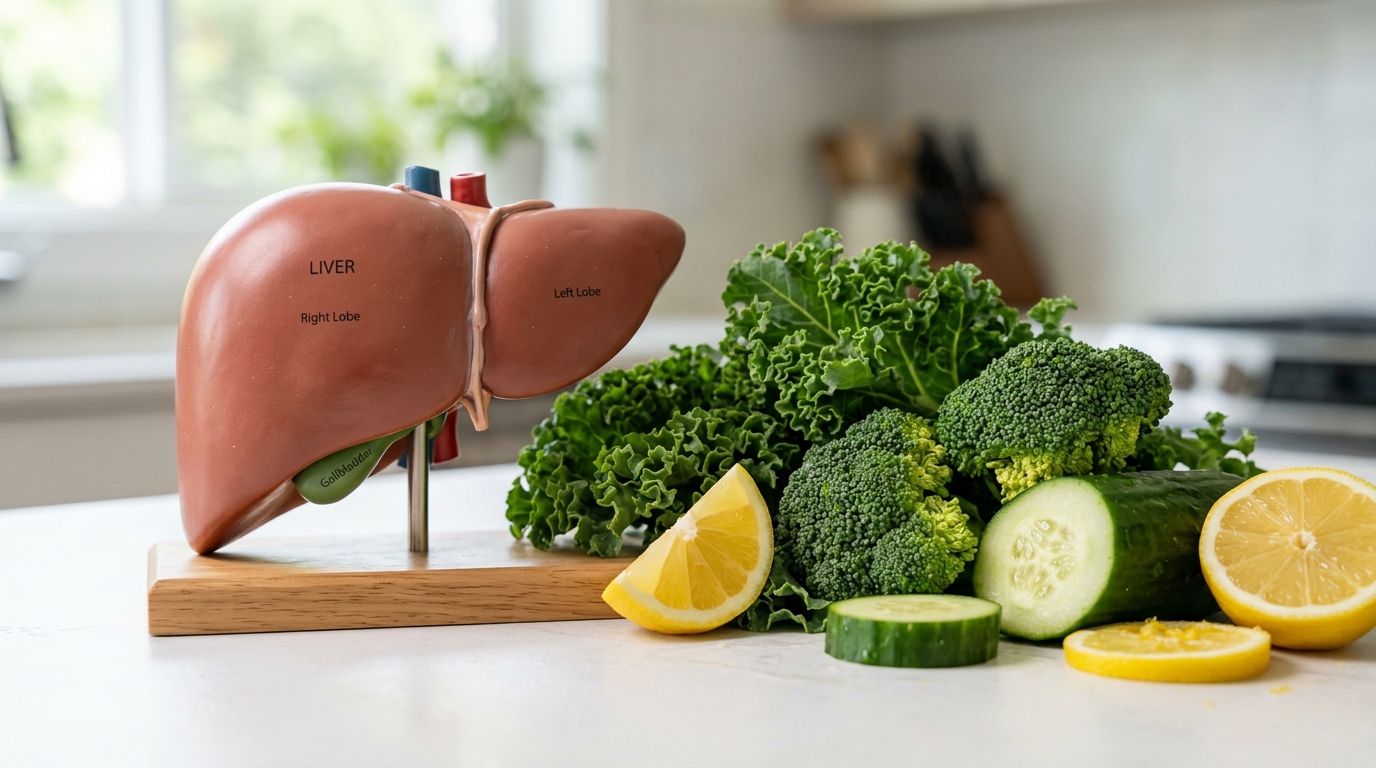
Your liver is one of the hardest-working organs in your body. Every day, it filters toxins from your blood, metabolizes nutrients, produces bile for digestion, and regulates hundreds of essential biochemical processes. But when the liver becomes overwhelmed — whether from poor diet, excess alcohol, environmental toxins, or chronic stress — it begins to send signals that something is wrong.
The challenge is that many of these signals are easy to dismiss or attribute to other causes. Fatigue, bloating, and skin problems are so common that people rarely connect them to liver health. But understanding the signs your liver needs a detox can help you take action before more serious problems develop.
This article covers the most important warning signs, what they mean, and what you can do to support your liver naturally.
Why Liver Health Matters
The liver performs over 500 functions in the human body. It converts food into energy, stores vitamins and minerals, produces proteins essential for blood clotting, and breaks down harmful substances so they can be safely eliminated. When the liver is functioning well, you feel energetic, your digestion runs smoothly, and your skin tends to look healthy.
When liver function is compromised, the effects ripple across the entire body. Toxins that should be filtered out begin to accumulate. Metabolism slows. Hormones become imbalanced. Inflammation increases. Over time, this can contribute to conditions like fatty liver disease, metabolic syndrome, and chronic inflammation.
Supporting liver health through diet and lifestyle is one of the most impactful things you can do for your long-term well-being.
1. Persistent Fatigue
One of the most common and overlooked signs of poor liver health is chronic, unexplained fatigue. The liver plays a central role in energy production by converting glycogen into glucose and metabolizing fatty acids. When the liver is congested or inflamed, energy production becomes inefficient, leaving you feeling drained even after a full night of sleep.
If you find yourself reaching for caffeine throughout the day and never feeling truly rested, it may be worth examining your liver health alongside other potential causes.
2. Digestive Problems and Bloating
The liver produces bile, a digestive fluid stored in the gallbladder that is essential for breaking down dietary fats. When liver function is impaired, bile production can decrease or become irregular, leading to bloating, gas, constipation, and difficulty digesting fatty foods.
If you regularly experience discomfort after meals — especially meals that are higher in fat — your liver and gallbladder may not be producing and releasing bile efficiently.
3. Skin Issues and Yellowing
The skin is often called a mirror of internal health, and the liver is no exception. When the liver cannot adequately filter waste products and toxins, they may be expelled through the skin, leading to acne, rashes, eczema flare-ups, or dull, sallow complexion.
In more serious cases, a buildup of bilirubin — a byproduct of red blood cell breakdown normally processed by the liver — can cause jaundice, a yellowing of the skin and whites of the eyes. Jaundice is a clear medical signal that warrants prompt evaluation by a healthcare provider.
4. Dark Urine or Pale Stools
Changes in urine and stool color can be informative indicators of liver and bile duct function. Dark urine, resembling the color of iced tea, can indicate elevated bilirubin levels being excreted through the kidneys when the liver cannot process it effectively. Pale or clay-colored stools may suggest reduced bile flow into the digestive tract.
These symptoms, especially when they appear together, should not be ignored and may require medical attention.
5. Unexplained Weight Gain, Especially Around the Abdomen
The liver is deeply involved in fat metabolism and hormone regulation. When liver function is impaired, fat can accumulate in the liver itself (a condition known as non-alcoholic fatty liver disease) and around the abdominal region. A liver that is struggling to process fats and regulate insulin may contribute to metabolic imbalances that make weight loss more difficult.
If you are gaining weight around your midsection despite making reasonable dietary and exercise choices, poor liver health may be a contributing factor worth investigating.
If you’re interested in understanding how diet supports organ health more broadly, you may also want to read our guide on the best foods for liver health.

6. Hormonal Imbalances
The liver plays a significant role in metabolizing and eliminating excess hormones, including estrogen. When the liver is overburdened, it may fail to clear hormones efficiently, contributing to hormonal imbalances in both men and women. Symptoms can include irregular menstrual cycles, mood fluctuations, decreased libido, or worsening PMS.
Supporting liver detoxification pathways through cruciferous vegetables, fiber, and adequate hydration can help the body maintain healthier hormone balance.
7. Brain Fog and Difficulty Concentrating
Cognitive function depends in part on the liver’s ability to filter toxins from the bloodstream. When the liver is compromised, neurotoxins such as ammonia can begin to accumulate in the blood and affect brain function, a condition known as hepatic encephalopathy in severe cases. Mild versions of this may manifest as difficulty concentrating, forgetfulness, or a persistent mental fog.
While brain fog has many causes, it is worth considering liver health — particularly if it accompanies other symptoms on this list.
8. Sensitivity to Alcohol and Medications
A healthy liver efficiently metabolizes alcohol and pharmaceutical compounds. If you notice that you feel the effects of alcohol more intensely than you used to, or that medications seem to affect you more strongly, it may indicate reduced liver processing capacity.
This is the liver’s way of communicating that it is under stress and needs support.
9. Body Odor and Bad Breath
While not always obvious, a struggling liver can sometimes contribute to changes in body odor and breath. This occurs when toxins that the liver cannot fully process are released through the skin and lungs. A musty or ammonia-like smell can, in more significant cases, indicate impaired liver function.
This is a less commonly discussed symptom but one worth noting alongside other warning signs.
10. Itchy Skin Without an Obvious Cause
Persistent itching — particularly without a visible rash or skin condition — can be a sign of bile salt accumulation under the skin. When bile flow is obstructed or reduced, bile salts can deposit in skin tissue and cause irritation. This type of itching often does not respond well to topical treatments because it originates internally.
If you experience widespread itching that cannot be explained by dry skin, allergies, or dermatological conditions, liver function is worth evaluating.
Conclusion
Your liver communicates constantly, and learning to recognize its signals can make a meaningful difference in your long-term health. Signs such as persistent fatigue, digestive discomfort, skin changes, hormonal fluctuations, and cognitive fog are all worth taking seriously — especially when they appear together.
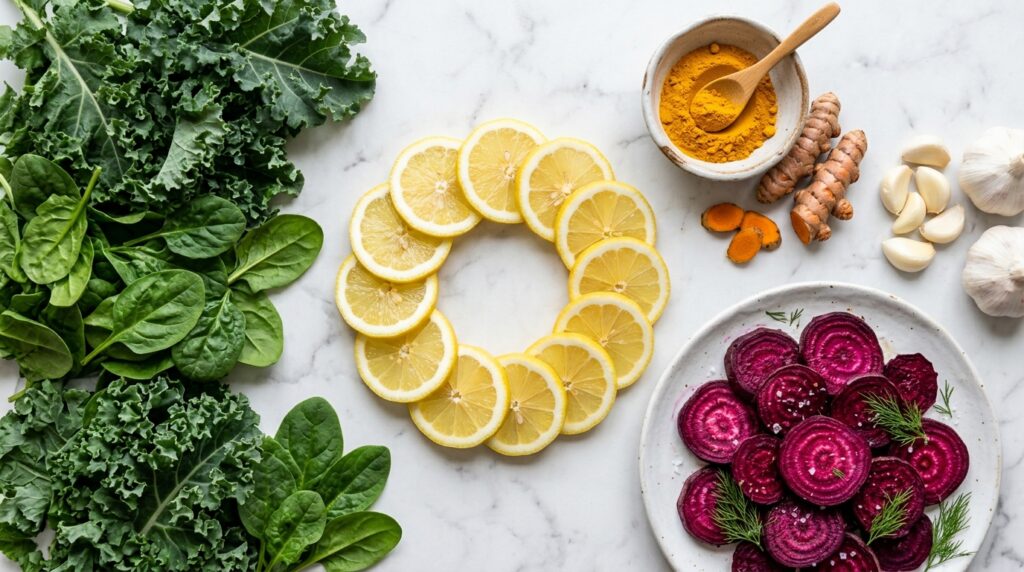
The good news is that the liver has remarkable regenerative capacity. By reducing processed foods, alcohol, and environmental toxin exposure while increasing intake of liver-supportive foods like leafy greens, cruciferous vegetables, and antioxidant-rich fruits, you can meaningfully support liver recovery and function. If you suspect your liver needs more than dietary support, consult a qualified healthcare provider for proper evaluation and testing.
Frequently Asked Questions
What are the earliest signs that your liver needs a detox? Fatigue, bloating after meals, and skin changes are often among the earliest indicators of liver stress. These symptoms can be subtle at first and tend to worsen gradually if underlying causes are not addressed through diet and lifestyle changes.
Can the liver recover on its own? Yes. The liver is one of the few organs capable of significant self-regeneration. When the source of stress — such as excessive alcohol, poor diet, or medication overuse — is reduced, the liver can often repair itself, particularly if the damage has not progressed to cirrhosis or other advanced conditions.
How long does it take to detox the liver naturally? There is no single timeline, as it depends on the extent of liver stress and the changes made. Many people begin to notice improvements in energy, digestion, and skin clarity within two to four weeks of adopting a liver-supportive diet and reducing toxin exposure.