Introduction
Your heart beats around 100,000 times a day, working continuously to deliver oxygen and nutrients to every cell in your body. Yet cardiovascular disease remains the leading cause of death worldwide — and a substantial portion of that risk is directly influenced by what you eat. The encouraging reality is that the right dietary choices can make a profound difference, not just in managing existing risk factors but in building long-term cardiovascular resilience.
Research consistently demonstrates that food choices affect blood pressure, cholesterol levels, arterial inflammation, and overall heart function. Whether your goal is prevention or active improvement, understanding which foods give your heart the most support is one of the most valuable steps you can take for your health.
This guide covers the 10 best foods for heart health and explains the specific mechanisms behind each one.
Why Heart Health Matters
Heart disease does not develop suddenly. It builds quietly over years through inflammation in arterial walls, gradual plaque accumulation, rising blood pressure, and worsening cholesterol ratios. By the time symptoms appear, significant cardiovascular changes may already be underway.
A heart-healthy diet addresses these underlying processes directly. Foods rich in omega-3 fatty acids, soluble fiber, antioxidants, and healthy fats work to keep arteries clear, blood pressure stable, and inflammation in check. The earlier these habits are established, the more protection they provide over a lifetime.
10 Best Foods for Heart Health
1. Fatty Fish
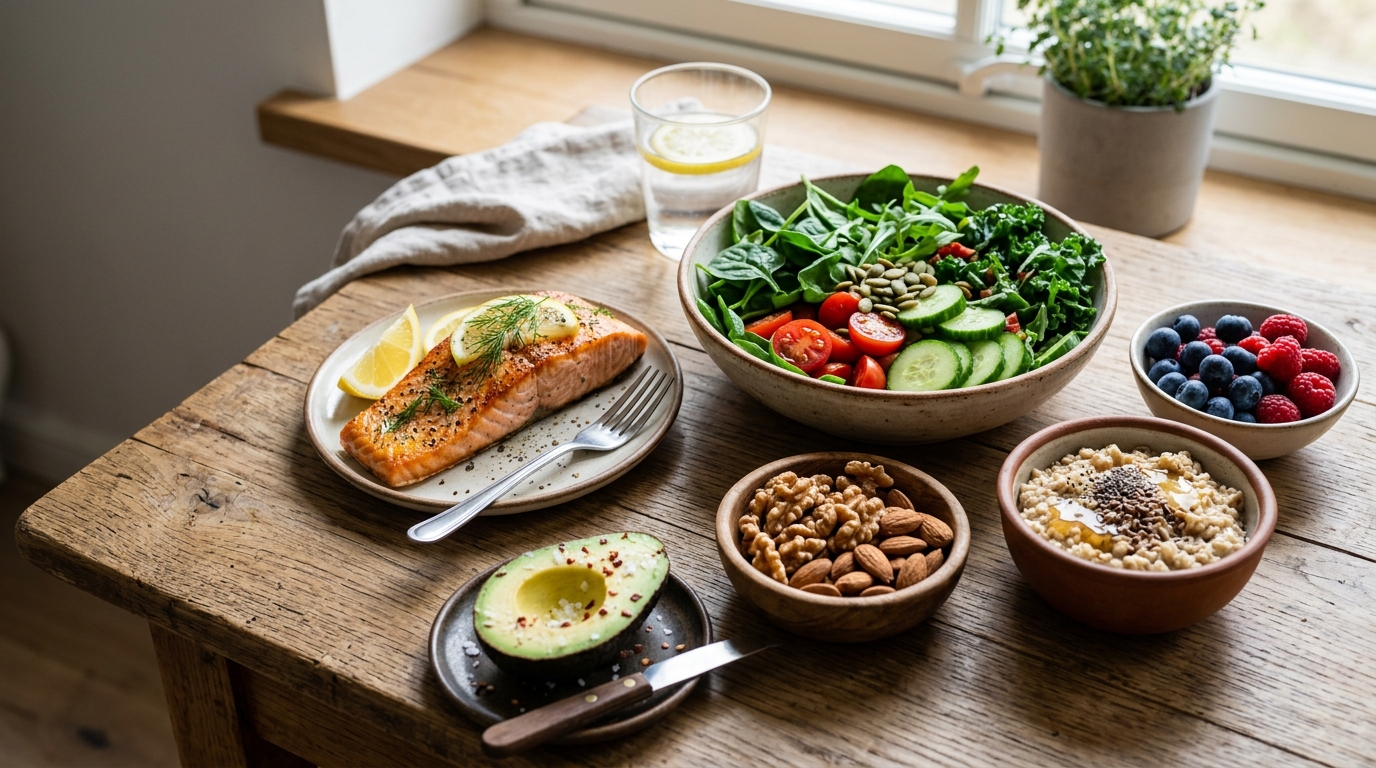
Salmon, mackerel, sardines, and trout are among the most powerful heart-protective foods available. They are packed with long-chain omega-3 fatty acids — EPA and DHA — which reduce triglycerides, lower blood pressure, decrease inflammation in arterial walls, and protect against abnormal heart rhythms. Most nutrition guidelines recommend eating fatty fish at least twice a week for cardiovascular benefit.
2. Oats
Oats contain a soluble fiber called beta-glucan that forms a viscous gel in the digestive tract, binding to bile acids made from cholesterol and helping to eliminate them from the body. As little as three grams of beta-glucan per day — roughly the amount in one and a half cups of cooked oats — has been shown in clinical research to lower LDL cholesterol by five to ten percent. Oats also help stabilize blood sugar, which is closely tied to cardiovascular risk.
3. Berries
Blueberries, strawberries, raspberries, and blackberries are exceptional sources of anthocyanins — pigment compounds with potent antioxidant and anti-inflammatory effects. These compounds reduce oxidative stress in blood vessels, improve arterial flexibility, and are associated with lower blood pressure and LDL cholesterol. Berries are also low in sugar and high in fiber, making them one of the most consistently beneficial foods for heart health across population studies.
4. Leafy Green Vegetables
Spinach, kale, arugula, and Swiss chard provide vitamin K, which plays a key role in arterial health and proper blood clotting. They are also rich in dietary nitrates, which the body converts to nitric oxide — a compound that relaxes and dilates blood vessels, improving blood flow and reducing blood pressure. Including leafy greens in daily meals is one of the most straightforward and evidence-supported strategies for cardiovascular protection.
5. Avocados
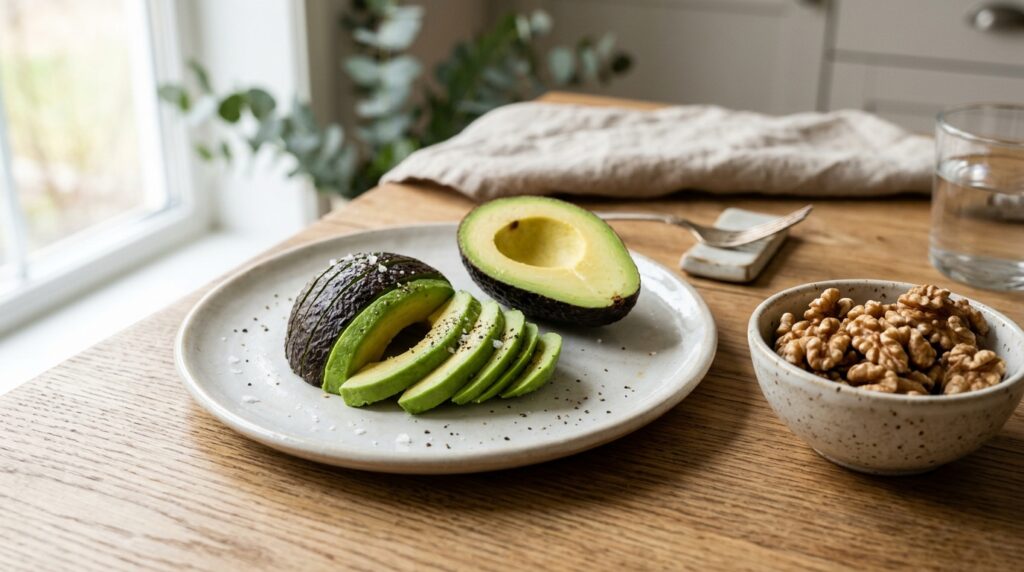
Avocados deliver monounsaturated fats, particularly oleic acid, which has been shown to reduce LDL cholesterol while maintaining or raising HDL cholesterol. They are also one of the richest dietary sources of potassium — a mineral that directly counteracts the blood-pressure-raising effects of sodium. Research on the PREDIMED study and others consistently places avocados among the most beneficial whole foods for cardiovascular health.
If you are looking to complement heart-healthy eating with an anti-inflammatory approach, our guide on the 10 best anti-inflammatory foods covers the key foods that reduce systemic inflammation linked to heart disease.
6. Walnuts and Almonds
Walnuts are uniquely rich in ALA omega-3 fatty acids, making them one of the best plant-based sources of heart-protective fats. Almonds provide monounsaturated fats, vitamin E, and fiber that collectively reduce LDL and support arterial health. Both nuts have been shown in multiple clinical trials to improve cholesterol ratios, and a daily handful has been associated with meaningful reductions in cardiovascular risk over time.
7. Olive Oil
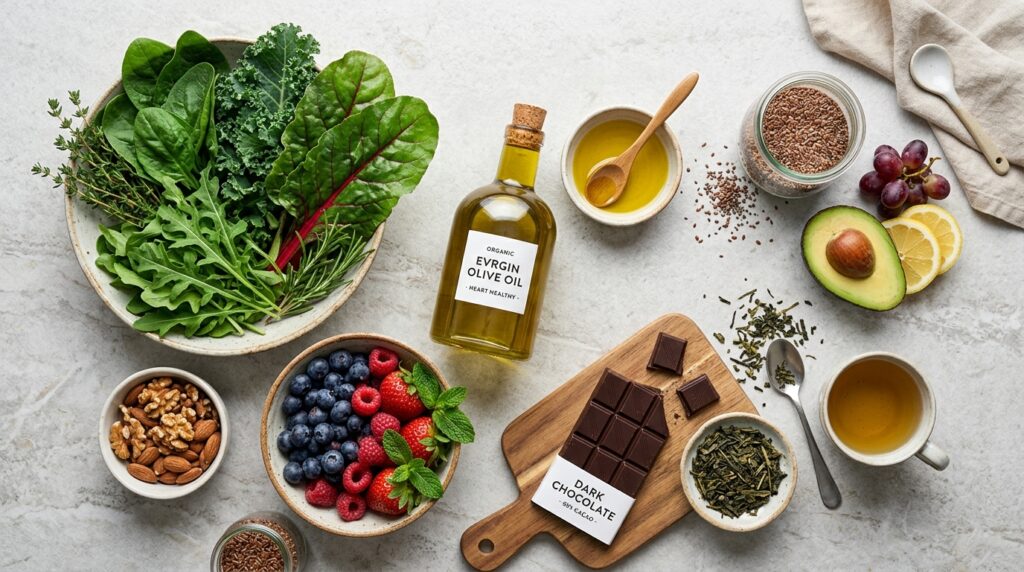
Extra virgin olive oil is the cornerstone of the Mediterranean diet, which remains one of the most thoroughly studied dietary patterns for heart health. Its high oleic acid content and polyphenols protect LDL cholesterol from oxidation — a key step in the development of arterial plaque. Replacing butter and refined seed oils with extra virgin olive oil is one of the most impactful dietary swaps you can make for your heart.
8. Legumes
Beans, lentils, chickpeas, and peas are rich in soluble fiber, plant-based protein, magnesium, and potassium — all of which support healthy blood pressure and cholesterol levels. Legumes also have a very low glycemic impact, preventing the blood sugar spikes that contribute to vascular inflammation. Eating legumes four or more times per week has been associated with a significantly lower risk of cardiovascular events in large observational studies.
9. Dark Chocolate
Dark chocolate containing at least 70% cacao is a meaningful source of flavanols — antioxidants that support endothelial function, reduce blood pressure, and lower LDL oxidation. A square or two per day has been linked to cardiovascular benefits in multiple trials. The key distinction is choosing minimally processed, high-cacao dark chocolate rather than milk chocolate with high added sugar, which does not carry the same benefits.
10. Green Tea
Green tea contains catechins, particularly epigallocatechin gallate (EGCG), which reduce inflammation, lower LDL cholesterol, and improve the function of cells lining blood vessels. Population studies from Japan — where green tea consumption is high — consistently show lower rates of heart disease and stroke. Drinking two to three cups daily provides a meaningful dose of cardiovascular-protective compounds.
Conclusion
Protecting your heart through diet is one of the most proactive and sustainable health strategies available. The 10 foods highlighted here — from fatty fish and berries to legumes and green tea — each address distinct cardiovascular risk factors through well-understood nutritional mechanisms. Consistency matters far more than perfection. Building a diet around whole, minimally processed foods rich in fiber, healthy fats, and antioxidants gives your heart the daily support it needs to stay strong for decades to come.
Frequently Asked Questions
What is the single best food for heart health? Fatty fish such as salmon is widely considered one of the most effective individual foods for heart health because its omega-3 fatty acids address multiple cardiovascular risk factors simultaneously — including triglycerides, blood pressure, inflammation, and heart rhythm. That said, a combination of heart-healthy foods provides broader and more comprehensive protection than any single food alone.
How long does it take for diet to improve heart health? Measurable improvements in cholesterol and blood pressure can often be seen within four to eight weeks of consistent dietary changes. Longer-term benefits, such as reduced arterial plaque buildup or lowered cardiovascular event risk, develop over months and years of sustained healthy eating habits.
Can a heart-healthy diet replace medication? For people with mildly elevated risk factors, dietary changes combined with regular exercise can produce clinically meaningful improvements. However, those already diagnosed with heart disease or with high cardiovascular risk should work with their healthcare provider, as diet supports but does not automatically replace prescribed treatment.
Related Articles
10 Best Anti-Inflammatory Foods Foods That Reduce Inflammation Naturally 10 Best Healthy Foods to Eat Every Day