Introduction
Inflammation is your body’s natural response to injury and infection. In small doses, it is actually helpful — it signals your immune system to get to work. But when inflammation becomes chronic and low-grade, it can quietly damage tissues and contribute to serious health conditions including heart disease, type 2 diabetes, arthritis, and even depression.
The good news is that what you eat plays a powerful role in controlling inflammation. Certain foods contain natural compounds — antioxidants, polyphenols, omega-3 fatty acids, and more — that have been shown to reduce inflammatory markers in the body. Incorporating these foods into your daily diet is one of the most practical steps you can take for long-term health.
In this article, we break down the 10 best anti-inflammatory foods and explain why each one deserves a regular spot on your plate.
Why Anti-Inflammatory Foods Matter
Chronic inflammation is often invisible. You may not feel it, but over years it can silently increase your risk of disease. Unlike acute inflammation — which causes redness, swelling, or pain — chronic inflammation operates below the surface, triggered by poor diet, stress, lack of sleep, and environmental toxins.
Research consistently shows that diets rich in whole, plant-based foods and healthy fats are associated with lower levels of inflammatory markers like C-reactive protein (CRP) and interleukin-6. By focusing on the right foods, you give your body powerful tools to regulate its own inflammatory response.
10 Best Anti-Inflammatory Foods
1. Fatty Fish
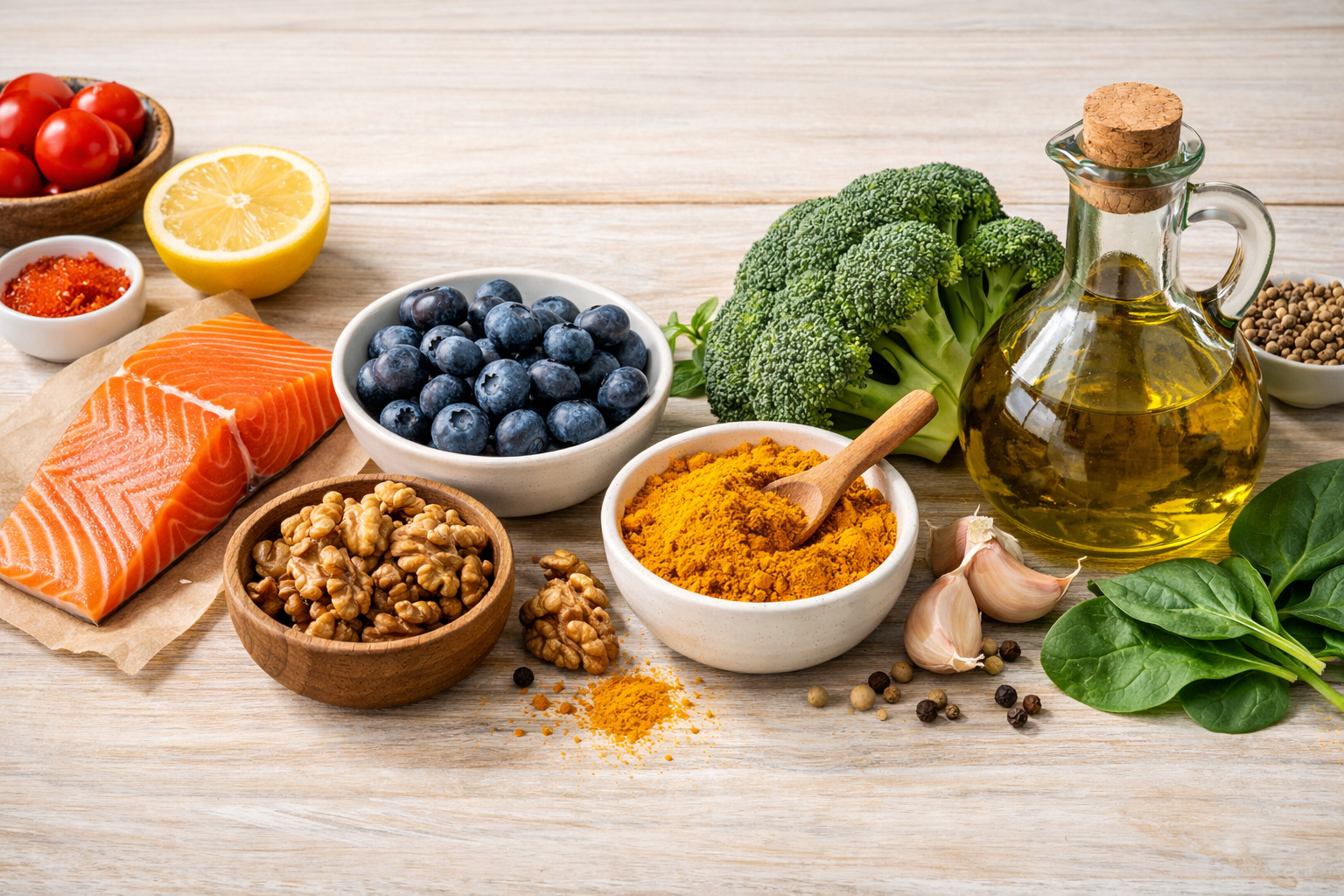
Fatty fish like salmon, mackerel, sardines, and anchovies are among the most potent anti-inflammatory foods available. They are rich in omega-3 fatty acids — specifically EPA and DHA — which are directly converted by the body into compounds that reduce inflammation. Studies show that regular fish consumption is associated with significantly lower levels of inflammatory markers. Aim for at least two servings per week for meaningful benefit.
2. Blueberries
Blueberries are loaded with anthocyanins, a type of flavonoid with strong antioxidant and anti-inflammatory properties. These compounds help neutralize free radicals and reduce oxidative stress, which is closely linked to chronic inflammation. Blueberries are also low in sugar compared to many other fruits, making them an easy and versatile addition to your diet — in smoothies, oatmeal, or eaten by the handful.
3. Extra Virgin Olive Oil
Extra virgin olive oil (EVOO) is a cornerstone of the Mediterranean diet, widely regarded as one of the most anti-inflammatory dietary patterns in the world. EVOO contains oleocanthal, a natural compound that works similarly to ibuprofen by inhibiting inflammatory enzymes. It is also rich in monounsaturated fats and polyphenols that protect cells from oxidative damage. Use it as your primary cooking oil or drizzle it over salads and vegetables.
4. Leafy Greens
Spinach, kale, Swiss chard, and other leafy greens are packed with vitamins K, C, and E, as well as folate and magnesium — all of which contribute to reducing inflammatory activity. Vitamin K in particular plays an important regulatory role in the body’s inflammatory pathways. Leafy greens are also high in fiber, which supports a healthy gut microbiome, another key factor in managing systemic inflammation.
5. Turmeric
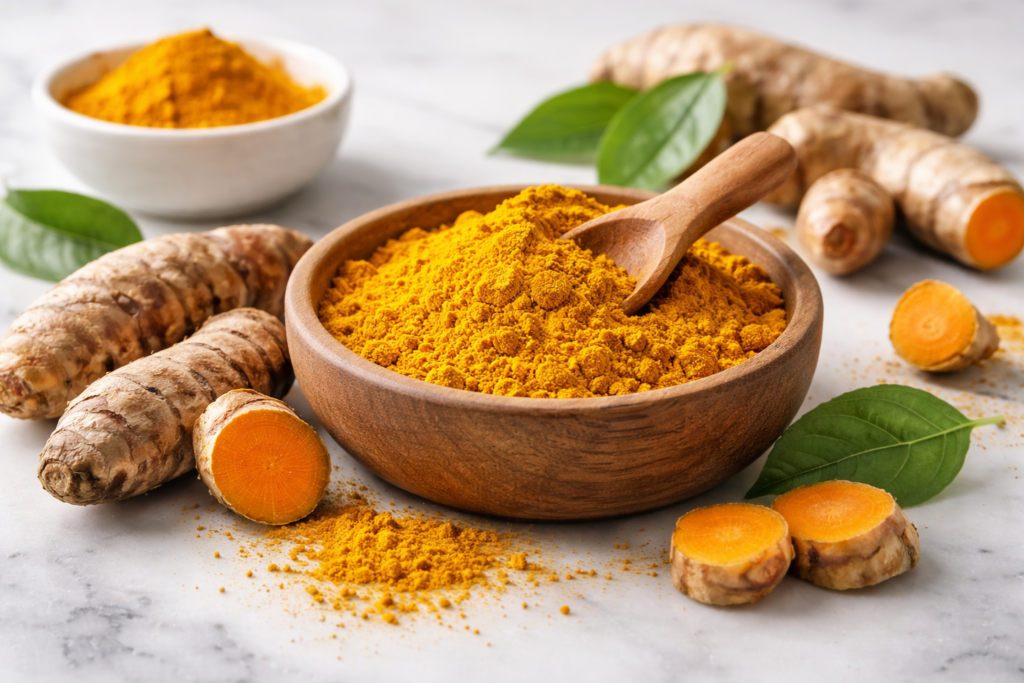
Turmeric contains curcumin, one of the most extensively studied natural anti-inflammatory compounds in the world. Curcumin has been shown to block NF-kB, a molecule that activates genes related to inflammation. While the amount of curcumin in culinary turmeric is modest, using it regularly in cooking — especially paired with black pepper to enhance absorption — can contribute meaningfully to an anti-inflammatory diet. Golden milk, curries, and soups are excellent vehicles.
6. Walnuts
Walnuts are one of the few plant-based sources of ALA (alpha-linolenic acid), the plant form of omega-3 fatty acids. They are also rich in polyphenols and vitamin E, both of which combat oxidative stress. Research suggests that regular walnut consumption is associated with lower levels of CRP and other inflammatory biomarkers. A small handful of walnuts as a daily snack is a simple and effective habit.
7. Tomatoes
Tomatoes are an outstanding source of lycopene, a carotenoid antioxidant that has been shown to reduce inflammation, particularly in the lungs and throughout the cardiovascular system. Interestingly, cooked tomatoes — in sauces, soups, or roasted form — provide more bioavailable lycopene than raw tomatoes. Combining tomatoes with olive oil further enhances lycopene absorption, making a classic tomato sauce a particularly smart choice.
8. Broccoli
Broccoli belongs to the cruciferous vegetable family, which also includes cauliflower, Brussels sprouts, and cabbage. These vegetables are rich in sulforaphane, a compound that activates the body’s natural antioxidant defense systems and has potent anti-inflammatory effects. Broccoli also provides vitamin C, vitamin K, and folate. Lightly steaming broccoli preserves more of its beneficial compounds compared to boiling.
9. Green Tea
Green tea contains high concentrations of EGCG (epigallocatechin gallate), one of the most powerful antioxidant compounds found in food. EGCG reduces the production of pro-inflammatory cytokines and helps protect cells from oxidative damage. Regular green tea consumption has been linked to reduced risk of heart disease, certain cancers, and neurodegenerative conditions. Two to three cups per day provides meaningful anti-inflammatory benefit.
10. Dark Chocolate and Cocoa
High-quality dark chocolate — at least 70 percent cocoa — is a surprisingly effective anti-inflammatory food. It is rich in flavanols, antioxidants that reduce inflammation, improve blood flow, and support cardiovascular health. Cocoa also contains zinc and magnesium, minerals that play roles in immune function. Choose minimally processed dark chocolate with low added sugar, and enjoy one to two squares daily as part of a balanced diet.
Conclusion
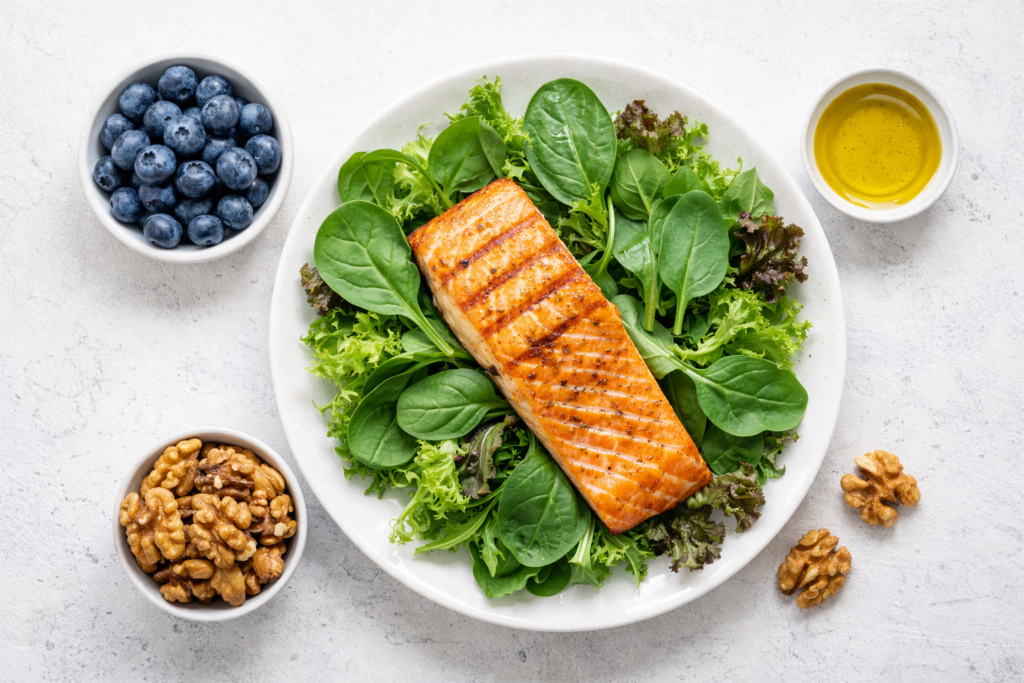
Reducing chronic inflammation does not require a dramatic dietary overhaul. It starts with consistently choosing foods that work with your body rather than against it. Fatty fish, blueberries, extra virgin olive oil, leafy greens, turmeric, walnuts, tomatoes, broccoli, green tea, and dark chocolate all offer genuine, research-backed anti-inflammatory benefits.
Small, consistent changes compound over time. Try adding one or two of these foods to your meals each day, and over weeks and months, you will be building a dietary foundation that actively supports your long-term health. Your body responds to what you feed it — make those choices count.