Introduction
Chronic inflammation is one of the most common underlying factors in modern disease. From joint pain and fatigue to heart disease and digestive problems, persistent low-grade inflammation affects millions of people — often without obvious symptoms until damage has already accumulated over years.
While medication can manage acute inflammation, the most sustainable long-term strategy is dietary. Certain natural foods contain bioactive compounds that directly interfere with the body’s inflammatory signaling pathways, helping to keep inflammation at a healthy, controlled level. Better still, these foods are widely available, affordable, and easy to incorporate into everyday meals.
This guide covers the most effective foods for naturally reducing inflammation, along with the science behind why they work.
Why Reducing Inflammation Through Diet Works
The body’s inflammatory response is controlled by a complex system of proteins, hormones, and immune cells. When this system is chronically activated — often by poor diet, excess body fat, and environmental stressors — it leads to tissue damage and increased disease risk.
Many plant foods contain polyphenols, flavonoids, and other phytonutrients that act as natural regulators of this process. They inhibit inflammatory enzymes, reduce the production of pro-inflammatory cytokines, and activate antioxidant defenses. Eating these foods consistently — rather than relying on a single superfood — is the key to genuinely reducing systemic inflammation over time.
10 Foods That Reduce Inflammation Naturally
1. Olive Oil
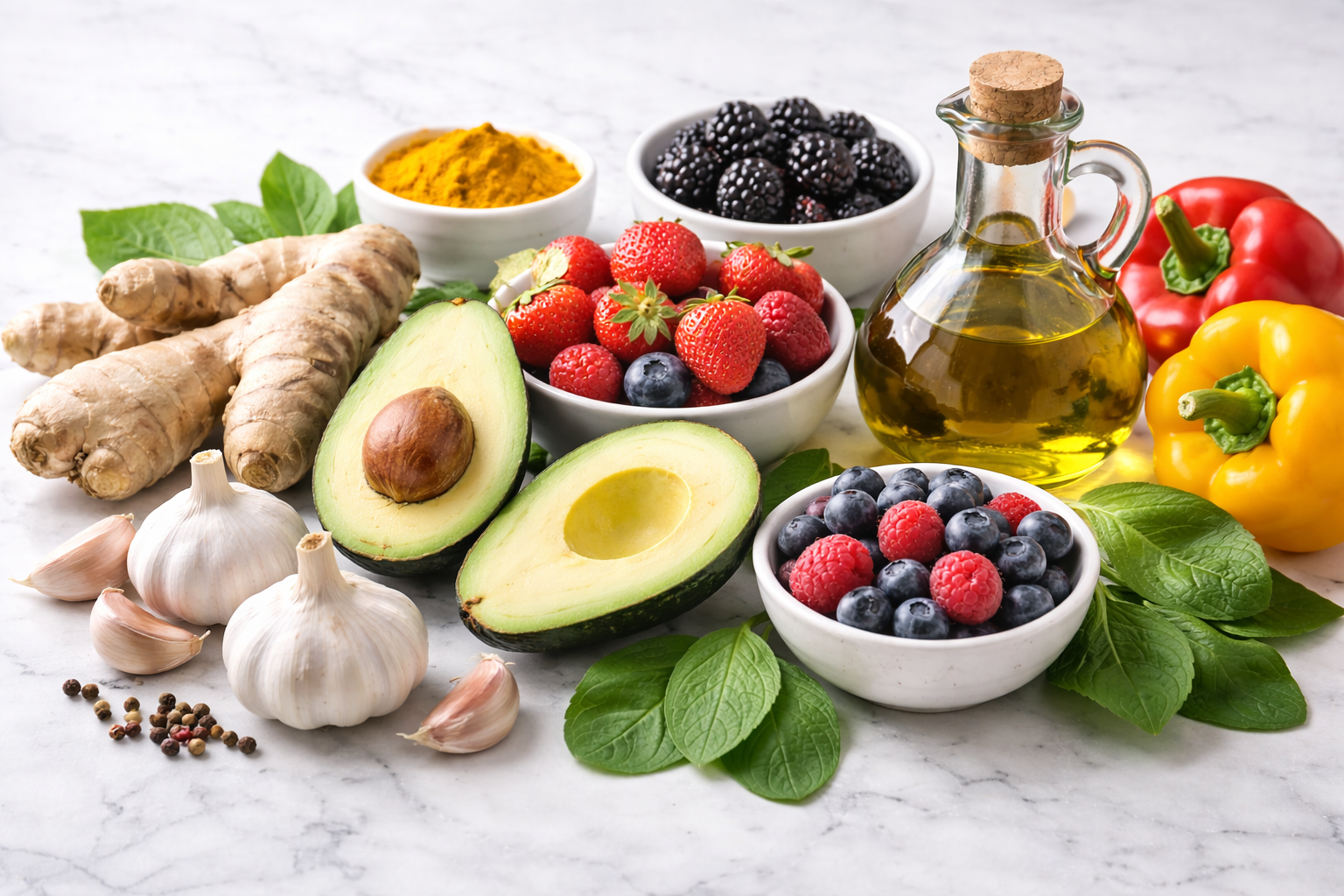
Extra virgin olive oil is one of the most well-researched anti-inflammatory foods in existence. Its primary polyphenol, oleocanthal, inhibits COX-1 and COX-2 enzymes — the same enzymes targeted by over-the-counter pain relievers. Regular olive oil consumption has been shown to lower CRP levels and reduce the risk of chronic inflammatory diseases. Use it generously in cooking and as a salad dressing base.
2. Ginger
Ginger contains gingerols and shogaols, compounds that suppress the production of pro-inflammatory cytokines. Clinical studies have shown that ginger supplementation can reduce markers of inflammation in people with conditions like osteoarthritis and metabolic syndrome. Fresh ginger in hot water, added to stir-fries, or blended into smoothies is a practical way to use this powerful root regularly.
3. Berries
Strawberries, raspberries, blueberries, and blackberries are all rich in anthocyanins and ellagic acid — two categories of polyphenols with strong anti-inflammatory effects. These compounds reduce oxidative stress and inhibit inflammatory signaling at the cellular level. Berries are also low on the glycemic index, meaning they do not spike blood sugar, which itself contributes to reduced inflammation.
4. Avocado
Avocados are an excellent source of monounsaturated fats, particularly oleic acid, which has demonstrated anti-inflammatory properties in several studies. They also contain tocopherols (vitamin E), carotenoids, and phytosterols — all of which contribute to reducing inflammation. Research suggests that eating avocado with other vegetables may even enhance the absorption of fat-soluble antioxidants from those foods.
5. Garlic
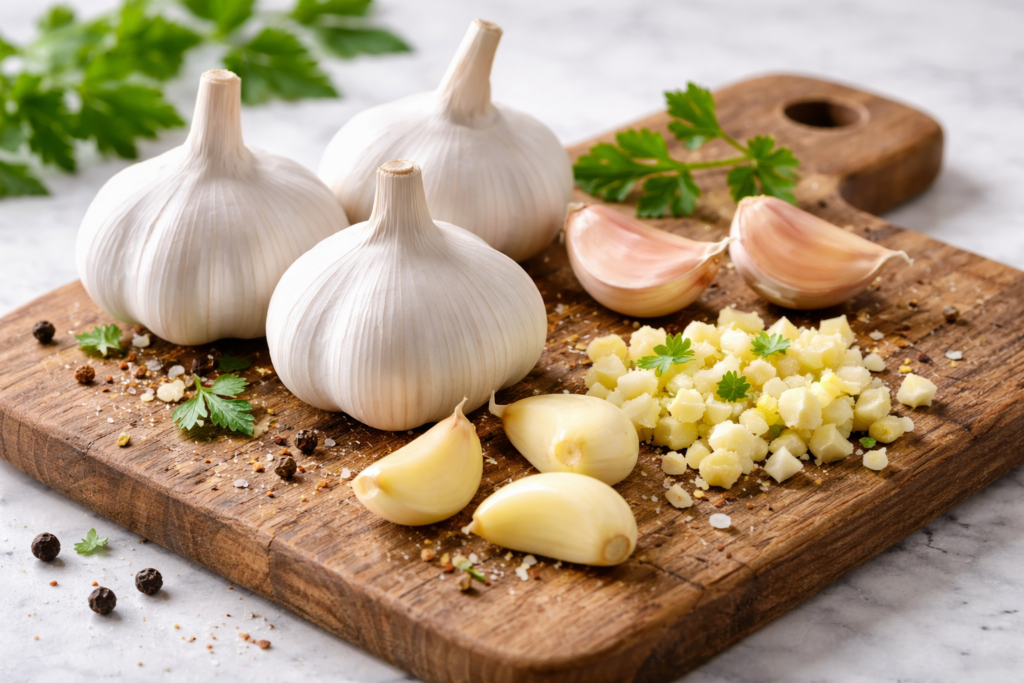
Garlic contains allicin and other sulfur compounds that have measurable effects on inflammatory pathways. Studies show that regular garlic consumption reduces levels of pro-inflammatory cytokines and may lower the risk of certain inflammatory conditions. Crushing or chopping garlic and allowing it to sit for a few minutes before cooking activates more of its beneficial compounds. Raw garlic in dressings and dips offers maximum benefit.
6. Cherries
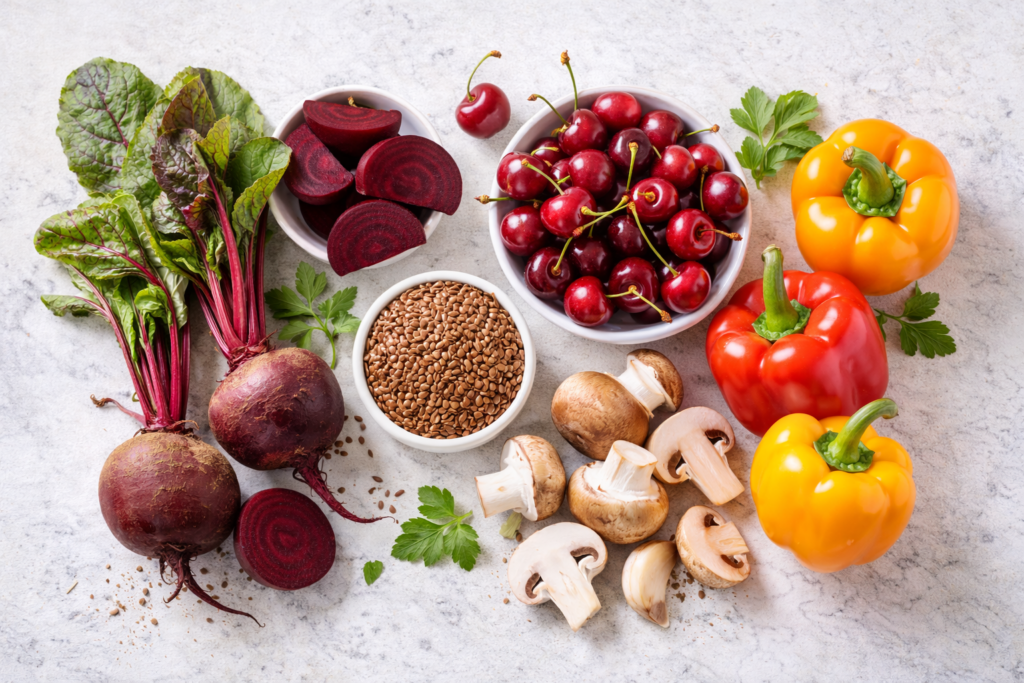
Tart cherries and sweet cherries both contain anthocyanins and quercetin, two potent anti-inflammatory compounds. Research has shown that tart cherry juice in particular can reduce muscle soreness after exercise — a direct indicator of reduced inflammatory response. Cherries also lower uric acid levels, making them especially useful for people dealing with gout, which is driven by inflammatory buildup in the joints.
7. Beets
Beets are rich in betalains — the red and yellow pigments that give them their distinctive color — which have been shown to inhibit inflammatory signaling enzymes. Beets also contain folate and magnesium, both of which support healthy inflammatory regulation. Roasted beets, beet juice, and beet-based salads are all effective ways to include this underrated vegetable in your diet.
8. Flaxseeds
Flaxseeds are one of the richest plant sources of ALA (alpha-linolenic acid), an omega-3 fatty acid that the body can partially convert to the more active anti-inflammatory forms EPA and DHA. Ground flaxseeds are more bioavailable than whole seeds and can be easily added to oatmeal, yogurt, smoothies, and baked goods. They also provide lignans — plant compounds that have additional antioxidant and anti-inflammatory activity.
9. Mushrooms
Many varieties of mushrooms — including shiitake, maitake, and reishi — contain beta-glucans and polysaccharides that modulate the immune system and reduce inflammatory responses. Mushrooms are also one of the few non-animal sources of ergothioneine, an amino acid with potent antioxidant properties. Cooking mushrooms does not significantly reduce their beneficial compounds, making them a flexible ingredient for a wide range of dishes.
10. Bell Peppers
Red and orange bell peppers are among the highest dietary sources of vitamin C, providing more per serving than oranges. Vitamin C is a critical antioxidant that neutralizes free radicals and supports the body’s natural anti-inflammatory defenses. Bell peppers also contain quercetin, a flavonoid that has been shown to reduce histamine release and inflammatory cytokine production. They are excellent raw, roasted, or added to stir-fries.
Conclusion
Fighting inflammation does not require supplements or extreme dietary changes. The most effective strategy is one built on consistency — regularly eating a wide variety of whole foods that naturally contain anti-inflammatory compounds. Olive oil, ginger, berries, avocado, garlic, cherries, beets, flaxseeds, mushrooms, and bell peppers each contribute in different but complementary ways to reducing chronic inflammation.
Think of an anti-inflammatory diet not as a short-term fix but as a long-term investment in how your body functions and how you feel day to day. The cumulative effect of these small, consistent food choices is one of the most powerful things you can do for your health.