Introduction
The liver is one of the hardest-working organs in the body, performing over 500 distinct functions every day. It filters toxins from the blood, metabolizes fats and carbohydrates, produces bile for digestion, stores vitamins and glycogen, and regulates dozens of hormones and proteins. Despite this workload, the liver receives relatively little attention in mainstream nutrition conversations — until something goes wrong.
Liver disease affects hundreds of millions of people globally, with non-alcoholic fatty liver disease (NAFLD) now estimated to affect roughly a quarter of the world’s adult population. The encouraging reality is that the liver has a remarkable capacity for regeneration and recovery, and dietary choices are among the most powerful tools for protecting and restoring liver function. The right foods reduce inflammation in liver tissue, support detoxification pathways, prevent fat accumulation, and provide the specific nutrients liver cells require to function at their best.
Why Liver Health Matters
When the liver is overburdened — by excess dietary fat, alcohol, toxins, or chronic inflammation — it begins to accumulate fat, develop scarring, and lose functional capacity. Early stages of liver dysfunction are often silent, with no noticeable symptoms, yet during this period the damage is accumulating and cardiovascular, metabolic, and digestive consequences are building in parallel.
Supporting liver health through diet is not about extreme cleanses or detox protocols. It is about providing the liver with the nutrients it needs to carry out its natural detoxification and metabolic functions effectively, day after day.
10 Best Foods for Liver Health
1. Leafy Green Vegetables
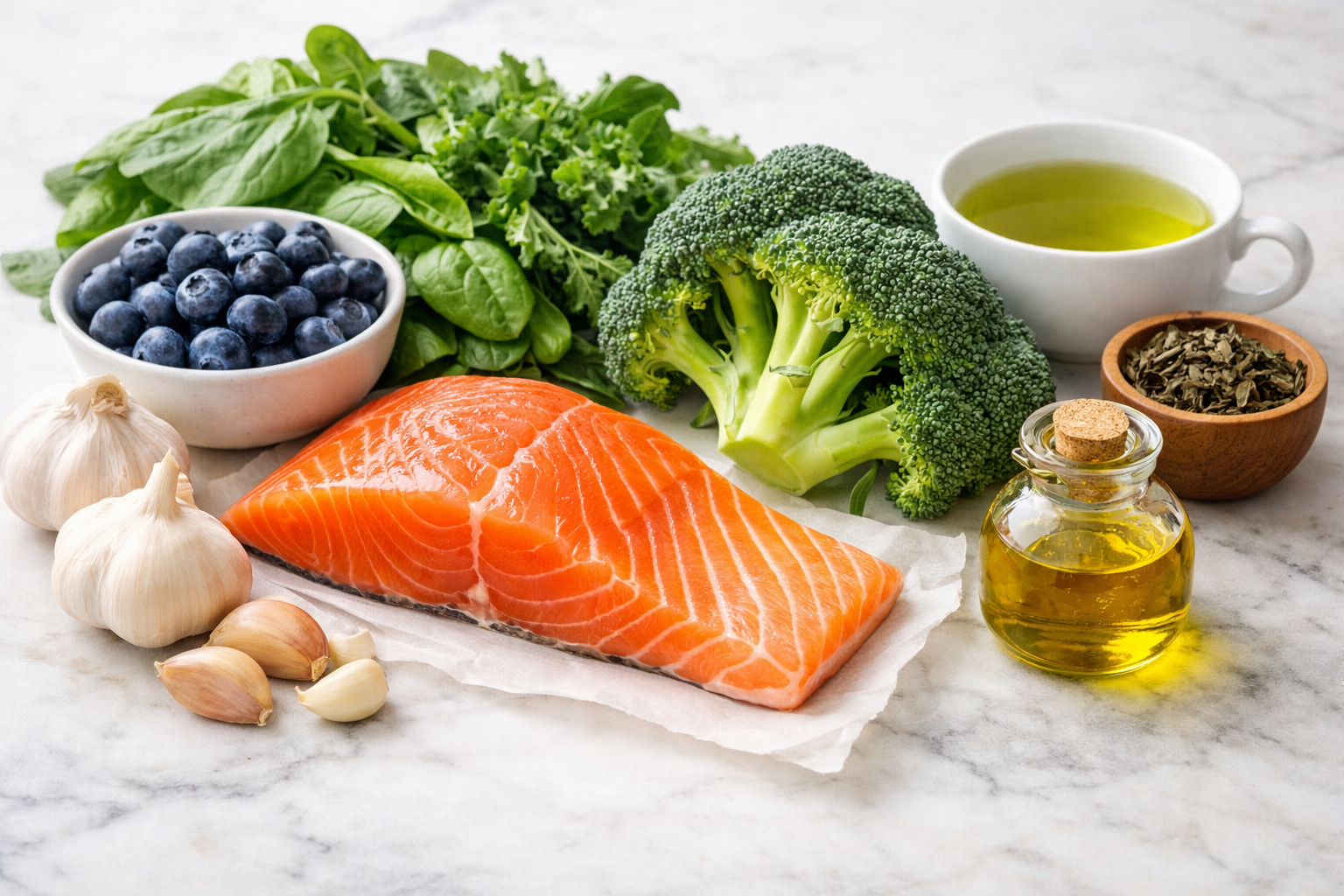
Spinach, kale, arugula, and dandelion greens are among the most liver-protective vegetables available. Their high chlorophyll content helps neutralize heavy metals, pesticides, and environmental toxins in the bloodstream, reducing the liver’s filtration burden. They are also rich in glutathione precursors — compounds the liver uses to produce its primary antioxidant defense. Research shows that leafy green consumption is inversely associated with non-alcoholic fatty liver disease risk.
2. Garlic
Garlic contains allicin and selenium, two compounds that activate liver detoxification enzymes and protect liver cells from oxidative damage. Studies have found that garlic supplementation reduces liver fat and improves liver enzyme levels in people with non-alcoholic fatty liver disease. Even small amounts of fresh garlic used regularly in cooking provide meaningful liver-protective benefits through consistent enzyme activation.
3. Grapefruit
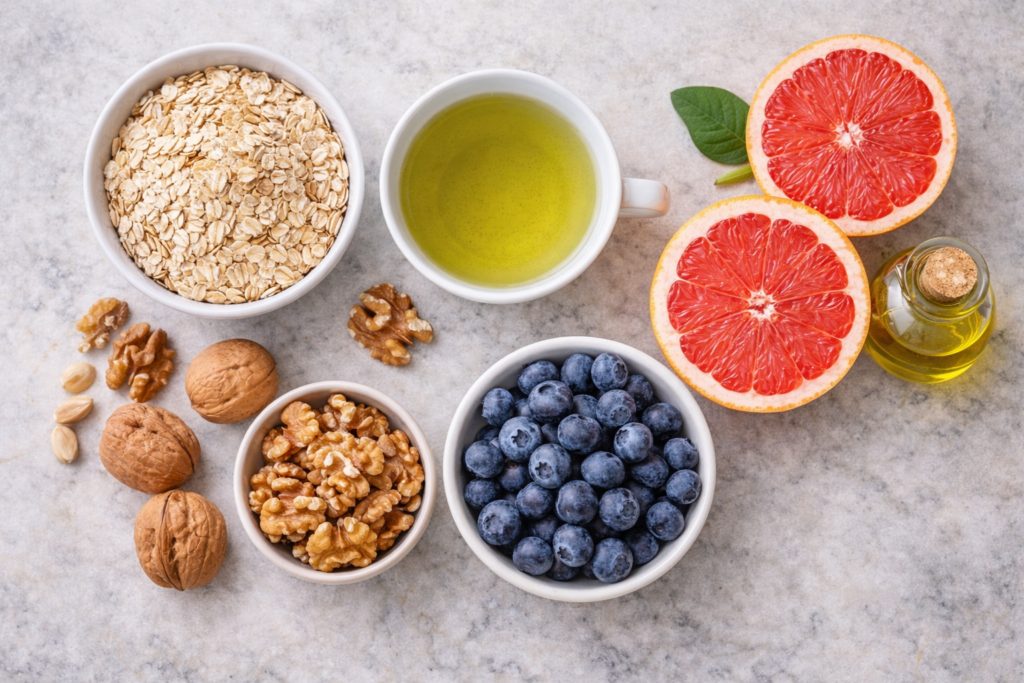
Grapefruit contains naringenin and naringin — antioxidants shown in animal and early human studies to protect the liver by reducing inflammation and promoting the natural processes that prevent fibrosis. Naringenin also activates fat-burning enzymes in the liver, helping to reduce fat accumulation. Fresh grapefruit or its juice (consumed carefully around any medications it may interact with) is one of the most potent citrus options for liver support.
4. Berries
Blueberries, cranberries, and raspberries contain polyphenols — particularly anthocyanins — that protect liver cells from oxidative damage and reduce inflammatory signaling within liver tissue. Animal studies have consistently shown that berry polyphenols preserve liver function and reduce fibrosis development. Human research indicates that regular blueberry consumption improves liver enzyme markers over time.
5. Fatty Fish
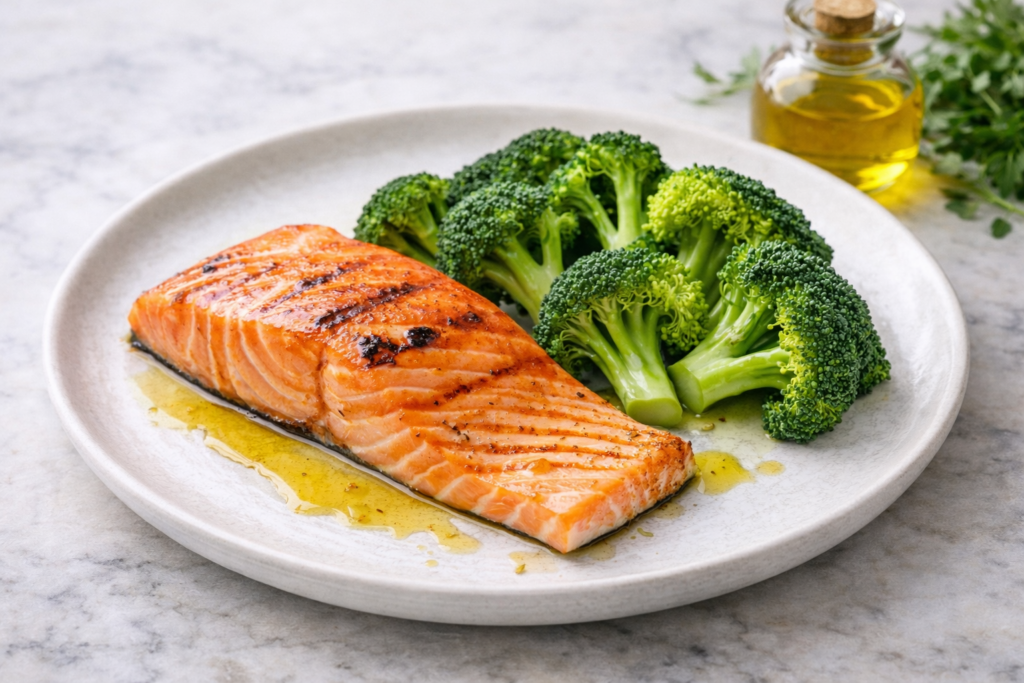
Salmon, sardines, and mackerel provide omega-3 fatty acids that are particularly beneficial for liver health. Omega-3s reduce hepatic fat accumulation, lower liver inflammation, and improve insulin sensitivity — all of which directly address the conditions that drive non-alcoholic fatty liver disease. Studies show that people who regularly eat fatty fish have significantly lower liver fat levels than those who consume equivalent calories from saturated fat sources.
For a broader view of how these same omega-3 rich foods support the cardiovascular system simultaneously, our guide on best omega-3 foods for heart health explores their cardiovascular benefits in depth.
6. Olive Oil
Extra virgin olive oil provides oleic acid and polyphenols that reduce liver fat accumulation, lower liver enzyme levels, and improve insulin sensitivity. A clinical study found that consuming one teaspoon of olive oil daily significantly improved liver fat levels and liver function test results in people with NAFLD. Replacing saturated fats with extra virgin olive oil is one of the most evidence-supported dietary changes for liver health.
7. Nuts
Walnuts and other tree nuts are high in tocopherols, omega-3 fatty acids, and antioxidants that collectively reduce liver inflammation and oxidative stress. A large cross-sectional study found that higher nut consumption was significantly associated with lower rates of NAFLD. Walnuts in particular have been linked to improved liver enzyme levels and reduced hepatic fat in people with elevated liver markers.
8. Green Tea
Green tea’s catechins — especially EGCG — are among the most studied compounds for liver protection. They reduce hepatic fat accumulation, improve antioxidant enzyme activity in liver cells, and lower inflammatory cytokines that drive liver damage. Multiple studies have found that regular green tea consumption is associated with lower liver enzyme levels and reduced risk of liver disease progression in at-risk populations.
9. Cruciferous Vegetables
Broccoli, Brussels sprouts, cauliflower, and cabbage contain glucosinolates — compounds that activate phase II detoxification enzymes in the liver, accelerating the processing and elimination of environmental toxins and carcinogens. Regular cruciferous vegetable consumption is associated with lower rates of liver cancer in population studies and measurably improved liver detoxification capacity in clinical research.
10. Oats
Oats contain beta-glucan fiber that reduces the absorption of dietary fat from the gut, lowering the amount of fat the liver must process. They also provide a compound called avenanthramide with direct anti-inflammatory properties in liver tissue. Research on NAFLD patients shows that oat supplementation meaningfully reduces liver fat, BMI, and liver enzyme levels over twelve-week intervention periods.
Conclusion
The liver’s extraordinary capacity for self-repair means that dietary changes can produce meaningful improvements even after years of suboptimal intake. Building a diet around leafy greens, cruciferous vegetables, fatty fish, olive oil, berries, and green tea provides the liver with the antioxidants, healthy fats, and detoxification cofactors it needs to function at its best. These foods work gradually but consistently — and over months and years of regular consumption, they provide powerful, evidence-based protection for one of the body’s most vital organs.
Frequently Asked Questions
What is the single best food for liver health? Leafy greens are often cited as the most broadly beneficial food category for liver health, as they simultaneously support detoxification enzyme activity, reduce oxidative stress, and lower inflammation in liver tissue. However, fatty fish and extra virgin olive oil have the most direct evidence for reducing liver fat in people with NAFLD specifically.
How long does it take for diet to improve liver health? Measurable improvements in liver enzyme levels and liver fat can appear within four to twelve weeks of consistent dietary changes. Studies using imaging to measure liver fat have shown meaningful reductions in as little as eight weeks when diet and exercise are improved simultaneously. Long-term improvements in liver scarring and fibrosis require sustained changes over years.
Can a healthy diet reverse fatty liver disease? In early stages of non-alcoholic fatty liver disease, dietary improvement combined with weight loss can result in complete resolution. Multiple clinical trials have demonstrated significant reductions in liver fat through dietary intervention alone. The liver’s regenerative capacity makes dietary change one of the most effective therapeutic tools available for early to moderate NAFLD.
Related Articles
Best Omega-3 Foods for Heart Health 10 Best Anti-Inflammatory Foods 10 Best Healthy Foods to Eat Every Day