Introduction
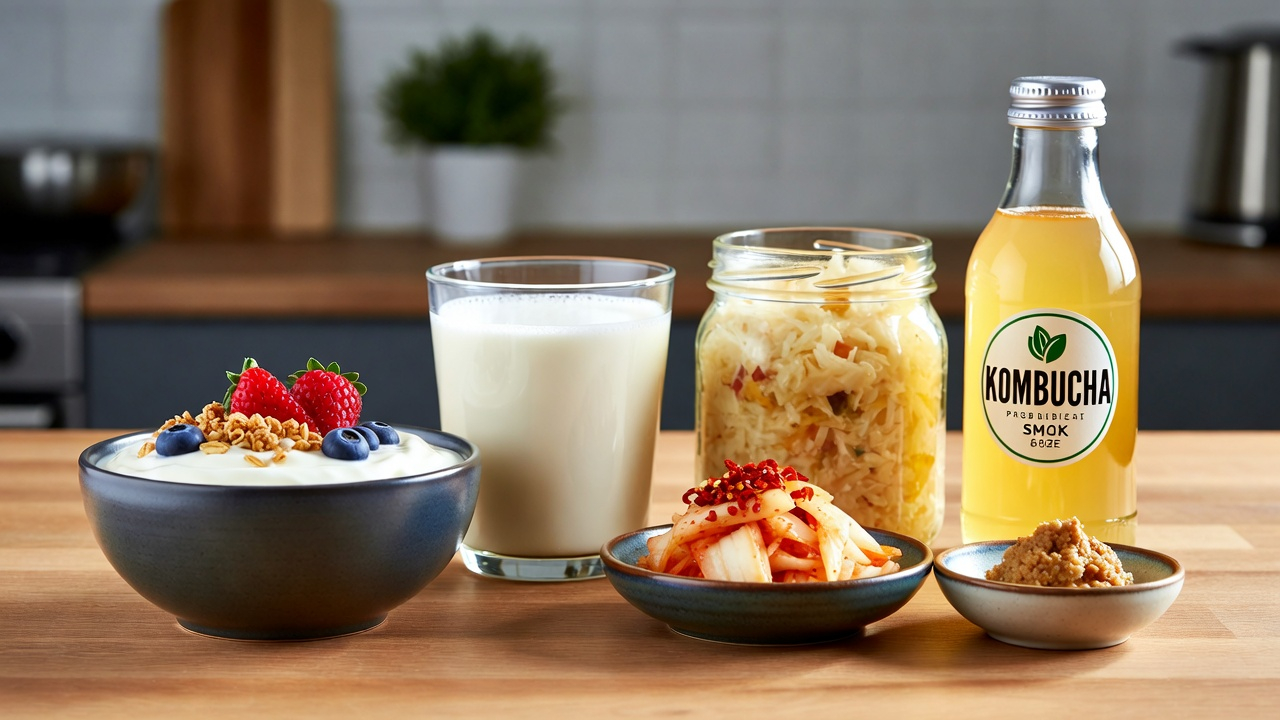
Probiotics are live microorganisms that, when consumed in adequate amounts, provide measurable health benefits to the host. In simpler terms, they are the good bacteria that live in your gut and help keep your digestive system running smoothly. While probiotic supplements are widely available, many nutrition experts agree that getting probiotics from whole foods is more effective — because fermented foods contain a wider variety of bacterial strains along with nutrients that help those bacteria thrive.
Whether you are looking to improve digestion, recover from antibiotic use, strengthen your immune system, or simply maintain a healthy gut, incorporating more probiotic-rich foods into your diet is an excellent place to start. This article covers the best probiotic foods available, how they work, and how to include them in your daily routine.
Why Probiotic Foods Matter
A balanced gut microbiome requires diversity — the more varied your bacterial population, the more resilient and capable your gut is. Probiotic foods introduce beneficial bacterial strains that compete with harmful pathogens, produce essential compounds like short-chain fatty acids and vitamins, and help regulate inflammation throughout the body. Studies link a diverse gut microbiome to better digestion, stronger immunity, improved mental health, and a lower risk of chronic diseases including obesity, type 2 diabetes, and inflammatory bowel disease.
10 Best Probiotic Foods for a Healthy Gut
1. Yogurt
Yogurt is the most widely consumed probiotic food in the world. It is made by fermenting milk with bacterial cultures — most commonly Lactobacillus bulgaricus and Streptococcus thermophilus. These live cultures support the growth of beneficial gut bacteria, improve lactose digestion, and help regulate bowel movements. Choose plain, full-fat yogurt with no added sugar and look for the phrase “live and active cultures” on the label to ensure you are getting a meaningful probiotic dose.
2. Kefir
Kefir contains a more complex mix of probiotic strains than yogurt — sometimes up to 30 different species of bacteria and yeasts. This diversity makes it one of the most potent probiotic foods available. Research has shown that kefir can improve symptoms of lactose intolerance, reduce inflammatory markers in the gut, and enhance overall microbiome diversity. Dairy-free versions made from coconut milk or water kefir grains are available for those who avoid dairy.
3. Sauerkraut
Sauerkraut is finely shredded cabbage that has been fermented through a process called lacto-fermentation. This process produces a rich array of Lactobacillus bacteria along with fiber, vitamin C, and vitamin K. Unpasteurized sauerkraut from the refrigerated section of grocery stores contains live cultures; pasteurized shelf-stable versions do not. Beyond its probiotic benefits, sauerkraut also contains enzymes that support the breakdown of food and improve overall digestive efficiency.
4. Kimchi
Kimchi is a staple of Korean cuisine and one of the most nutrient-dense probiotic foods in the world. Made primarily from fermented napa cabbage and a blend of spices, garlic, and ginger, kimchi contains Lactobacillus kimchii and other beneficial bacterial strains. Research has found that regular kimchi consumption can significantly increase microbiome diversity, reduce gut inflammation, and support immune function. Its combination of probiotics and anti-inflammatory ingredients makes it a uniquely powerful gut health food.
5. Miso
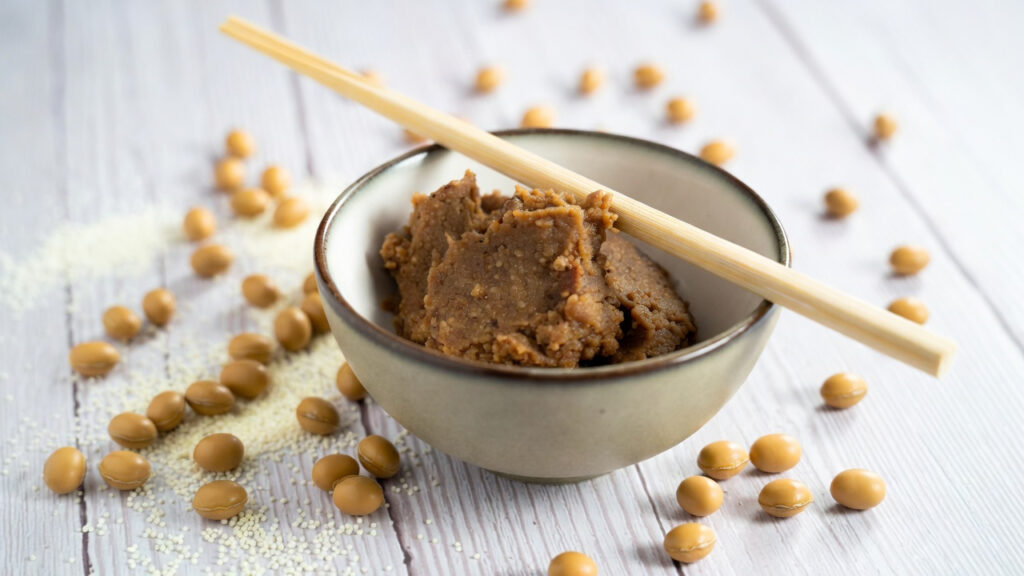
Miso is a savory paste made from fermented soybeans, salt, and a mold culture called koji. It is commonly used in Japanese cooking as a base for soups, sauces, and dressings. Miso contains beneficial bacteria and enzymes that support digestion and gut health. It is also a good source of B vitamins, manganese, and copper. Because heat can destroy live cultures, it is best to add miso to dishes after cooking or to use it in cold preparations to preserve its probiotic content.
6. Tempeh
Tempeh is a fermented soybean product that originates from Indonesia. Unlike tofu, which uses unfermented soy, tempeh undergoes a fermentation process that increases its probiotic content and makes its nutrients more bioavailable. It is also an excellent source of plant-based protein and contains prebiotics that feed beneficial gut bacteria. Tempeh has a firm texture and nutty flavor that makes it a versatile ingredient in stir-fries, sandwiches, and grain bowls.
7. Kombucha
Kombucha is a fermented tea beverage made using a symbiotic culture of bacteria and yeast. It contains a variety of organic acids, B vitamins, and probiotic strains that support gut health and digestion. Research suggests that kombucha may help regulate gut bacteria, reduce gut inflammation, and provide antioxidant protection. Look for raw, unpasteurized kombucha with low sugar content for maximum probiotic benefit. It can serve as a flavorful, gut-friendly alternative to sugary soft drinks.
8. Natto
Natto is a traditional Japanese food made from fermented soybeans. It has a strong flavor and sticky texture that takes some getting used to, but it is one of the most probiotic-rich foods available. Natto contains Bacillus subtilis natto, a highly resilient bacterial strain that survives the digestive process and effectively colonizes the gut. Natto is also the richest dietary source of vitamin K2, which supports bone and cardiovascular health alongside its probiotic benefits.
9. Buttermilk
Traditional buttermilk — the liquid left over after churning butter — is rich in probiotics and easy to digest. It contains Lactobacillus acidophilus and other lactic acid bacteria that support gut health and improve lactose digestion. Note that cultured buttermilk sold in most stores is not the same as traditional buttermilk and may have fewer live cultures. Check the label for “live cultures” to ensure you are getting a probiotic benefit. Buttermilk can be used in smoothies, salad dressings, marinades, and baked goods.
10. Aged Cheeses
Not all cheeses contain probiotics, but certain aged varieties do. Gouda, cheddar, mozzarella, and Swiss cheese are among the types that can harbor live cultures if they have not been pasteurized after aging. These cheeses may contain Lactobacillus, Bifidobacterium, and other beneficial strains that survive digestion. Aged cheeses are also rich in protein, calcium, and fat-soluble vitamins. Enjoy them in moderation as part of a balanced, gut-friendly diet.
Conclusion
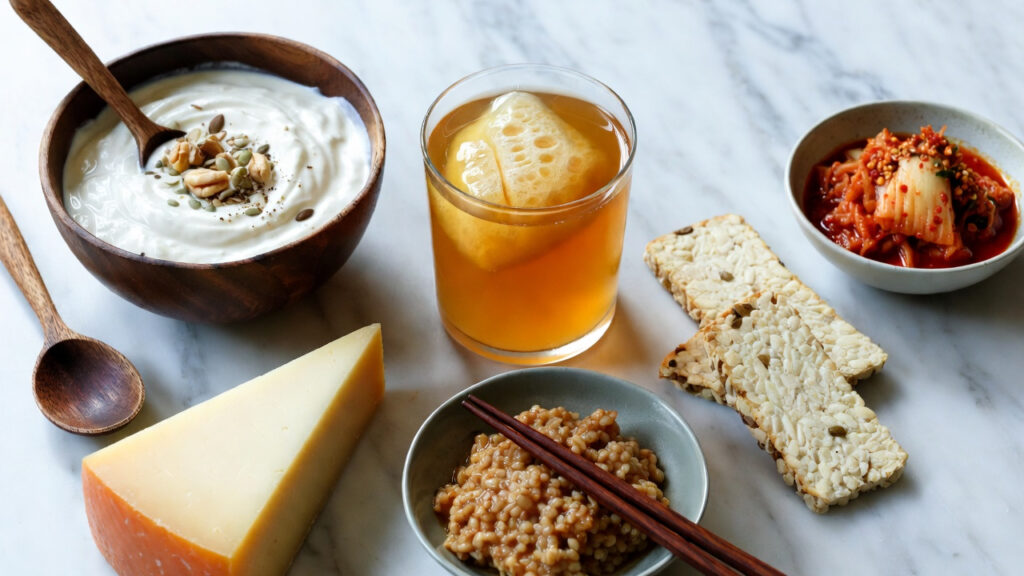
Probiotic foods are among the most powerful tools available for building and maintaining a healthy gut microbiome. The key is variety — different fermented foods contain different bacterial strains, and including a wide range of them in your diet will provide the most comprehensive benefit.
Start by adding one or two probiotic foods to your daily routine. A bowl of plain yogurt at breakfast, a side of kimchi or sauerkraut at lunch, and a cup of miso soup at dinner can make a significant difference in your gut health over time. Consistent, small additions to your diet are more effective than short-term probiotic cleanses or expensive supplements.