Introduction
Poor digestion is more common than most people realize. Bloating, gas, constipation, and indigestion affect millions of people daily and are often directly tied to what they eat. While digestive issues can have many causes, diet remains one of the most powerful tools available for improving how your body processes food.
The right foods can stimulate the production of digestive enzymes, increase beneficial gut bacteria, reduce inflammation in the digestive tract, and keep things moving at a healthy pace. Understanding which foods support digestion — and making them a regular part of your diet — can dramatically improve how you feel after meals and throughout the day.
This guide covers the best foods that improve digestion naturally, along with explanations of why they work.
Why Digestion Health Matters
Good digestion ensures that your body can extract and absorb the nutrients it needs from food. When digestion is poor, you may not be absorbing adequate vitamins and minerals even if you are eating a balanced diet. Chronic digestive problems are also linked to systemic inflammation, immune dysfunction, and an increased risk of conditions like irritable bowel syndrome, leaky gut, and inflammatory bowel disease. Supporting your digestion through food is one of the smartest health investments you can make.
10 Foods That Improve Digestion
1. Ginger
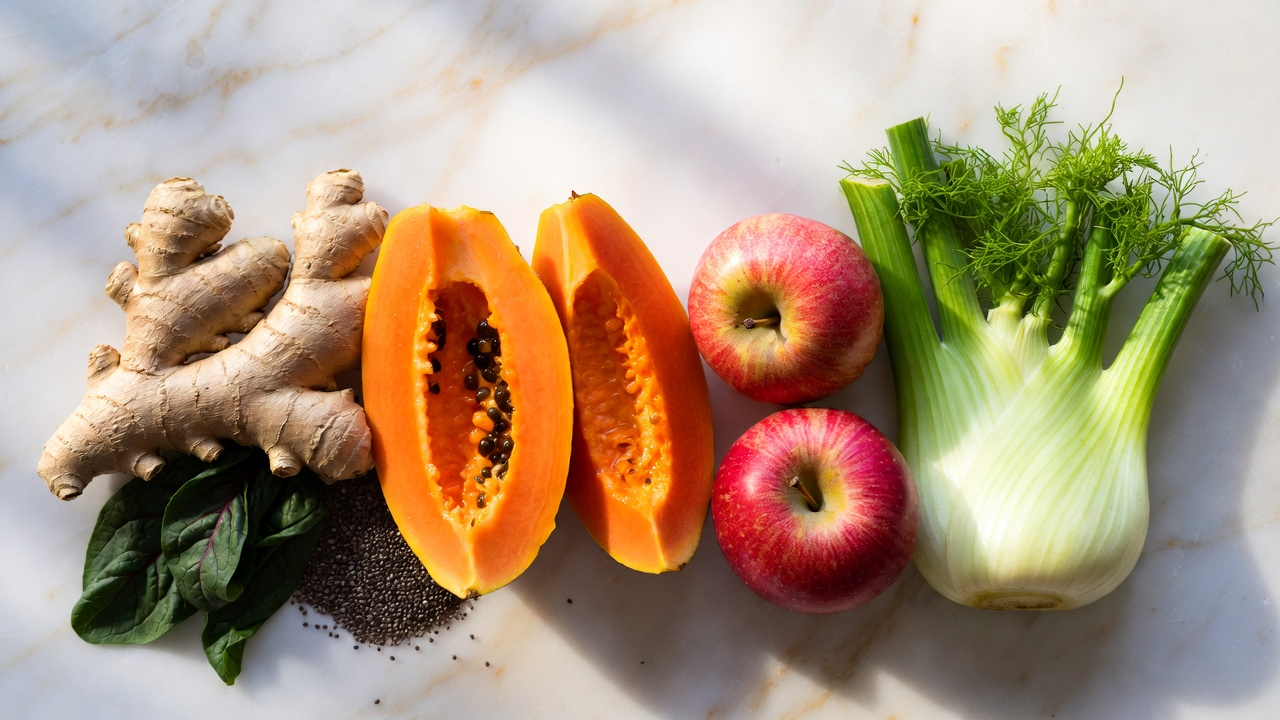
Ginger has been used for thousands of years as a natural remedy for digestive complaints. It contains compounds called gingerols and shogaols that stimulate digestive enzymes, speed up gastric emptying, and reduce nausea. Research has shown that ginger can help alleviate bloating, gas, and indigestion by improving the movement of food through the stomach and small intestine. Fresh ginger can be added to teas, smoothies, stir-fries, and soups for an easy digestive boost.
2. Papaya
Papaya contains papain, a powerful digestive enzyme that helps break down proteins more efficiently. This makes papaya particularly helpful after protein-rich meals. It also contains fiber and water, both of which support regular bowel movements. Some research suggests that papaya-based formulas may help reduce bloating and constipation in people with irritable bowel syndrome. Eating fresh papaya regularly can be a gentle and effective way to support protein digestion and overall gut function.
3. Peppermint
Peppermint has a long history as a digestive aid. The active compound menthol helps relax the muscles of the gastrointestinal tract, reducing spasms, bloating, and discomfort. Clinical studies have shown that peppermint oil is effective at reducing symptoms of irritable bowel syndrome including abdominal pain and gas. Drinking peppermint tea after meals is one of the simplest and most soothing ways to support healthy digestion and ease post-meal discomfort.
4. Fennel
Fennel seeds have been used as a traditional digestive remedy in many cultures. They contain compounds that relax the smooth muscle lining of the digestive tract, which helps relieve gas, bloating, and cramping. Fennel also has mild antimicrobial properties that can help maintain a healthy balance of gut bacteria. You can chew fennel seeds after meals, brew them as a tea, or add sliced fennel bulb to salads and cooked dishes.
5. Whole Grains
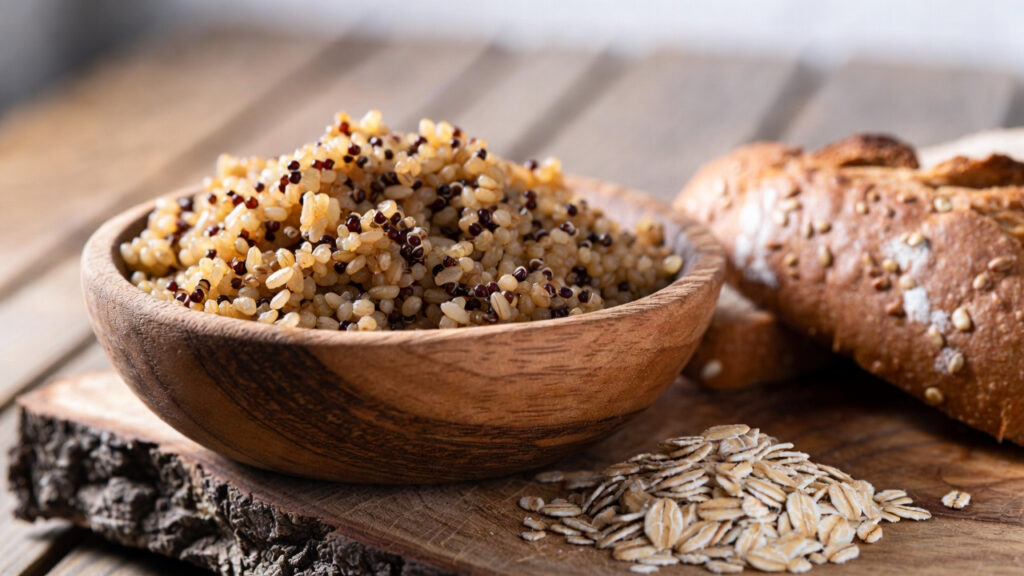
Whole grains like brown rice, quinoa, and oats are rich in insoluble and soluble fiber, both of which play important roles in digestion. Insoluble fiber adds bulk to stool and speeds up its passage through the intestines, preventing constipation. Soluble fiber feeds beneficial gut bacteria and slows digestion in a way that helps stabilize blood sugar. Replacing refined grains with whole grains is one of the most effective dietary shifts you can make for long-term digestive health.
6. Kefir
Kefir is a fermented dairy drink loaded with diverse probiotic strains that improve the composition of the gut microbiome. A healthy microbiome is essential for efficient digestion — beneficial bacteria help break down food, produce digestive enzymes, and reduce inflammation in the gut lining. Regular kefir consumption has been shown to improve lactose digestion, reduce bloating, and support regular bowel movements. It is one of the most probiotic-dense foods you can include in your diet.
7. Chia Seeds
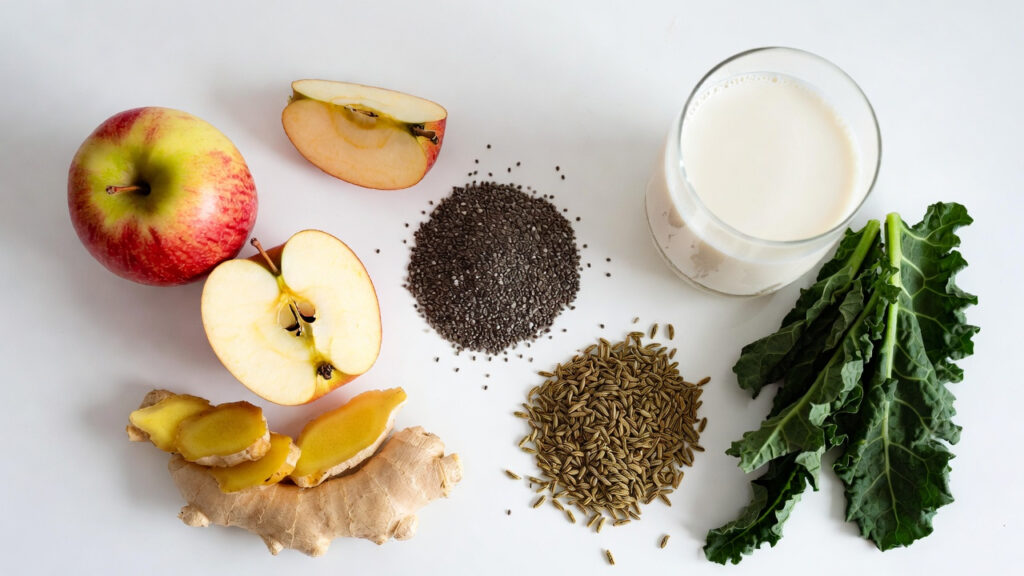
Chia seeds are among the richest plant-based sources of dietary fiber, providing both soluble and insoluble types. When mixed with liquid, chia seeds form a gel-like substance that slows digestion and promotes a feeling of fullness. This gel also helps soften stool and supports regular, comfortable bowel movements. Chia seeds are easy to add to smoothies, oatmeal, puddings, and yogurt, making them a convenient and versatile digestive superfood.
8. Bone Broth
Bone broth is rich in gelatin, collagen, and the amino acids glycine and proline, all of which help repair and strengthen the intestinal lining. A healthy gut lining is essential for preventing leaky gut syndrome, a condition in which particles from the digestive tract pass into the bloodstream. Bone broth also contains glutamine, an amino acid that directly fuels intestinal cells. Sipping warm bone broth or using it as a base for soups and stews can be particularly beneficial for people dealing with digestive inflammation.
9. Dark Leafy Greens
Leafy greens like spinach, kale, and arugula are high in magnesium, a mineral that helps relax intestinal muscles and supports healthy bowel movements. They also contain fiber that feeds beneficial gut bacteria and enzymes that support the breakdown of food. The antioxidants in leafy greens reduce oxidative stress in the gut lining, supporting overall digestive health. Including a serving of leafy greens at lunch and dinner can make a noticeable difference in how smoothly your digestion functions.
10. Apples
Apples are an excellent source of pectin, a soluble fiber that acts as a prebiotic in the colon. Pectin increases the production of short-chain fatty acids that nourish the cells lining the colon and reduce inflammation. Studies have shown that pectin can increase the speed of food movement through the digestive tract, helping relieve constipation. Apples also contain polyphenols that support beneficial gut bacteria growth. Eating an apple with its skin intact provides the most fiber and digestive benefit.
Conclusion
Improving your digestion does not require dramatic dietary overhauls. Start by adding a few of these proven foods to your regular meals — a slice of papaya at breakfast, ginger in your evening tea, whole grains instead of refined ones, and a handful of chia seeds in your morning smoothie.
Over time, these small consistent changes build a more resilient gut microbiome and a more efficient digestive system. Better digestion means better nutrient absorption, more energy, reduced bloating, and improved overall health. Your gut will thank you for every positive choice you make.