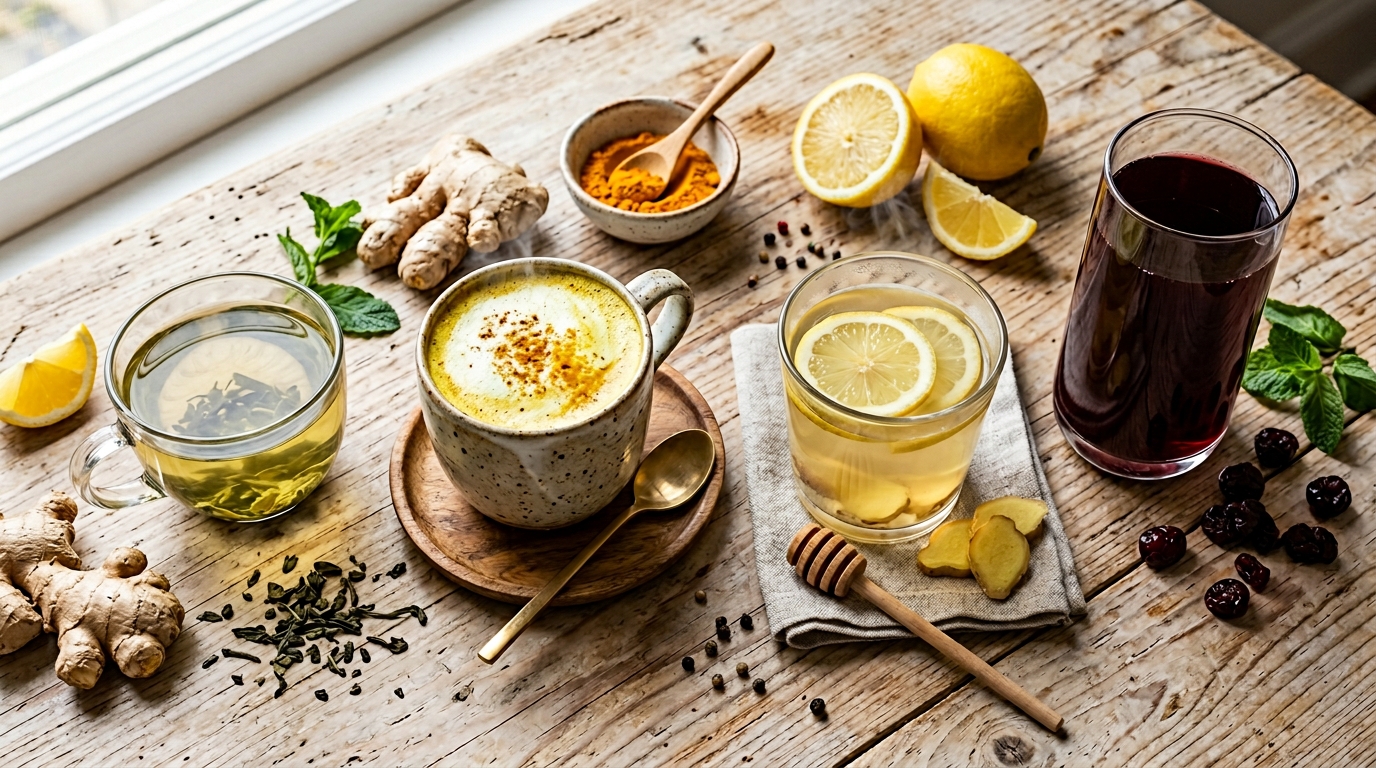
When most people think about fighting inflammation through diet, they focus on food. But what you drink throughout the day has a significant impact on your body’s inflammatory response as well. Certain beverages are loaded with antioxidants, polyphenols, and bioactive compounds that actively work to calm inflammation at the cellular level.
The best anti-inflammatory drinks are not exotic or expensive. Many of them are beverages you may already enjoy — they just need to be chosen and prepared intentionally. Whether you are looking to reduce joint pain, support your immune system, or simply maintain long-term health, incorporating the right drinks into your daily routine is a simple and enjoyable strategy.
Here is a complete guide to the best anti-inflammatory beverages backed by science.
Why the Right Drinks Can Reduce Inflammation
Your body is constantly managing oxidative stress and immune activity. Many beverages, especially those high in sugar or alcohol, promote the release of pro-inflammatory cytokines. On the other hand, drinks rich in antioxidants neutralize free radicals and suppress inflammatory signaling pathways.
Research in nutritional science has shown that consistent consumption of certain beverages — particularly green tea, tart cherry juice, and turmeric drinks — can lower measurable inflammatory markers like C-reactive protein and interleukin-6. These effects are modest when you look at single servings, but they become meaningful over weeks and months of regular consumption.
Best Anti-Inflammatory Drinks: Top 10 Choices
1. Green Tea
Green tea is arguably the most well-researched anti-inflammatory beverage in the world. It contains epigallocatechin gallate (EGCG), a catechin antioxidant with exceptional potency. Studies show that regular green tea consumption is associated with reduced levels of inflammatory biomarkers and a lower risk of several chronic diseases. Drinking two to three cups per day delivers a meaningful dose of EGCG without excessive caffeine intake.
2. Turmeric Latte (Golden Milk)
Turmeric lattes, often called golden milk, combine turmeric with warm milk or a plant-based alternative like oat or almond milk. The active compound in turmeric, curcumin, is one of the most extensively studied natural anti-inflammatory agents. Adding a pinch of black pepper significantly enhances curcumin absorption due to the piperine it contains. A warm turmeric latte in the evening is both soothing and deeply nourishing.
3. Ginger Tea
Ginger contains gingerols and shogaols — compounds that inhibit inflammatory enzymes in a manner similar to some over-the-counter pain relievers. Ginger tea is particularly effective for reducing inflammation associated with muscle soreness and digestive discomfort. Fresh ginger steeped in hot water with a squeeze of lemon makes a simple, powerful drink that can be enjoyed any time of day.
4. Tart Cherry Juice
Tart cherry juice has gained significant attention among athletes and researchers alike for its anti-inflammatory and recovery properties. It is rich in anthocyanins, the same pigments found in blueberries, which have been shown to reduce muscle soreness and joint inflammation. Studies have found that drinking tart cherry juice regularly may help lower uric acid levels, making it particularly useful for people managing gout. Choose unsweetened varieties for maximum benefit.
5. Beet Juice
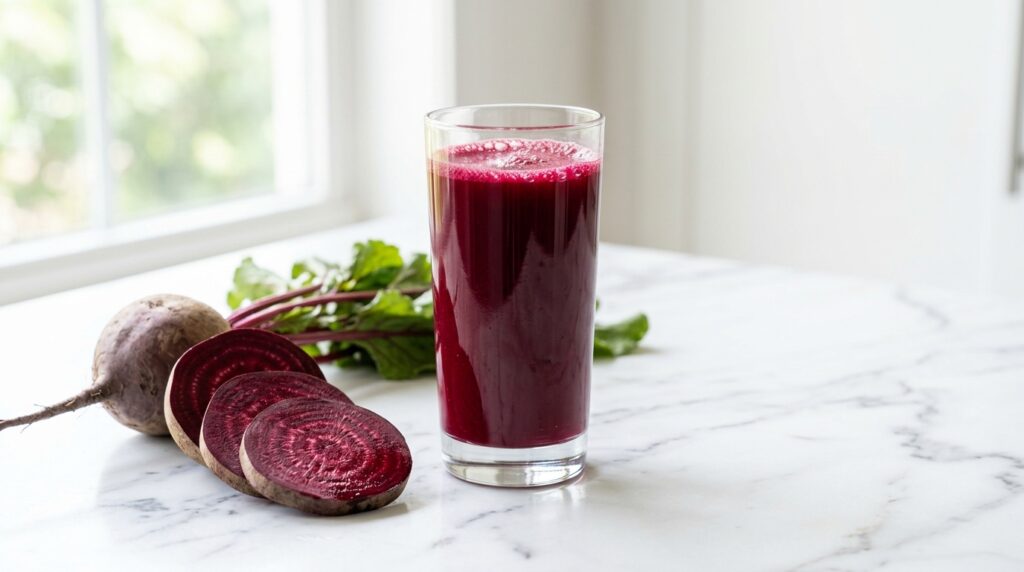
Beet juice is high in betalains, powerful antioxidants responsible for the vegetable’s deep red color. Research suggests that betalains help inhibit specific inflammatory signaling pathways, and beet juice has also been studied for its ability to support cardiovascular health by improving blood flow and lowering blood pressure. Its earthy, slightly sweet flavor pairs well with ginger or apple juice. For more ideas on how to pair anti-inflammatory ingredients, you may also enjoy our article on the best anti-inflammatory foods.
6. Bone Broth
Bone broth is a nutrient-dense liquid made by simmering animal bones and connective tissue for an extended period. It contains collagen, gelatin, glycine, and proline — compounds that support gut lining integrity and reduce systemic inflammation. A compromised gut lining allows inflammatory substances to enter the bloodstream, so supporting gut health is directly connected to controlling inflammation. Warm bone broth makes an excellent savory alternative to tea on cold days.
7. Pomegranate Juice
Pomegranate juice has one of the highest antioxidant concentrations of any fruit beverage. It is particularly rich in punicalagins and punicalins, which are converted in the gut into urolithins with potent anti-inflammatory effects. Several clinical studies have found that pomegranate juice consumption reduces inflammatory markers and may help protect joint cartilage. Look for 100% pure pomegranate juice without added sugars.
8. Water with Lemon
Plain water is the most fundamental anti-inflammatory beverage — chronic dehydration is itself a contributor to inflammation. Adding fresh lemon juice provides vitamin C and polyphenols that further support antioxidant defenses. Starting your morning with a large glass of water with lemon hydrates your body after sleep and gives your immune system a gentle boost. It is also one of the cheapest and most accessible options on this list.
9. Matcha
Matcha is a powdered form of green tea with a significantly higher concentration of EGCG than steeped green tea, since you consume the entire leaf rather than an infusion. Matcha also contains L-theanine, an amino acid that promotes calm focus and has been shown to reduce stress-related inflammation. A matcha latte made with oat milk is a satisfying and nutrient-rich morning drink.
10. Hibiscus Tea
Hibiscus tea is made from the dried petals of the hibiscus flower and has a naturally tart, vibrant flavor. It is rich in anthocyanins and organic acids that have been shown to reduce blood pressure and lower inflammatory markers. Studies suggest that hibiscus tea consumption may also reduce oxidative stress in the body. It can be enjoyed hot or cold, and its vivid color makes it as visually appealing as it is beneficial.

Conclusion
The best anti-inflammatory drinks are not complicated. Green tea, turmeric lattes, tart cherry juice, and ginger tea are all simple, accessible options that can meaningfully support your body’s ability to manage inflammation when consumed regularly. The key is consistency — a single cup will not transform your health, but developing a daily habit of choosing the right beverages over sugary sodas and processed drinks will make a real difference over time. Start with one or two of these options and build from there.
Frequently Asked Questions
How many anti-inflammatory drinks should I have per day? There is no fixed number, but aiming for two to three servings of beverages with anti-inflammatory properties — such as green tea, ginger tea, or tart cherry juice — throughout the day is a reasonable and sustainable goal for most people.
Is coffee anti-inflammatory? Moderate coffee consumption has been associated with lower levels of certain inflammatory markers in large observational studies. Black coffee contains chlorogenic acids and other polyphenols with antioxidant properties. However, adding large amounts of sugar or flavored syrups can offset these benefits, so it is best consumed plain or with minimal additions.
Can these drinks replace anti-inflammatory medication? No. Anti-inflammatory beverages are supportive tools that may help reduce low-grade chronic inflammation over time, but they are not medical treatments and should not replace prescribed medications. Always consult a healthcare provider for managing specific inflammatory conditions.
Related Articles
- Anti-Inflammatory Diet for Beginners
- Best Spices for Reducing Inflammation
- Foods That Reduce Inflammation Naturally