
Anti-Inflammatory Diet for Beginners
Chronic inflammation is one of the most talked-about health topics today — and for good reason. It has been linked to a wide range of conditions, from joint pain and fatigue to heart disease and digestive issues. The good news is that one of the most powerful tools for managing inflammation is also one of the most accessible: your diet.
If you have ever felt overwhelmed by complicated diet plans or conflicting nutrition advice, you are not alone. Starting an anti-inflammatory diet for beginners is actually much simpler than most people expect. It does not require expensive supplements or strict meal plans. It starts with understanding which foods support your body and which ones work against it.
This guide will walk you through everything you need to know to get started with confidence.
Why an Anti-Inflammatory Diet Matters
Inflammation is a natural response from your immune system. When you are injured or fighting an infection, acute inflammation helps your body heal. The problem arises when inflammation becomes chronic — a low-grade, ongoing process that quietly damages tissues and organs over time.
Research consistently shows that diet plays a major role in controlling chronic inflammation. Foods rich in antioxidants, omega-3 fatty acids, and polyphenols actively reduce inflammatory markers in the body. In contrast, processed foods, refined sugars, and unhealthy fats tend to promote inflammation. By shifting what you eat, you can meaningfully influence how your body responds at the cellular level.
Anti-Inflammatory Diet for Beginners: 10 Essential Steps
1. Load Up on Colorful Vegetables
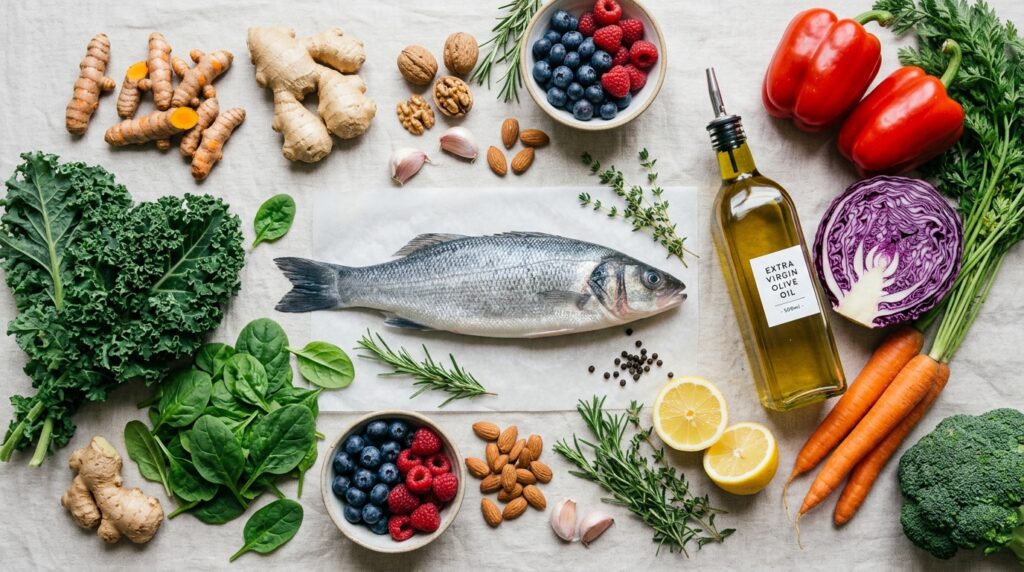
Vegetables are the foundation of any anti-inflammatory eating pattern. Dark leafy greens like spinach and kale are packed with vitamins C and K, both of which have anti-inflammatory properties. Cruciferous vegetables like broccoli and Brussels sprouts contain sulforaphane, a compound shown to reduce inflammatory markers. Aim to fill at least half your plate with vegetables at each meal, and focus on variety — different colors mean different beneficial compounds.
2. Eat Fatty Fish Twice a Week
Fatty fish such as salmon, sardines, mackerel, and trout are among the richest sources of omega-3 fatty acids. Omega-3s directly reduce the production of inflammatory molecules in the body. If you are not a fish eater, omega-3 supplements made from algae can be a plant-based alternative. Starting with just two servings of fatty fish per week is enough to make a noticeable difference.
3. Replace Refined Grains with Whole Grains
White bread, white rice, and refined pasta digest quickly, causing blood sugar spikes that promote inflammation. Switching to whole grains like oats, quinoa, brown rice, and whole wheat bread provides fiber and nutrients that help stabilize blood sugar and reduce inflammatory responses. The fiber in whole grains also feeds beneficial gut bacteria, which play an important role in immune regulation.
4. Use Olive Oil as Your Primary Fat
Extra virgin olive oil is one of the most studied anti-inflammatory foods on the planet. It contains oleocanthal, a compound with properties similar to ibuprofen. Replacing butter, margarine, or vegetable oils with olive oil in your cooking is one of the simplest and most impactful swaps you can make. Use it for sautéing vegetables, drizzling over salads, or dipping whole grain bread.
5. Add Berries to Your Daily Routine
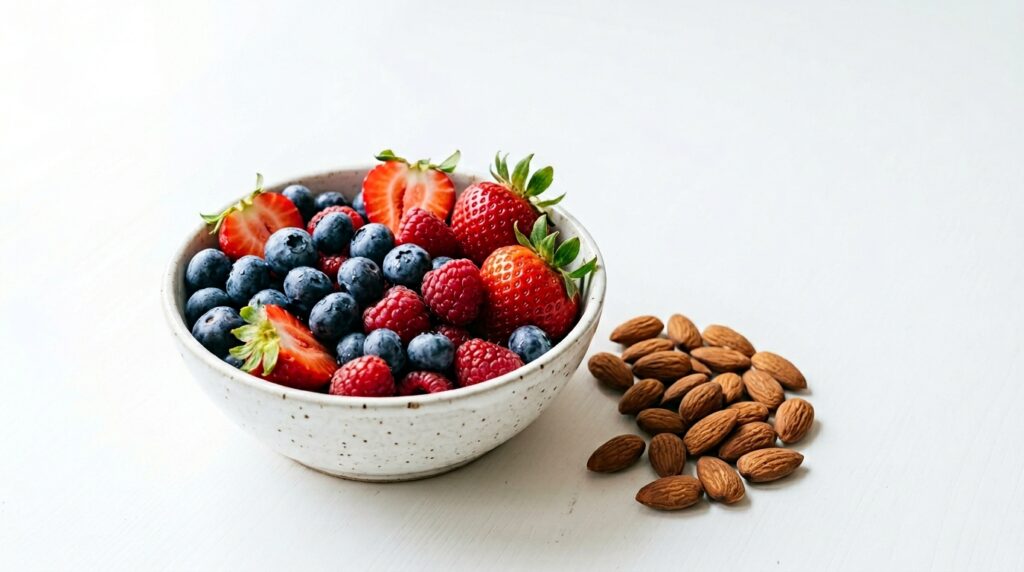
Blueberries, strawberries, raspberries, and cherries are loaded with anthocyanins — powerful plant pigments with strong antioxidant and anti-inflammatory effects. Studies show that regular berry consumption can lower inflammatory markers like C-reactive protein. A small handful of berries added to your breakfast or eaten as a snack is an effortless way to boost your anti-inflammatory intake daily.
If you want to take your understanding further, you may also enjoy reading our guide on the best anti-inflammatory foods, which covers the top picks across all food groups.
6. Include Nuts and Seeds
Almonds, walnuts, flaxseeds, and chia seeds all provide healthy fats, fiber, and plant-based protein that support an anti-inflammatory lifestyle. Walnuts in particular are a great source of alpha-linolenic acid, a plant-based omega-3. A small portion of mixed nuts as a daily snack is an easy habit to build. Just be mindful of portions since nuts are calorie-dense.
7. Season with Anti-Inflammatory Spices
Turmeric, ginger, garlic, and cinnamon are not just flavorful — they are genuinely powerful anti-inflammatory agents. Curcumin in turmeric, gingerol in ginger, and allicin in garlic have each been studied for their ability to reduce inflammation. Adding these spices to soups, stir-fries, and smoothies is a practical and delicious way to enhance the anti-inflammatory value of your meals.
8. Minimize Ultra-Processed Foods
Packaged snacks, fast food, sugary drinks, and processed meats are among the biggest dietary drivers of chronic inflammation. These foods often contain trans fats, high fructose corn syrup, and artificial additives that trigger inflammatory pathways. You do not need to eliminate them entirely overnight, but gradually reducing your intake — even swapping one processed snack per day for whole food alternatives — will produce measurable benefits over time.
9. Stay Hydrated with the Right Beverages
What you drink matters just as much as what you eat. Water, green tea, herbal teas, and black coffee in moderate amounts all have anti-inflammatory or neutral effects. Green tea is especially notable for its high concentration of epigallocatechin gallate (EGCG), a potent antioxidant. Sugary beverages, energy drinks, and excessive alcohol should be minimized, as they promote inflammation and put additional stress on the liver.
10. Build Consistency, Not Perfection
The most important principle for anyone starting an anti-inflammatory diet is consistency over time. You do not need to eat perfectly every day. The cumulative effect of regularly choosing more vegetables, whole grains, healthy fats, and antioxidant-rich foods will add up. Think of it as a long-term shift in your eating pattern rather than a strict short-term diet. Small, sustainable changes will always outperform dramatic overhauls that are difficult to maintain.
Conclusion
Starting an anti-inflammatory diet for beginners is one of the most worthwhile investments you can make in your long-term health. By adding more colorful vegetables, fatty fish, berries, and healthy fats while gradually reducing processed foods and refined sugars, you give your body the tools it needs to manage inflammation naturally. There is no need for extreme restrictions or expensive products — just a steady, intentional shift toward whole, nourishing foods.
Begin with one or two changes this week, build from there, and let the results speak for themselves.
Frequently Asked Questions
How quickly will I see results on an anti-inflammatory diet? Most people begin to notice improvements in energy and reduced bloating within two to four weeks of consistent dietary changes. For more specific conditions like joint pain, meaningful improvements may take one to three months of sustained effort.
Can I still eat meat on an anti-inflammatory diet? Yes, but the type of meat matters. Lean poultry, grass-fed beef in moderate amounts, and especially fatty fish are compatible with an anti-inflammatory approach. Processed meats like sausages, hot dogs, and deli meats should be minimized as they are strongly associated with increased inflammation.
Do I need to take supplements when starting an anti-inflammatory diet? Most people can get the nutrients they need from food alone. However, if your diet is limited or you have specific deficiencies, omega-3 supplements or a high-quality multivitamin may be useful. It is always a good idea to consult a healthcare provider before starting any supplementation.