Introduction
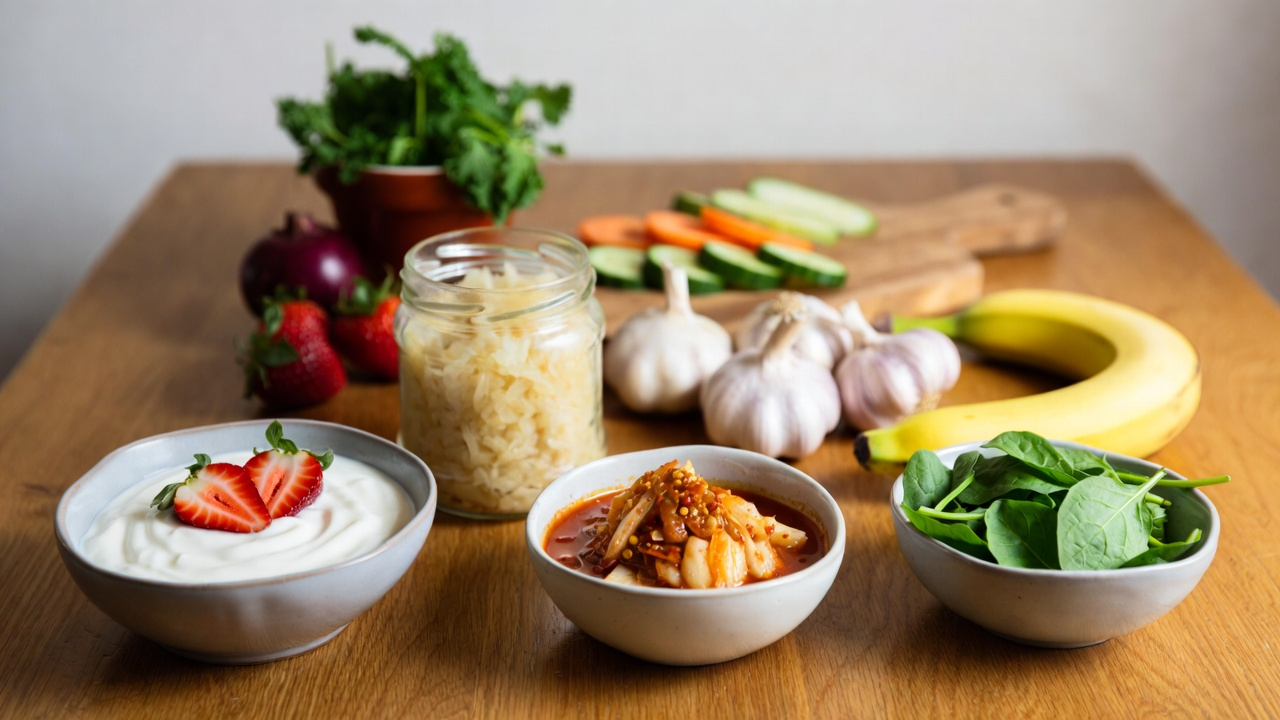
Your gut does far more than digest food. It houses trillions of bacteria, fungi, and other microorganisms that together form your gut microbiome — a complex ecosystem that influences your digestion, immune system, mood, and even brain function. When your gut is healthy, your entire body tends to function better. When it is out of balance, you may experience bloating, fatigue, skin issues, and a weakened immune response.
The good news is that what you eat has a direct and powerful impact on your gut health. Certain foods feed beneficial bacteria, strengthen the gut lining, and reduce inflammation in the digestive tract. Others can disrupt the microbiome and cause long-term damage.
In this article, we highlight the 10 best foods for gut health that are backed by research and easy to incorporate into your daily diet.
Why Gut Health Matters
A healthy gut microbiome is essential for breaking down food, absorbing nutrients, and producing certain vitamins like B12 and K2. It also plays a central role in regulating your immune system — roughly 70 percent of your immune cells live in your gut. Research increasingly links gut health to mental health, metabolic function, and chronic disease prevention. Feeding your gut the right foods is one of the most impactful steps you can take for your overall health.
10 Best Foods for Gut Health
1. Yogurt
Yogurt is one of the most well-known sources of probiotics — live beneficial bacteria that support a healthy gut microbiome. Look for yogurt labeled “live and active cultures,” which contains strains like Lactobacillus and Bifidobacterium. These bacteria help restore microbial balance, especially after illness or antibiotic use. Choose plain, unsweetened yogurt to avoid excess sugar, which can actually harm gut bacteria.
2. Kefir
Kefir is a fermented milk drink that contains even more probiotic strains than yogurt. It has a tangy flavor and a thin, drinkable consistency. Studies have shown that kefir can improve lactose digestion, reduce inflammation in the gut, and increase the diversity of gut microbiota. Kefir made from goat’s milk or non-dairy alternatives like coconut milk is also available for those with dairy sensitivities.
3. Sauerkraut
Sauerkraut is fermented cabbage rich in probiotics, fiber, and vitamins C and K. The fermentation process creates beneficial bacteria that survive into the digestive tract and support microbial diversity. It also contains enzymes that help break down food more efficiently. Always choose unpasteurized sauerkraut from the refrigerated section, as the pasteurization process kills the live cultures that make it so beneficial.
4. Kimchi
Kimchi is a traditional Korean fermented vegetable dish typically made with cabbage, radish, garlic, and chili peppers. It is packed with probiotics, antioxidants, and prebiotic fiber. Research has found that regular kimchi consumption can enhance gut microbial diversity and support healthy digestion. Its combination of fermented vegetables and spices makes it one of the most powerful gut health foods available.
5. Garlic
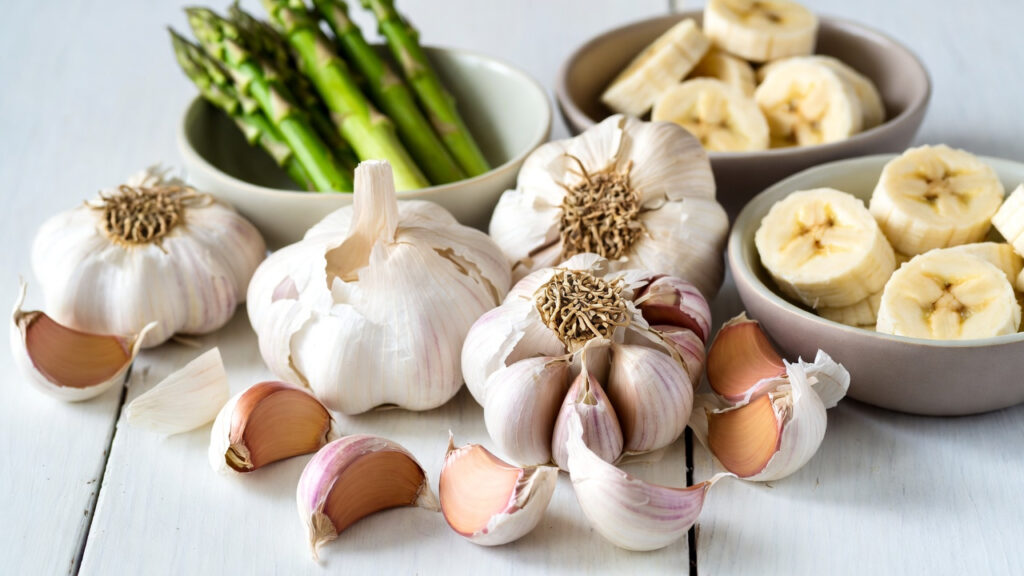
Garlic acts as a prebiotic — meaning it feeds the beneficial bacteria already living in your gut rather than introducing new ones. It contains fructooligosaccharides, a type of fiber that selectively fuels good bacteria like Bifidobacterium. Garlic also has antimicrobial properties that may help suppress harmful gut bacteria without disrupting the beneficial strains. Adding raw or lightly cooked garlic to meals is an easy way to support gut health daily.
6. Bananas
Bananas, especially slightly underripe ones, are an excellent source of resistant starch and pectin — both of which act as prebiotics. Resistant starch passes through the small intestine undigested and feeds beneficial bacteria in the colon. This process produces short-chain fatty acids like butyrate, which nourish the gut lining and reduce inflammation. Bananas are also easy to digest and gentle on the stomach, making them ideal for people with sensitive digestive systems.
7. Oats
Oats are rich in beta-glucan, a soluble fiber that has been shown to support beneficial gut bacteria and reduce gut inflammation. Beta-glucan forms a gel-like substance in the digestive tract that slows digestion, promotes satiety, and feeds good bacteria in the colon. Regular oat consumption has been associated with improved gut microbial composition and a reduced risk of digestive issues. Steel-cut or rolled oats offer the most fiber compared to instant varieties.
8. Asparagus
Asparagus is one of the best natural sources of inulin, a prebiotic fiber that nourishes Bifidobacterium and Lactobacillus bacteria in the gut. Inulin has been shown to increase the production of butyrate, which helps maintain a healthy gut lining and protects against leaky gut syndrome. Asparagus also contains antioxidants and anti-inflammatory compounds that further support digestive health. It can be enjoyed roasted, steamed, or added to soups and salads.
9. Miso
Miso is a fermented soybean paste commonly used in Japanese cuisine. It contains a wide range of probiotic bacteria and enzymes that support digestion and gut microbiome diversity. Miso also provides plant-based protein, B vitamins, and minerals like zinc and manganese. Research suggests that traditional fermented soy foods like miso may reduce the risk of digestive disorders and support a balanced gut environment. Use it in soups, dressings, and marinades for a flavorful probiotic boost.
10. Leafy Greens
Leafy greens such as spinach, kale, and Swiss chard are rich in fiber and a specific type of sugar molecule called sulfoquinovose. Studies have found that this compound selectively feeds beneficial gut bacteria and may help suppress harmful species from taking hold. Leafy greens also contain folate, magnesium, and antioxidants that reduce gut inflammation and support the integrity of the intestinal lining. Aim to include a variety of leafy greens in your diet every day for maximum benefit.

Conclusion
Your gut microbiome is one of the most important ecosystems in your body, and the foods you eat every day have the power to either support it or disrupt it. By regularly including fermented foods like yogurt, kefir, sauerkraut, and miso alongside prebiotic-rich foods like garlic, bananas, oats, and asparagus, you give your gut the nourishment it needs to thrive.
Start by adding one or two of these foods to your daily routine and gradually build from there. Consistency matters more than perfection. Small, steady dietary changes can lead to significant improvements in your digestion, energy, immunity, and overall health over time.