
Introduction
High blood pressure — or hypertension — affects nearly half of all adults in the United States and is one of the most significant modifiable risk factors for heart attack, stroke, kidney disease, and heart failure. Despite its prevalence, hypertension is highly responsive to dietary intervention, and the right food choices can lower blood pressure meaningfully without medication in many cases.
The DASH diet — Dietary Approaches to Stop Hypertension — is the most extensively studied dietary pattern for blood pressure management and consistently outperforms other dietary approaches in clinical trials. Its core principles are simple: increase potassium, magnesium, calcium, and fiber while reducing sodium, saturated fat, and added sugar. The foods that embody these principles most effectively are the same foods that form the backbone of any heart-healthy diet.
This guide covers the ten best foods for lowering blood pressure naturally, with the science behind each and practical suggestions for daily inclusion.
Why Diet Has Such a Powerful Effect on Blood Pressure
Blood pressure is fundamentally regulated by the balance between sodium and potassium in the body. Sodium promotes water retention and arterial constriction, raising blood pressure. Potassium counteracts these effects by promoting sodium excretion through the kidneys and relaxing arterial walls.
Most Western diets contain far too much sodium from processed and restaurant foods and far too little potassium from vegetables, fruits, and legumes. Shifting this balance — reducing sodium while dramatically increasing potassium intake — is the single most impactful dietary change for blood pressure management and can produce results equivalent to first-line blood pressure medication in people with mild to moderate hypertension.
Best Foods to Lower Blood Pressure
1. Leafy Green Vegetables
Spinach, kale, Swiss chard, beet greens, and collard greens are among the richest dietary sources of potassium and magnesium — two minerals with the strongest evidence for blood pressure reduction. They are also high in dietary nitrates that are converted in the body to nitric oxide, a molecule that directly relaxes and widens blood vessels.
Research has shown that consuming high-nitrate leafy greens equivalent to a large daily salad can reduce systolic blood pressure by four to five mmHg within just a few hours. For sustained benefit, including at least two servings of leafy greens daily provides ongoing vascular and blood pressure support.
2. Beets
Beets are the highest dietary source of nitrates available, and their blood pressure-lowering effects have been demonstrated in multiple clinical trials. Drinking one glass of beet juice daily has been shown to reduce systolic blood pressure by four to ten mmHg — an effect comparable to some pharmaceutical interventions.
The nitrates in beets are converted to nitric oxide in the body, which signals smooth muscle cells in arterial walls to relax, widening blood vessels and reducing the resistance that elevates blood pressure. Roasted beets, beet salads, and beet juice are all effective delivery methods for these cardiovascular benefits.
3. Bananas
Bananas are one of the most accessible and affordable high-potassium foods available. A medium banana provides approximately 422 milligrams of potassium — about nine percent of the recommended daily intake — along with magnesium and vitamin B6 that support overall cardiovascular health.
The potassium in bananas helps the kidneys excrete excess sodium, directly lowering blood pressure through the same mechanism targeted by thiazide diuretics — a common class of blood pressure medication. Including one banana per day as part of a broader high-potassium diet contributes meaningfully to blood pressure management.
4. Berries
Blueberries and strawberries are particularly well studied for their blood pressure effects, primarily through their anthocyanin content. Anthocyanins have been shown to reduce arterial stiffness, improve endothelial function, and lower both systolic and diastolic blood pressure through antioxidant and anti-inflammatory mechanisms.
A large observational study found that people who consumed the most blueberries and strawberries had an eight percent lower risk of developing hypertension compared to those who consumed the least. Regular berry consumption — even at modest amounts of a few servings per week — produces measurable vascular benefits over time.
5. Oats
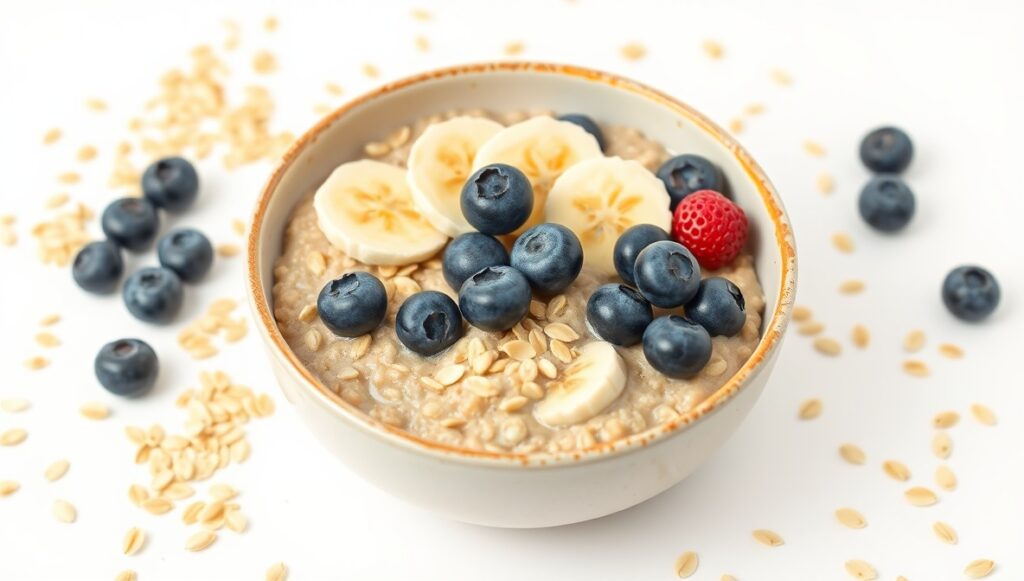
The beta-glucan fiber in oats lowers blood pressure in addition to its well-known effects on cholesterol. Soluble fiber reduces arterial stiffness and inflammation while the magnesium in oats supports healthy vascular tone. Multiple clinical trials have found that regular oat consumption reduces both systolic and diastolic blood pressure, particularly in people with elevated levels.
Starting the day with oatmeal topped with berries and banana provides three blood pressure-supporting foods simultaneously — a practical and evidence-based morning combination that addresses multiple cardiovascular risk factors at once.
For a complete approach to cardiovascular nutrition, you may also find our guide on the ten best foods for heart health helpful alongside this article.
6. Fatty Fish
The omega-3 fatty acids in salmon, mackerel, sardines, and herring reduce blood pressure through several mechanisms — reducing arterial inflammation, improving arterial flexibility, and supporting kidney function in sodium regulation. EPA and DHA from fatty fish have been shown in meta-analyses to produce modest but meaningful reductions in blood pressure, particularly in people with hypertension.
The combination of blood pressure reduction with the triglyceride-lowering and anti-inflammatory effects of omega-3s makes fatty fish one of the most comprehensively heart-protective foods available for people managing cardiovascular risk.
7. Pomegranate
Pomegranate juice and seeds are exceptionally rich in punicalagins and punicic acid — unique antioxidant compounds with powerful cardiovascular effects. Clinical trials have found that drinking one cup of pomegranate juice daily for four weeks significantly reduces both systolic and diastolic blood pressure, with effects that persist with continued consumption.
Pomegranate also reduces LDL oxidation, improves arterial elasticity, and has anti-inflammatory properties that support overall vascular health. While pomegranate juice is calorie-dense, consuming it in moderate amounts as part of an anti-inflammatory diet provides documented cardiovascular benefit.
8. Garlic
Garlic’s allicin content produces direct vasodilatory effects — relaxing smooth muscle in arterial walls and reducing vascular resistance. Meta-analyses of clinical trials consistently find that garlic supplementation reduces systolic blood pressure by approximately eight mmHg and diastolic blood pressure by five mmHg in people with hypertension — effects comparable to first-line antihypertensive medications.
Fresh garlic, garlic powder, and aged garlic extract all provide cardiovascular benefits, though aged garlic extract has the strongest clinical evidence for blood pressure reduction. Using fresh garlic liberally in cooking is the most accessible and practical way to incorporate it daily.
9. Greek Yogurt and Low-Fat Dairy
Dairy foods — particularly low-fat and fermented varieties — are high in calcium and potassium, both of which support healthy blood pressure regulation. The DASH diet, which is specifically designed for blood pressure reduction, includes two to three servings of low-fat dairy daily as part of its core framework.
Greek yogurt provides calcium, potassium, magnesium, and probiotics that collectively support vascular health and blood pressure regulation. Observational studies consistently find that higher dairy intake is associated with lower blood pressure and reduced hypertension risk across diverse populations.
10. Seeds — Particularly Flaxseeds and Pumpkin Seeds
Flaxseeds are rich in ALA omega-3s, lignans, and fiber that collectively produce meaningful blood pressure reductions with regular consumption. A meta-analysis found that flaxseed supplementation reduced systolic blood pressure by an average of two mmHg and diastolic blood pressure by one mmHg — modest but meaningful effects when maintained long term.
Pumpkin seeds are among the richest food sources of magnesium, a mineral that relaxes blood vessels and is deficient in the diets of a majority of adults in developed countries. Adding a tablespoon of ground flaxseeds and a small handful of pumpkin seeds daily is a practical and evidence-supported strategy for supporting healthy blood pressure through nutrition.
Conclusion
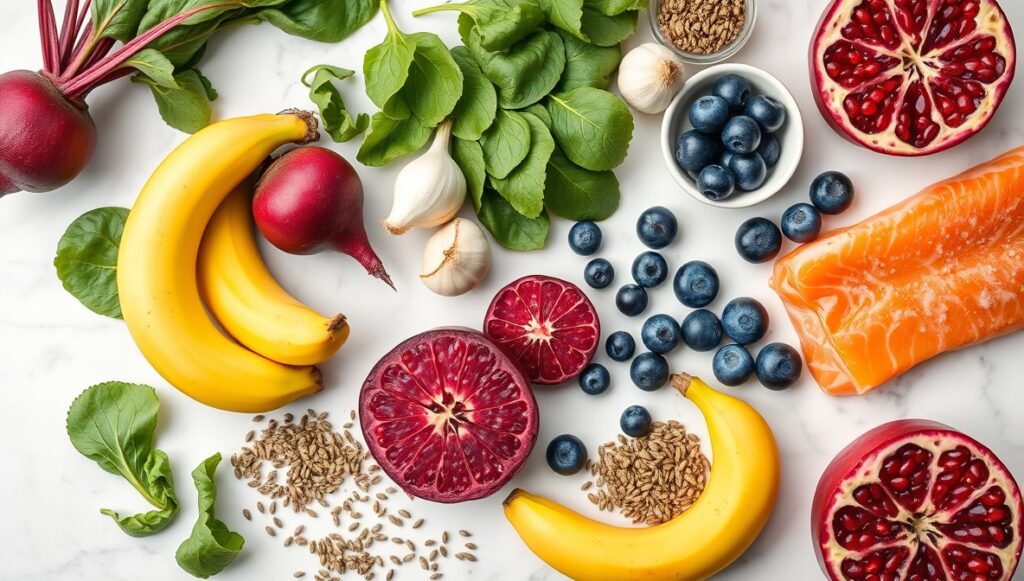
Managing blood pressure through diet is one of the most well-supported areas in nutritional medicine. Leafy greens, beets, bananas, berries, oats, fatty fish, pomegranate, garlic, dairy, and seeds each contribute to blood pressure reduction through distinct and complementary mechanisms.
The most effective dietary strategy combines multiple of these foods daily within a broader pattern that is low in sodium, high in potassium and magnesium, and rich in fiber and antioxidants. These changes do not require pharmaceutical precision — they simply require building your diet around the right whole food foundations consistently over time.
Frequently Asked Questions
How much can diet lower blood pressure? Comprehensive dietary changes — particularly adopting a DASH-style diet — can reduce systolic blood pressure by eight to fourteen mmHg in people with hypertension. This magnitude of reduction is equivalent to the effect of first-line antihypertensive medications in many cases and can significantly reduce cardiovascular risk.
What is the fastest food to lower blood pressure? Beet juice and high-nitrate leafy greens produce the most rapid blood pressure effects — measurable reductions can occur within one to three hours of consumption. For sustained benefit, building a diet rich in potassium, magnesium, and nitrates from multiple food sources provides more reliable long-term results.
How much sodium should I eat to manage blood pressure? Most guidelines recommend limiting sodium to 2,300 milligrams per day for general health, with 1,500 milligrams per day for people with hypertension or high cardiovascular risk. The most effective strategy is reducing processed and restaurant food consumption, which accounts for approximately seventy to eighty percent of sodium intake for most people.