Introduction
When most people think about gut health, they think about probiotics — the live bacteria found in yogurt, kefir, and other fermented foods. But there is another category of gut-supporting nutrition that is equally important and often overlooked: prebiotics. Prebiotics are specialized types of dietary fiber that the human body cannot digest, but that beneficial gut bacteria can. By feeding your good bacteria, prebiotic foods help them grow, multiply, and outcompete harmful microorganisms.
Think of it this way: probiotics are the seeds, and prebiotics are the fertilizer. Without adequate prebiotic intake, even a healthy supply of probiotic bacteria has little to sustain itself in the gut environment. Together, probiotics and prebiotics form a powerful combination for long-term digestive health, immune function, and overall well-being.
This article highlights the best prebiotic foods to eat daily, why they work, and how to incorporate them into your regular meals.
Why Prebiotic Foods Matter
Prebiotic fibers are fermented by beneficial gut bacteria in the colon, producing short-chain fatty acids like butyrate, acetate, and propionate. Butyrate in particular is the primary energy source for colonocytes — the cells that line the colon — and plays a critical role in maintaining a healthy, intact gut lining. Short-chain fatty acids also reduce inflammation, support immune regulation, and even communicate with the brain via the gut-brain axis. A diet consistently high in prebiotic foods is associated with better gut microbiome diversity, reduced inflammation, and a lower risk of chronic diseases.
10 Best Prebiotic Foods You Should Eat Daily
1. Garlic
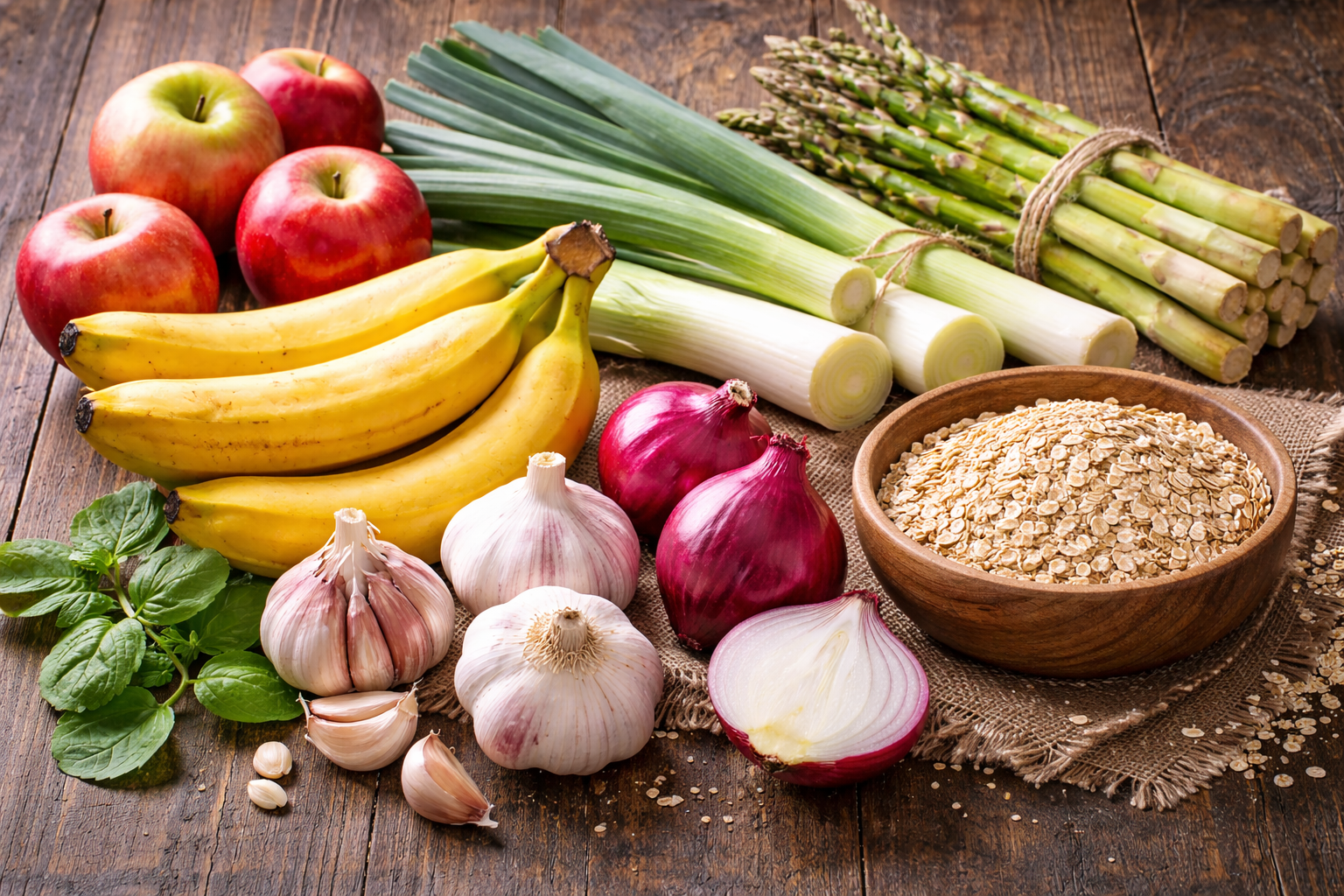
Garlic is one of the most potent prebiotic foods available. It is rich in fructooligosaccharides (FOS) and inulin — two types of prebiotic fiber that selectively feed Bifidobacterium and Lactobacillus bacteria. Research has shown that garlic consumption can significantly increase populations of beneficial gut bacteria while suppressing the growth of harmful pathogens like Clostridium perfringens. Using raw or lightly cooked garlic daily in meals is an easy and flavorful way to nourish your gut microbiome consistently.
2. Onions
Like garlic, onions are an excellent source of inulin and FOS. They also contain quercetin, a polyphenol with anti-inflammatory and antioxidant properties that further supports gut health. Raw onions contain higher concentrations of prebiotic fiber than cooked ones, so including raw onion in salads and salsas is particularly beneficial. Red onions are especially rich in polyphenols that act as additional prebiotics, feeding a broader range of beneficial bacterial species in the colon.
3. Leeks
Leeks belong to the same plant family as garlic and onions and are similarly rich in inulin. They provide a milder flavor that makes them easy to incorporate into soups, stews, and sautéed dishes. The prebiotic fiber in leeks selectively stimulates the growth of beneficial Bifidobacterium species and contributes to the production of butyrate in the colon. Leeks also contain significant amounts of vitamins A, C, and K, making them a nutritionally dense addition to any gut-friendly diet.
4. Jerusalem Artichokes
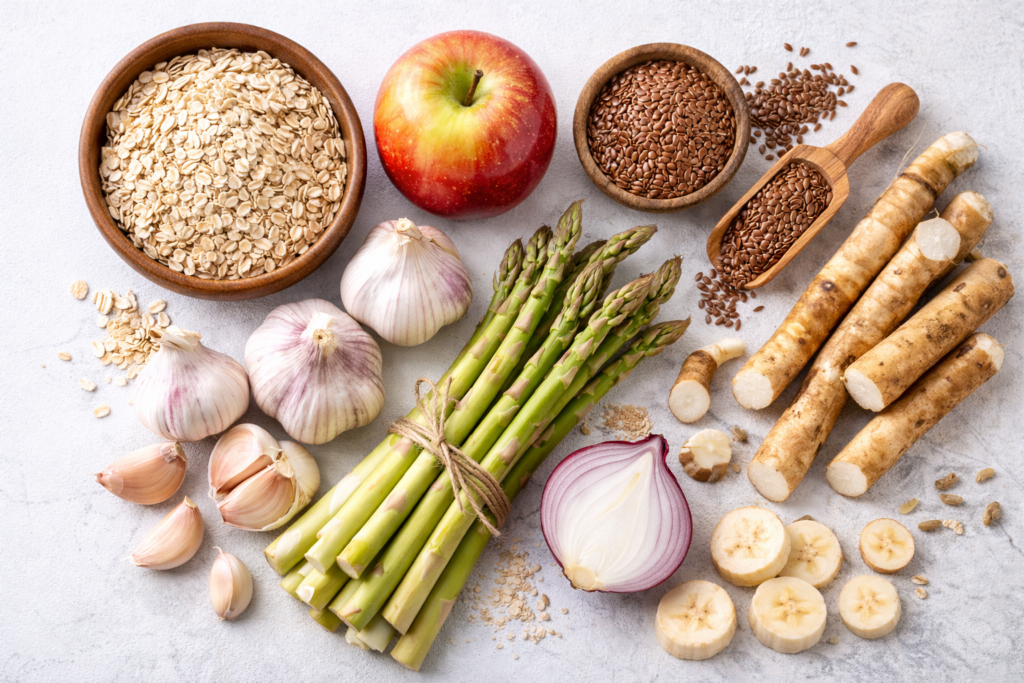
Jerusalem artichokes — also known as sunchokes — have one of the highest inulin concentrations of any food, containing up to 20 percent inulin by weight. This makes them exceptionally effective at stimulating the growth of beneficial gut bacteria. However, because they ferment rapidly in the gut, people who are new to high-inulin foods may experience gas or bloating at first. Start with small portions and gradually increase your intake to allow your microbiome time to adjust and expand its capacity to ferment these fibers.
5. Bananas
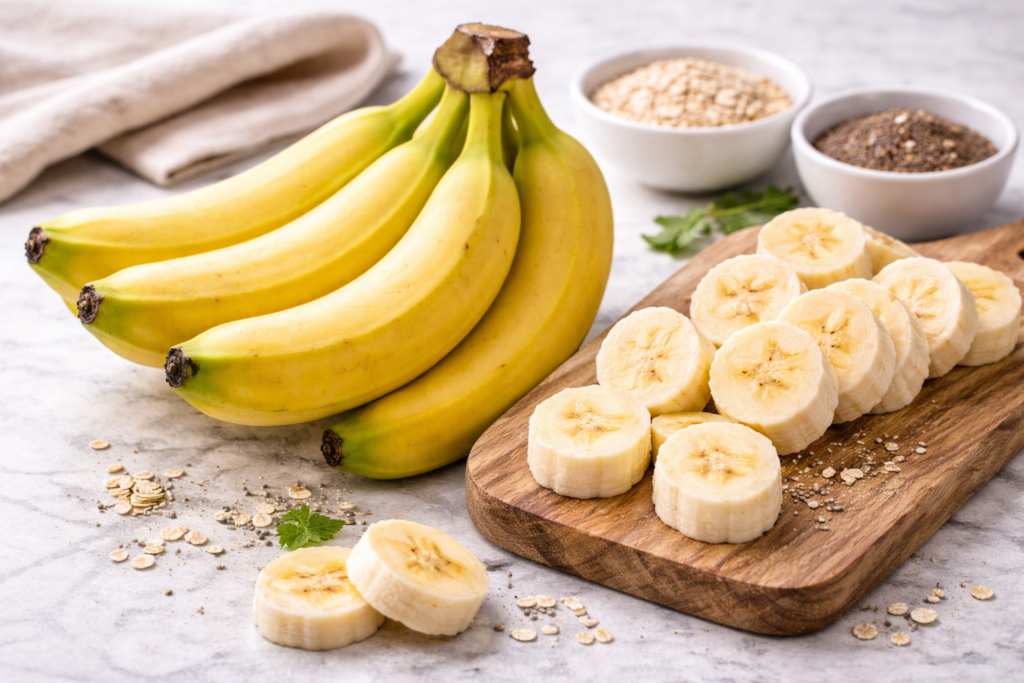
Slightly underripe bananas are particularly rich in resistant starch, a type of prebiotic that passes through the small intestine undigested and is fermented by bacteria in the large intestine. This process produces butyrate, which nourishes colon cells and reduces gut inflammation. As bananas ripen, their resistant starch converts to sugar, so choosing bananas with a slight green tinge provides the most prebiotic benefit. Bananas are also easy to digest, making them ideal for people with sensitive stomachs.
6. Asparagus
Asparagus is a rich natural source of inulin, providing approximately 2 to 3 grams per 100-gram serving. Inulin from asparagus has been shown to promote the growth of Bifidobacterium in the gut and increase the production of short-chain fatty acids. Asparagus also contains saponins and polyphenols that may provide additional prebiotic effects. It can be enjoyed roasted, steamed, grilled, or raw in salads, and is one of the most accessible prebiotic vegetables available in grocery stores year-round.
7. Oats
Oats contain beta-glucan, a soluble prebiotic fiber that has been extensively studied for its beneficial effects on gut health. Beta-glucan feeds beneficial bacteria and increases the diversity of the gut microbiome. It also slows digestion, reduces cholesterol absorption, and stabilizes blood sugar. Steel-cut and rolled oats contain more beta-glucan than instant oats. Starting your day with a bowl of oatmeal is one of the simplest and most effective ways to consistently include prebiotic fiber in your diet.
8. Apples
Apples are a significant source of pectin, a soluble fiber and polyphenol combination that acts as a potent prebiotic. Pectin from apples selectively promotes the growth of beneficial gut bacteria while reducing populations of harmful species. Research has shown that apple consumption can increase microbial diversity and the production of short-chain fatty acids. Eating whole apples with the skin provides the most fiber and polyphenol benefit. Apple consumption is also associated with improved metabolic health and reduced gut inflammation.
9. Flaxseeds
Flaxseeds contain a combination of soluble and insoluble fiber that supports gut motility and feeds beneficial gut bacteria. The soluble fiber in flaxseeds forms a gel-like substance in the digestive tract that slows digestion and promotes satiety, while the insoluble fiber adds bulk to stool. Research suggests that flaxseed consumption can increase populations of Bifidobacterium and reduce markers of gut inflammation. Ground flaxseeds are more easily digested than whole seeds and can be added to smoothies, oatmeal, and baked goods daily.
10. Chicory Root
Chicory root is perhaps the richest dietary source of inulin, containing between 36 and 48 percent inulin by dry weight. It is the source of most commercially produced inulin and FOS supplements. Chicory root extract is commonly used as a coffee substitute or additive in processed foods to increase fiber content. Including chicory root in your diet — either as a brewed beverage or through foods that contain it — provides a highly concentrated and effective prebiotic dose that can meaningfully improve gut bacterial populations and short-chain fatty acid production.
Conclusion
Prebiotic foods are the foundation of a thriving gut microbiome. Without adequate prebiotic fiber, the beneficial bacteria in your gut have nothing to feed on and cannot perform their essential functions. The good news is that many prebiotic foods are affordable, widely available, and easy to incorporate into everyday meals.
Aim to include at least two to three prebiotic-rich foods in your daily diet. Garlic and onions in your cooking, a banana or apple as a snack, oats for breakfast, and asparagus as a side dish can collectively provide a powerful and diverse supply of prebiotic fiber that supports gut health consistently. Combined with probiotic-rich fermented foods, a prebiotic-rich diet creates the ideal environment for a healthy, balanced gut microbiome.