Introduction
Eating well does not have to be complicated. In fact, some of the most powerful foods for your health are simple, affordable, and easy to find at any grocery store. The key is consistency — choosing the right foods day after day is what creates lasting results.
Whether your goal is to boost energy, support your immune system, maintain a healthy weight, or simply feel better, the foods you eat every day play a central role. Small, daily choices add up over time, and building a foundation of nutrient-dense foods is one of the best investments you can make in your long-term health.
This guide covers the 10 best healthy foods to include in your daily diet, backed by nutritional science and practical eating habits.
Why Daily Food Choices Matter for Your Health
Every meal is an opportunity to fuel your body with the nutrients it needs to function at its best. Vitamins, minerals, fiber, antioxidants, and healthy fats all contribute to everything from brain function and heart health to digestion and immunity.
Research consistently shows that people who eat a diet rich in whole, minimally processed foods have lower rates of chronic disease, better mental health, and longer lifespans. Rather than focusing on what to avoid, shifting the focus toward foods that actively support your health creates a more sustainable and positive approach to eating.
10 Best Healthy Foods to Eat Every Day
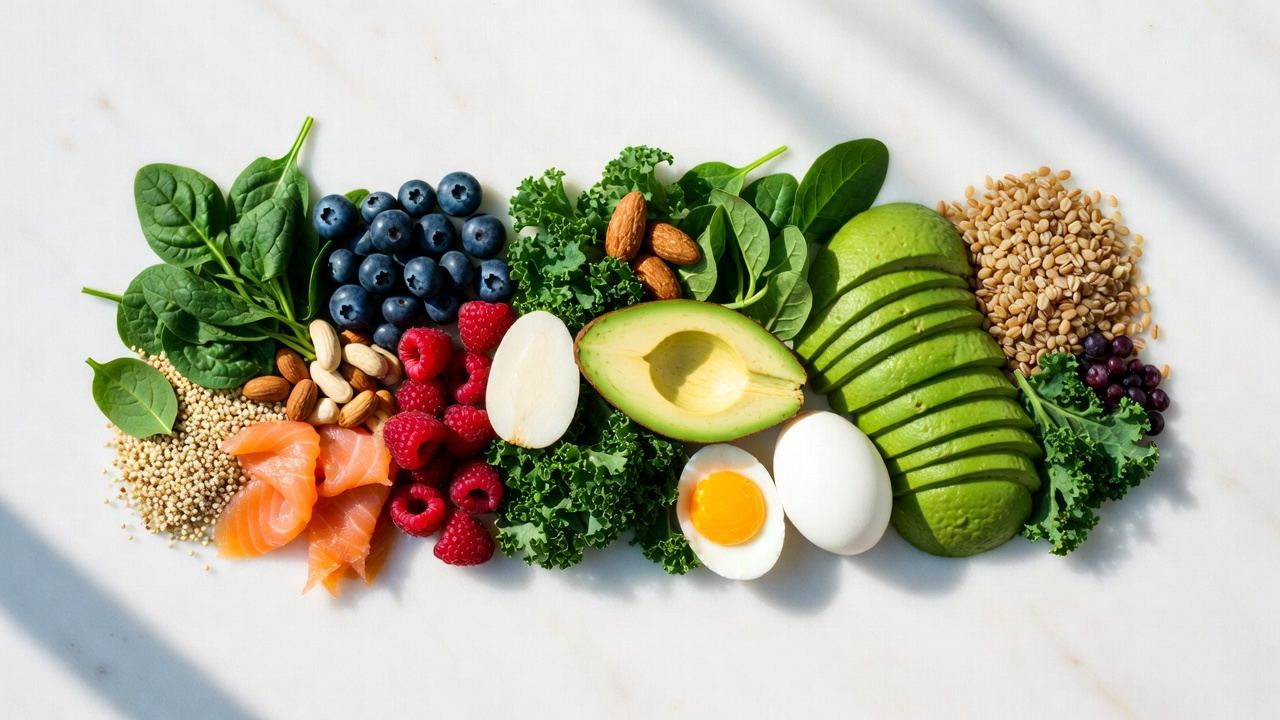
1. Leafy Green Vegetables
Leafy greens such as spinach, kale, Swiss chard, and romaine lettuce are among the most nutrient-dense foods available. They are packed with vitamins A, C, and K, as well as folate, iron, and magnesium. Leafy greens are also rich in antioxidants and have been linked to reduced risk of heart disease, cognitive decline, and inflammation.
Adding a handful of spinach to a smoothie, tossing kale into a salad, or stir-frying greens with olive oil are all simple ways to meet your daily intake. Aim for at least one serving of leafy greens per day for meaningful health benefits.
2. Berries
Berries — including blueberries, strawberries, raspberries, and blackberries — are among the most antioxidant-rich foods on the planet. They are high in vitamin C, fiber, and polyphenols that help protect cells from oxidative stress and inflammation.
Regular consumption of berries has been associated with improved brain function, better blood sugar control, and a reduced risk of cardiovascular disease. Fresh or frozen berries are equally nutritious and can be added to oatmeal, yogurt, smoothies, or eaten as a snack.
3. Eggs
Eggs are one of the most complete and affordable sources of nutrition available. Each egg provides high-quality protein, healthy fats, and a wide range of vitamins including B12, D, and choline — a nutrient essential for brain health and liver function.
Despite past concerns about cholesterol, current research supports eggs as a healthy daily food for most people. They are also highly versatile and easy to prepare in dozens of ways, making them a practical staple in any healthy diet.
4. Fatty Fish
Fatty fish such as salmon, sardines, mackerel, and trout are exceptional sources of omega-3 fatty acids, which support heart health, brain function, and inflammation control. These essential fats cannot be produced by the body and must come from food.
Eating fatty fish two to three times per week — or including it daily in smaller portions — is one of the most evidence-based dietary recommendations for long-term health. If fish is not accessible daily, omega-3-rich seeds like flaxseeds and chia seeds are helpful plant-based alternatives.
5. Avocado
Avocado is a unique fruit in that it is rich in monounsaturated fats rather than sugar. These healthy fats support heart health, help absorb fat-soluble vitamins, and contribute to lasting satiety. Avocados are also high in potassium, fiber, and folate.
Regular avocado consumption has been linked to improved cholesterol levels, better weight management, and reduced inflammation. Adding half an avocado to salads, toast, or smoothies is an easy way to incorporate this nutrient-dense food into your daily routine.
If you’re looking to build a complete daily eating strategy, you may also want to read our guide on How to Start a Healthy Diet for Beginners.

6. Nuts and Seeds
Almonds, walnuts, chia seeds, flaxseeds, and sunflower seeds are all excellent daily additions to a healthy diet. They provide protein, fiber, healthy fats, and essential micronutrients like magnesium, zinc, and vitamin E.
Studies show that regular nut consumption is associated with reduced risk of heart disease, lower body weight, and improved metabolic health. A small handful of mixed nuts or a tablespoon of seeds added to meals or snacks is all that is needed to gain these benefits.
7. Whole Grains
Whole grains such as oats, brown rice, quinoa, and whole wheat bread are richer in fiber, vitamins, and minerals than their refined counterparts. They help regulate blood sugar, support digestive health, and provide sustained energy throughout the day.
Replacing white rice with quinoa, choosing oatmeal over sugary cereals, or switching to whole grain bread are simple swaps that significantly improve the nutritional quality of daily meals over time.
8. Legumes
Beans, lentils, chickpeas, and other legumes are among the most nutrient-dense and affordable foods available. They are excellent sources of plant-based protein, fiber, iron, and B vitamins. Legumes also have a low glycemic index, making them beneficial for blood sugar regulation.
Research consistently links regular legume consumption to better heart health, improved gut health, and a reduced risk of type 2 diabetes. Adding lentils to soups, chickpeas to salads, or beans to grain bowls are practical ways to eat them daily.
9. Greek Yogurt
Greek yogurt is a protein-rich dairy food that also provides probiotics — beneficial bacteria that support gut health. It is high in calcium, B vitamins, and potassium. Compared to regular yogurt, Greek yogurt contains significantly more protein and less sugar per serving.
Choosing plain, unsweetened Greek yogurt and adding fresh fruit or a drizzle of honey allows you to control sugar intake while still enjoying a satisfying and nutritious snack or breakfast option.
10. Olive Oil
Extra virgin olive oil is one of the most well-studied health-promoting foods in the world, largely due to its role in the Mediterranean diet. It is rich in monounsaturated fats and polyphenols that reduce oxidative stress and inflammation throughout the body.
Using olive oil as the primary cooking fat, drizzled over vegetables, or as a salad dressing base is one of the simplest daily habits shown to support cardiovascular health and longevity.
Conclusion
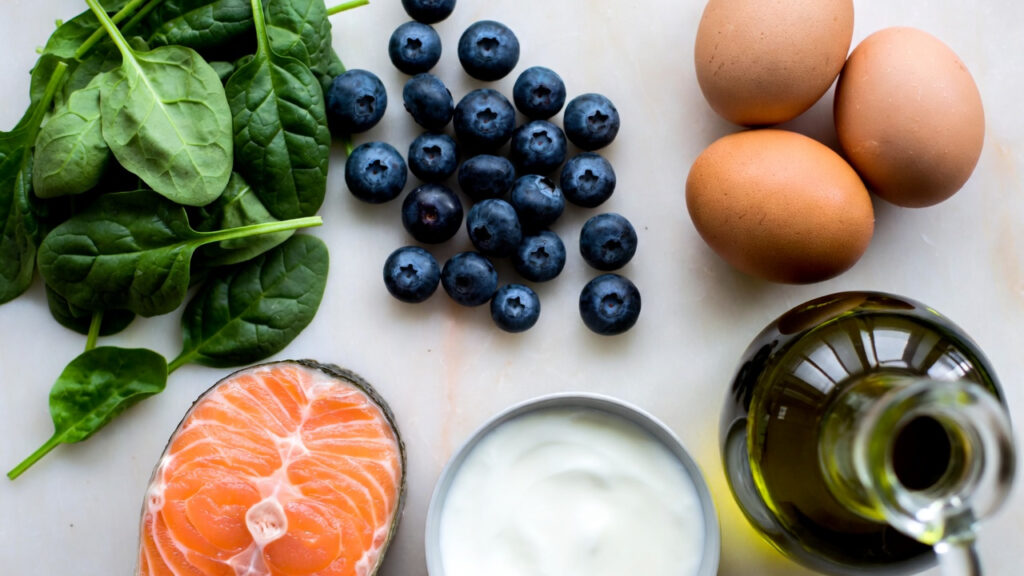
Building a healthy diet does not require perfection — it requires consistency and the right foundational choices. Leafy greens, berries, eggs, fatty fish, avocado, nuts, whole grains, legumes, Greek yogurt, and olive oil are all foods with strong scientific support and practical versatility.
Incorporating even a few of these foods into your daily meals creates a meaningful shift in how you feel and function. Start with one or two additions and build from there. Over time, these small daily choices create the foundation for lasting health.
Frequently Asked Questions
What are the healthiest foods to eat every day? Leafy greens, berries, eggs, fatty fish, and whole grains are among the most consistently recommended foods for daily consumption. Each provides a broad range of nutrients that support multiple aspects of health simultaneously.
How many servings of vegetables should I eat each day? Most health guidelines recommend at least five servings of fruits and vegetables per day. Prioritizing vegetables over fruit and choosing a variety of colors ensures a wide range of vitamins, minerals, and antioxidants.
Can I eat the same healthy foods every day? Yes, eating the same core healthy foods daily is a practical and effective strategy. Variety is beneficial, but rotating within food groups — such as switching between different leafy greens or types of berries — provides both consistency and nutritional diversity.