
Introduction
Starting a healthy diet can feel overwhelming, especially with so much conflicting nutrition advice available. One source tells you to cut carbs, another says to go vegan, and somewhere else you are told to count every calorie. The result is confusion, frustration, and often giving up before real progress begins.
The truth is that a healthy diet does not need to be extreme or complicated. It is built on a few core principles that most nutrition experts agree on: eating more whole foods, reducing processed foods, staying hydrated, and finding an approach that fits your lifestyle long-term.
This guide is designed for anyone just starting out. It covers practical first steps, simple food swaps, and realistic strategies to help you build a healthy diet that actually sticks.
Why Starting Simply Is the Key to Success
One of the most common mistakes beginners make is trying to change everything at once. Eliminating sugar, starting a new workout routine, cutting out entire food groups, and tracking macros simultaneously is a recipe for burnout.
Research on behavior change consistently shows that small, incremental improvements are far more sustainable than drastic overhauls. Starting with one or two changes and building from there creates lasting habits without the mental fatigue that comes from trying to do everything at once.
A healthy diet is not a temporary fix — it is a long-term relationship with food that evolves over time.
How to Start a Healthy Diet for Beginners
1. Focus on Adding, Not Just Removing
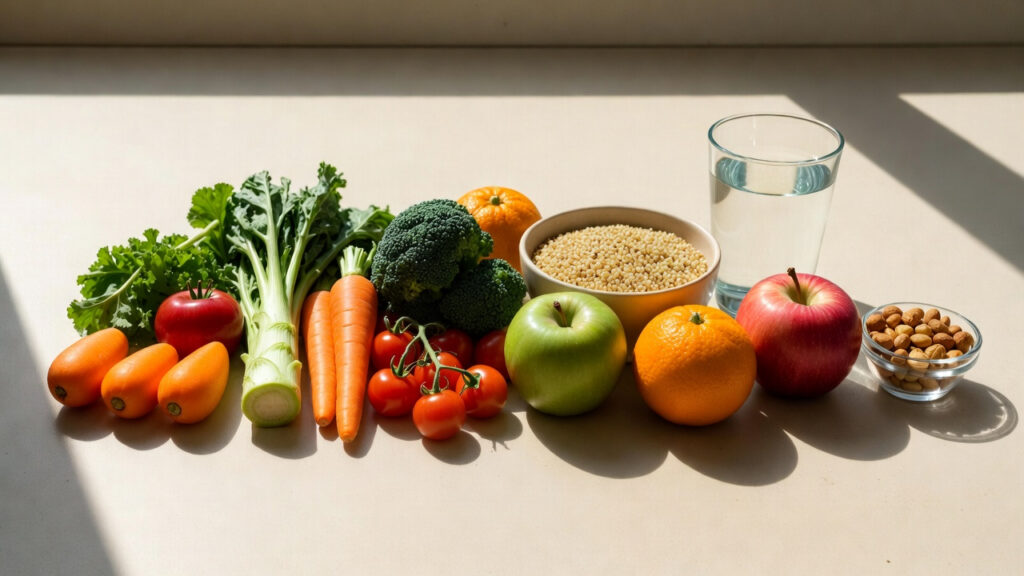
The most effective first step is not about what you cut out — it is about what you add in. Before focusing on eliminating foods, concentrate on increasing your intake of vegetables, fruits, lean protein, and whole grains. When these foods make up a larger portion of your meals, there is naturally less room for less nutritious options.
This positive, additive approach reduces the psychological resistance that comes with restriction and makes the transition feel less like deprivation and more like expansion.
2. Learn What Whole Foods Are
Whole foods are foods that are as close to their natural state as possible — vegetables, fruits, legumes, whole grains, eggs, fish, meat, nuts, and seeds. These are fundamentally different from processed and ultra-processed foods, which often contain added sugar, refined oils, preservatives, and artificial additives.
A simple guideline: if a food has more than five ingredients on the label, or contains ingredients you cannot recognize, it is likely highly processed. Building your diet primarily around whole foods is the most universally supported principle in nutrition science.
3. Build Your Plate Around Vegetables
Vegetables should form the foundation of most meals. They are low in calories, high in fiber, and packed with vitamins, minerals, and antioxidants. Despite their nutritional value, most people in Western countries fall well below recommended vegetable intake.
A practical starting point is to fill half your plate with vegetables at lunch and dinner. This does not mean every meal needs to be a salad — roasted vegetables, stir-fries, soups, and vegetable-based side dishes all count and can be just as satisfying as traditional starch-heavy sides.
4. Choose Quality Protein at Every Meal
Protein plays a crucial role in satiety, muscle maintenance, immune function, and metabolic health. Including a source of quality protein at every meal helps regulate hunger hormones and reduces the likelihood of overeating later in the day.
Good protein sources include eggs, chicken, fish, lean beef, legumes, Greek yogurt, tofu, and tempeh. Aim to include a protein source at breakfast, lunch, and dinner to maintain stable energy levels and reduce cravings throughout the day.
5. Replace Refined Carbohydrates with Whole Grain Alternatives
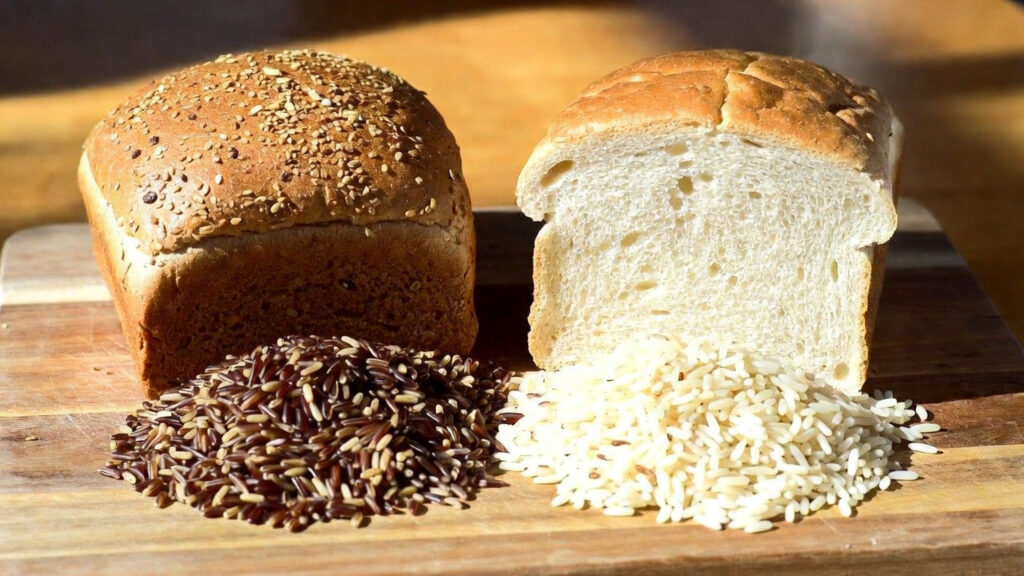
Refined carbohydrates — white bread, white rice, pasta, pastries, and most packaged snacks — are digested quickly and cause blood sugar spikes followed by energy crashes. Swapping these for whole grain alternatives is one of the most impactful and practical dietary changes a beginner can make.
Replace white rice with brown rice or quinoa. Choose oatmeal instead of sugary breakfast cereal. Opt for whole grain or sourdough bread instead of white bread. These simple swaps require no major lifestyle change but significantly improve the nutritional quality of your meals.
If you want to take things further, you may also find our guide on the best foods for a balanced diet helpful for building a more complete eating plan.
6. Reduce Sugary Drinks and Increase Water Intake
One of the easiest wins for anyone starting a healthy diet is reducing consumption of sugary beverages. Sodas, fruit juices, energy drinks, sweetened coffees, and flavored teas often contain as much sugar as desserts, without providing meaningful nutrition or satiety.
Replacing these with water, sparkling water, unsweetened herbal tea, or black coffee has an immediate positive impact on calorie intake and blood sugar regulation. Aim to drink at least six to eight glasses of water per day, more if you are physically active.
7. Plan and Prepare Meals in Advance
Lack of planning is one of the most common reasons people fall back on unhealthy food choices. When you are hungry and there is nothing ready to eat, convenience wins — and convenience foods are often the least nutritious options available.
Setting aside one to two hours per week to plan meals, shop for ingredients, and prepare some basics in advance — cooked grains, boiled eggs, washed vegetables — dramatically reduces the friction of eating well on busy days. Meal planning does not need to be elaborate. Even basic preparation makes a significant difference.
8. Read Nutrition Labels with Intention
Understanding what is in packaged food empowers better choices. When reading a nutrition label, prioritize three things: the serving size, the ingredients list, and the amount of added sugar.
Be cautious of products marketed as healthy that contain large amounts of added sugar, refined oils, or artificial additives. Foods that genuinely support health rarely need elaborate health claims on their packaging — real foods like vegetables, eggs, and beans speak for themselves.
9. Be Consistent, Not Perfect
Consistency over weeks, months, and years is what creates meaningful change. No single meal or day defines the quality of your diet. If you eat a nutritious breakfast and lunch but choose pizza for dinner, that is still a better overall day than three nutrient-poor meals.
Many beginners abandon their efforts entirely after one slip-up — a concept sometimes called the all-or-nothing mindset. Recognizing that healthy eating is a practice rather than a pass/fail test is one of the most important shifts you can make. Progress, not perfection, is the goal.
10. Give Yourself Time to Adjust
Taste preferences are not fixed — they adapt to what you eat regularly. If vegetables feel bland or unfamiliar at first, that will change over time as your palate adjusts. Most people who transition to a whole food diet report that processed foods begin to taste overly sweet or salty within a few weeks.
Give your body and taste buds time to adjust. What feels like a sacrifice in the first two weeks often becomes a preference by the second month. Patience is one of the most underrated tools in building a sustainable healthy diet.
Conclusion
Starting a healthy diet is not about following strict rules or reaching a state of dietary perfection. It is about making progressively better food choices, building awareness around what you eat, and finding an approach that supports your health without consuming your life.
Begin by adding more whole foods, drinking more water, building meals around vegetables and quality protein, and replacing a few refined foods with whole grain alternatives. These foundational steps create real, lasting results over time — and that is far more valuable than any short-term diet trend.
Frequently Asked Questions
What is the first step to eating healthier? The simplest first step is to increase your intake of vegetables, fruits, and whole grains rather than focusing primarily on eliminating foods. Adding nutritious options naturally reduces reliance on less healthy choices over time.
How long does it take to see results from a healthy diet? Most people notice improved energy and digestion within two to four weeks of consistent dietary improvements. More significant changes to weight, blood markers, or physical appearance typically take two to three months of sustained effort.
Do I need to count calories to eat healthily? Calorie counting is not necessary for most beginners. Focusing on food quality — eating mostly whole, minimally processed foods — naturally regulates intake for many people without the need for strict tracking.