Introduction
Breakfast sets the tone for your entire day. A nutritious morning meal stabilizes blood sugar, supports mental focus, and reduces the likelihood of overeating later in the day. Yet for many people, breakfast is either skipped entirely or replaced with sugary cereals and processed convenience foods that provide little lasting benefit.
The good news is that healthy breakfasts do not need to be complicated or time-consuming. Many of the most nutritious morning meals come together in ten to fifteen minutes and require only a handful of simple ingredients. Whether you prefer something warm and savory, cold and refreshing, or sweet and satisfying, there is a healthy breakfast option that fits your lifestyle and taste preferences.
This guide covers ten easy healthy breakfast recipes that are practical enough for busy mornings and nutritious enough to support your health goals.
Why a Healthy Breakfast Makes a Difference
Research consistently shows that people who eat a balanced breakfast perform better cognitively, maintain more stable energy levels throughout the morning, and make better food choices throughout the rest of the day. Skipping breakfast, on the other hand, often leads to increased hunger hormones, stronger cravings for high-sugar foods, and lower overall dietary quality.
A healthy breakfast should ideally include a combination of protein, healthy fats, and complex carbohydrates. This macronutrient balance slows digestion, sustains energy, and keeps hunger at bay until lunchtime — making every other healthy habit throughout the day easier to maintain.
10 Easy Healthy Breakfast Recipes
1. Greek Yogurt Parfait with Berries and Granola
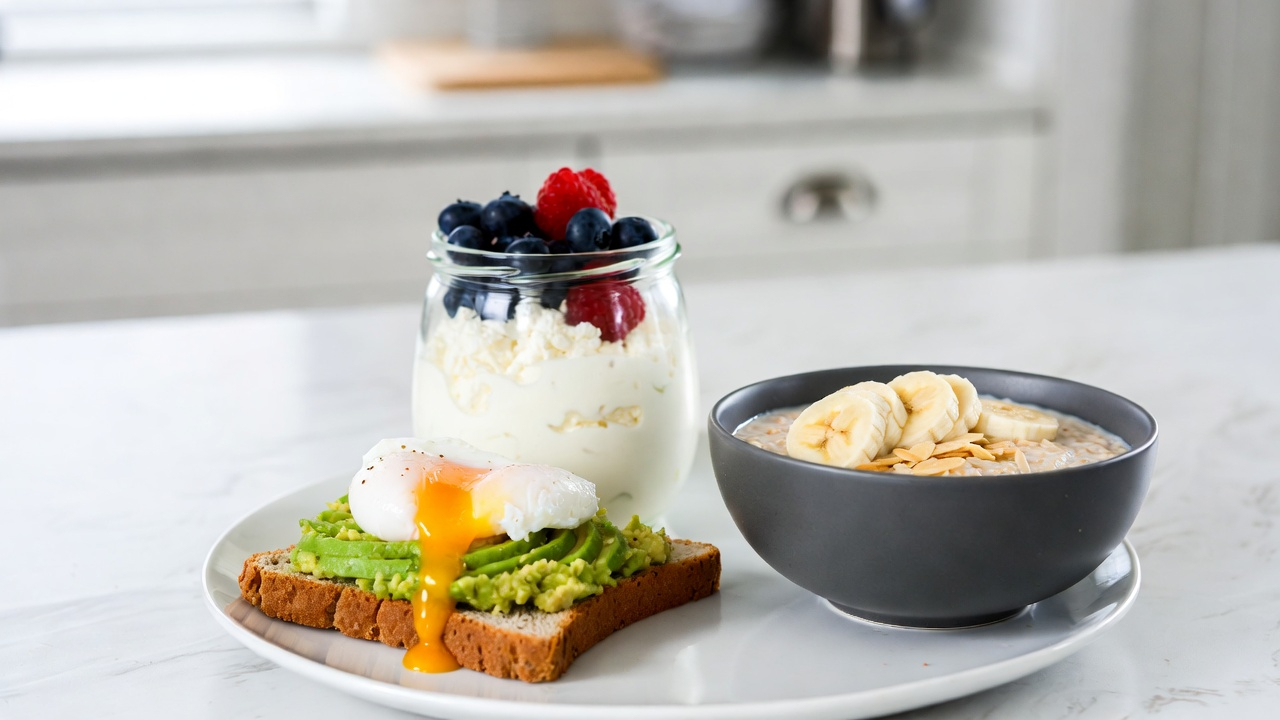
Layer plain Greek yogurt with a handful of mixed berries — blueberries, strawberries, and raspberries work beautifully — and a small amount of low-sugar granola. Top with a drizzle of honey and a sprinkle of chia seeds for added omega-3s and fiber.
This recipe takes under five minutes to assemble and delivers an impressive nutritional profile: high-quality protein from the yogurt, antioxidants from the berries, and sustained energy from the granola and seeds. Use full-fat or 2% Greek yogurt for better satiety and a creamier texture.
2. Avocado Toast with Poached Eggs
Toast a slice of whole grain or sourdough bread, spread generously with mashed ripe avocado seasoned with lemon juice, sea salt, and red pepper flakes, and top with one or two poached eggs. Finish with a crack of black pepper and optional microgreens.
This combination provides healthy monounsaturated fats from the avocado, complete protein from the eggs, and complex carbohydrates from the whole grain toast. It is one of the most nutritionally balanced breakfast options available and keeps hunger satisfied for three to four hours.
3. Overnight Oats with Banana and Almond Butter
Combine half a cup of rolled oats with half a cup of unsweetened almond milk, a tablespoon of chia seeds, and a teaspoon of vanilla extract in a jar. Refrigerate overnight. In the morning, top with sliced banana, a tablespoon of almond butter, and a sprinkle of cinnamon.
Overnight oats require zero morning preparation and deliver a fiber-rich, protein-packed breakfast that supports digestive health and sustained energy. Preparing multiple jars on Sunday creates a ready-to-eat breakfast for the entire week.
4. Spinach and Mushroom Scrambled Eggs
Sauté a handful of baby spinach and sliced mushrooms in a pan with a teaspoon of olive oil until softened. Add two to three beaten eggs and scramble until just set. Season with salt, pepper, and a pinch of garlic powder, and serve alongside a slice of whole grain toast.
This savory breakfast provides iron and folate from the spinach, immune-supporting compounds from the mushrooms, and complete protein from the eggs. It is one of the most nutrient-dense breakfast options available and takes less than ten minutes to prepare.
5. Smoothie Bowl with Açaí and Toppings
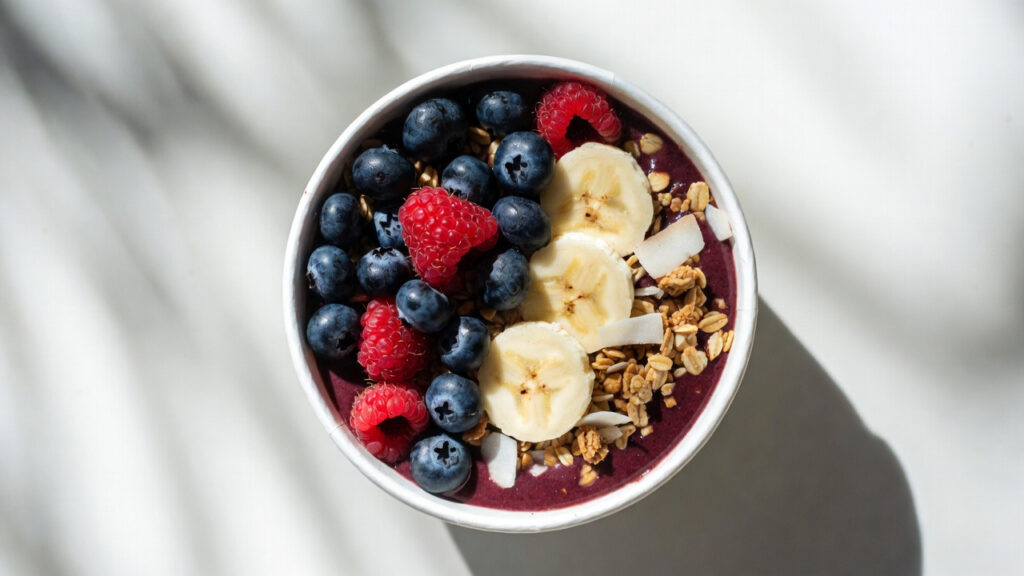
Blend one frozen açaí packet with half a frozen banana, a small handful of frozen berries, and a splash of almond milk until thick. Pour into a bowl and top with sliced fresh fruit, granola, coconut flakes, and a drizzle of honey.
Smoothie bowls are significantly more satisfying than drinkable smoothies because the act of eating encourages slower consumption and better satiety signaling. Açaí is exceptionally rich in antioxidants and healthy fats, making this one of the most antioxidant-dense breakfast options available.
If you are looking for more inspiration, our guide on healthy smoothie recipes for energy covers additional ideas for nutritious blended breakfasts.
6. Cottage Cheese Bowl with Fruit and Seeds
Spoon a cup of full-fat cottage cheese into a bowl and top with diced peaches or pineapple, a tablespoon of pumpkin seeds, and a light drizzle of honey. Alternatively, go savory with cherry tomatoes, cucumber, and a sprinkle of everything bagel seasoning.
Cottage cheese is one of the most protein-dense breakfast foods available, providing around twenty-five grams of protein per cup. It is also rich in calcium and B vitamins, and its mild flavor makes it equally versatile for sweet and savory preparations.
7. Banana Oat Pancakes
Mash one ripe banana in a bowl and mix with two eggs and a quarter cup of rolled oats until a batter forms. Cook in small rounds on a non-stick pan over medium heat for two to three minutes per side until golden. Serve with fresh berries and a light drizzle of maple syrup.
These two-ingredient pancakes — with oats as a simple addition — are naturally gluten-free, high in potassium and protein, and free from refined flour and added sugar. They are one of the most popular healthy breakfast swaps for anyone transitioning away from traditional pancake recipes.
8. Chia Seed Pudding with Mango
Combine three tablespoons of chia seeds with one cup of coconut milk and a teaspoon of vanilla extract. Stir well and refrigerate overnight. In the morning, top with diced fresh mango, a squeeze of lime, and a sprinkle of toasted coconut.
Chia seeds expand significantly in liquid, creating a thick, pudding-like texture that is surprisingly filling. They are rich in omega-3 fatty acids, fiber, and plant-based protein. Like overnight oats, chia pudding can be prepared in advance and stored in the refrigerator for up to four days.
9. Whole Grain Toast with Nut Butter and Sliced Apple
Toast a slice of whole grain bread and spread with two tablespoons of almond or peanut butter. Top with thin slices of crisp apple and a light sprinkle of cinnamon and hemp seeds.
This simple, no-cook breakfast is ready in two minutes and provides a well-balanced combination of complex carbohydrates, healthy fats, protein, and natural sugar from the apple. Choose a nut butter with no added sugar or oil for the cleanest nutritional profile.
10. Veggie and Egg Breakfast Burrito
Scramble two eggs with diced bell pepper, red onion, and baby spinach in a pan with olive oil. Spoon onto a whole grain tortilla, add a tablespoon of salsa and a small amount of avocado, and wrap. This breakfast can be prepared in advance and reheated in minutes.
Breakfast burritos provide a complete macronutrient profile in a portable format — ideal for busy mornings when sitting down to eat is not practical. Preparing a batch of five on Sunday and storing them in the refrigerator creates a grab-and-go healthy breakfast for the entire week.
Conclusion
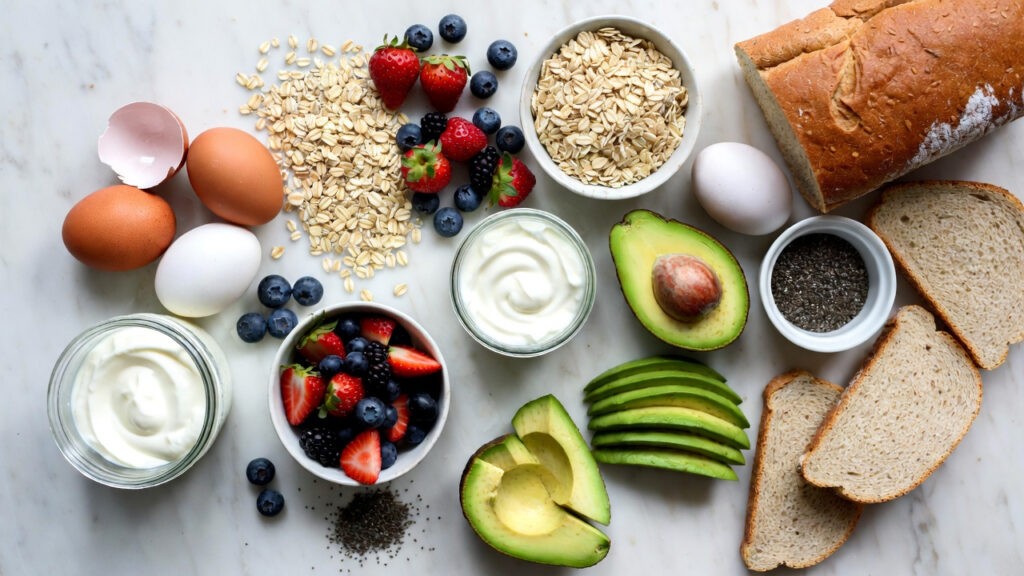
Eating a healthy breakfast does not require hours in the kitchen or complicated recipes. Greek yogurt parfaits, avocado toast, overnight oats, egg scrambles, and chia puddings are all simple, practical options that can be prepared quickly and deliver genuine nutritional value.
The key is preparation — having ingredients ready and a few go-to recipes in your routine removes the friction that leads to skipping breakfast or reaching for processed alternatives. Choose two or three of these recipes to rotate through your week and build from there.
Frequently Asked Questions
What is the healthiest breakfast to eat every day? A breakfast that combines protein, healthy fats, and complex carbohydrates is considered the most balanced option. Greek yogurt with berries, eggs with vegetables and whole grain toast, or overnight oats with nut butter are all consistently recommended choices that support sustained energy and appetite control.
Are overnight oats healthy? Yes. Overnight oats are an excellent breakfast option. Rolled oats provide beta-glucan fiber that supports heart health and digestion, and soaking them overnight makes them easier to digest. Adding chia seeds, nut butter, and fruit creates a complete and highly nutritious meal.
What should I eat for breakfast to lose weight? High-protein breakfasts — such as eggs, Greek yogurt, or cottage cheese — are particularly effective for weight management because protein reduces hunger hormones and increases satiety. Pairing protein with fiber-rich foods like vegetables, berries, or oats provides lasting fullness and reduces mid-morning cravings.