Introduction
Your gut lining is one of the most important barriers in your body. This thin layer of cells separates the contents of your digestive tract from your bloodstream, controlling what gets absorbed and what stays out. When this barrier is healthy and intact, it allows nutrients to pass through while blocking harmful substances like toxins, undigested food particles, and pathogens.
When the gut lining becomes damaged — a condition sometimes called increased intestinal permeability or leaky gut — these unwanted substances can pass into the bloodstream, triggering immune reactions, widespread inflammation, and a range of symptoms including bloating, fatigue, food sensitivities, skin issues, and more.
While many factors affect the health of your gut lining, diet plays a central role. Certain foods are known to weaken tight junctions between gut cells, disrupt the gut microbiome, and promote chronic inflammation in the intestinal wall. Knowing which foods to limit or avoid is just as important as knowing which foods to eat.
Why Gut Lining Health Matters
The gut lining is renewed approximately every five to seven days, making it highly responsive to what you eat. A damaged gut lining is linked to inflammatory conditions like Crohn’s disease, celiac disease, and irritable bowel syndrome, as well as systemic conditions including autoimmune diseases, allergies, and metabolic disorders. Protecting your gut lining through mindful dietary choices supports not only digestion but your immune system, mental health, and long-term disease prevention.
10 Foods That Damage Your Gut Lining
1. Refined Sugar
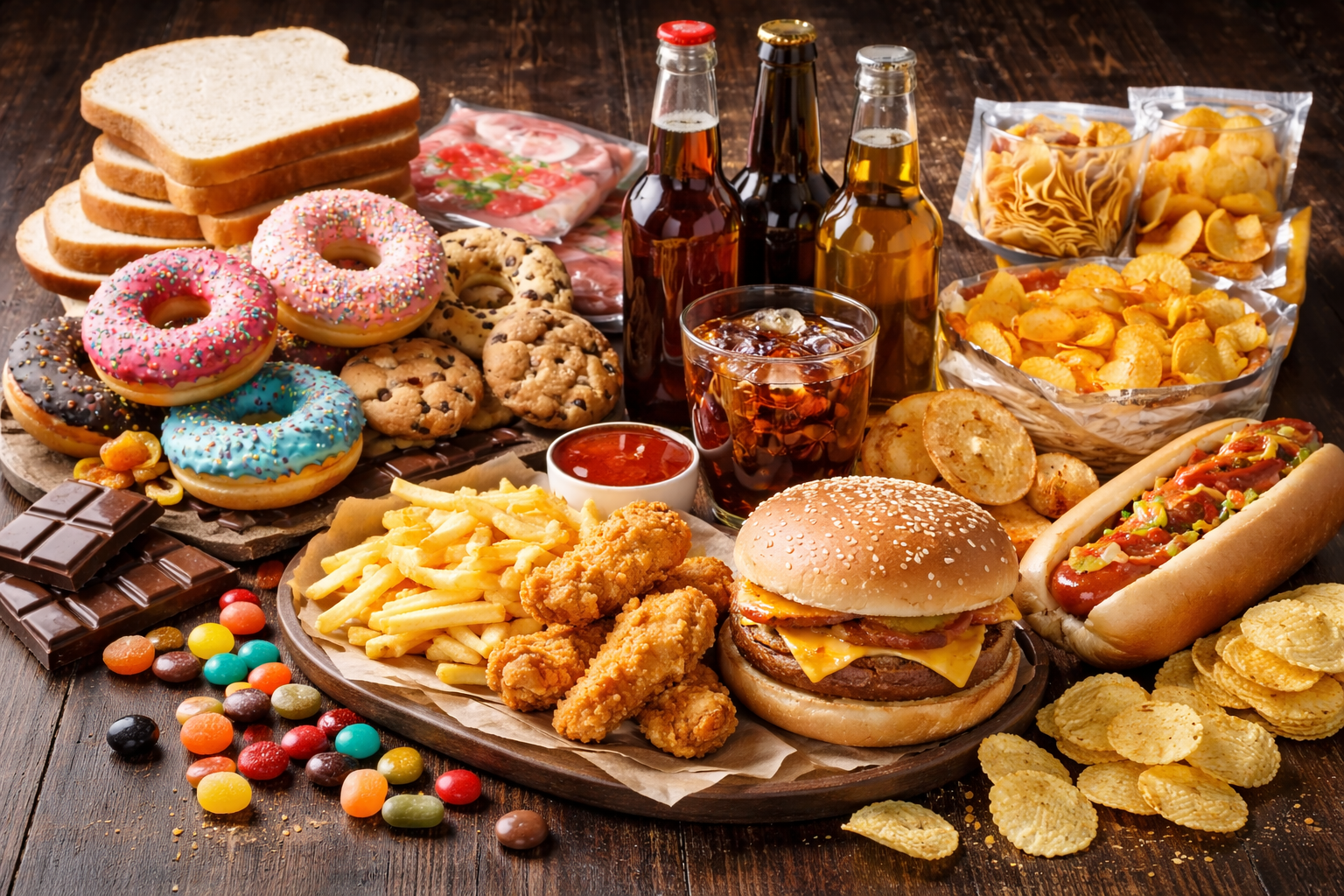
Excess sugar is one of the most harmful substances for gut health. High sugar intake feeds harmful bacteria and yeast — particularly Candida — allowing them to overgrow and displace beneficial gut flora. This imbalance, known as dysbiosis, weakens the gut lining over time by reducing the production of protective mucus and increasing local inflammation. Sugary beverages, baked goods, candy, and processed foods are the most common sources of excess refined sugar in the modern diet.
2. Refined Grains and White Flour
Refined grains like white bread, white pasta, and pastries are stripped of fiber and nutrients during processing. Without fiber, these foods are rapidly digested and cause blood sugar spikes that promote inflammation in the gut lining. Refined grains also lack the prebiotics found in whole grains, meaning they do not feed beneficial gut bacteria. Over time, a diet high in refined grains contributes to microbial imbalance and a less resilient gut lining.
3. Gluten (for Sensitive Individuals)
For people with celiac disease or non-celiac gluten sensitivity, gluten — a protein found in wheat, barley, and rye — directly damages the cells of the small intestinal lining. In celiac disease, gluten triggers an immune response that flattens the villi, the tiny projections responsible for nutrient absorption. Even in people without a clinical diagnosis, some research suggests that gluten may increase intestinal permeability in susceptible individuals. If you suspect gluten sensitivity, working with a healthcare provider to assess and adjust your diet is advisable.
4. Alcohol
Alcohol is one of the most well-documented gut lining disruptors. It increases intestinal permeability by disrupting the tight junctions between gut cells, allowing harmful substances to leak into the bloodstream. Alcohol also reduces the production of protective mucus, inhibits the absorption of essential nutrients, and damages the liver — the organ responsible for filtering blood coming from the gut. Even moderate alcohol consumption has been shown to alter gut microbiome composition in ways that promote inflammation.
5. Processed and Fried Foods
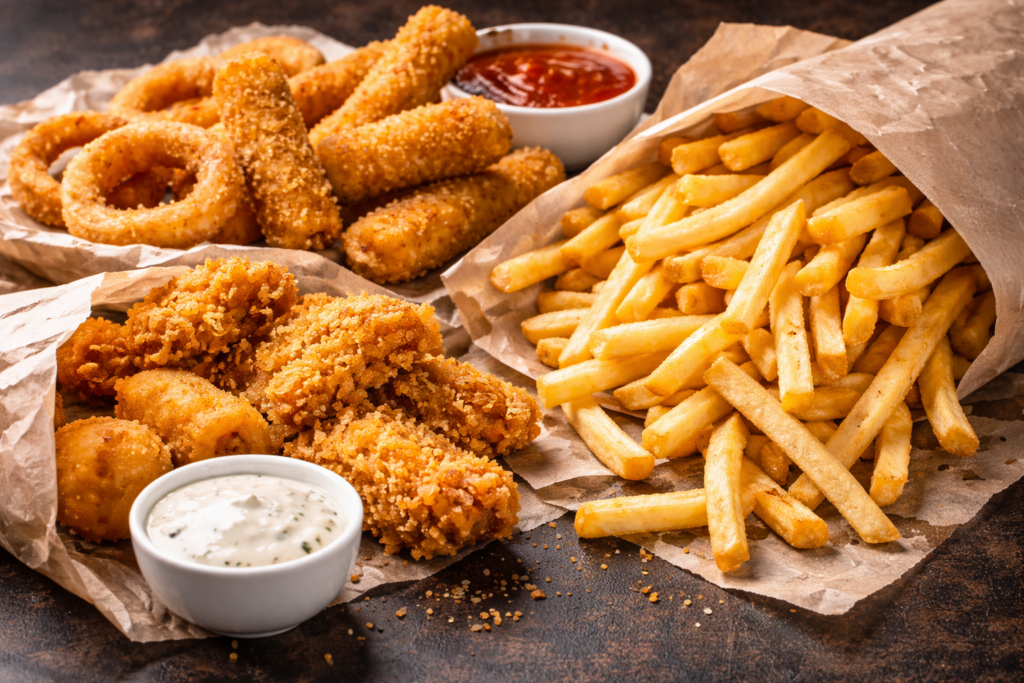
Processed foods — including fast food, packaged snacks, and fried items — are typically high in refined oils, trans fats, artificial additives, and preservatives. Many of these compounds are pro-inflammatory and have been shown to disrupt the gut microbiome and damage the intestinal epithelium. Industrial seed oils like soybean, corn, and canola oil are particularly high in omega-6 fatty acids, which promote inflammation when consumed in excess relative to omega-3s. Minimizing processed food consumption is one of the most impactful steps you can take for gut lining health.
6. Artificial Sweeteners
Despite being marketed as healthy sugar alternatives, artificial sweeteners like sucralose, aspartame, and saccharin have been shown in multiple studies to negatively alter gut microbiome composition. Research has found that these sweeteners can reduce populations of beneficial bacteria like Lactobacillus and Bifidobacterium while allowing harmful species to flourish. Some studies also suggest that certain artificial sweeteners may increase intestinal permeability, directly weakening the gut lining. Diet sodas, sugar-free gum, and low-calorie packaged foods are common sources.
7. Dairy (for Lactose-Intolerant Individuals)
For people who lack sufficient levels of the enzyme lactase, consuming dairy products leads to undigested lactose reaching the colon, where it is fermented by bacteria and causes gas, bloating, cramping, and diarrhea. Chronic exposure to this fermentation process can irritate and inflame the gut lining over time. Additionally, the proteins in cow’s milk — particularly casein — may trigger immune responses in sensitive individuals that contribute to intestinal inflammation. Identifying and managing dairy intolerance is important for long-term gut lining health.
8. Emulsifiers and Food Additives
Many packaged and processed foods contain emulsifiers — compounds used to improve texture and extend shelf life. Common examples include polysorbate 80, carboxymethylcellulose, and carrageenan. Animal studies have shown that these emulsifiers can thin the protective mucus layer of the gut lining and promote low-grade inflammation in the intestinal tract. While human research is still emerging, the available evidence suggests that reducing consumption of heavily processed foods containing these additives supports a healthier gut lining.
9. Excessive Caffeine
While moderate coffee consumption can have health benefits, excessive caffeine intake can irritate the gut lining, stimulate the overproduction of stomach acid, and speed up gut motility in ways that impair digestion. For people with sensitive digestive systems, high caffeine intake may worsen symptoms of acid reflux, gastritis, and irritable bowel syndrome. The impact varies significantly between individuals, but those experiencing digestive discomfort after coffee or energy drinks may benefit from reducing their intake.
10. Red and Processed Meats
High consumption of processed meats like hot dogs, sausages, bacon, and deli meats has been associated with increased gut inflammation and a less diverse microbiome. These products often contain nitrates, preservatives, and high levels of saturated fat that can disrupt gut bacterial balance and promote inflammation in the gut lining. Red meat in large amounts is also linked to reduced populations of beneficial gut bacteria and increased levels of pro-inflammatory compounds produced during digestion.
Conclusion
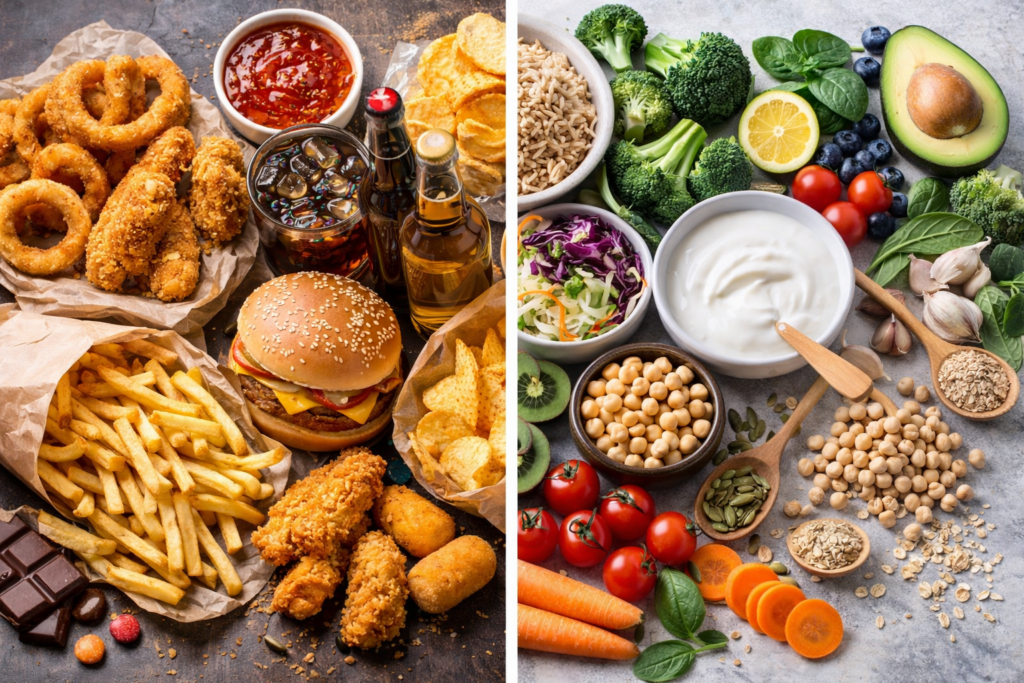
Protecting your gut lining starts with being mindful of the foods that cause the most damage. Refined sugar, alcohol, processed foods, and artificial additives are among the most impactful culprits. You do not need to eliminate every item on this list overnight, but gradually reducing your intake of these foods while increasing gut-supportive options — fermented foods, fiber-rich vegetables, healthy fats, and clean proteins — will go a long way toward maintaining a healthy, resilient gut lining.
Your gut lining is constantly being renewed, which means the changes you make today can start showing results within days or weeks. Small, consistent improvements to your diet can lead to meaningful improvements in digestion, energy, immunity, and overall well-being.