
Introduction
When it comes to heart health, what you do not eat can matter just as much as what you do. While most nutrition advice focuses on beneficial foods to add to your diet, identifying and reducing the most harmful ones is equally important for long-term cardiovascular protection. Certain foods directly raise LDL cholesterol, promote arterial inflammation, increase blood pressure, and accelerate the progression of heart disease.
The good news is that these foods are not hidden or mysterious — they tend to be highly processed, high in certain fats, loaded with sodium, or packed with added sugars. Understanding why these foods harm the heart and knowing practical alternatives makes it far easier to reduce them without feeling deprived.
Why Certain Foods Harm Your Heart
Cardiovascular disease develops through a combination of processes: elevated LDL cholesterol that deposits in arterial walls, chronic low-grade inflammation that promotes plaque growth, elevated blood pressure that stresses arterial tissue, and insulin resistance that disrupts blood sugar and fat metabolism. The most harmful foods for heart health tend to accelerate several of these processes simultaneously, which is why their impact is disproportionate to their nutritional content.
Saturated and trans fats raise LDL cholesterol. Excess sodium raises blood pressure. Refined carbohydrates and added sugars raise triglycerides and promote insulin resistance. Highly processed foods often combine all of these factors. Reducing these dietary components removes significant cardiovascular burden.
Foods to Avoid for a Healthy Heart
1. Trans Fats
Trans fats — primarily found in partially hydrogenated vegetable oils — are among the most dangerous dietary fats for cardiovascular health. They raise LDL cholesterol, lower HDL cholesterol, increase inflammation, and promote endothelial dysfunction simultaneously. Although many countries have restricted their use, trans fats still appear in some fried foods, commercially baked goods, and certain margarines. Checking ingredient labels for “partially hydrogenated oil” is essential.
2. Processed Meats
Bacon, sausage, hot dogs, deli meats, and smoked meats are consistently linked to elevated cardiovascular risk in population studies. They are high in saturated fat, sodium, and preservatives like nitrates that contribute to vascular inflammation and arterial stiffness. Studies show that even moderate processed meat consumption is associated with meaningfully higher rates of heart disease and stroke compared to diets where they are largely absent.
3. Refined Carbohydrates and White Bread
White bread, white rice, pastries, and other products made from refined flour cause rapid blood sugar spikes and subsequent insulin surges. Over time, this pattern promotes insulin resistance, raises triglycerides, increases LDL particle density, and contributes to systemic inflammation — all of which are linked to cardiovascular disease. Replacing refined grains with whole grain alternatives is one of the most impactful dietary shifts for heart health.
4. Sugary Beverages
Sodas, fruit juices, sweetened teas, and energy drinks deliver large amounts of added sugar with no fiber to slow absorption. High sugar intake raises triglycerides, promotes liver fat accumulation, increases blood pressure, and contributes to obesity — each of which independently raises cardiovascular risk. Research has consistently found that people who regularly drink sugar-sweetened beverages have significantly higher rates of heart disease than those who do not.
5. Fried Foods
Deep-fried foods are typically cooked in vegetable oils heated to high temperatures, producing oxidized fats and trans fat byproducts that are directly harmful to arterial health. They are also calorie-dense, sodium-rich, and often made with refined carbohydrate coatings. Regular consumption of fried foods — particularly fried chicken, french fries, and fried snacks — is associated with substantially elevated cardiovascular risk in long-term population studies.
If you are looking to build more heart-supportive eating habits to replace these harmful foods, our article on foods that lower cholesterol naturally provides a practical starting point.

6. Full-Fat Dairy Products
Butter, cream, full-fat cheese, and ice cream are high in saturated fat, which raises LDL cholesterol over time. While recent research has complicated the saturated fat story somewhat — particularly with fermented dairy like yogurt and cheese — there is still strong evidence that replacing saturated fat sources with unsaturated fat sources improves cardiovascular outcomes. Choosing low-fat dairy or plant-based alternatives where possible supports better cholesterol profiles.
7. Fast Food
Fast food is a concentrated source of multiple cardiovascular risk factors simultaneously — trans fats, saturated fats, refined carbohydrates, sodium, and added sugar often appear in a single meal. Regular fast food consumption is one of the strongest dietary predictors of cardiovascular disease in observational studies, likely because it displaces heart-healthy whole foods while delivering concentrated doses of harmful nutrients in each sitting.
8. Alcohol in Excess
While moderate alcohol consumption — particularly red wine — has been associated with some cardiovascular benefits in certain studies, excess alcohol intake raises blood pressure, increases triglycerides, contributes to arrhythmias, and promotes weight gain. Current evidence suggests that for many people, the risks of alcohol for heart health outweigh any potential benefits, and those managing cardiovascular risk factors are generally advised to minimize consumption.
9. High-Sodium Foods
Excess sodium raises blood pressure by increasing blood volume and stimulating arterial constriction. Processed soups, canned foods, sauces, condiments, and fast food are typically the highest-sodium items in the average diet. The American Heart Association recommends no more than 2,300 milligrams of sodium per day, with an ideal target of 1,500 milligrams for those with hypertension. Cooking at home using herbs and spices instead of salt-heavy sauces is one of the most effective strategies for reducing sodium intake.
10. Commercially Baked Goods
Commercially produced cookies, cakes, muffins, and pastries combine refined flour, added sugars, saturated fats, and often trans fats in products that are specifically engineered to be highly palatable. They provide minimal nutritional value while delivering a concentrated dose of cardiovascular risk factors. Occasional consumption is unlikely to cause lasting harm, but making them a daily habit significantly increases cardiovascular burden over time.
Conclusion
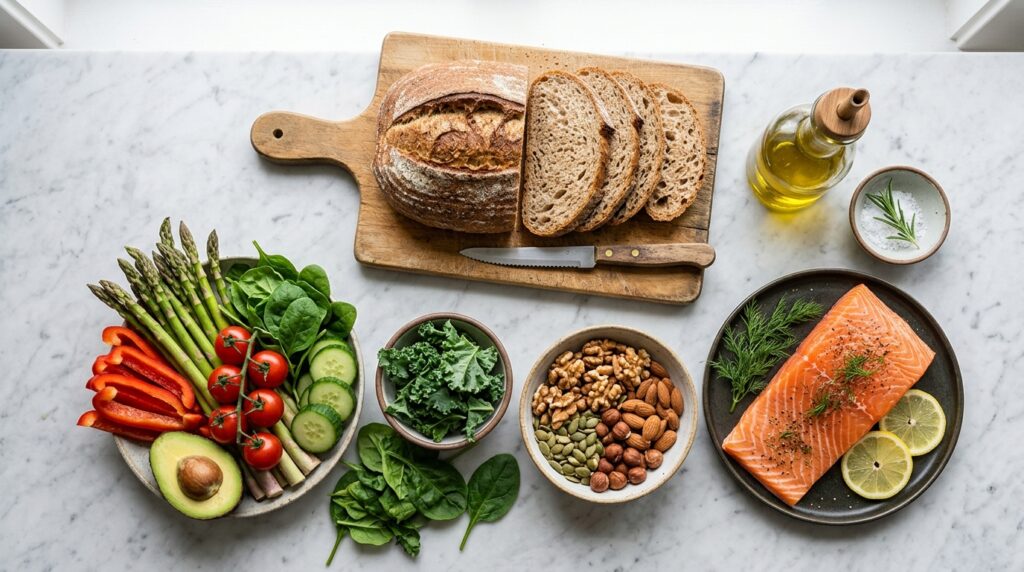
Avoiding or significantly reducing these ten foods is one of the most impactful steps you can take for long-term heart health. Trans fats, processed meats, refined carbohydrates, sugary beverages, and fried foods each harm the cardiovascular system through well-understood mechanisms. The goal is not perfect dietary restriction but a meaningful shift away from these items toward whole, minimally processed foods that actively support cardiovascular function. Small consistent changes — replacing white bread with whole grain, soda with water or green tea, processed snacks with nuts and fruit — compound into significant cardiovascular protection over time.
Frequently Asked Questions
What is the worst food for heart health? Trans fats — found in partially hydrogenated oils — are widely considered the most harmful food component for the heart because they simultaneously raise LDL cholesterol, lower HDL cholesterol, and promote arterial inflammation. Processed meats are another consistently high-risk category associated with elevated cardiovascular disease and mortality rates.
Is red meat bad for the heart? Unprocessed red meat in moderate quantities has a weaker and less consistent association with cardiovascular risk than processed red meat. However, regular high consumption of red meat — particularly fatty cuts — does contribute to elevated saturated fat and LDL cholesterol. Limiting red meat to a few servings per week and choosing lean cuts reduces cardiovascular risk without eliminating it entirely from the diet.
Can you reverse heart damage by changing your diet? While diet cannot undo established arterial damage, research shows that dietary changes can slow or halt the progression of atherosclerosis, improve arterial function, reduce inflammation, and meaningfully lower the risk of future cardiovascular events. The heart and vascular system retain a significant capacity for functional improvement through dietary and lifestyle intervention.
Related Articles
10 Best Foods for Heart Health Foods That Reduce Inflammation Naturally Foods to Cut Out for a Healthier Diet