Introduction
Most nutrition conversations focus on what to eat more of — and for good reason. But understanding which foods actively work against your health goals is equally important. Some commonly consumed foods drive inflammation, disrupt blood sugar, damage the gut lining, and contribute to chronic disease in ways that quietly undermine even the best dietary intentions.
Cutting back on these foods does not require perfection. Even a significant reduction in how often you consume the most problematic items produces meaningful improvements in energy, digestion, weight management, and long-term health. The goal is not to eliminate everything enjoyable but to make informed choices about which trade-offs are worth making.
This guide covers the ten most impactful foods to reduce or cut out when building a healthier diet, with practical context for why each one matters.
Why Removing Certain Foods Matters as Much as Adding Good Ones
Improving your diet is often framed as a purely additive exercise — eat more vegetables, add more protein, include more fiber. But a diet rich in nutrient-dense whole foods still underperforms when it also includes significant amounts of sugar, refined oils, artificial additives, and ultra-processed ingredients.
These foods do not just lack nutritional value — they actively interfere with digestion, hormonal balance, inflammation pathways, and gut microbiome health. Reducing them creates space for the healthy foods you are adding to have their full effect.
Foods to Cut Out for a Healthier Diet
1. Sugary Drinks
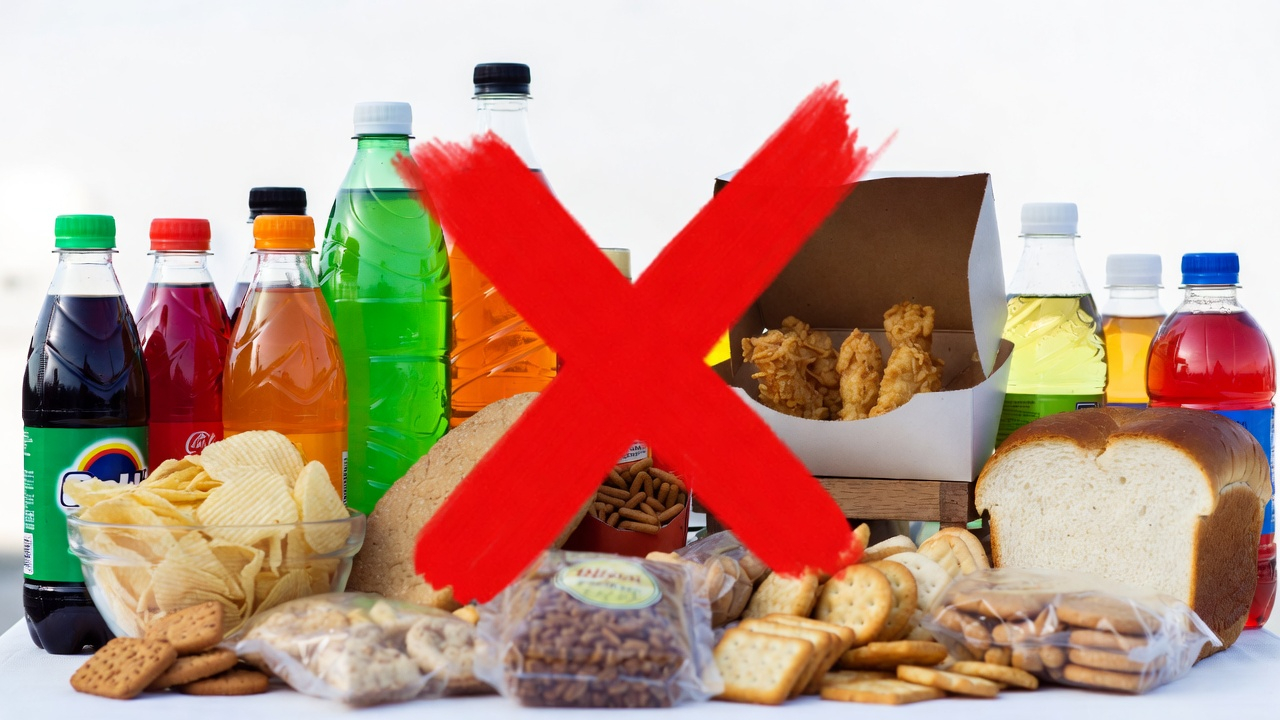
Sodas, sweetened juices, energy drinks, flavored coffees, and sweetened teas are among the most damaging dietary choices available. They deliver large amounts of sugar — often twenty-five to fifty grams per serving — with no fiber, protein, or meaningful nutrients to slow absorption.
This rapid sugar delivery spikes blood glucose and insulin levels, promotes fat storage, drives cravings, contributes to fatty liver disease, and increases the risk of type 2 diabetes and cardiovascular disease. The liquid form means these calories do not trigger the same satiety signals as solid food, making it easy to overconsume without feeling full.
Replacing sugary drinks with water, sparkling water, unsweetened herbal tea, or black coffee is one of the highest-impact single dietary changes most people can make.
2. Ultra-Processed Snack Foods
Packaged chips, cookies, crackers, candy bars, and most commercially produced snack foods are engineered to override the body’s natural satiety signals. They typically combine refined carbohydrates, industrial seed oils, salt, and sugar in ratios specifically designed to make overconsumption feel effortless.
Beyond their lack of nutritional value, these foods often contain artificial flavors, preservatives, emulsifiers, and colorings that research increasingly links to negative effects on gut microbiome composition. Regular consumption of ultra-processed foods has been associated with increased rates of obesity, depression, cardiovascular disease, and all-cause mortality in large epidemiological studies.
3. Refined Carbohydrates
White bread, white rice, regular pasta, most breakfast cereals, and baked goods made with refined flour have had their fiber, vitamins, and minerals stripped out during processing. What remains is essentially a concentrated starch that behaves similarly to sugar once digested — causing rapid blood glucose elevation followed by energy crashes.
Regular refined carbohydrate consumption contributes to insulin resistance over time, makes appetite regulation more difficult, and provides little nutritional return for the calories consumed. Replacing these with whole grain alternatives preserves the satisfaction and practicality of carbohydrate-based meals while dramatically improving their health impact.
4. Artificial Trans Fats
Although partially hydrogenated oils — the primary source of artificial trans fats — have been largely removed from food supplies in many countries following regulatory action, they still appear in some packaged baked goods, non-dairy creamers, microwave popcorn, and certain margarines. Reading ingredient labels for “partially hydrogenated oil” is the clearest way to identify their presence.
Artificial trans fats raise LDL cholesterol, lower HDL cholesterol, promote inflammation, and impair arterial function in ways that are more consistently harmful than almost any other dietary fat. There is no safe level of consumption, and elimination is straightforward for most people who cook with natural whole food ingredients.
5. Highly Processed Breakfast Cereals
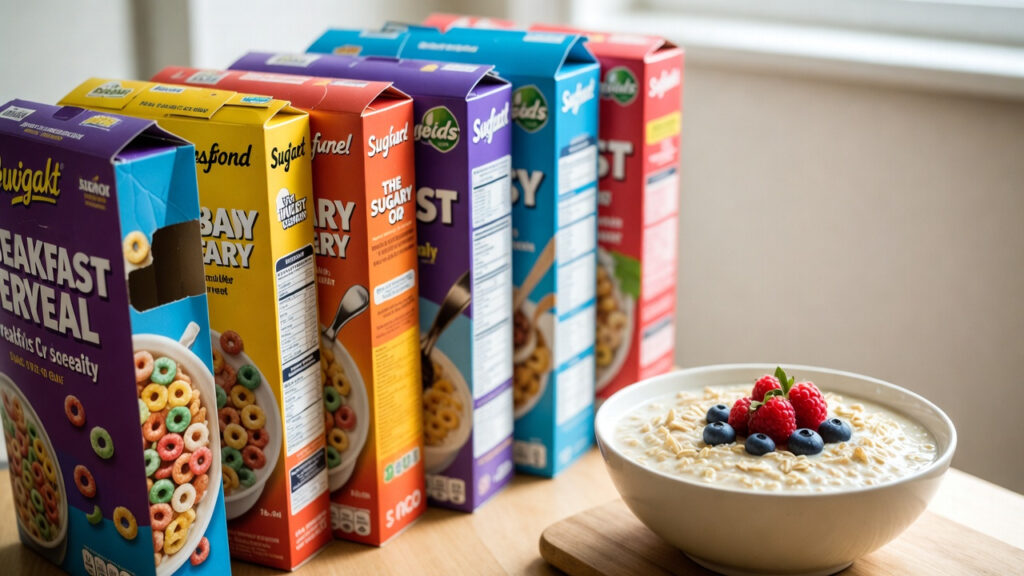
Many breakfast cereals marketed as healthy — including those labeled as high-fiber or enriched with vitamins — are primarily refined starch and added sugar with a small amount of synthetic nutrients added back in. The blood sugar impact of these cereals often rivals that of candy despite their health-oriented packaging.
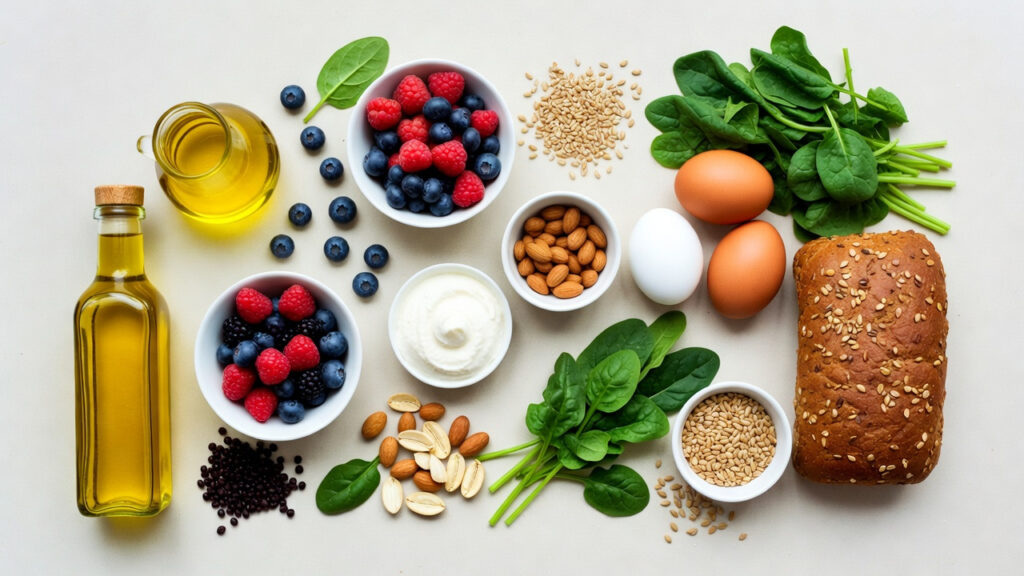
A useful test: compare the sugar content per serving of a marketed breakfast cereal to a plain oat-based alternative. The difference is frequently fifteen to twenty grams of sugar or more per serving. Oats, eggs, Greek yogurt, or whole grain toast are all more nutritionally substantive breakfast options.
For a broader overview of practical dietary improvements, you may also find our guide on how to start a healthy diet for beginners helpful as a companion resource.
6. Fast Food and Fried Foods
Fast food meals typically combine several problematic elements simultaneously — refined carbohydrates, highly processed meat, industrial seed oils used for frying, excess sodium, and added sugar in sauces and condiments. The overall nutritional profile is poor, and frequent consumption is strongly linked to obesity, hypertension, dyslipidemia, and chronic inflammation.
Deep-fried foods also introduce significant amounts of oxidized fats — particularly acrylamide and advanced glycation end products (AGEs) — that promote oxidative stress and inflammation in ways that are distinct from the simply high-calorie nature of the food.
Reducing fast food frequency from several times per week to once per week or less creates a meaningful improvement in dietary quality that compounds over time.
7. Processed Deli Meats and Hot Dogs
Processed meats including hot dogs, sausages, deli slices, and canned meats are classified by the World Health Organization as Group 1 carcinogens — meaning there is sufficient evidence linking regular consumption to increased cancer risk, particularly colorectal cancer. They are also high in sodium, saturated fat, and preservatives including nitrates and nitrites.
This does not mean these foods must be entirely eliminated, but it does mean their place in a regular, health-focused diet should be significantly limited. Choosing unprocessed protein sources the majority of the time — fish, eggs, legumes, or unprocessed poultry — makes a meaningful long-term difference.
8. Margarine and Highly Processed Vegetable Oils
Margarine and oils such as corn oil, soybean oil, sunflower oil, and cottonseed oil are high in omega-6 polyunsaturated fats that, when consumed in excess relative to omega-3 intake, promote inflammation throughout the body. These oils are also structurally fragile and become oxidized easily when exposed to heat, light, or air — producing harmful compounds during high-temperature cooking.
Replacing these with stable, health-supporting fats — extra virgin olive oil for dressings and low-heat cooking, butter or ghee for higher-heat applications, and coconut oil for specific culinary uses — reduces inflammatory fat intake and improves the overall fat quality of the diet.
9. Alcohol
Regular alcohol consumption — even at moderate levels — has a broader negative health impact than was previously understood. Recent large-scale research has revised earlier conclusions about moderate alcohol being cardioprotective, with current evidence suggesting that any amount of alcohol increases all-cause mortality risk and contributes to liver stress, disrupted sleep quality, hormonal imbalances, and gut microbiome damage.
Reducing alcohol consumption is one of the most impactful non-food changes that supports liver health, sleep quality, weight management, and long-term disease risk. For those who choose to drink, limiting frequency and quantity while ensuring adequate nutrition around consumption reduces overall harm.
10. Artificially Sweetened Products
Although artificial sweeteners such as aspartame, sucralose, and saccharin are calorie-free, growing research suggests they are not metabolically neutral. Studies indicate that regular consumption of artificial sweeteners may disrupt gut microbiome composition, alter insulin sensitivity, increase sweet cravings, and counterintuitively contribute to weight gain in some populations.
Products sweetened with these compounds — diet sodas, sugar-free candies, certain flavored yogurts, and protein bars — are often presented as healthy alternatives but may carry their own health trade-offs. Choosing naturally sweetened whole foods in moderate amounts is generally preferable to relying on artificial sweetener-based products as daily dietary staples.
Conclusion
Building a healthier diet involves both strategic additions and purposeful reductions. Cutting back on sugary drinks, ultra-processed snacks, refined carbohydrates, processed meats, harmful fats, and artificially sweetened products removes the primary dietary drivers of inflammation, blood sugar disruption, and chronic disease.
These changes do not require perfection. Even reducing consumption of the most problematic items from daily to occasional creates measurable improvements in how you feel, look, and function over time. Paired with a foundation of whole, nutrient-dense foods, these reductions give the best foods in your diet room to do their work.
Frequently Asked Questions
What is the single worst food to cut out first? Sugary drinks are widely considered the most impactful food category to reduce because they deliver large amounts of sugar with no nutritional benefit, do not trigger satiety, and are strongly linked to obesity, diabetes, and cardiovascular disease. Replacing them with water alone produces meaningful improvements for most people.
Are all processed foods unhealthy? Not all processing is equal. Minimally processed foods — such as canned tomatoes, frozen vegetables, or Greek yogurt — retain most of their nutritional value. The concern is with ultra-processed foods, which involve extensive industrial processing, multiple additives, and significant alteration from their original nutritional state.
Can I occasionally eat these foods without harming my health? Yes. Frequency and overall dietary context matter far more than occasional consumption of less healthy foods. A diet that is primarily whole food-based can accommodate occasional processed or indulgent choices without meaningful long-term health impact. The goal is a consistently high-quality baseline, not absolute restriction.